Sensemaker Daily


What just happened
- Kamala Harris, the Democratic vice-presidential nominee, called the US response to Covid “the greatest failure of any presidential administration in the history of our country”.
- Boris Johnson said pubs and clubs in northern England could have to close from Monday, after more than 14,000 new Covid infections in 24 hours.
- The UK’s information ombudsman said there was no evidence Cambridge Analytica misused data to influence the 2016 EU referendum.
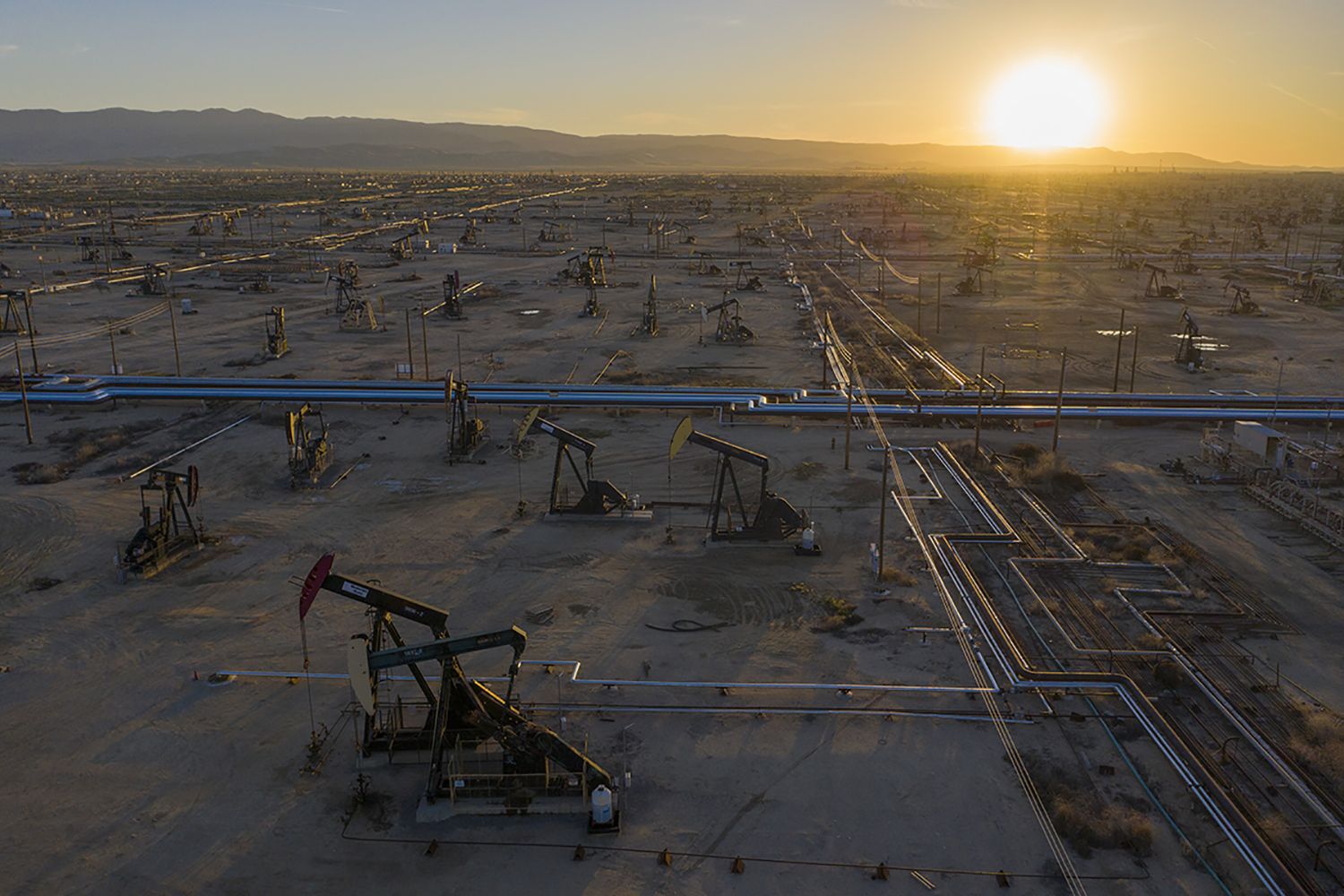
Leave no trace. That’s the plea to people visiting areas of natural beauty, and it should be the credo for energy firms transitioning away from fossil fuels. Unfortunately it doesn’t seem to be catching on. Despite pledges from some of the biggest names in the FTSE 100, levels of atmospheric methane – which can have almost 80 times the warming effect as the same quantity of CO2 – are rising.
Major fossil fuel companies are not measuring their full methane emissions. Emissions that go unmeasured go unreported, and in what one industry leader calls the energy sector’s “dirty little secret” they go under the radar when it comes to internationally agreed climate action plans.
This is a Sensemaker Special on methane and the energy transition. It’s based on the latest findings of Tortoise’s Responsibility 100 Index, which examines the scope and ambition of targets set by the FTSE 100. We found that:
- The FTSE 100 directly emitted 351m tonnes of CO2 equivalent (which includes methane) this reporting year, compared with a total of 435m tonnes for the UK.
- The companies set a total of 123 different targets related to reducing these emissions.
Transparency and accountability for greenhouse gas emissions are vital, but when it comes to methane neither is guaranteed:
- Annual reports by FTSE 100 giants BP and Shell are excluding methane emissions from “non-producing” activities from their 2019 top-line figures. These activities are not clearly defined but appear to include exploratory drilling and disused infrastructure that can still leak methane into the atmosphere.
- The International Energy Agency calculated that 76 megatonnes of methane were emitted in 2017, the most recent year for which global figures are available. Sixty per cent of these emissions are man-made, and the particular qualities of methane make it a far more potent greenhouse gas than CO2.
- In the UK, researchers have detected methane leakage from 30 per cent of disused oil and gas wells studied – and US studies have shown that there may be tens of thousands of leaking wells throughout the country.
- Methane leakage can undermine any climate benefits of natural gas. “Energy from gas has lower CO2 emissions than from coal, but [it] only offers a net climate benefit with strong controls on methane leaks during production,” says Simon Evans, policy editor at CarbonBrief. “Human-caused methane emissions recently hit a record high and the latest evidence suggests that emissions from fossil fuel production have been ‘severely underestimated‘.”
- These emissions are the industry’s “dirty little secret,” says Claire Perry, Director for Climate and Energy at the World Business Council for Sustainable Development. “We need to know more about how companies are taking responsibility for all their consequential emissions – not just those that originate where they supposedly have a high degree of operational control.”
- Under-reporting by companies in the FTSE 100 could backfire, not least because they are part of The Oil and Gas Climate Initiative made up of leaders from BP, Chevron, CNPC, Eni, Equinor, ExxonMobil, Occidental, Pemex, Petrobras, Repsol, Saudi Aramco, Shell and Total. The OGCI has announced ambitious targets for reductions in methane intensity by 2025, and aims to “lead the industry” in terms of cutting atmospheric methane.
- The scale of “orphaned” methane emissions from exploratory drilling and old wells is unknown, so working towards near zero methane emissions from the “full gas value chain” is an ambiguous goal. The heads of the OGCI may be building towards a low-emissions future in time for the Paris Goals, but excluding ‘‘non-producing activities” as a source of emissions seems like drawing up a budget that doesn’t factor in a gambling addiction.
- Remote sensing technologies, proper maintenance of disused wells, and cleaner methods for continuing exploration are underused. In its annual report, BP said these technologies have been deployed at many of its central processing centers including at the Khazzan facility in Oman, which produces a billion cubic feet of gas per day. Yet the capture of fugitive methane from direct movement of natural gas at such sites is only part of the issue. No targets are being set for the detection of methane emitted from indirect, off-site and exploratory activities.
A Shell spokesperson told us the company reports “all emissions of methane from operations”. Shell says it’s “currently working with partners to understand the methane emissions from non-operated ventures”. BP and Shell use remote sensing technologies, aircraft, drones and satellites to monitor methane leakage at their “high control operations” – but not everywhere, and the data they collect is not available to everyone. It should be.
In the app today: Read the latest installment of our file on test and trace, in which Ella Hill takes a close look at Boris Johnson’s moonshot plan for quick and comprehensive Covid testing by the end of the year. Spoiler alert: it’s unlikely to reach orbit. Also: sign up for this afternoon’s 5pm ThinkIn with Flo Simpson, TikTokker par excellence, and this evening’s with Nels Abbey on how to conquer the world while Black.
Billionaire’s bonanza
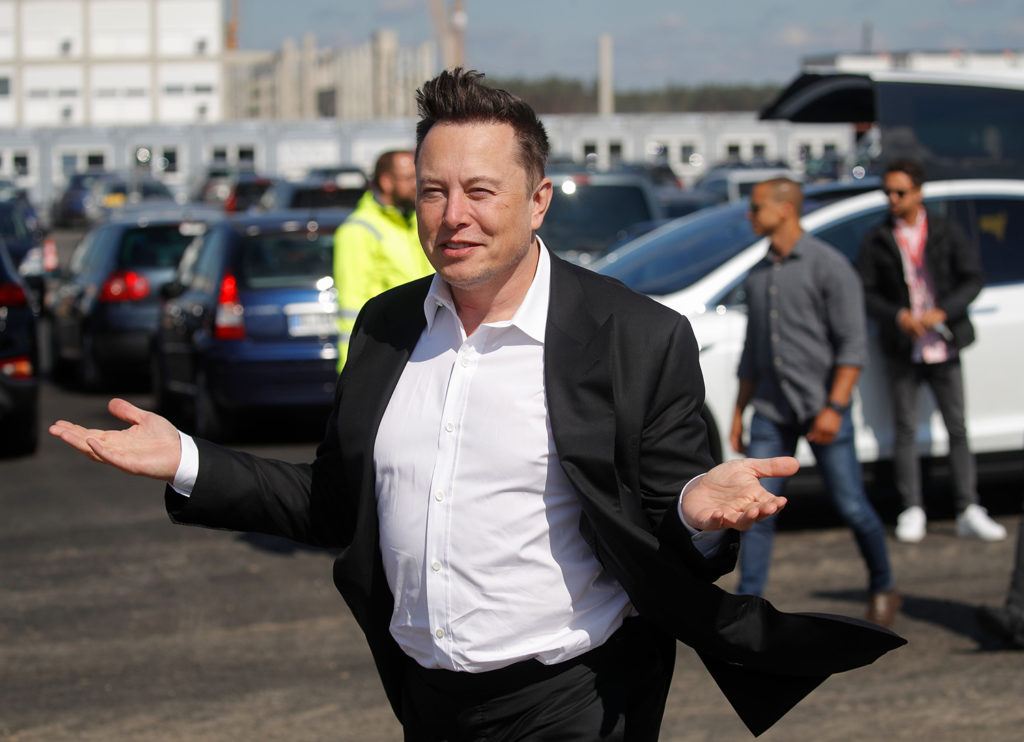
About one in 3.5 million of us is a billionaire; 2,189 in all. That number is rising and so is billionaires’ total wealth – and so is extreme poverty. These are the headlines from UBS’s latest survey of the richest people on the planet. Inequality is more extreme now than at any time since 1905, which means capitalists have collectively decided to embrace rather than tame it. Billionaires now control $10.2 trillion of wealth, up a quarter between April and July this year alone as they bought distressed stocks that bounced right back and tech stocks that simply skyrocketed. Elon Musk’s net worth grew fastest thanks to his stake in Tesla, up by $76 billion this year. The Guardian naturally goes big on the report. It quotes UBS’s Josef Stadler saying there’s a risk that billionaires will be “singled out by society”. I guess so, but don’t hold your breath for barricades.
Facebook bans QAnon
Facebook has finally removed from all its platforms, including Instagram, accounts that promote the far-right, far-out QAnon conspiracy theory that Donald Trump is fighting a child-trafficking ring run by celebrities and government officials. Good.
Too much fertiliser
To methane (see above) we should add nitrous oxide (N2O), a key ingredient in much of the world’s fertiliser and the third largest contributor to global warming. Nature has a new study covered extensively in Carbon Brief that finds N2O emissions have risen by 30 per cent in the past four decades, driven largely by diet: surging human appetites for meat and dairy mean surging demand for animal feed and heavy N2O use to grow it. Also, manure produces a lot of N2O, and N2O is nearly 300 times more potent than CO2 as a greenhouse gas. China, India and Brazil are the biggest emitters, but when it comes to eating unsustainably most of us are complicit. (Only about one in five of the global population is vegetarian.)
Opioid deal?
Reuters reported yesterday that Purdue Pharma LP, maker of Oxycontin, was close to agreeing a plea deal with US prosecutors involving payment of up to $8 billion in penalties and pleading guilty to criminal charges for its promotion of addictive and often deadly opioid-based painkillers. Oxycontin is one of them, still on sale despite its role in the opioid crisis that has killed around 400,000 people so far this century in the US alone. For decades, Purdue allegedly paid doctors illegal kickbacks to prescribe its drugs, allegedly enriching the Sackler family that still in principle controls the company (although it has declared bankruptcy). The Sacklers are expected to escape criminal charges in the deal, but they face multiple civil lawsuits.
The mote in America’s eye
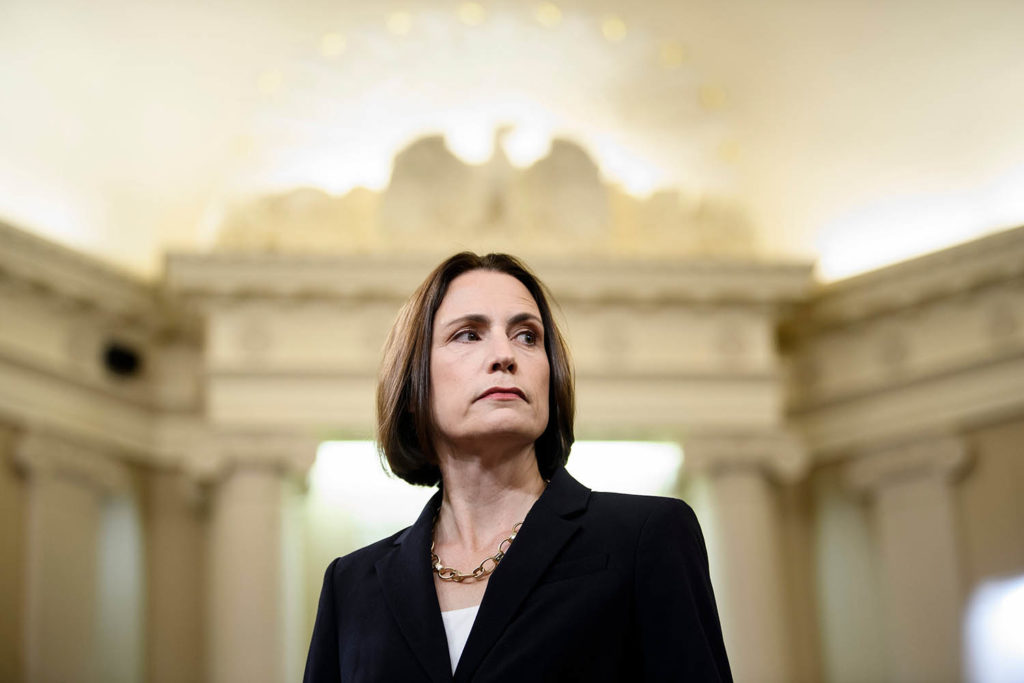
Fiona Hill, the Scottish-born naturalised American who has served the Trump and previous US administrations as a national security advisor, has written a must-read oped for the NYT on Russian meddling in US elections. Her argument is simple: “the biggest risk to this election is not the Russians, it’s us”. It cuts through because she was there in urgent conversations with her Russian counterparts in 2016 and 2017 when Russia’s role in whipping up online resentment and extremism was already clear, but Russia’s counter-argument that none of this would have been possible without a willing American audience was unanswerable. “The United States, they said, had ‘gone mad’,” Hill writes. Her prescription is to get out and vote.
Thanks for reading, and do share this around.
Luke Gbedemah
@LukeGbedemah
Giles Whittell
@GWhittell