What just happened
- The FBI foiled a plot by a right-wing militia group in Michigan to kidnap the state’s Democratic governor.
- Asian stock markets inched up on hopes of a US stimulus deal and a Biden win next month.
- The WHO recorded a record 338,779 new cases of Covid-19 worldwide in the past 24 hours with European countries leading the surge.
- Tomorrow is World Mental Health Day but the UK is not remotely ready for an approaching wave of Covid-related mental illness, says Alastair Campbell (see his piece below and on the app).
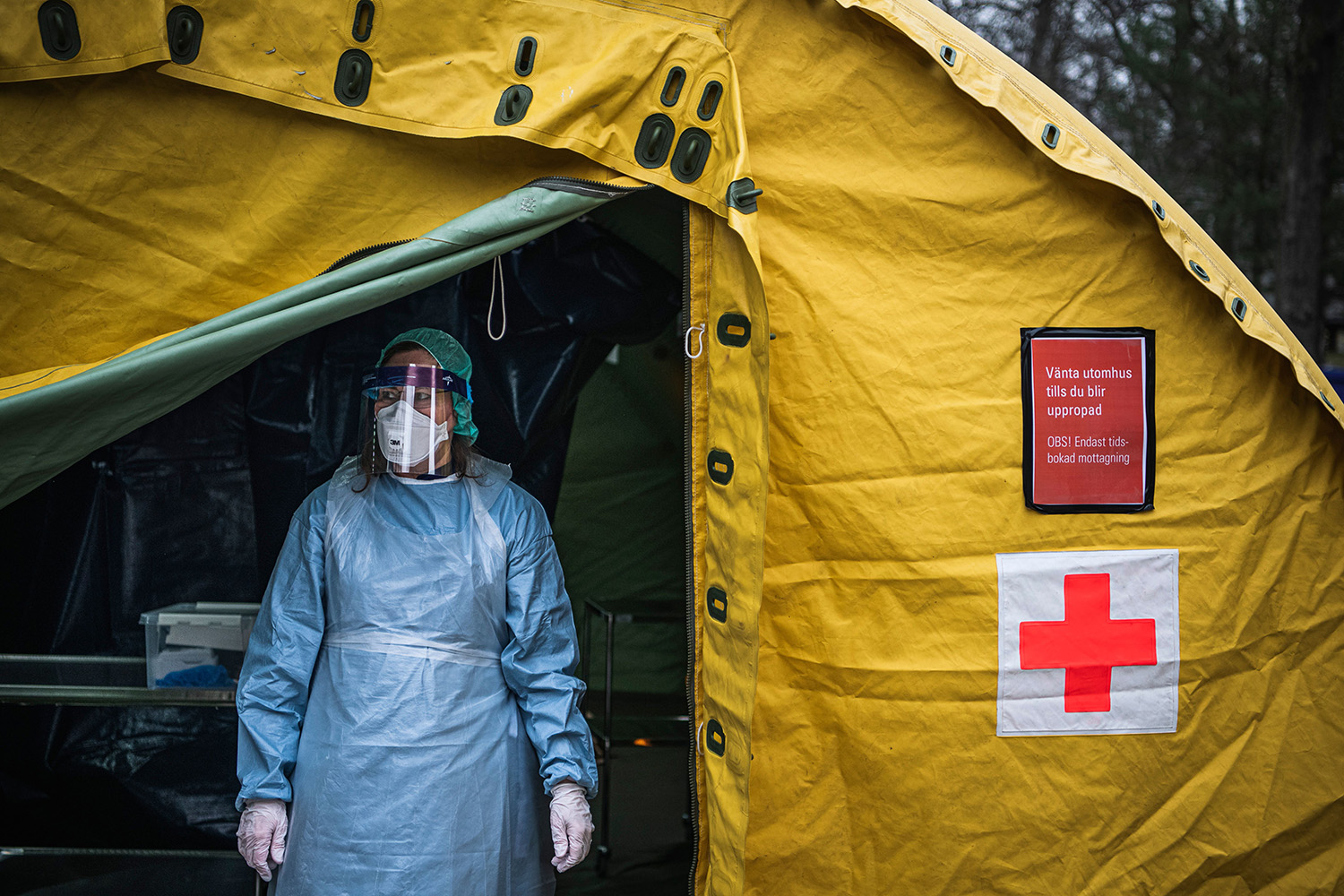
So how was it for Sweden? A big question for libertarians and plain old policymakers now that winter is coming and Covid hasn’t gone away is: are there any useful lessons from the one country with a reputation for compassion and common sense that didn’t lock down or even order people to use masks when the first wave hit? Is there a Swedish model for the rest of us to follow?
The short answer is no. The longer answer is: the Swedes do seem to have hoped, quietly, for herd immunity in exchange for a higher fatality rate than its neighbours early in the pandemic, but herd immunity from Covid is much harder to achieve than its state epidemiologists thought. So Sweden is now following its neighbours’ model rather than vice versa.
There are three big new stories out on Sweden, in Science, the Economist and the NYT. They show that:
- Sweden’s overall Covid fatality rate so far has been on a par with America’s and roughly ten times that of Norway and Finland;
- Anders Tegnell, Sweden’s chief epidemiologist, expected to see Covid antibodies in 40 per cent of Stockholm county residents by the end of May but the actual level was 6 per cent;
- Not locking down did not save Sweden’s economy, which shrank faster that its neighbours’ in the second quarter of the year, by 8.3 per cent.
- More than 40 per cent of Covid deaths in Sweden have been in care homes, suggesting a strategy of shielding the vulnerable while letting the rest of the country stick to business as usual didn’t work either.
To note: Tegnell denies pursuing herd immunity as policy but in emails with the head of Finland’s public health agency he did discuss keeping schools open as a way “to reach herd immunity faster”. He reckons about 20 per cent of Swedes have now been infected. Experts say that would have to double for herd immunity to kick in.
The readacross: in the US, Trump’s telegenic new Covid advisor, Scott Atlas, who is not an epidemiologist, has cited Sweden as a case study in the benefits of a light touch approach. He shouldn’t. In the UK, anti-government types have seized on an Edinburgh University remodelling of old Imperial College data to suggest, as the Telegraph put it, that “herd immunity could have saved more lives than lockdown”. Not so fast.
In the app today: read Alastair Campbell on the gathering storm of mental illness arriving with the second wave of Covid. Listen to the first installment of our new Behind the News podcast and to James’s voicemail about business, responsibility and the chumocracy at the heart of Britain’s government (more on all that at our Responsible Business summit next week). Read about our forthcoming Covid inquiry (because if the government won’t hold one, someone has to), and sign up for today’s lunchtime Sensemaker Live ThinkIn, when we’re talking about – and with – students in lockdown. Time for a refund?
Gas and money
It’s getting ugly between Gerhard Schröder, Alexei Navalny and Bild. Given they are loosely connected by a giant gas pipeline and a near-lethal dose of novichok, how could it be otherwise? The gist: Schröder, the former German chancellor, is suing Bild for publishing Navalny’s claim that Schröder is now Vladimir Putin’s “errand boy” in his role as chairman of the shareholders’ committee of the Nord Stream pipeline. Schröder, who has said there’s no evidence for Navalny’s claim that Putin ordered his poisoning last month, says Bild never came to him for comment. The bottom line: the poisoning was an outrage. Europe is flailing for an adequate response. Scrapping Nord Stream would tick that box, but Schröder is merely the tip of an iceberg of German vested interest in his country’s dependence on Russian gas.
Amazing hydrogels
Injuries that cut or crush nerves can disable, paralyse and cause chronic pain. At present this sort of damage is hard to treat, with repeat surgeries and long recovery times if treatment is possible at all. But scientists in China have discovered that advances in the world of flexible electronics could provide a solution. They have developed a hydrogel – a stretchable polymer capable of conducting nerve impulses – to fix damaged sciatic nerves in toads and rats. Within a fortnight, nerve signals in the animals were restored and their mobility improved. What works in rats often doesn’t in humans, but this surely counts as progress.
A UK carbon tax?
Rishi Sunak, chancellor and PM-in-waiting, is attracted by the idea of a carbon tax at £75 per tonne, the Times reports. He’s been told it could raise £27 billion over ten years and be a win-win-win by raising money without raising income tax and at the same time incentivising a green energy transition. No serious climate watcher disputes the need to price carbon properly – and that means at about the £75 level. But opting for a carbon tax over the EU’s emissions trading scheme of which the UK is a part until 31 December means prioritising revenue over lowering emissions. Granted, Sunak needs both, but if politics is about choices we can see which way he’s leaning.
Long Covid clinics
For some Covid sufferers, fatigue, breathlessness and brain fog can linger on for months. In our Slow Newscast a few weeks ago, we spoke to a doctor from a rehabilitation clinic in the US offering specialist treatment for patients with ongoing heart, lung and cognitive problems. Soon patients across England will have access to similar rehabilitation services. NHS England is investing £10 million to establish clinics to treat the whole range of Long Covid symptoms, with respiratory specialists, physiotherapists and GPs on staff. Estimates suggest as many as 60,000 people in the country could be suffering from continuing symptoms more than three months after they fell ill with Covid-19. If £10 million is enough to go round, these clinics will be a lifeline for them.
Back on the beach
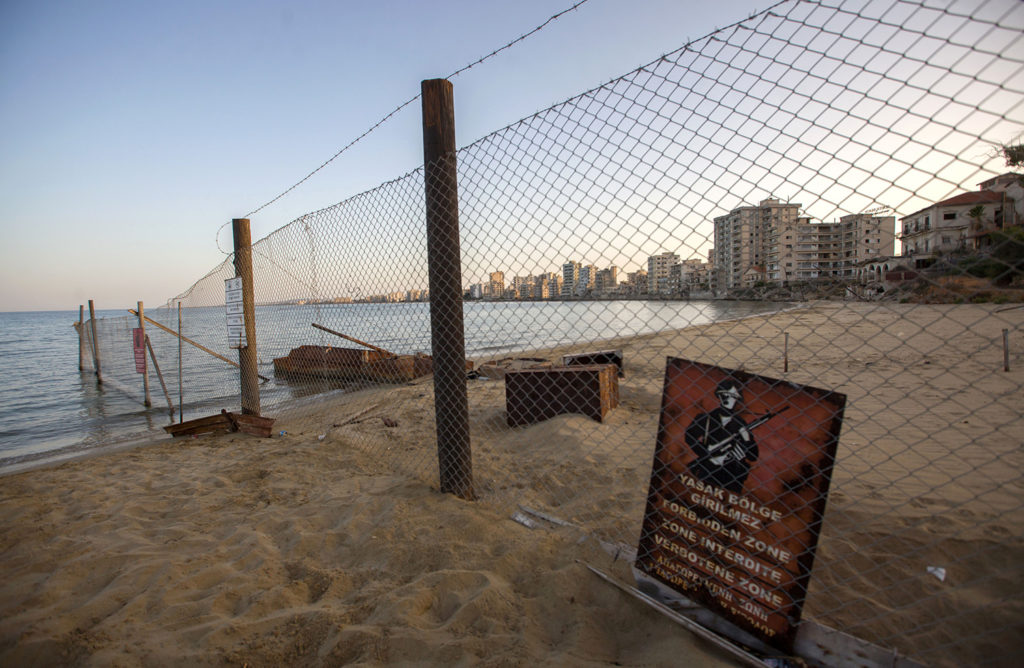
The Turkish Cypriot leader of northern Cyprus, who’s standing for re-election, has opened a once-famous beach to the public for the first time in 46 years. The beach resort of Varosha, a suburb of Famagusta, was abandoned by its mainly Greek inhabitants when cordoned off by Turkish troops in 1974. It’s been alone with the wind and weeds ever since. Now Greece and Turkey are in an increasingly tense stand-off in the eastern Mediterranean and Ersin Tatar, prime minister of the self-declared Turkish Republic of Northern Cyprus, saw political hay to be made by letting voters back onto the beach in defiance of UN resolutions and the government of the rest of Cyprus. That government is internationally recognised. Whoever wins the election in the north on Sunday won’t be.
Thanks for reading, and do share this around.
Giles Whittell
@GWhittell
Ella Hill
@_EllaHill