Sensemaker Daily

What just happened
- Hong Kong’s entire democratic opposition resigned after four of its members were expelled from parliament under a new Chinese law.
- The UK economy grew by a record 15.5 per cent in the third quarter of the year, but remains 10 per cent smaller than before Covid.
- Italy recorded its millionth Covid case as the death toll in the UK passed 50,000.
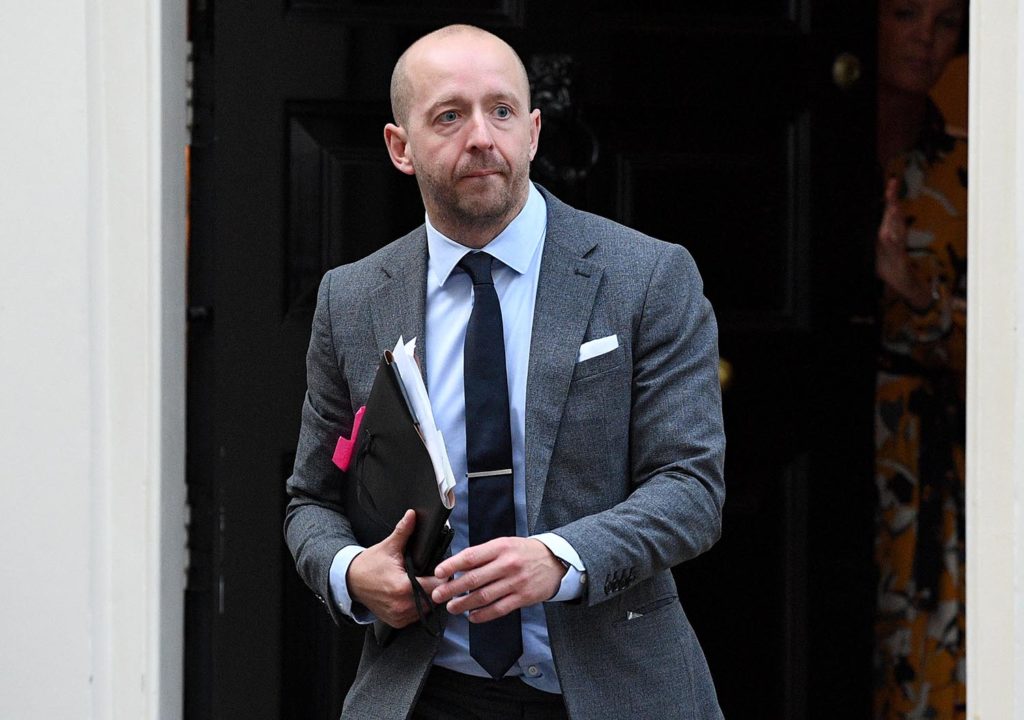
A loyal aide to Boris Johnson has quit, and the consequences could be big.
What happened? Lee Cain, a Brexit stalwart and a former Mirror reporter, resigned as Johnson’s director of communications after being offered and then denied the post of chief of staff. Cain effectively ran the country when Johnson was ill with Covid and was credited with being one of the few people who could force him to make decisions. But a large gang of rivals, backed by exasperated Tory MPs, was dismayed by the idea of Cain joining his old Vote Leave comrade Dominic Cummings at the apex of the Downing Street operation. They protested and prevailed. Cain will leave at the end of the year.
So what? There are several reasons to think of this as more than – as Labour put it – rats fighting in a sack:
- Brexit. A big Brexit reality check looms, no deal with the EU has been agreed, and as Cain leaves a new faction that takes a pragmatic rather than a kamikaze approach to leaving Europe will gain visibility and influence. Its faces include James Slack as the new head of comms (he used to work for Theresa May), and Allegra Stratton, the former ITV national editor, as press secretary. Stratton has been in Downing Street for two weeks and has not spoken to Cain. It’s been that bad.
- Optics. This government’s communications have been disastrous when they needed to be clear, calm and honest. Johnson has found himself unable to time the announcement of his second Covid lockdown; in a losing PR battle with Marcus Rashford over free school meals; in a briefing U-turn over his Covid vaccine supremo, Kate Bingham; and scoring a bizarre own-goal over a congratulatory tweet to President-elect Biden, which appeared to have been drafted initially to congratulate a two-term Trump. Slack and Stratton can hardly do worse.
- Grip. This was the Blairites’ favourite word for what you need to run a country. They had it. Team Boris doesn’t. A year after winning an historic 80-seat majority it has shredded civil service morale, lost the confidence of its own party and slumped from a 20 point lead to a 5 point deficit in the YouGov voting intention tracker poll. This is the context of Cain’s departure, best seen as an intervention by the parliamentary party to rescue a PM it sees as captured by his own appointees. It may also be the revenge of senior ministers enraged by leaks they blame on Cain.
- Carrie. Carrie Symonds, Johnson’s fiancée and a former head of comms for the Tory party, has been named as a powerful voice against Cain’s promotion. Hitherto she’s been largely off limits even for ravenous Westminster reporters. Not anymore.
- Biden. It’s possible that Johnson’s tortured decision to cut Cain loose has nothing whatever to do with the arrival in DC of a collegial president-elect who likes international cooperation and dislikes Brexit. But unlikely.
What next? There are rumours that Cummings and other prominent Vote Leave veterans could follow Cain out of Number Ten. Tactically, that might be smart. It would leave someone else to explain Kent’s new role as a truck park after 31 December.
Free Britney
Britney Spears has failed in a bid to remove her father from a conservatorship through which he oversees nearly every part of her personal life and $60 million fortune. Spears, who’s 38, has lived with this arrangement since suffering a public breakdown over a decade ago. She has continued to perform (playing nearly 250 shows between 2013 and 2017, and earning $500,000 a time) without being able to freely spend the money she makes. Her worried fans spearhead the #FreeBritney movement and fastidiously study her Instagram posts for clues about her wellbeing. The ACLU has even offered to help her regain her civil liberties through the courts, but the story is complex, not least because she has two teenage children and even her most committed fans don’t really know what’s going on. They do know this: what’s happened to the woman who revived teen pop is… sad.
First, ventilate
Research published yesterday in Nature found an easy way for restaurants to reduce their customers’ risk of catching Covid by 80 per cent. Just limit occupancy to 20 per cent of pre-Covid capacity. Right. Thanks. Or switch to takeaway only, or wait for a vaccine. This kind of research must drive restaurateurs crazy, but there’s no way around it: judging by this study’s very large sample size, restaurants are by a long way the riskiest places to hang around. They’re four times riskier than gyms, which are next on the list. Eat Out to Help Out is not looking such a brilliant idea.

China’s glaciers
Brace for misery if you like ice. The glaciers of the Qilian mountains in north-eastern Tibet, which used to be called the third pole because they were so long and deep, shrank 50 per cent faster between 1990 and 2010 than they did between 1956 and 1990. It’s part of a pattern. It’s grimly familiar. It also means long-term water shortages for a large part of the Yangtze basin, and, in the medium term, flooding as the ice melts.
Vaccines latest
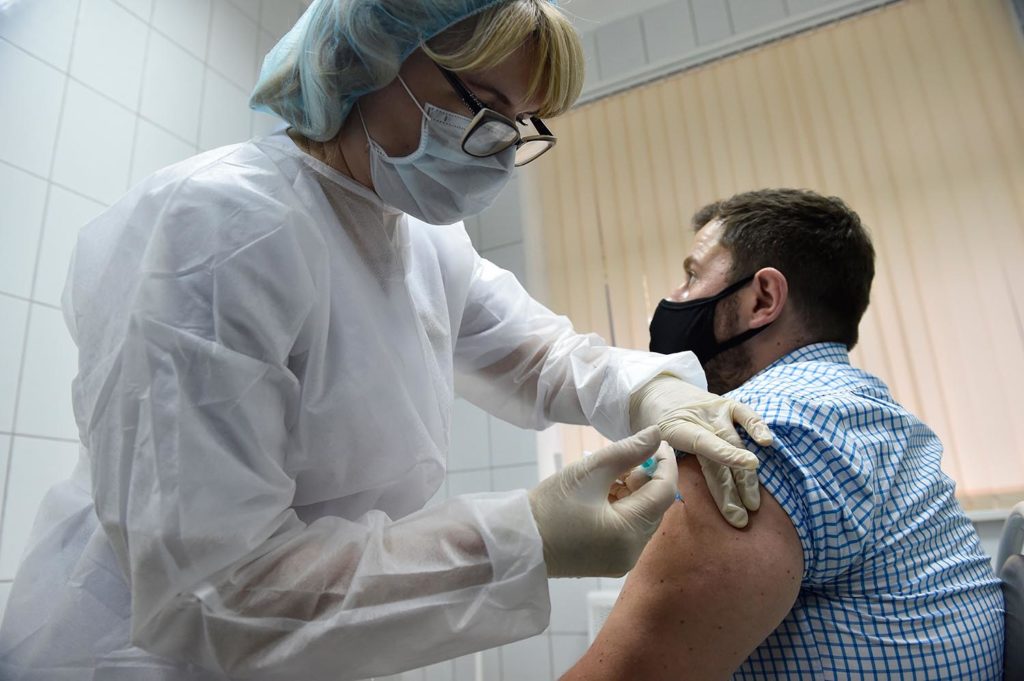
News from the further reaches of the rush to produce Covid vaccines is not all good. In Brazil, President Bolsonaro’s government has ordered a temporary halt to a Chinese trial because of a “severe adverse incident” that seems to have more to do with politics than health. The governor of Sao Paulo wants to take the credit if the trial is successful, and to run for president against Bolsonaro. Bolsonaro seems prepared to shut the trial down to foil him. In Russia, officials say their Sputnik V vaccine is 92 per cent effective, but no peer-reviewed studies of its efficacy have been published and at least four health workers who have received it have fallen sick with Covid. “This is not a competition,” one British expert told the BBC. Except it is.
Racism in the UK
A new parliamentary report responding to this year’s Black Lives Matter protests finds that more than 60 per cent of Black people in the UK – and 78 per cent of Black women – don’t believe their health is as protected by the NHS as the health of white people. The report looks closely at the deaths of ten women who died with Covid between March and May, eight of whom were in the third trimester of pregnancy and seven of whom were from Black, Asian and minority ethnic groups. Extensive research on maternal mortality over the past two decades shows that Black women in the UK are five times more likely to die during childbirth than white women, and that gap is widening. But the research has resulted in little more than political grandstanding. Perhaps now would be a good time for policymakers, at last, to act.
Thanks for reading, and do share this around.
Giles Whittell
@GWhittell
Additional reporting by Xavier Greenwood and Nimo Omer