Sensemaker Daily



What just happened
- Karim Ennarah and two other Egyptian human rights campaigners were freed from detention in Cairo after an unprecedented international campaign for their release.
- Bangladesh sent 1600 Rohingya refugees from Cox’s Bazar to Bhasan Char, an island in the Bay of Bengal recently formed by Himalayan silt.
- Arsenal beat Rapid Vienna 4-1 in the first match to host fans at the Emirates (2,000 of them in a 60,000-seat stadium) in 271 days.
With apologies to non-UK readers, we return again to the now desperately urgent question that will decide the fate of this stressed out country off Eurasia’s northwest coast:
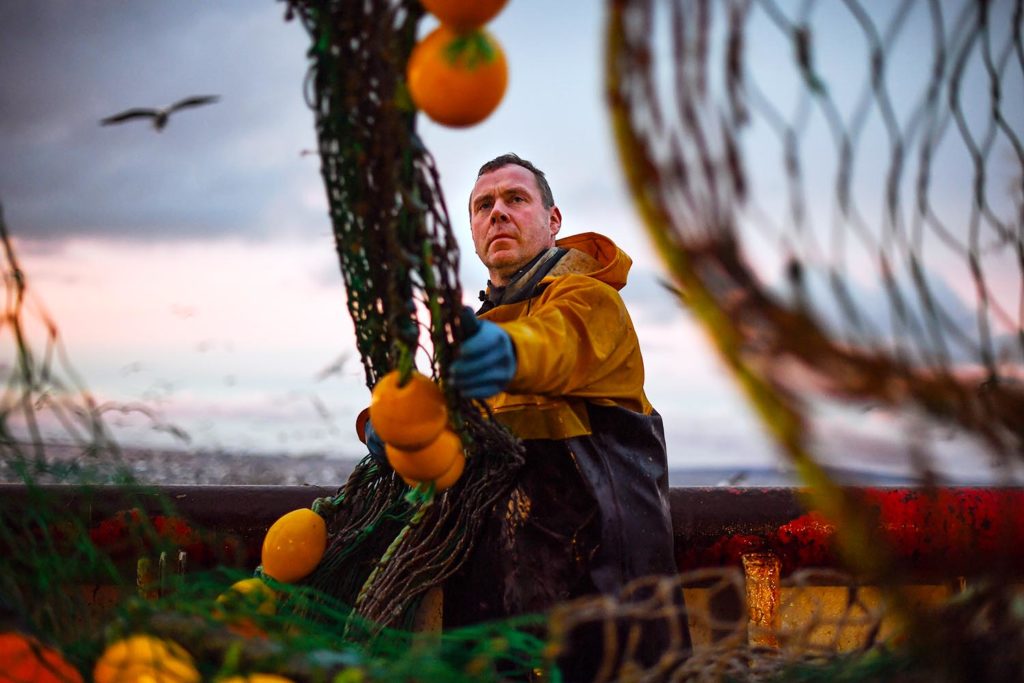
Three years ago Liam Fox, Theresa May’s trade secretary, said an EU-UK trade deal would be “the easiest in human history”. It’s not turning out that way. This is because while most trade deals are between countries that start apart and want to come together, as Sir Ivan Rogers reminded Tortoise last week, this is the reverse.
The latest. Takeaway food was last night seen being carried into the London talks where Michel Barnier and David Frost are still trying to craft a deal on the basis of fundamental disagreement. They don’t have long. Two hard deadlines loom. One is a vote in Westminster on Monday on the UK’s Internal Market Bill, which will contain reinserted clauses asserting the right to violate the EU Withdrawal Agreement. The other is this year’s last EU Council meeting next Thursday, when any deal will have to be ready for heads of government to read in their own languages.
What chance? Both sides say a deal’s still possible despite French-led warnings to Barnier not to concede too much; and claims (denied) of last-minute new demands by the EU; and rumours (not denied) that instead of the sort of deal on the table France would now prefer no deal, a period of pain, and fresh talks next year with a chastened Britain. All this could be seen as standard brinkmanship, but for…
The context:
- “Significant divergences remain,” says Stefaan de Rynck, Barnier’s senior advisor. That’s because divergence is the whole point of Brexit, and divergences on fish, state aid and dispute resolution, for example, tend to reinforce each other. They are just as likely to widen as to narrow in what little time remains this year, and after that.
- France is resisting divergence in specific ways. On fish, it wants to keep access to UK waters over which the UK wants full and exclusive control. Fish are fungible, but on state aid France wants a new British regulator set up in advance to police the UK’s adherence to whatever might be agreed. It also wants “ratchet clauses” to prevent Britain diluting labour and environmental regulations for competitive advantage.
- Such demands enrage Conservative sovereignty absolutists for whom no continuing European veto over any area of British policy is acceptable under any circumstances. Steve Baker, chairman of the European Research Group, says if he sees any such thing in a deal put before parliament he will tour the TV studios to denounce it. Johnson wants to avoid that. His party management strategy since taking office in Number Ten has been always to appear the most hardline Brexiteer in the room, whether he really is or not.
There’s a way through this morass. Both sides could compromise now, agree a skeleton deal and work constructively to flesh it out next year and beyond. That may sound sensible, pragmatic and even British. But no one should count on it, for all the reasons Brexit became real in the first place.
Back to Liam Fox. In the interview in which he foresaw the easiest trade deal in history, he also said: “The only reason we wouldn’t come to a free and open agreement is because politics gets in the way of economics.” Precisely.
The Max is back
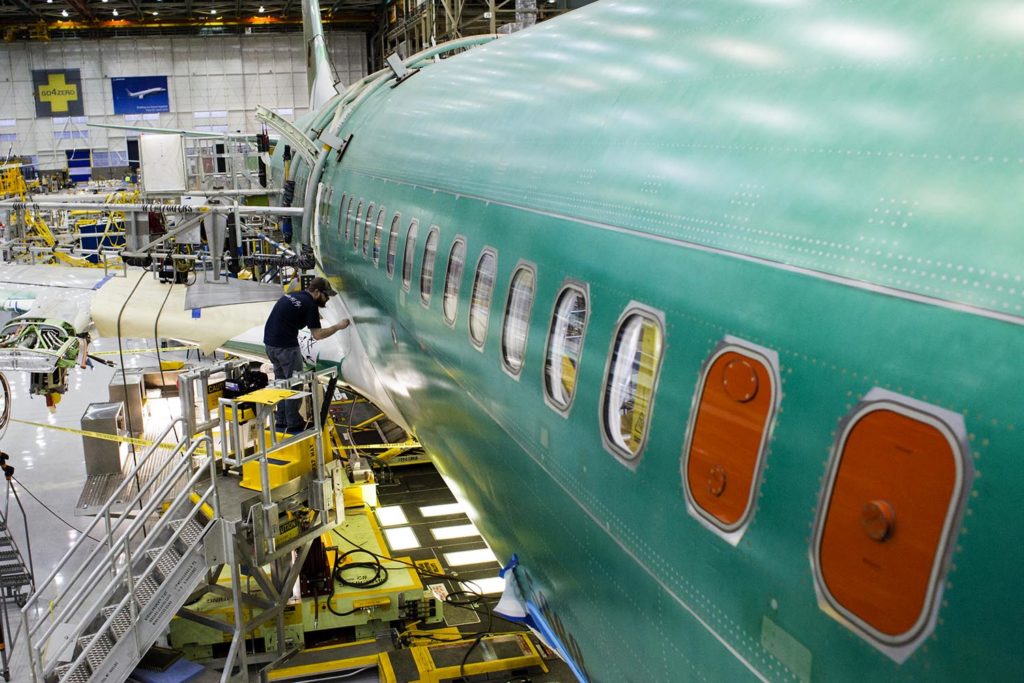
The $22 billion Ryanair deal for 75 new Boeing 737s is interesting on many fronts. It was originally for 135 planes. To go down to roughly half that says something about how Michael O’Leary, the Ryanair boss, sees the future of air travel post Covid. It’s an expression of faith in the plane, in Boeing and in the Federal Aviation Administration in the US, all of which took huge and deserved hits to their reputations after two 737 Max 8 crashes in the space of five months killed 346 people in 2018 and 2019. It’s a sly piece of rebranding – neither Boeing nor O’Leary is calling it the Max 8 anymore even though at least in terms of its controversial squat shape it’s the same plane. And it’s a reminder of how budget airlines work. They try to use one aircraft type only to cut maintenance costs and generally keep things simple. This is the model pioneered by Southwest Airlines in the US and copied by Ryanair. Both have done well by 737. Let’s hope it works out for their passengers too.
Cold cases
It’s not just hospitals, politicians and the weary public who want to get hold of the Covid vaccine, but the Mafia too. That was the warning on Wednesday from Interpol, which told its 194 member countries that criminal networks were eyeing up supply chains. Then yesterday IBM researchers revealed that a global phishing campaign – suspected to be the work of a nation state – had been targeting organisations associated with the cold chain of Gavi, the alliance which helps distribute vaccines to the world’s poorest countries. For a while yet, because of limited and uneven supply coupled with huge demand, vaccines will be gold dust. And the cold chain, which keeps them at the right temperature as they are moved around, will be among the world’s most critical infrastructure. The companies storing and moving these vaccines need to heed these warning signs as everything gets real.