What just happened
- Downing Street indicated it had no plans to scrap the five-day Christmas easing of Covid rules despite criticism by a doctors’ association of the “kamikaze Christmas Covid plan”.
- The Better Cotton Initiative stopped certifying cotton farms in Xinjiang after reports of Uighur Muslims being forced to pick cotton there while held in labour camps.
- Senate majority leader Mitch McConnell recognised Joe Biden as US president-elect, six weeks after the election.
No white smoke, but there are signs a deal is closer than Downing Street is prepared, at this stage, to admit. Jacob Rees-Mogg, leader of the House of Commons, has told MPs to be ready to sit next Monday, Tuesday and Wednesday and possibly on Christmas Eve as well. (See also Wealth, below.)
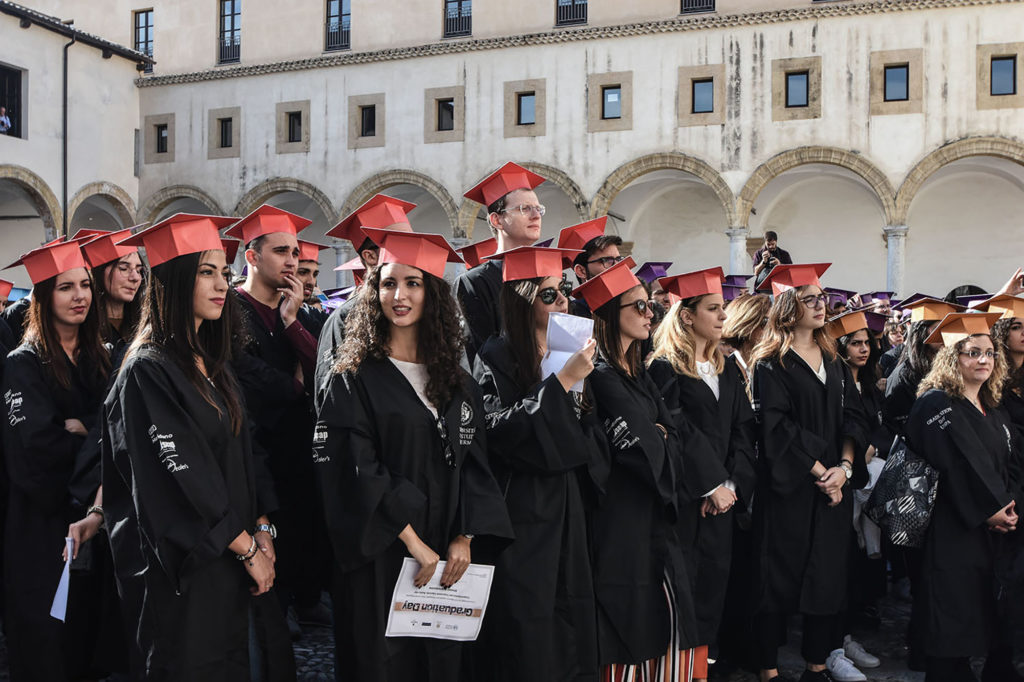
Erasmus plus. Or minus. Meanwhile it’s worth paying attention to the strange argument being conducted as a sideshow to the main Brexit talks over the EU’s popular university exchange scheme. Three options have been debated: 1) continued UK membership of what is now known as Erasmus+ on standard terms offered to non-EU members; 2) continued membership on special pay-as-you-go terms; or 3) no membership at all.
1 and 3 are on offer to the UK. 2 is not.
The scheme. Erasmus+ enabled 17,000 UK students to study in Europe last year, and 32,000 students from EU countries to study in the UK, all on EU grants from the scheme’s €14.7 billion budget. Universities UK says incoming Erasmus students contributed £243 million to the economy after membership costs, currently about £180 million a year. Membership also gives access to the €100 billion Horizon Europe research fund.
Here’s Tortoise’s Patricia Clarke on her Erasmus experience:
“I did my undergraduate degree at Warwick and it was really as simple as filling in a form, ticking a box to say I wanted to go to Paris and then being shipped off to the Sorbonne – and being granted £3000 to do so. It’s hard to talk about without sounding painfully cheesy but it absolutely changed my life. I became fluent in another language, academically I was able to explore things I otherwise wouldn’t have (like francophone literature and film) and I made friends from all over the world. I had a fairly international upbringing but had dozens of friends for whom it was their first opportunity to live abroad both for cultural and financial reasons.”
The EU offer. Britain could continue to participate regardless of the outcome of trade talks, as long as it signed up to the whole scheme for seven years at a time. Other countries that do this include Norway, Serbia and Turkey.
The UK ask. To be allowed to sign up for fewer than seven years and participate only in what it deems to be in Britain’s interests – including undergraduate exchanges but excluding for example “cooperation actions” on things like diversity.
The response. Nope. Michel Barnier, the EU’s chief Brexit negotiator, has ruled out Erasmus cherry-picking.
British ministers have floated a global student exchange programme run by the UK as an alternative to Erasmus membership but as Thomas Jorgensen of the European University Association has pointed out there is nothing to stop the UK having both.
To note: the programme’s latest seven-year plan, starting next year, involves doubling its budget and tripling its number of participants to 12 million a year. The idea is for it to be more inclusive, taking students from more disadvantaged backgrounds. And there’s another thing, noted by Germany’s education minister, Anja Karliczek: “We want to generate enthusiasm for Europe.”
Heaven forfend.
Oil rigs as ships
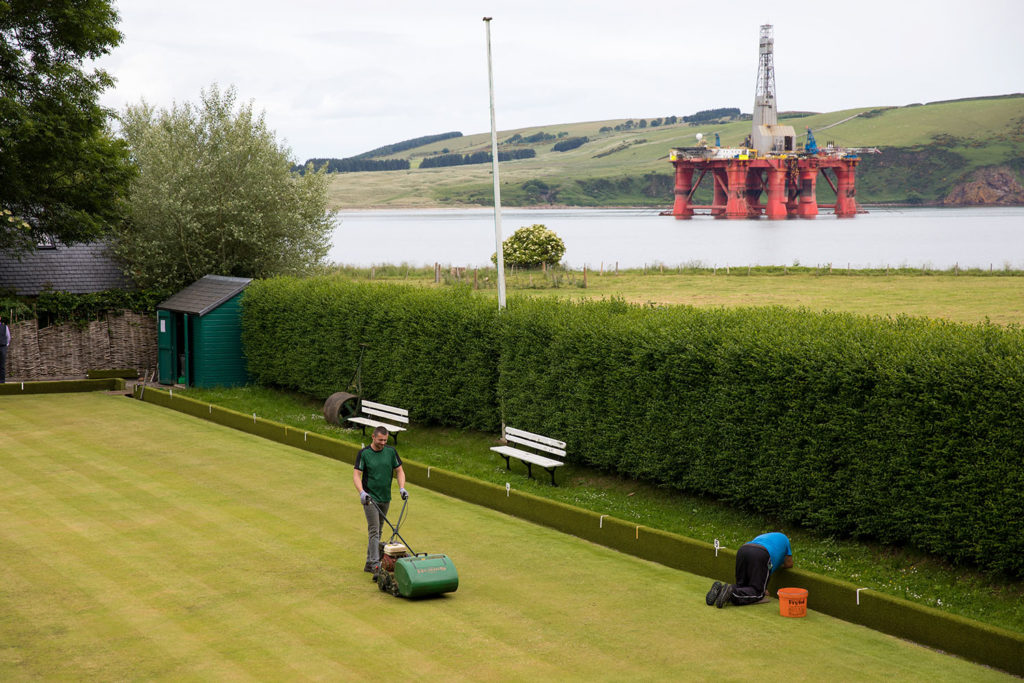
Remember divergence? How could anyone forget. One proposal leaked to the FT for exploiting post-Brexit freedoms in the event of no deal or a loose deal is to rewrite the rules for shipping registration in the UK so that, among other things, oil rigs could be registered as ships (£). A bright spark involved in Brexit “blue-sky thinking” tells Peter Foster this and other tweaks to the legislation could bring in £3.7 billion over three years. Will it happen? Rule nothing out, but the main point of the leak seems to be to get the dread word “Singapore” back into the papers (as in “plans to turn London into a rival of Singapore as a hub for shipping companies”) as a reminder to Michel Barnier that even though the UK would never enter a regulatory race to the bottom after the transition period, it could change its mind.
That Google outage
Most services Google operates for the general public, including Gmail and YouTube, went down for about an hour on Monday. Then there was another, smaller outage yesterday. About 18,000 people lost the use of Gmail for two hours in the afternoon (East Coast time). Both interruptions were attributed to “internal storage quota” problems. I have only questions. What is an internal storage quota? Where are the servers that do all this work for us when they’re not playing up? Were they hacked? Does Google have its own MI5 to prevent this sort of thing happening most of the time? Do heads roll when prevention fails?