Sensemaker Daily


What just happened
- The Pentagon said it was screening National Guard troops responsible for security at Wednesday’s presidential inauguration to make sure they were not a threat.
- Twelve gold miners trapped underground after an explosion in eastern China sent a note to the surface asking for painkillers and other medicines.
- Yulia Putintseva, the Kazakh women’s tennis number two, posted a video of her playing a 28-shot rally against an upturned mattress in her hotel room in Melbourne, where she and 71 others are in hard quarantine for two weeks before the Australian Open.
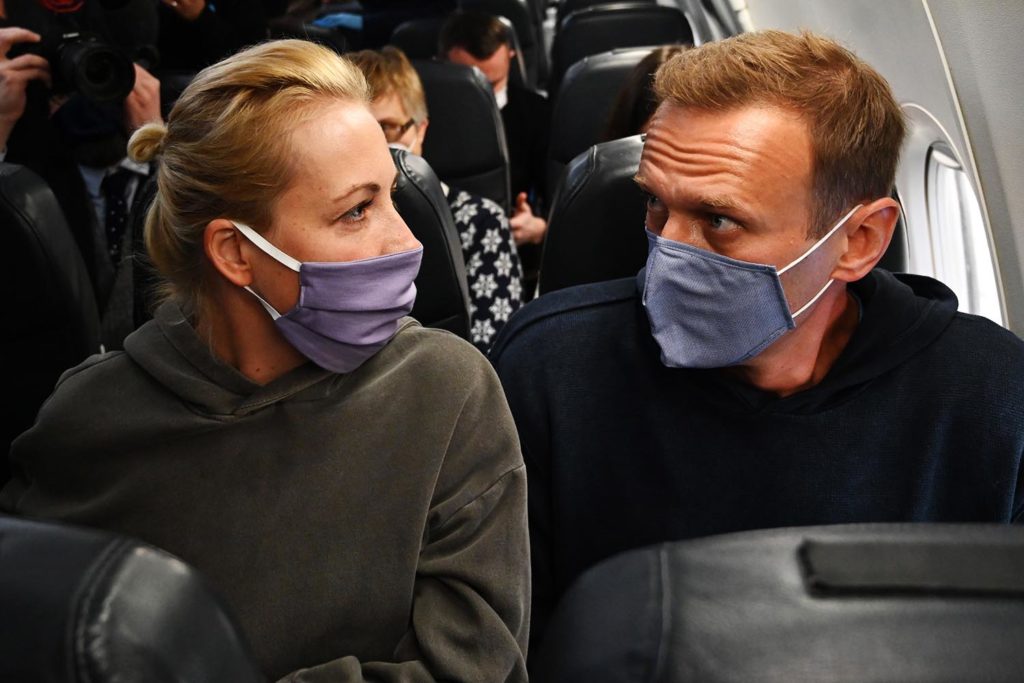
Alexei Navalny kissed his wife. She stroked his face – a moment of remarkable tenderness considering the masked police looking on – and then they led him away. The immediate detention of Russia’s de facto opposition leader on his return to Russia yesterday, five months after being poisoned in Siberia, was unsurprising but still a brazen international provocation. At least it didn’t go unnoticed:
- Jake Sullivan, Joe Biden’s incoming US national security advisor, said the arrest was “not just a violation of human rights, but an affront to the Russian people who want their voices heard”. We’ve not heard anything so direct or prompt or accurate about Russia from the White House in the past four years.
- The EU piled in behind a demand from Heiko Maas, Germany’s foreign minister, for Navalny’s immediate release. He called the arrest “utterly incomprehensible”. It isn’t. Navalny’s anti-corruption campaigning has won him a wide following, and his poisoning nearly made him a martyr. But at least Europe has responded more briskly to this outrage than to last year’s mass arrests of protesters in neighbouring Belarus.
- Despite Moscow’s first serious snowstorm this year, a big crowd gathered at Vnukovo Airport to welcome Navalny home – so big that his flight was redirected to Sheremetyevo for “technical reasons”.
Looking back: let’s not forget that Putin has always managed to surprise even his most worldly critics with the severity of his punishment for those who challenge him. Mikhail Khodorkovsky, who got ten years in jail, was one of the lucky ones. Navalny has been arrested many times before and usually released quickly, but the novichok nerve agent administered to his underpants, apparently by FSB agents, was undoubtedly meant to kill him.
Looking forward: Putin seems to have run out of patience with the man he calls “our famous blogger”. The Kremlin’s next formal vote of confidence comes in parliamentary elections in September, when its tame United Russia party will be required to win two thirds of the Duma’s seats even though it has the support of less than one third of Russian voters. Navalny could be detained at least until the elections, or worse.
Unless, unless sustained and unanimous western advocacy on his behalf makes Putin think twice. It hasn’t been tried for a while, and it just might make a difference.