Sensemaker Daily


What just happened
- Japanese officials reportedly conceded that the postponed Tokyo Olympics will have to be cancelled.
- The UK government is considering a £500 payment to everyone with Covid to encourage them to stay at home.
- A dog called Boncuk was reunited with her owner in the Turkish city of Trabzon after waiting from 9am to 5pm every day since 14 January outside the hospital where he was being treated for Covid.
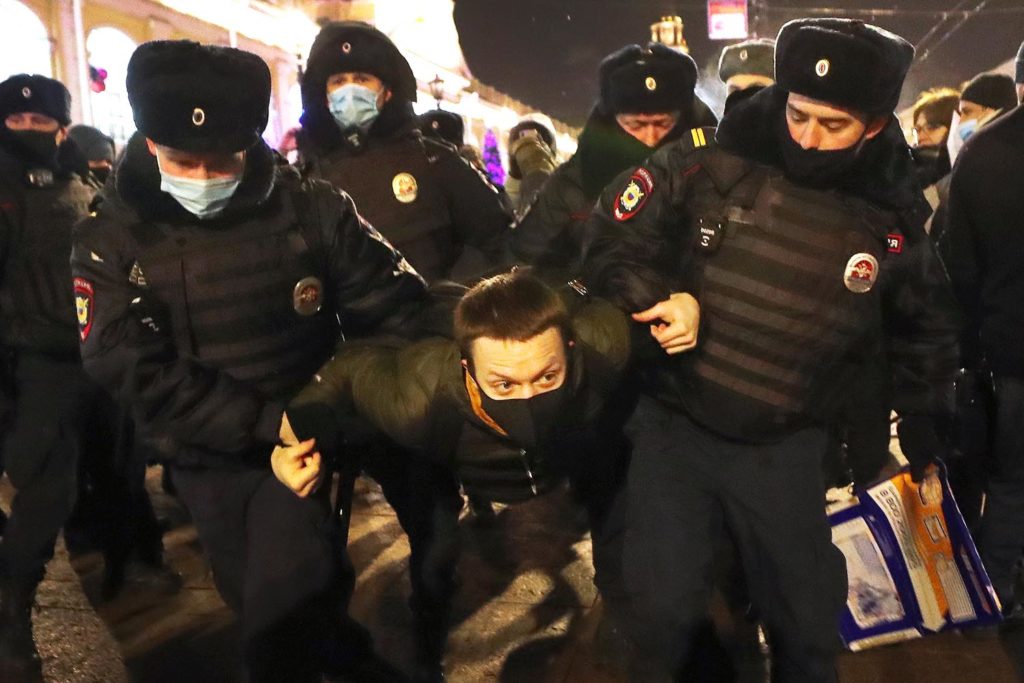
It’s been a while since Putin agreed to a trial of strength with the man who accuses him of rampant corruption, but there will be one tomorrow. The campaigner Alexei Navalny was detained on his return from Germany on Sunday. Key supporters have been rounded up after calling for protests demanding his release in more than 65 Russian cities. Mass arrests have been threatened if they go ahead, but the signs are they will anyway.
This has been a tricky week for Putin.
- The closest ally the Kremlin ever had in the White House has left – a strategic knock in itself and a reminder to autocrats everywhere that people power can work.
- Navalny’s embarrassing new film about a $1.3 billion palace built for Putin on the Black Sea had been seen by 20 million people on Russian YouTube within a day of its release and has now been viewed by more than 47 million worldwide. If nothing else, it has fuelled interest in TikTok videos urging young people to show up for the protests. Russian authorities have tried to take them down but they’ve still been viewed more than 200 million times.
- The European Parliament has called for personalised sanctions on everyone involved in Navalny’s arrest, and for the Nord Stream 2 pipeline that carries gas direct from Russia to Germany to be scrapped. The pipeline is 94 per cent built despite having been a chess piece in global geopolitics since its inception. It’s no secret that Angela Merkel would like it finished but she’s also led the charge for accountability for Navalny’s poisoning last year. She says she wants to talk to Biden before deciding on the next steps.
- The incoming Biden team has talked up a review the new president has ordered into Russian election interference, chemical weapons use and bounties on the heads of US soldiers. A “response to Russian aggression” is promised in the next few weeks. This is not the warm language of resets of most new administrations.
There is one concrete piece of consolation for Putin. Team Biden has made clear it wants a five-year extension to the New START nuclear arms treaty – which is exactly what Russia wants too. Trump’s outgoing arms negotiator has already accused his successors of squandering what leverage the US had, but the big picture is that having a treaty that limits stockpiles and allows inspections is better than not having one.
Final note: for the first time, after a good first year in office, Putin’s loyal prime minister Mikhail Mishustin is being talked about as a possible successor. Is it conceivable that Putin watched Trump fly off to Florida and thought fondly of his own place in the sun?
An honest wage
Unilever has promised that by 2030 everyone who directly provides it with goods and services will be paid a living wage. So far the announcement isn’t much more than an admirable pledge, but the company sits at the top of Tortoise’s R100 Index on sustainability because it often puts actions behind its words. The decision isn’t wholly altruistic of course: products marketed as “sustainable” sell 5.6 times faster by one estimate than those that aren’t, and workers paid a living wage are likely to work productively and consume the products Unilever sells. The policy also shouldn’t hit its bottom line hard – it already pays its own employees the living wage. Instead, the idea is it incentivises suppliers to pay workers enough for a decent standard of living. If it succeeds, it would be quite something.
Water futures
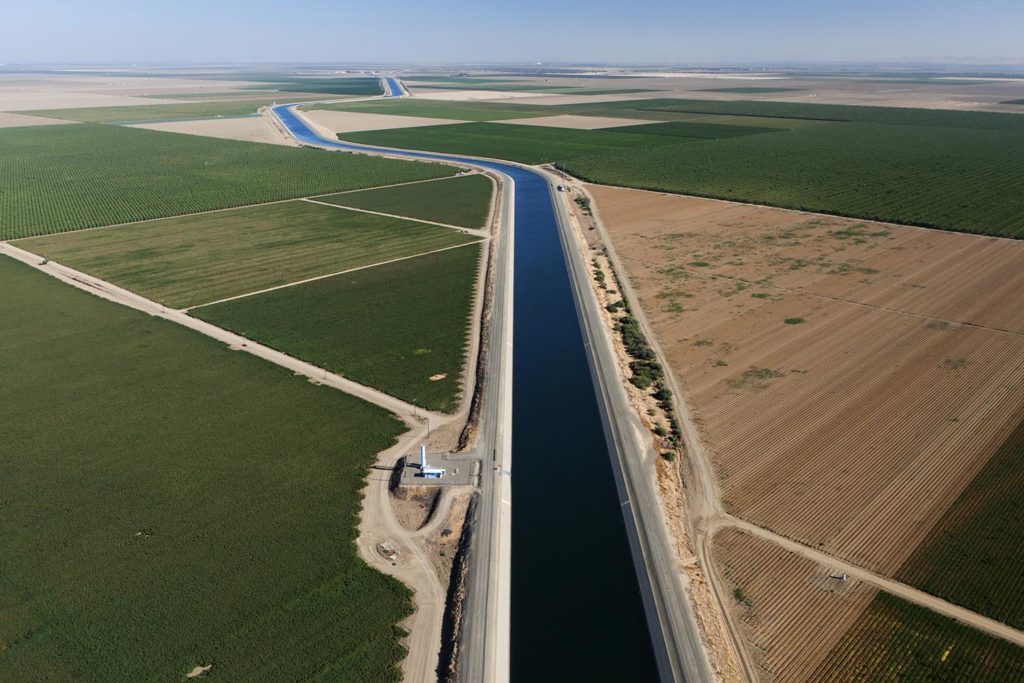
Are billionaires buying water with their pork bellies? California’s aqueducts are engineering marvels and defining features of its economy. For a long time they meant that there was always water from the mountains even though most of the state is semi-desert. But droughts are becoming the norm. Farmers in particular are struggling, and one solution now offered by market makers in Chicago is water futures: since last month it’s been possible to fix your water price months in advance if you see another drought coming. That’s the sell, anyway. Critics including senior people in the UN worry about the knock-on effects of treating water as an asset rather than a resource – effects like speculation and wild price spikes. Deutsche Welle has a good primer, and let’s not forget Michael Lewis’s closing line in The Big Short on Dr Michael Burry’s next worry after repackaged subprime mortgages. It was water.
Chinese renewables
China added more than half the world’s new renewable power capacity last year. The headline number was 132 GW and most of it was registered at the end of the reporting period with such a sharp uptick that analysts suggested Chinese officials had changed the way they counted their gigawatts. Most of the new capacity was wind (72 GW), followed by solar (48) and hydro (13), according to Bloomberg. For context, 48 GW of new solar is 24 times as much as the UAE will get from the biggest single solar farm yet financed anywhere. Renewables still account for no more than 10 per cent of global primary energy supply. That is rising fast, but so is China’s energy demand – so fast that it still relies on coal for 66 per cent of its energy compared with 26 per cent from renewables as of last November, the last date for which International Energy Agency figures are available. The signs are that this gap will narrow. It’s an important one to watch, especially between now and COP26.
Israeli intelligence
We are all hoping Professor Nachman Ash jumped the gun. He is in charge of Israel’s world-beating Covid vaccine rollout and he said this week that a single dose of the Pfizer vaccine – which for the time being is what a lot of people in the UK are getting – could be much less effective than hoped. Israel’s health ministry and the head of innovation at its biggest health provider jumped in to say Ash had been quoted out of context and that it was too soon to say how much protection the first dose provides by itself. It does seem that the immune response builds steadily over time, so that infection rates among those who have been vaccinated are diverging sharply – in a good way – from rates among those who have not. The optimistic view is that the divergence will continue and then at least hold steady. Let’s hope it’s right.
#MeToo in Greece
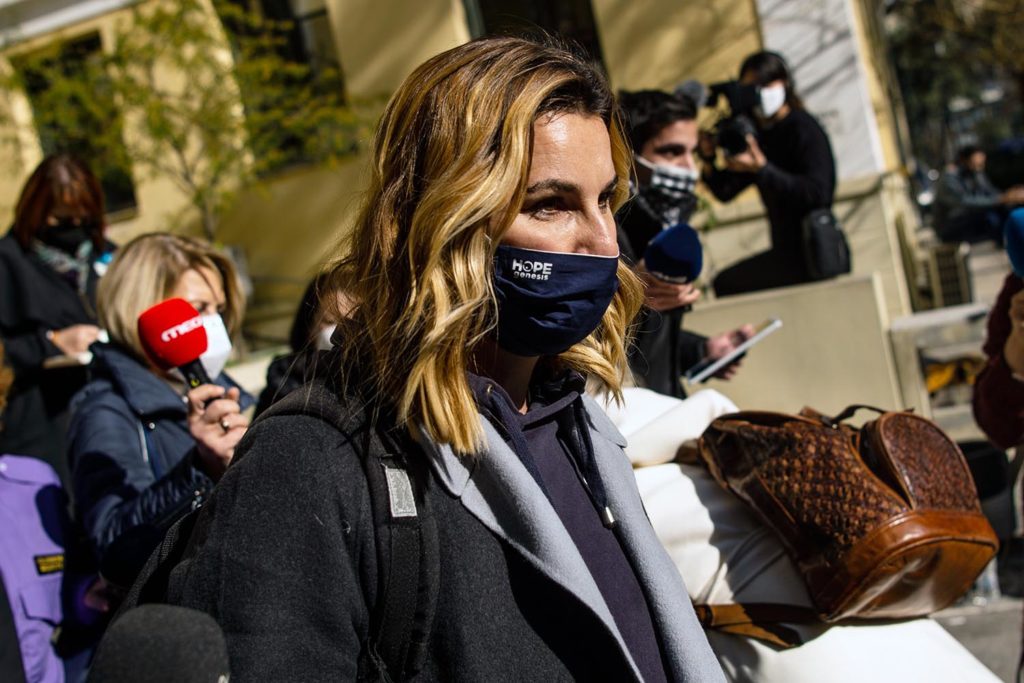
Sofia Bekatorou, one of Greece’s most successful Olympic sailors, revealed last week that she was sexually assaulted when she was 21 by a senior member of the Hellenic Sailing Federation. Her account of the assault, 23 years after the event, wasn’t widely reported at the time but has since prompted a series of similar disclosures and a meeting between Bekatorou and Greece’s president, Katerina Sakellaropoulou. The country’s conservative prime minister has praised Bekatorou for breaking a “chain of fear and silence”. The #MeToo movement had little impact in Greece when first gathered momentum in 2017, and an Action Aid report last year said nine out of ten Greek women had experienced some sort of sexual harassment at work. In a week of fresh starts, maybe Greece is due one too.
Thanks for reading, and do share this around.
Giles Whittell
@GWhittell
Ellen Halliday
@ellen_halliday
Photographs Getty Images