What just happened
- Students in England were told their public exam results this year will be decided by their teachers, not by algorithm.
- Alexei Navalny’s spokesman said Amnesty International had been drawn into a Kremlin-backed smear campaign after the human rights organisation withdrew Navalny’s prisoner of conscience status.
- A sailor who fell overboard in the Pacific survived for 14 hours by clinging to a buoy.
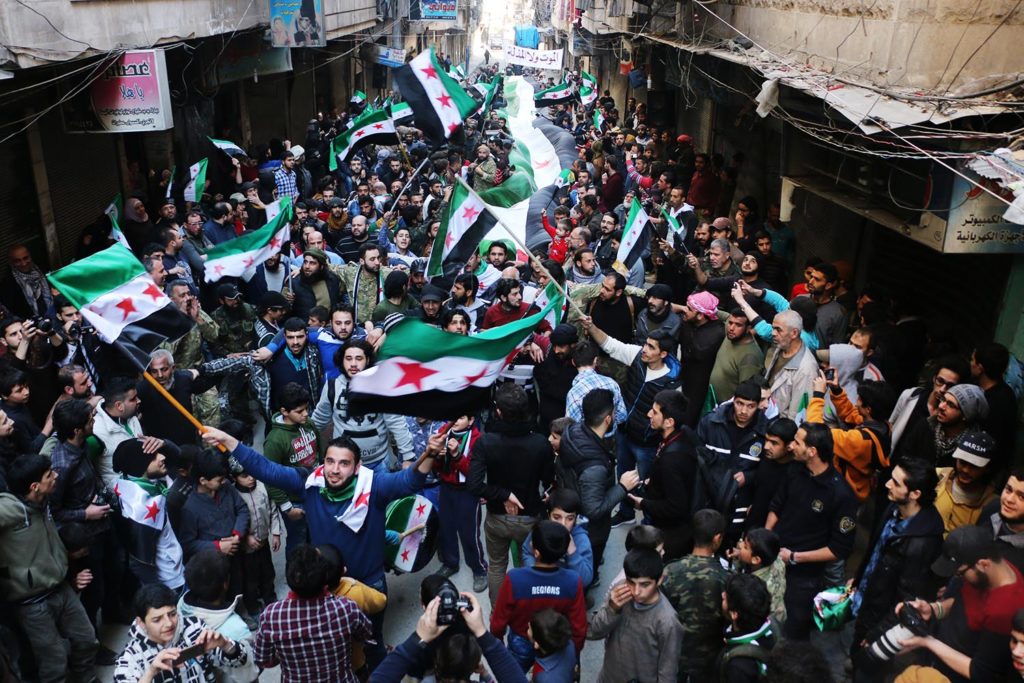
Ten years after the Arab Spring reached Syria, dissidence is crushed, Bashar al-Assad has won his uncivil war and outsiders have proved powerless to bring him or his enforcers to justice for crimes against humanity including torture on on industrial scale – except in Germany.
Yesterday a 44-year-old former Syrian intelligence officer became the first Assad functionary to be sentenced in Germany under the principle of universal jurisdiction. Eyad al-Gharib received a four-and-a-half year sentence from a court in Koblenz after admitting rounding up 30 pro-democracy protesters in 2011 and sending them to an interrogation facility in Damascus where he knew they would be tortured.
The sentence is a signal that “the time of impunity is over,” one Syrian activist said. It is that, but the bigger picture is bleaker for at least three reasons:
- Syria is not a party to the Rome Statute that underpins the International Criminal Court, making it extremely hard to prosecute war criminals there.
- Human rights lawyers including David Crane at Syracuse University have spent most of the past decade collecting evidence against Assad and his accomplices, without an obvious forum in which to present it.
- The ICC might have been that forum despite Syria’s refusal to sign the Rome Statute, but the UN Security Council would have had to approve, and Russia – Assad’s most powerful ally – has a veto on the council.
According to the Syrian Network for Human Rights more than 120,000 people have been lost to Assad’s extensive prison network since 2011, including more than 14,000 believed to have been tortured to death.
Germany isn’t the only country using the principle of universal jurisdiction to seek justice for crimes committed by foreign nationals on foreign soil – France and others have invoked it too – but no other country has devoted more resources to making it real. Witnesses were tracked down all over Germany to testify against al-Gharib, and a more senior co-defendant remains on trial. The elephant in the courtroom is Russia. For the principal accomplice in Assad’s decade of destruction, the age of impunity drags on.
Corporate tax yo-yo
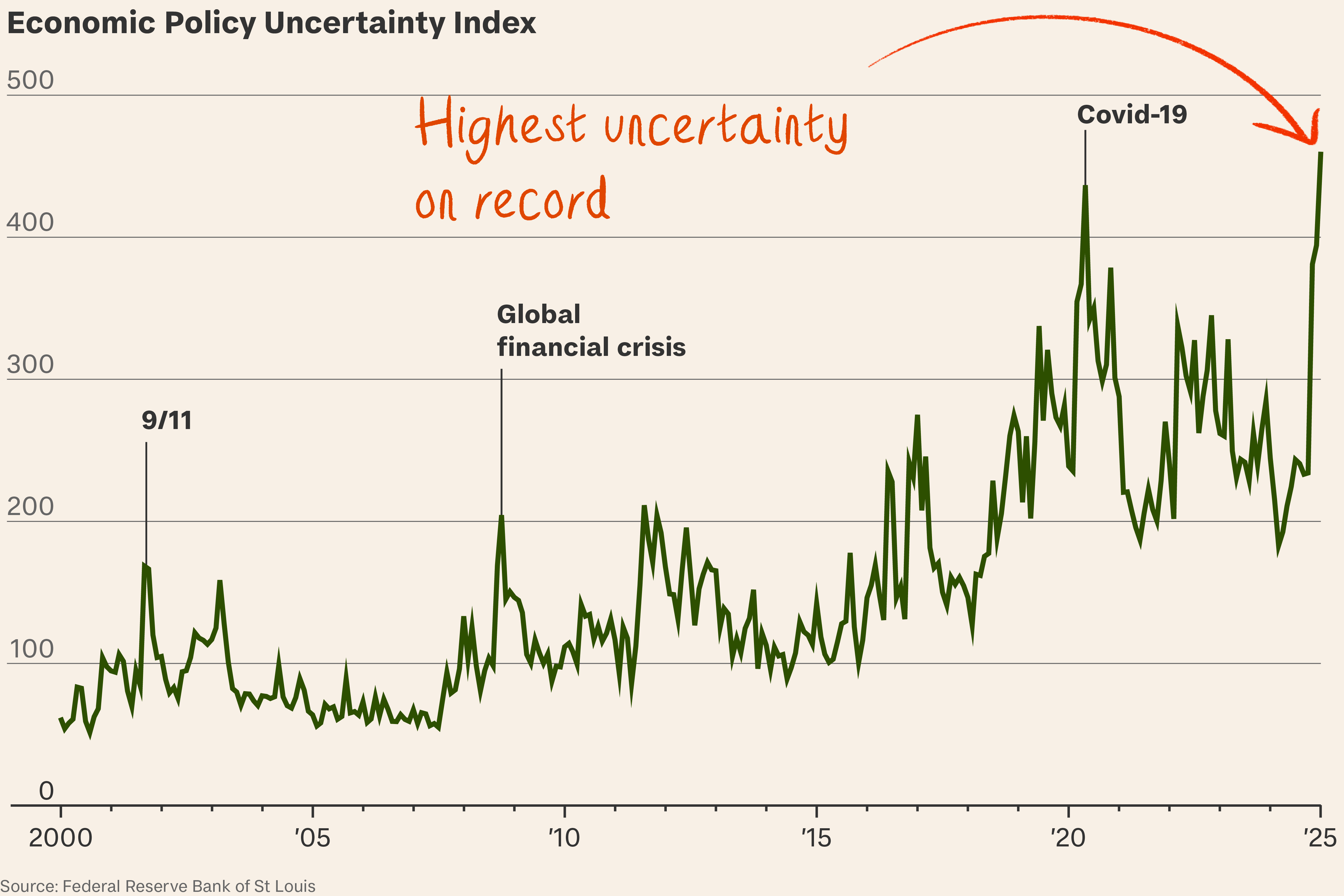
Osborne cut it. Sunak looks likely to put it back up. Faced with the Covid-sized bill we discussed last week in a special on wealth tax, the UK chancellor seems minded to start fixing the public finances not by taxing assets but by raising corporation tax from 19 per cent to 23 or 25 or higher, depending on which preview of next week’s budget you prefer. Assuming the briefings are broadly accurate, where does a big corporation tax hike leave Britain’s ambition to compensate for lost EU trade post-Brexit by wooing more direct foreign investment? And when corporate taxes go up, don’t smart multinationals simply book profits elsewhere? It will be interesting to see how keen the EU is nowadays to help the UK prevent businesses shopping around in, say, Luxembourg, Ireland and the Netherlands.
Failing “Ferrari”?
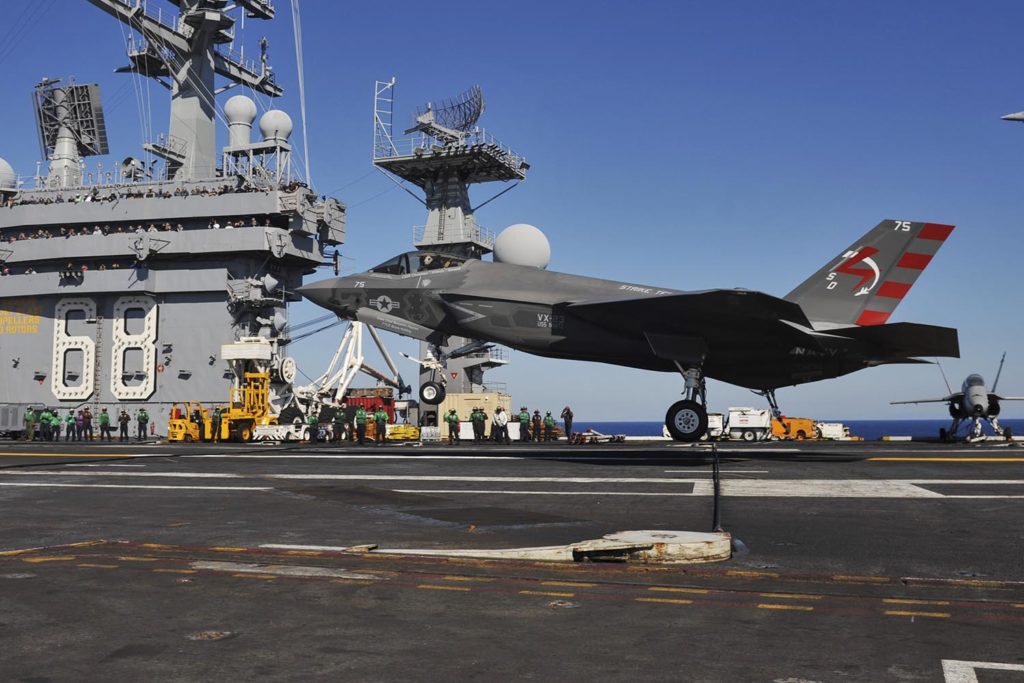
It’s tempting to join Forbes in gloating over recent remarks by the US Air Force chief of staff on the F-35 fighter. Last week General Charles Brown Jr. called the plane a Ferrari and said he wants to “moderate” its use. Forbes’ David Axe said this amounted to an admission that the F-35 had failed. The story of its staggeringly expensive development (about a trillion dollars) and stubbornly limited deployment has certainly been a doozy. The mission to produce an affordable, lightweight fighter to replace the F-16 has certainly morphed into something very different. But there’ll be no gloating here for two reasons: thankfully there hasn’t been a war in the past 20 years of the kind that might truly have tested the F-35’s abilities. And RT, Putin’s favourite foreign propaganda channel, is loving this story just a bit too much to pile in behind the “failed” verdict – yet.
Skinny bears
Polar bears are using up to four times as much energy to survive as they were half a century ago, because the retreat of arctic ice has undermined the basis of their “sit and wait” hunting technique. They have to swim, run and graze instead. Where they used to loll around ice holes waiting to grab calorie-rich ringed seals coming up for air, they now have to supplement their diet with caribou, snow goose eggs and crowberries, all of which require more effort. The story is based on a paper in the Journal of Experimental Biology that says Narwhals are in the same fix – although it’s less clear why. Narwhals need breathing holes which are apparently less predictably located as the ice recedes. But isn’t an ice-free ocean one giant breathing hole?
Covax at last
What to make of the pretty much wall-to-wall coverage of the arrival in Accra of a single container load of Covid vaccine? It’s the first delivered anywhere by Covax, the scheme funded by rich countries to make sure every country gets some vaccine regardless of means. Covax is distributing according to population, not viral burden, on the basis that no one’s safe until everyone is and the virus can flare up anywhere even if it hasn’t yet. This has to be a good thing, because if distribution was based on burden it’s hard to see Ghana getting much vaccine at all. It has logged 2,580 cases per million and a total of 584 Covid deaths, compared with over 87,000 cases per million and more than half a million deaths in the US. Mexico, for context, has recorded 15,876 cases per million and 74 times as many deaths per head as Ghana. It’s getting vaccine shipments too – from Russia.
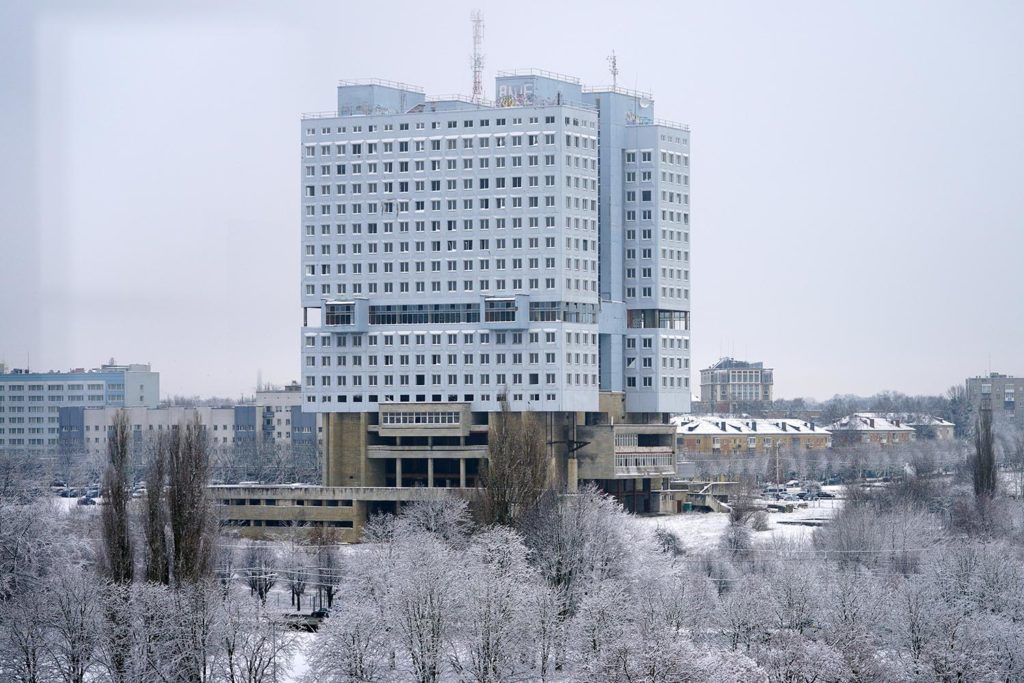
Brutal and condemned
Kaliningrad is like nowhere else. A Russian enclave on the Baltic, cut off from the motherland by Poland and Lithuania, it’s doomed to peer enviously over its borders at EU-style prosperity and freedom – at least until Russia’s next revolution. For a long time its isolation and heritage were encapsulated in a singular piece of concrete brutalism, the high-rise House of Soviets, with balconies like protruding eyes and what locals call a robot head. But it was so badly built that it was never occupied and now it’s been condemned. It will be demolished this spring, not without regret. As a waitress there told the NYT’s Andrew Kramer, “it’s ugly, but it’s ours”.
Thanks for reading, and do share this around.
Giles Whittell
@GWhittell
Photographs Getty Images