
What just happened
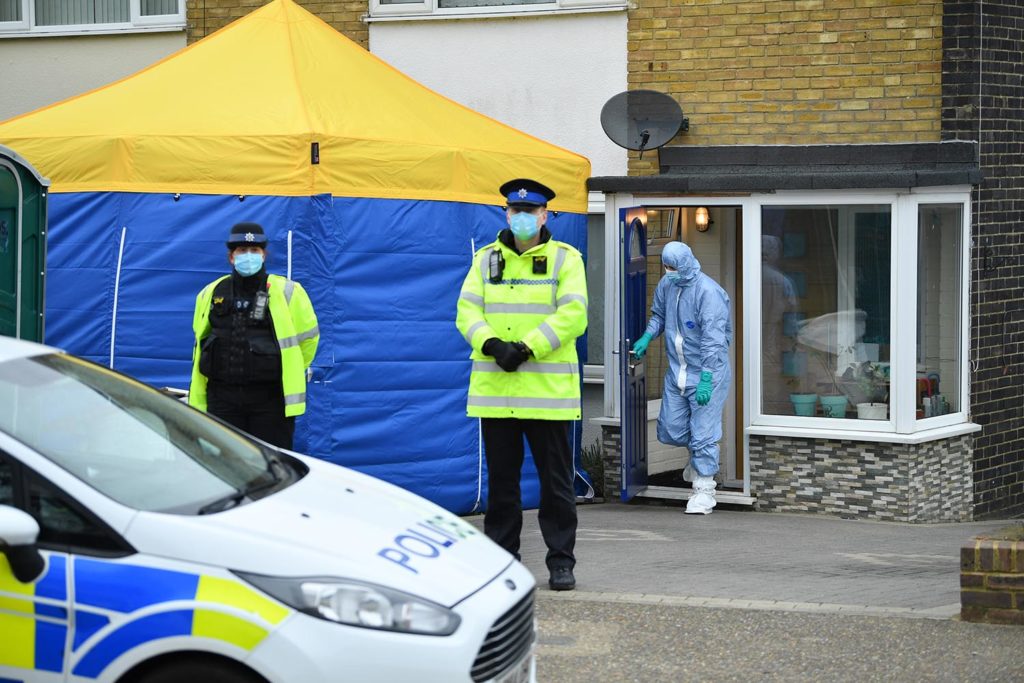
- London’s mayor tried to reassure women they were safe on the city’s streets after human remains were found in the search for Sarah Everard (more below).
- China’s National People’s Congress published new rules saying only approved “patriots” can run for office in Hong Kong.
- Brompton Manor, a state school in east London, won more Oxbridge offers than Eton.
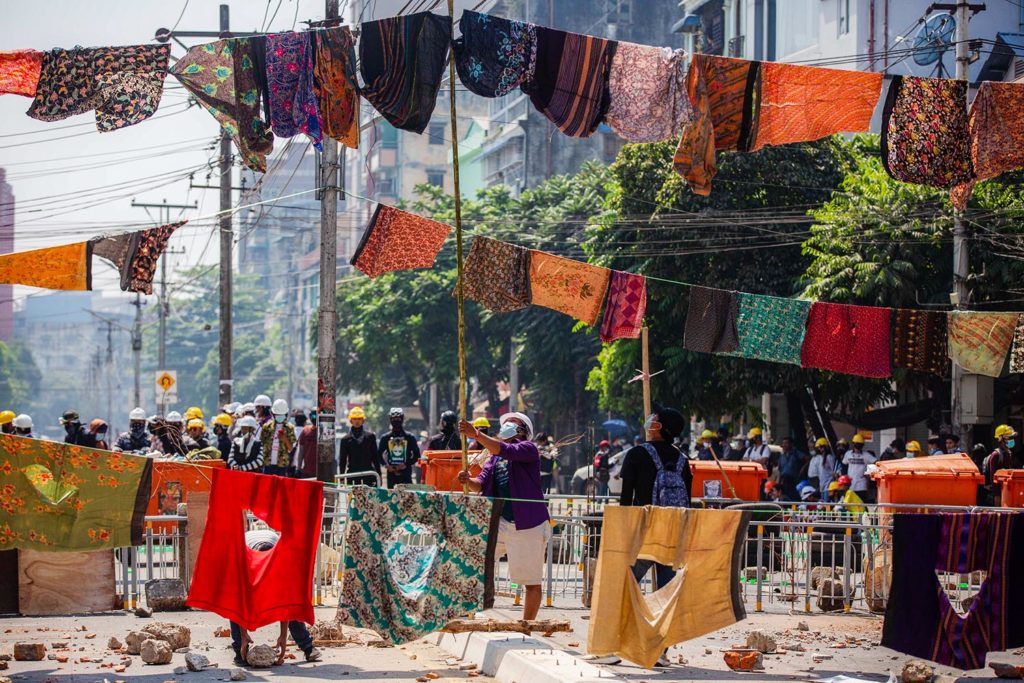
As far as anyone can tell, the Myanmar junta’s plan was to arrest Aung San Suu Kyi, shut down the web, impose martial law and return the country to the status quo circa 2010. The generals may yet grind out a win, but there are signs on at least four fronts that their march back to repression is going wrong:
– Police. Instead of following orders to shoot at pro-democracy protesters, officers are defecting. Some are fleeing to India, where locals tell the BBC they expect the small number that has waded across the Tiau river so far to get much bigger. But others have found hiding places inside Myanmar.
- Youth. Arresting ASSK, Myanmar’s first elected leader, has failed to derail its democracy movement. Instead its leadership has passed for the time being to students and young workers leading protests on the streets and in at least 60 cases dying for the cause. They are borrowing tactics from Hong Kong, Thailand and Belarus, but also deploying their own: plastering portraits of the coup’s leader on contested streets because troops are reluctant to walk over him, and hanging women’s sarongs overhead because it’s considered bad luck to walk under them.
- Money. The military’s top brass relies heavily for perks and nest-feathering on two big industrial conglomerates, Myanmar Economic Corporation (MEC) and Myanmar Economic Holdings Ltd (MEHL). MEHL alone has paid $16.6 billion in dividends to shareholders since 1990 according to a leaked report. Both groups are Achilles’ heels for foreign governments considering sanctions. The US has duly put them on a trade blacklist; there is scope for others to follow suit.
- China. There’s a widespread belief in Myanmar that Beijing backs the coup and it’s true that China has vetoed outright condemnation by the UN Security Council. But: the generals never had a cordial relationship with China while ASSK did; state-run Chinese media and China’s ambassador to Myanmar have condemned the violence; and an open country under democrats offers Beijing more opportunities for investment and expansion of its Belt and Road Initiative than a closed one under the generals.
The final straw for the Soviet Union was the army’s refusal to fire on crowds in Moscow in August 1991. March 2021 in Yangon is a very different time and place, but Myanmar has had its version of glasnost in a decade of relative openness and access to the web. Its people don’t want to give that up.
Putin’s problem
Real incomes in Russia have fallen in five of the past seven years. Poverty has risen by 20 per cent. GDP per capita is lower than in 2013 and the federal government spends more on internal security than on health and education combined. These are among the nuggets to be mined from Henry Foy’s FT magazine piece on Putin’s “brutal third act”, which went online today. We know how this act started – with Alexei Navalny’s poisoning and incarceration. Its next scene change will come with parliamentary elections in September. Navalny’s followers plan to field 10 candidates and support 1,600 more. The police will be busy.
Twitter option
There’s a rumour you’ll soon be able to undo Tweets you regret or in which you spot mistakes just after hitting send. You can already delete them, but clever people can tell that’s what you’ve done. The new option, which Twitter hasn’t confirmed, will apparently be available only to those who pay for it. I’m late to this story, first reported by an app researcher called Jane Manchun Wong, but it seems worth noting anyway. Especially if it lowers the ratio of nonsense to good sense in the Twitterverse.
Cell division
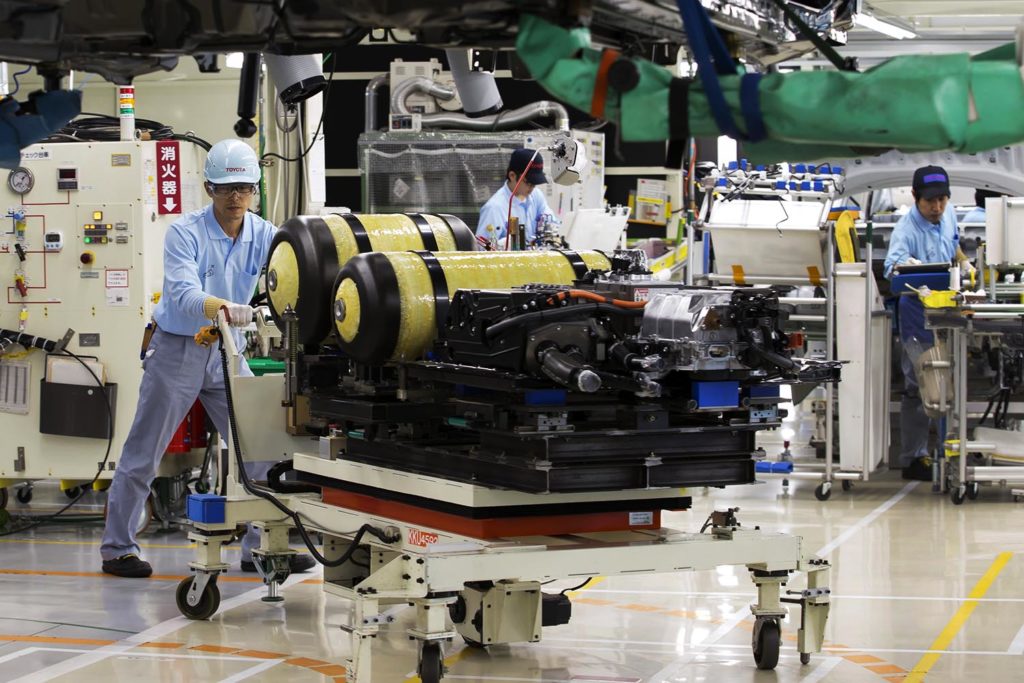
Toyota has modularised the hydrogen fuel cell drivetrain from its Mirai car, to make it easier to use in lorries, trains and even ships. You can either look at this as a big company trying to make something of an expensive technology that hasn’t caught on in cars; or you can look at it as huge news in hydrogen’s long journey from discredited airship lifter to clean fuel with the potential to save the world. The point is that batteries big enough to power ships will practically sink them. Fuel cells are a solution and Toyota’s fixation with making them commercial could still pay off.
Vaccine nationalist, moi?
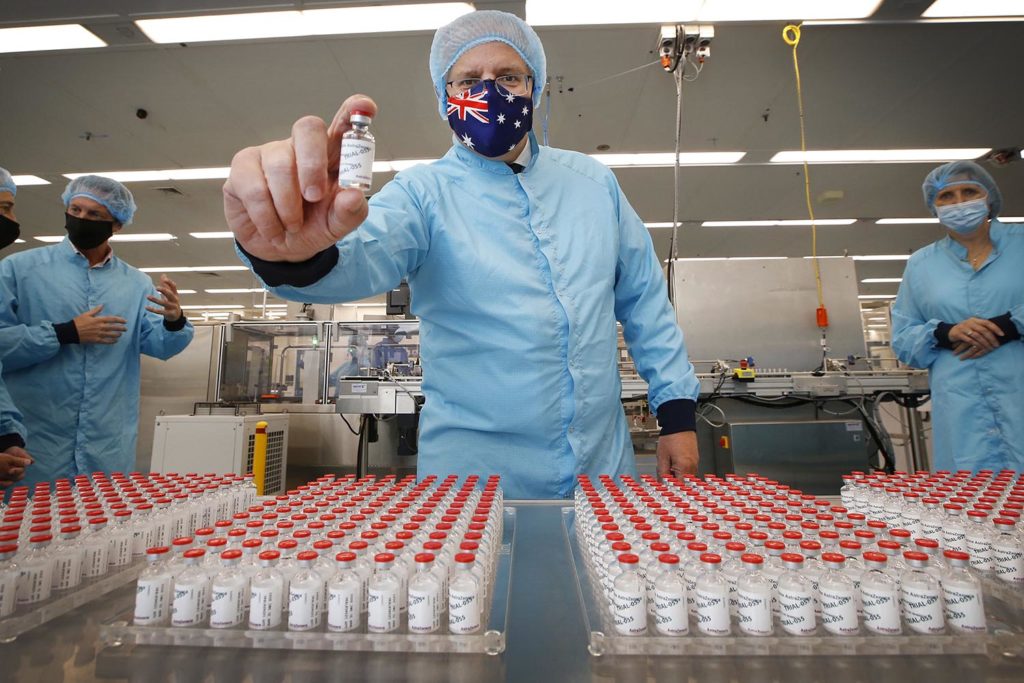
It’s suddenly de rigeur to deny you’re a vaccine nationalist. Boris Johnson did it in the House of Commons. João Vale de Almeida, who is supposed to be the EU ambassador to London if only London will grant him the title, has done it on behalf of Brussels. Dominic Raab, the UK’s foreign secretary, was quick out of the blocks earlier this week even if he didn’t actually use the VN formulation. But even he was beaten to it by Charles Michel, the European Council president, who said he was shocked – “shocked” – to hear the EU had been accused of VN by Australia after it blocked a shipment of the AstraZeneca vaccine last week. This is more about language and basic politics than nationalism. Governments are prioritising their own citizens because that’s their job. Some are just more blatant about it than others. Canada, by the way, has reserved nearly 10 doses per head of population.
Sarah Everard
Cressida Dick, the Met police commissioner, said news that one of her own officers had been arrested in the disappearance and suspected murder of Sarah Everard had “sent waves of shock and anger through the public and through the whole of the Met”. It was if anything an understatement. The case has brought to the surface a state of debilitating fear as well. “What happened to Sarah Everard has hit home hard for so many women because we make the calculations she did every day too,” Kate McCann, Sky’s political correspondent, wrote in a viral Twitter thread. “We take the longer, better-lit route… Keys gripped between fingers we map the corner shops we could duck into en-route. Swap shoes for trainers in case we need to run.” The prime suspect, PC Wayne Couzens, was arrested at his home in Kent a week after Everard’s disappearance while walking home in south London.
The organisers of a “Reclaim These Streets” vigil due to be held on Saturday in Clapham said police there had urged women not to go out at night this week. “It’s wrong that the response to violence against women requires women to behave differently,” the organisers said. “Women are not the problem.”
Thanks for reading, and do share this around.
Giles Whittell
@GWhittell
Photographs Getty Images