What just happened
- The US and China clashed publicly over human rights and trade for more than an hour at a summit in Alaska.
- A Scottish parliamentary committee declared by a party-line vote that the country’s first minister, Nicola Sturgeon, misled it.
- Paris announced a partial month-long lockdown.
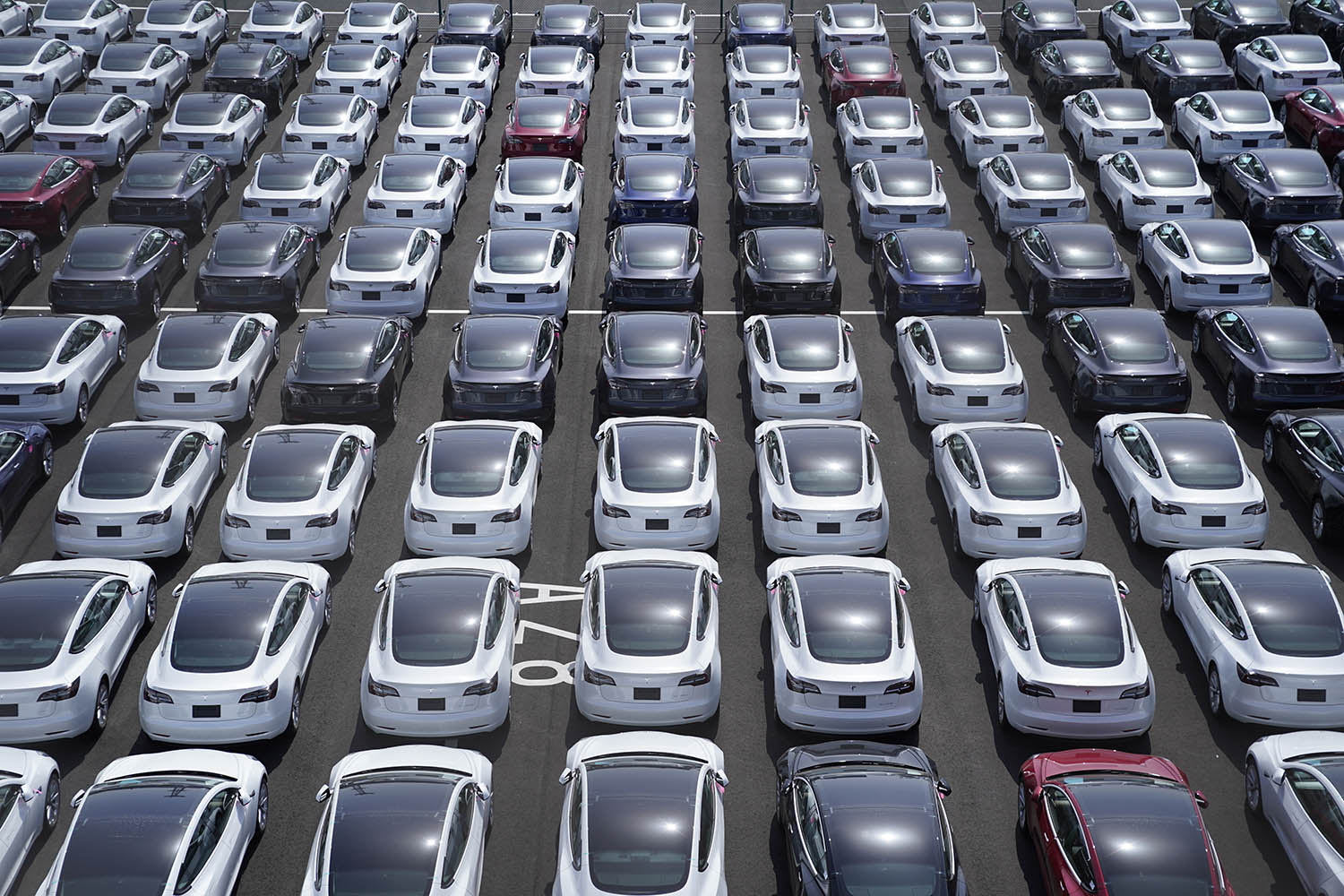
Within five years normal people may actually be able to afford electric cars. Within ten there won’t be many non-electric ones for sale, and the riddle of who’ll be the next Tesla is now solved. It won’t be another start-up. It’ll be the company that brought you dieselgate.
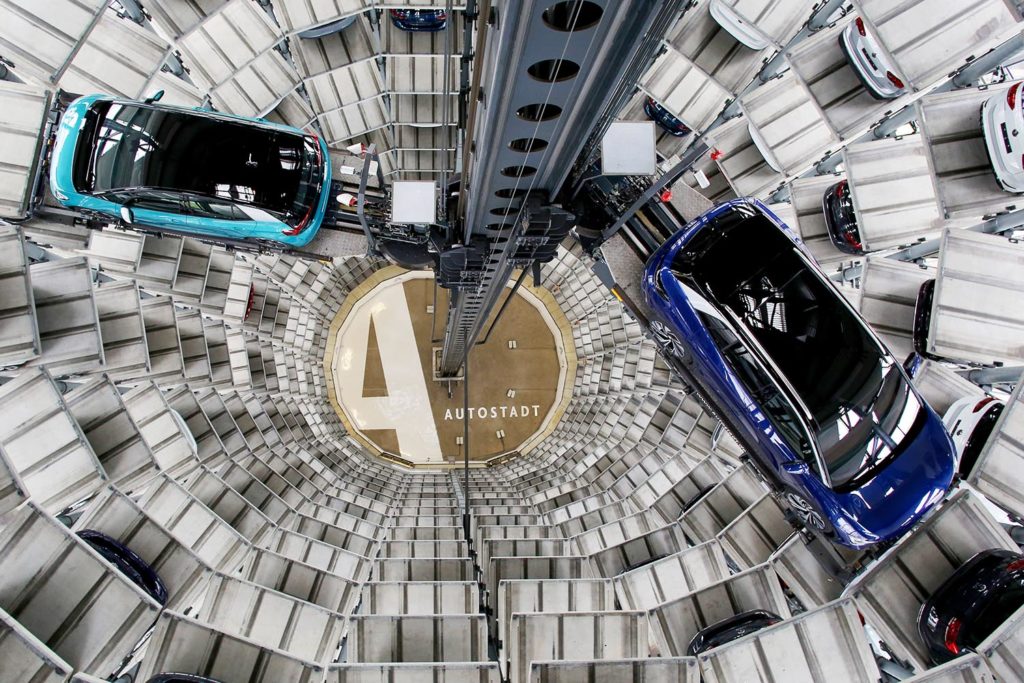
These are the outlines of a revolution in personal transport that came into focus this week as VW reinvented itself as the world’s biggest electric car maker. It took some smoke and mirrors because most of the million battery-powered cars it plans to sell this year haven’t been built yet. But the markets lapped it up (and Tortoise will discuss its implications and much else at next week’s summit on the future of cars; please come) .
In two momentous days for human mobility, VW opened its Wolfsburg HQ to media and investors and:
- bet the farm on producing all the batteries it needs in its own factories;
- tried to end any residual argument about whether the future of cars lies in batteries, hybrids or hydrogen, by promising that economies of scale will bring battery pack costs below the key threshold of $100 per kilowatt-hour;
- put the scandal of under-measuring diesel emissions behind it at last, with a 48-hour share price rally that added more than $50 billion to its value.
Joining VW in a formidable vote for lithium ion that looks set to reconfigure the world’s energy maps are Tesla (of course) but also Daimler, GM, Renault-Nissan, BMW and Ford. Between them they’ve pledged more than $200 billion in investment in EVs.
Still on the fence – besotted with hybrids and unable to shake its fascination with fuel cells – is Toyota, the biggest car brand of them all. But if VW is right, government mandates for phasing out internal combustion altogether could mean it overtakes Toyota soon in sales volume and Tesla in market cap.
Four factors drove VW up the EV on-ramp:
- Dieselgate was existential. The 2015 scandal prompted by US findings that the firm was massaging its emissions data cost it €27 billion in fines and forced new management to rethink the whole brand.
- The cost of EU emissions targets was getting out of hand. The company faced another €1.5 billion in fines for missing them in 2019 alone.
- Timetables for banning internal combustion engines from 2030 were set by at least 17 governments across Europe and the Americas.
- Tesla showed the way. Elon Musk chose the simplicity of batteries over the complexity of hybrids and reimagined the car as a connected device with over-the-air software updates; a smartphone on wheels. The markets rewarded him with a roughly 16-fold share price increase in three years.
By the numbers:
80 – VW’s planned investment in EVs, in billion euros
42, 30, 30, 10, 8 – equivalent numbers for Daimler, BMW, Ford, Renault-Nissan and GM respectively
50 – number of battery-powered models VW plans to bring to market by 2030
4 – number of models Tesla currently sells
0.5 – factor by which VW says it will reduce the cost of its electric powertrains by 2030
6 – number of battery gigafactories it plans to build in Europe
18,000 – number of fast-charging stations it says it will build with partners by 2023
10,000 – number of software engineers it’s hiring
11,500 – number of current staff being offered early or partial retirement
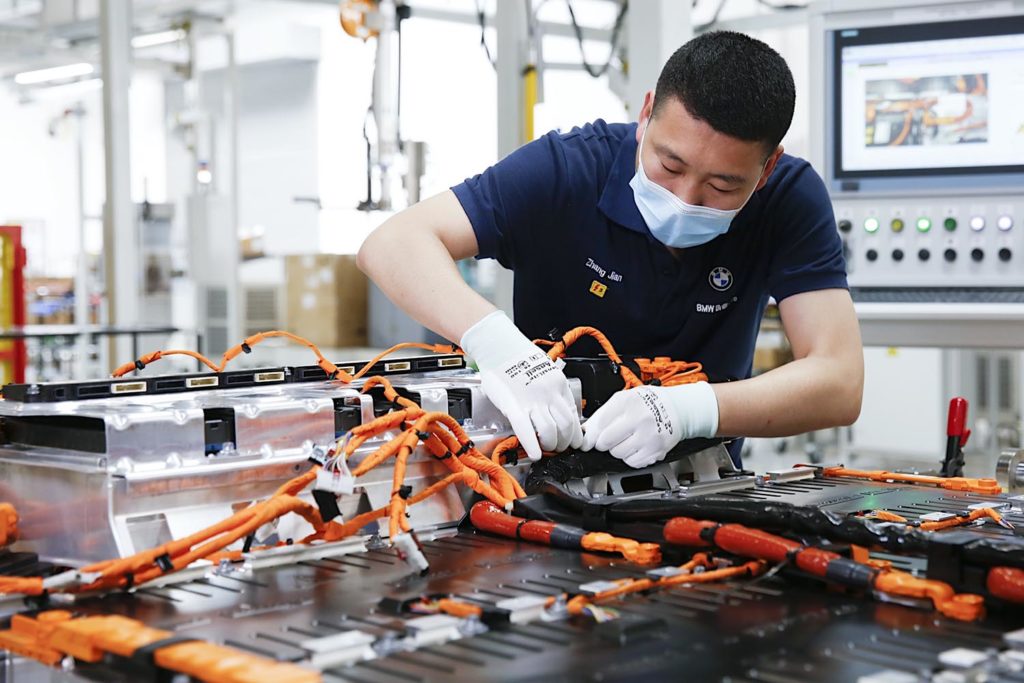
Is this only about VW? No, even though it’s done a grand job of hogging the spotlight this week. See rivals’ EV investments above. Note also i) BMW is competing on purity as well as volume: it wants to produce the greenest car ever when recycling is taken into account, and projects a 20-fold increase in EV sales by 2030; and ii) VW owns Audi, Skoda, Porsche, Bentley and Lamborghini, and they’re all going electric too.
What about the UK? Nissan, BMW, Jaguar and Ford are all gradually converting UK production lines to building mainly or only battery-powered cars. But if one country has picked up Tesla’s gauntlet, it’s Germany. “We don’t have the credentials of a start-up,” says Herbert Diess, the slimline technocrat who runs VW. “We have to prove ourselves.”
If the idea of start-ups having all the credentials suggests the world’s been turned upside down, maybe it has.
Cameron’s calls
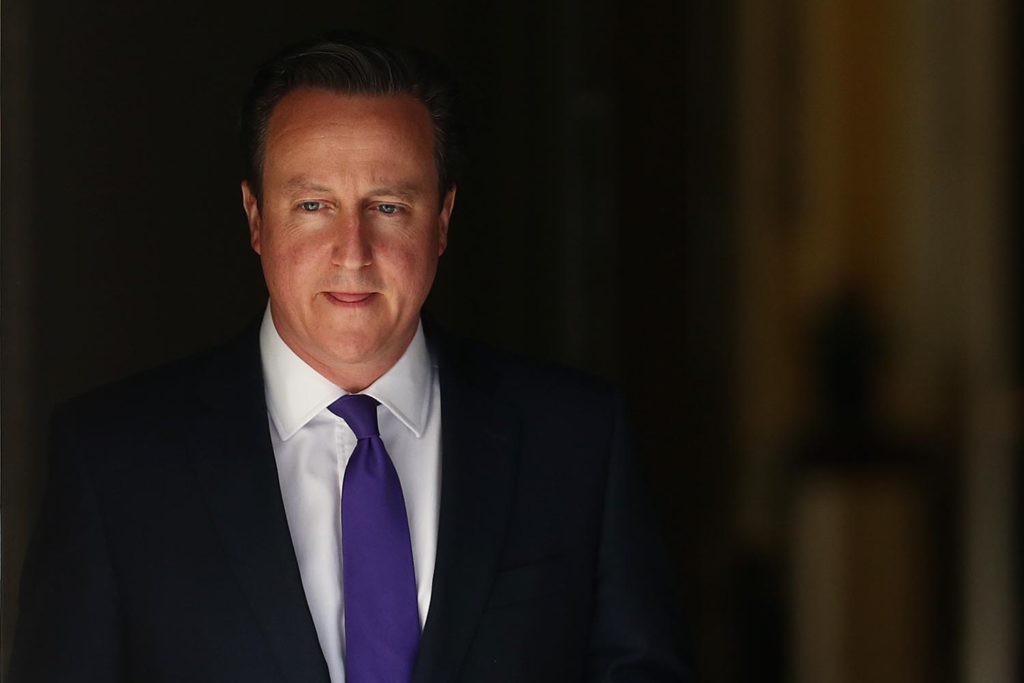
On Wednesday we looked at the expanding ripple effect of Greensill Capital’s collapse and David Cameron’s role as one of its paid advisors. Today the FT reports (£) the former PM lobbied ex-colleagues in government on Greensill’s behalf in the early months of the pandemic to ask that it be allowed to act as an intermediary in state-backed loan schemes for businesses. He didn’t have much luck, but taxpayers are still exposed to more than £1 billion of debts linked to Greensill and its clients. There’s no suggestion that Cameron did anything illegal; just every indication of an amazingly well-oiled revolving door. Labour wants a full investigation.
Primate zoom
Chimpanzees at two Czech zoos 150km apart are staying connected during lockdown via videolink. There’s no oral communication because the sound’s turned off, but there is relief from the boredom of having no human visitors to stare back at. Initially the chimps would make gestures at the screens installed outside their enclosures, Gabriela Linhartova of the zoo at Dvur Kralove tells Reuters. “It has since moved into the mode of ‘I am in the movies’ or ‘I am watching TV’.” In the latter mode, the primates like to snack on nuts.
Top COP vacancy
The UK government is months from hosting the most important climate conference in history and has yet to appoint a senior civil servant to be in charge of strategy. We know this because the deadline for applications to fill the post of Director of Strategy, COP 26, is on Sunday week, 28 March. The minister responsible for the conference, Alok Sharma, was appointed early last year. He’s supported by civil servants at the Department for Business, Energy & Industrial Strategy, which he also runs, and Nigel Topping was named as the UK’s “High Level Climate Action Champion” in January. But at this rate the lucky strategy director will have at most six months to get stuck in and make a difference. As one observer notes: “People give a medium-sized wedding more runway.”
Goldman sucks
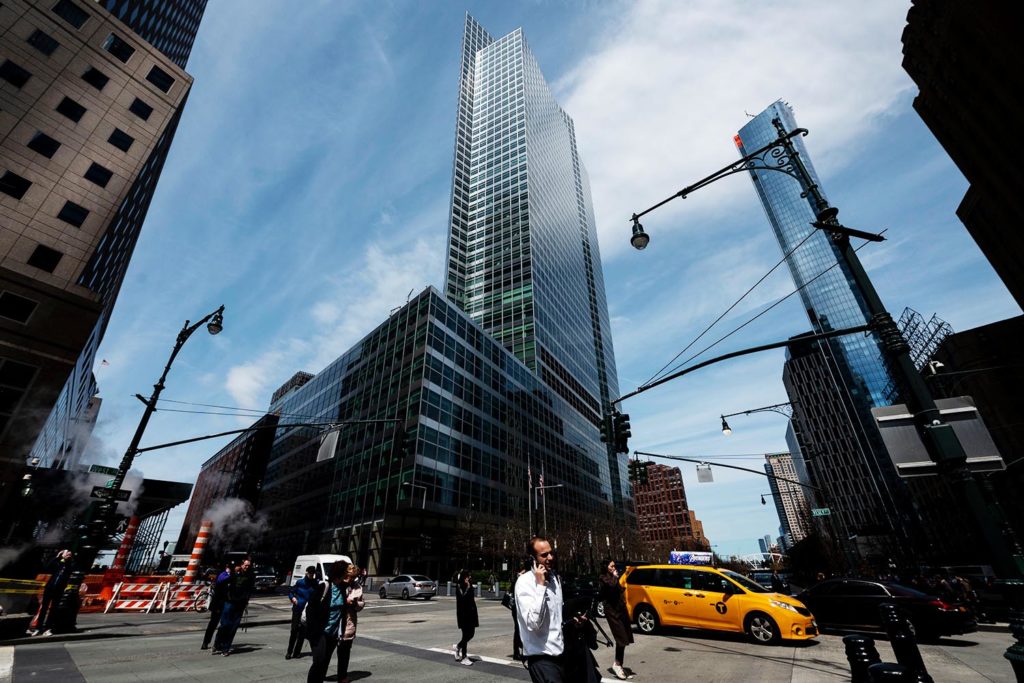
Young recruits at Goldman Sachs in New York have circulated a deck of slides to show they’re working too hard and their mental health is suffering. They say they’ve been putting in nearly 100 hours a week since January, getting five hours’ sleep a night and going to bed at 3am. The group of 13 young analysts said the chances of them still being at the bank in six months if their working conditions don’t change were no more than 3.5 out of ten. New talent at New York investment banks expect to be worked hard and at Goldman they earn upwards of $61,000 a year before bonuses, but life has been especially tough this year because of the new craze for SPACS, special purpose acquisition companies set up purely to buy others. The brave 13 suggest capping their hours at 80 a week.
King Zwelithini
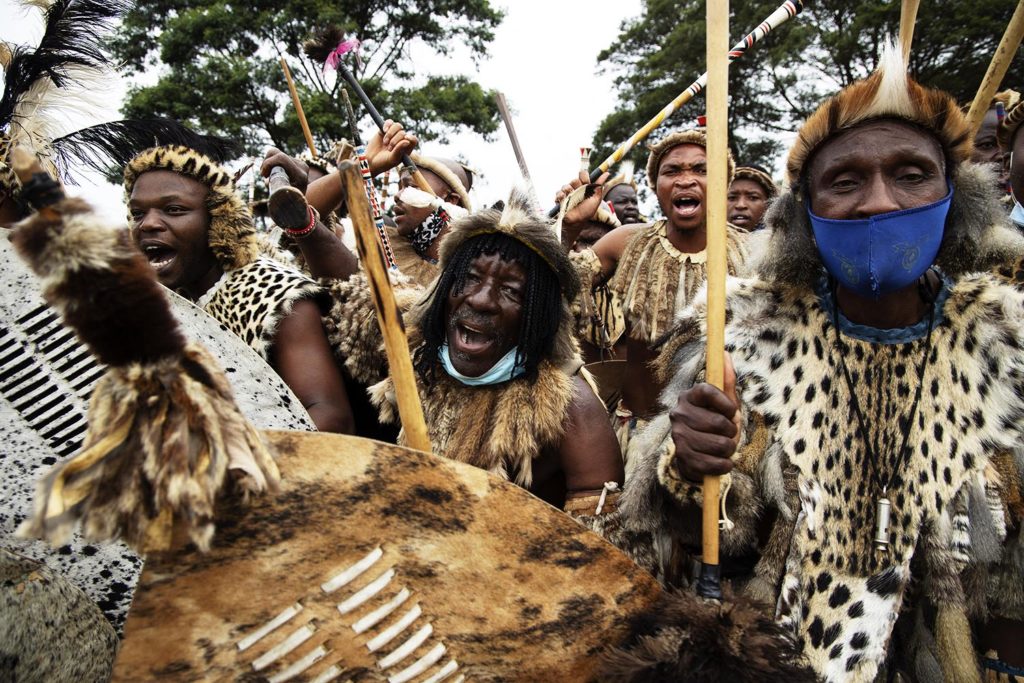
The king of South Africa’s Zulu nation has passed on. King Goodwill Zwelithini was laid to rest in a secret pre-dawn ceremony attended only by a small group of men on Thursday. The Zulu people prefer not to think of the end of mortal life as death, and so use the verb “ukukhothama”, meaning to kneel. Instead of burial they speak of “ukutshalwa”, which the BBC says can be loosely translated as “planting”. A direct descendant of King Cetshwayo, who led the Zulus against the British army in 1879, King Zwelithini was said by his prime minister to have died of Covid.
Thanks for reading; please share this around.
Giles Whittell
@GWhittell
Photographs Getty Images, BMW