
What just happened
- Spain’s prime minister said all 8,000 migrants who have swum or walked to Ceuta in recent days would be returned to Morocco.
- AstraZeneca said its Covid vaccine works well as a third dose booster shot.
- Jenny McGee, one of two nurses who treated Boris Johnson, quit the NHS (more below).
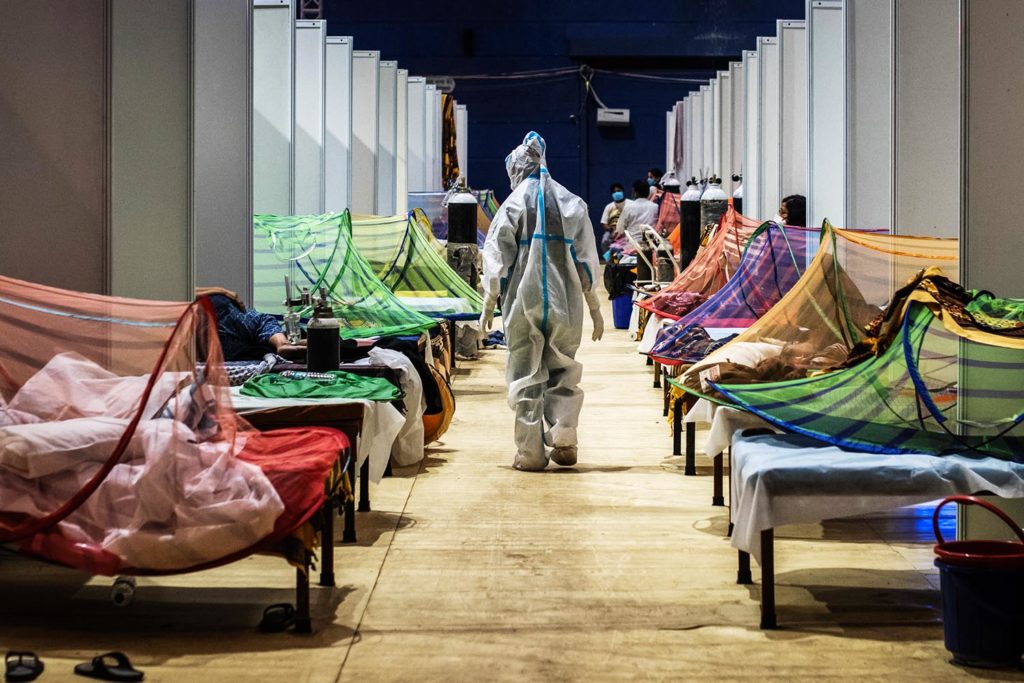
The death toll from Covid in India is higher than ever and the spread of the virus there an object lesson in the risks of forgetting there’s no such thing as “local” any more.
The numbers. Yesterday 4,529 people died in India from Covid-related illness, the highest one-day total for any country since the start of the pandemic. The official daily death toll has been above 4,000 all week.
The real numbers. Patchy reporting and the spread of the Indian variant from cities to rural areas mean the real death toll is likely to be far higher. The Institute for Health Metrics and Evaluation puts it at over 12,000 following a peak of 12,800 on Sunday. In Kanpur, the biggest city in Uttar Pradesh, 196 people were reported dead from Covid between 16 April and 5 May, but nearly 8,000 cremations were reported in seven of the city’s crematoriums in that period.
In India. Those cremations were only of people certified to have died from Covid, a source tells the BBC. The number excludes hundreds of informal burials on the banks of the River Ganges and in the river itself, where police have had to install nets to catch decomposing bodies. On the plus side, infections in India may have peaked, for now.
In the rest of the world. Unvaccinated populations are vulnerable to new variants such as the Indian one, officially B.1.617. “There’s a shit ton of them out there,” says a senior NHS doctor, “and the more you allow them to circulate anywhere in the world, the greater the risk.”
In the UK. 110 direct flights have landed in the UK since India was put on the Department for Transport’s red list on 23 April, including 7 last Saturday, the day Boris Johnson warned that the full reopening of the economy may not happen after all on 21 June. All passengers arriving from India are tested. NHS Test and Trace figures suggest roughly 7 per cent of those arriving since 22 April have tested positive, of whom about half had “variants of concern”.
Questions. Did Johnson’s government delay putting India on the red list because he was planning a trade trip there? And will he now heed the cautionary advice of epidemiologists on next steps towards full reopening, or will his spine be stiffened instead by Allison Pearson’s plea in the Telegraph not to let “Freedom Day” be delayed on account of a “scariant”?
Air tags
Apple is offering help for those who lose things. The coin-sized AirTag can be stuck on whatever you need to keep track of – keys, wallets, teddy bears – and then the company’s Find Me app will use Bluetooth technology to tell you where it is. The Guardian carries a piece from the Conversation by Paul Haskell-Dowland, an Australian academic, worrying that AirTags could be misused by stalkers. Apple will need to make sure they can’t be. But in the meantime one option seems to be: unless you’ve lost something, switch Bluetooth off.
The nurse who quit
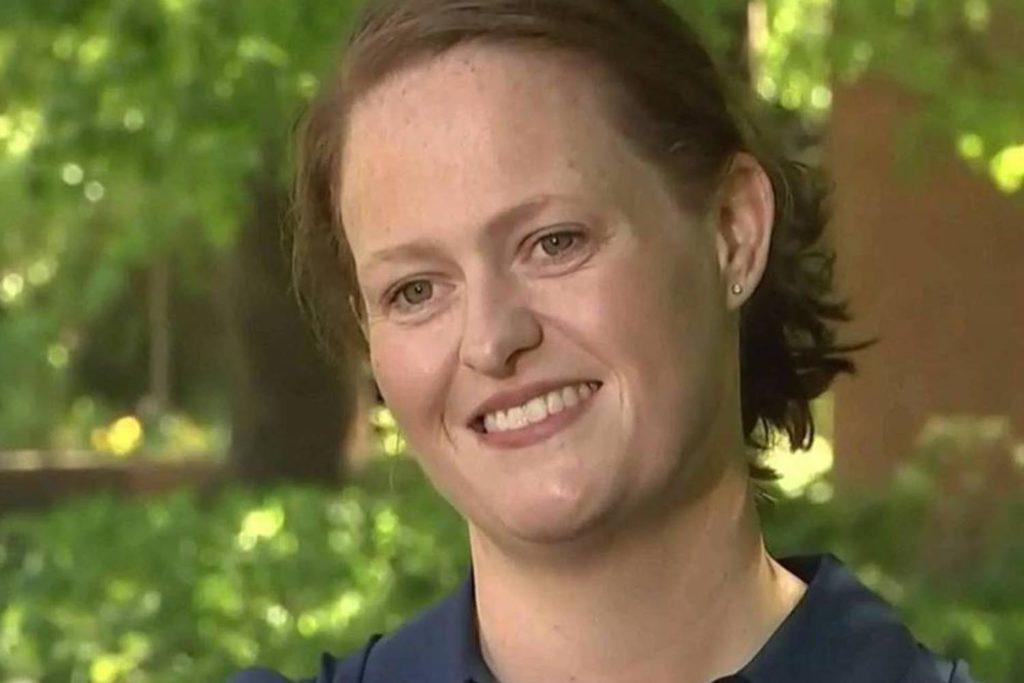
Jenny McGee was one of two intensive care nurses who stayed up all night making sure Boris Johnson’s oxygen levels didn’t fall too low when he was critically ill with Covid in St Thomas’s hospital last year. She subsequently attended a garden party at Number Ten thrown by the PM as a thank you. She has now left the NHS saying nurses are not treated with respect or paid enough (they were offered a 1 per cent pay rise this year). She says she declined to join a clapalong for the NHS at the garden party, and calls the conditions in which NHS staff were required to work at the height of the pandemic “a shitshow”. Expect a question about Nurse McGee at prime minister’s questions today.
Crumbling Galapagos
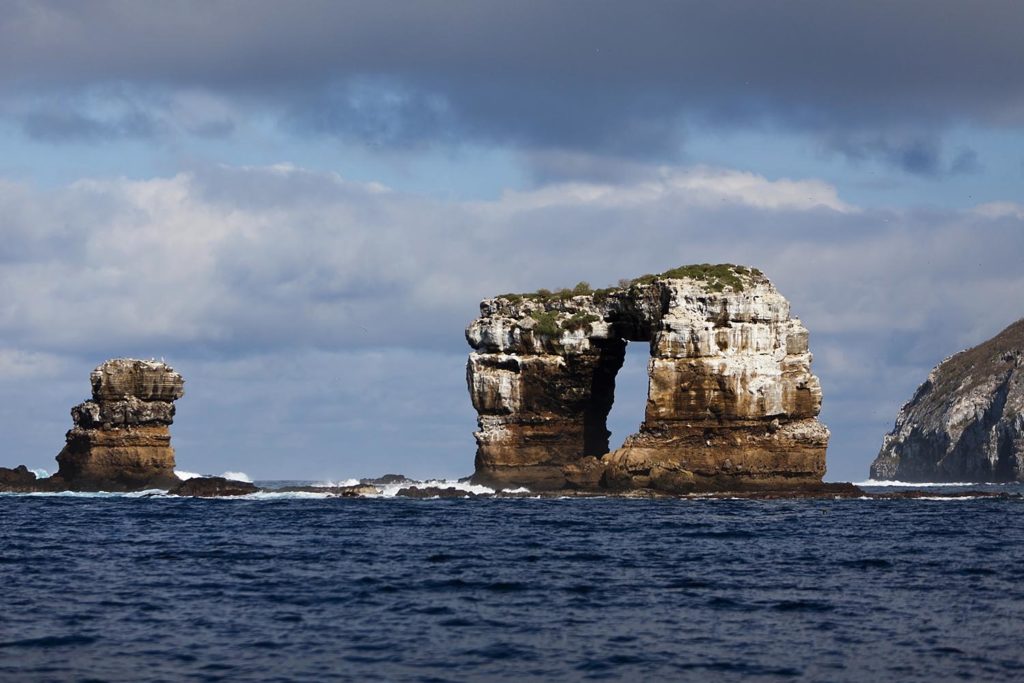
Leonardo DiCaprio has promised a $43 million donation to an environmental defence fund for the Galapagos Islands, but it will be too late to save Darwin’s Arch, a natural rock formation south-east of Darwin Island that has collapsed as a result of natural erosion. Was that erosion sped up by climate change? For now the Ecuadorian government appears to be saying no, but we shouldn’t be surprised if the arch joins submerged atolls in YouTube complications of the effects of rising sea levels. DiCaprio’s money would meanwhile be well spent protecting baby Galapagos tortoises, 185 of which were found wrapped in plastic in a smuggler’s suitcase in March. All but ten were still alive.
Hertz is back
People love a brand, and they love renting cars. We can say that with confidence (and the benefit of hindsight) now that Hertz, once the world’s largest car hire company, has clawed its way out of Covid-induced bankruptcy thanks to a big loan from a group of institutional investors. But more interesting than the loan is the faith shown in the brand by individuals who just had a hunch it would survive because – well, who can imagine a world without Hertz? Those investors, profiled by the WSJ ($), who hung on or bought when the stock bottomed out at 56 cents a share last year now stand to do very nicely at $7 a share and climbing. The billionaire Carl Icahn is probably kicking himself for selling 55 million shares at 72 cents apiece.

Sheikh Jarrah
Behind the smoke and grief, the Israeli-Palestinian flare-up is about land, rights and two apparently irreconcilable views of history and justice. Would the fighting be happening without the initial quarrel over homes in Sheikh Jarrah in East Jerusalem? Quite possibly, but Sheikh Jarrah is more than a pretext. “It’s not a symbolic thing,” an Israeli advocate of a two-state solution tells the FT (£). What’s happening there is “the main organised way for settlers to displace… Palestinians.” So what is happening? The story is told through Nabil al-Kurd, a 77-year-old Palestinian forced to live alongside a Jewish settler from New York who arrived in 2009 and has lived in Kurd’s annex ever since with a claim on the whole property that predates the foundation of Israel. Local law allows him – but not Kurd – to have that claim tested in court.
Thanks for reading, and please share this around.
Giles Whittell
@GWhittell
Photographs by Getty Images, TVNZ