What just happened
- Australia and New Zealand said they wouldn’t be sending teams to the Rugby League World Cup in the UK because they didn’t share the host nation’s approach to tackling Covid.
- An Alaska man in a remote mining camp was rescued by a Coast Guard helicopter after a week of being stalked and attacked by a grizzly bear.
- Dawn Butler MP was ejected from the House of Commons for unparliamentary language after repeatedly accusing Boris Johnson of lying.
TGI Friday video: watch Hend Zaza, 12 and at the Olympics, play table tennis. There is no one better at it in all of Syria.
Some of the big data leak stories of the past ten years have been undermined by being oversold. The volume of data is too huge to grasp; its real meaning hard to see. (Breathless hacks and self-important hackers haven’t helped.) The Pegasus Project feels different. As readers of our Tech States newsletter will know, it’s about spyware tailored to your phone. After a week of saturation coverage three stories serve to show what sort of thing this bug can do and how upset some governments are at being – apparently – rumbled.
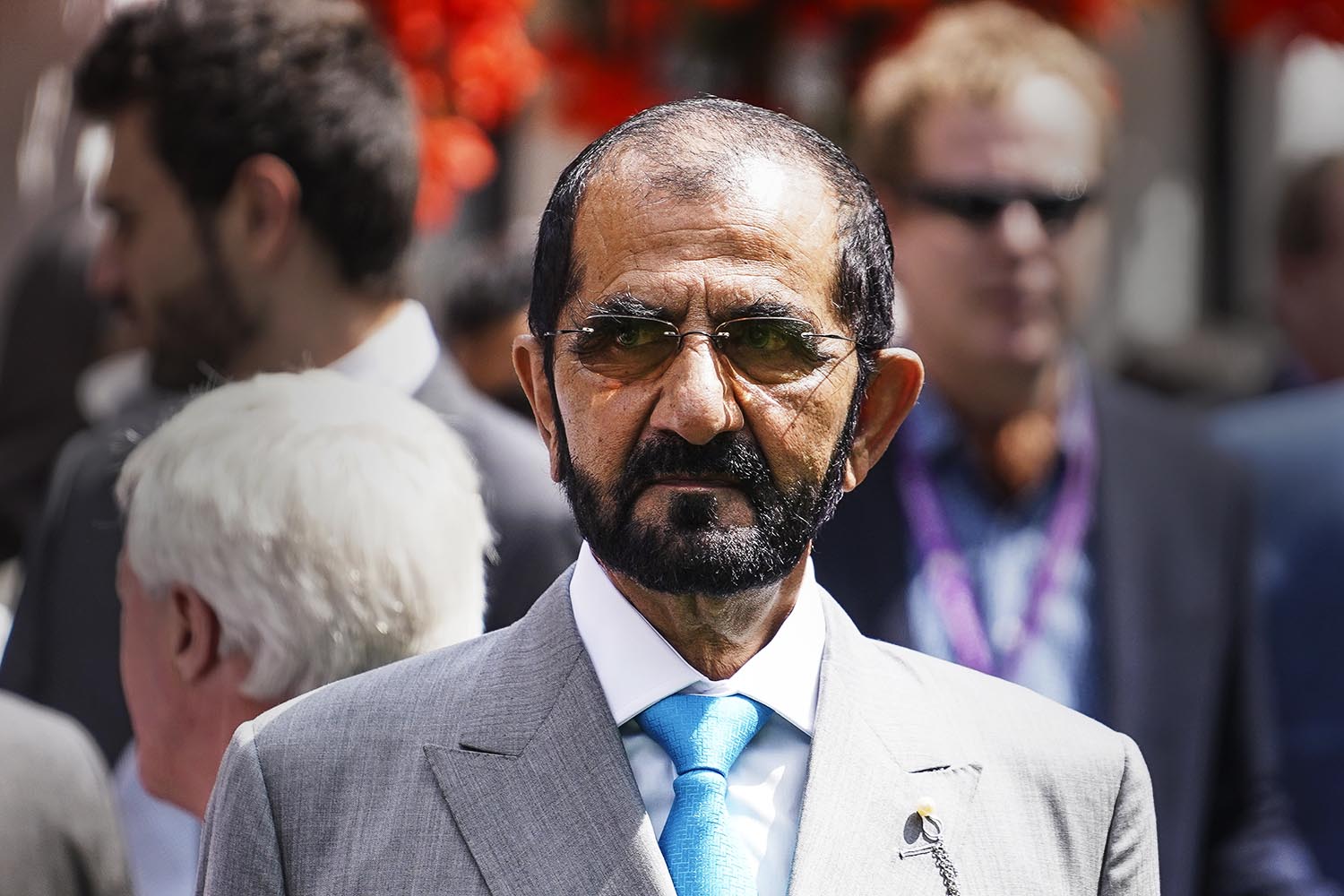
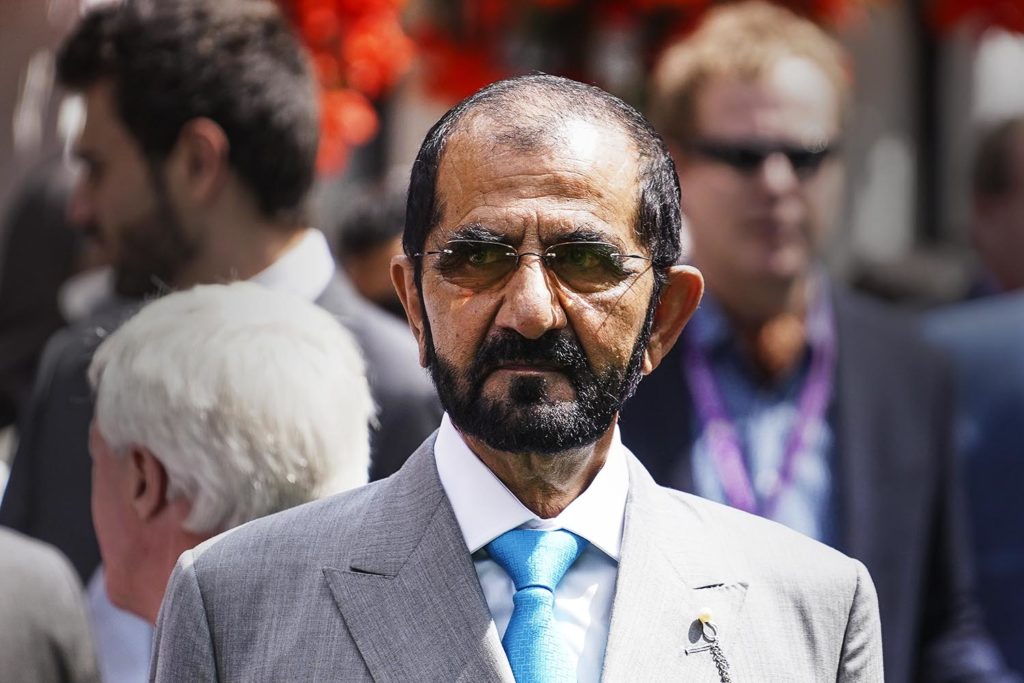
Princess Latifa of Dubai escaped her billionaire father’s allegedly torturous clutches by Jeep, dinghy, jetski and luxury sloop in 2018, only to be seized 30 miles off Goa in a government-sanctioned operation that may have used Pegasus to locate her.
In India, the chief minister of Assam called for Amnesty International to be banned from the country on the grounds of defaming Prime Minister Narendra Modi. Amnesty was the first organisation to see a leaked list of 50,000 phone numbers said to have been chosen for surveillance by clients of NSO, the company behind the spyware – and Modi’s nationalist government is accused of using it against critical journalists and opposition members including Rahul Gandhi.
Morocco sued Amnesty and the Forbidden Stories journalism platform in France, also for defamation, after President Macron and Morocco’s own king were said to have been targeted with Pegasus by the country’s intelligence services. Macron has changed his phone and ordered a full inquiry.
NSO FAQ
- Isn’t this only of concern to people with something to hide? No. That’s the whole point. It’s of concern to anyone NSO’s clients choose to trace, record, film, blackmail or otherwise harass with software that bypasses encryption by taking over the whole phone and using it against its owner.
- Do Amnesty or Forbidden Stories or any of their media partners in this project, including the Washington Post, the Guardian and the Süddeutsche Zeitung, have concrete proof of Pegasus being used against people connected with the numbers on the list? No. But the circumstantial evidence is in many cases strong. When Princess Latifa fled Dubai, for example, she and her companion left their phones behind but the phone numbers of several others who helped with the escape were plugged into a system used to select Pegasus targets in the days before she was recaptured.
- Is the company going to stop selling Pegasus? Apparently not, although it says it “will thoroughly investigate any credible proof of misuse of its technologies, as we always had, and will shut down the system where necessary”. NSO has also issued a statement saying Forbidden Stories’ coverage is “full of wrong assumptions, uncorroborated theories [and]… false allegations”.
- Do we have to take NSO’s word for it that it only sells Pegasus to vetted government clients for law enforcement, counter-terrorism and other life-saving work? Yes. It hasn’t published its client list.
Robinson docked
Stephen Yaxley-Lennon, the far-right activist and English Defence League Founder better known as Tommy Robinson, has lost a libel case brought against him by the Syrian schoolboy Jamal Hijazi. In 2018 footage went viral of Hijazi being attacked on a school playground almost immediately before Robinson posted a series of unsubstantiated claims, including that Hijazi was violent himself and had attacked English girls in his school. The statements led to a flood of online abuse in addition to the attack, forcing Hijazi to leave the school and suspend his education. Three years on a judge has ordered Yaxley-Lennon to pay £100,000 in libel damages which he claims he can’t pay because he’s bankrupt. He’s known to have received hundreds of thousands of pounds in donations from supporters on both sides of the Atlantic, however. Where did they go?
Empty shelves
Some of Britain’s supermarkets and wholesalers are struggling to keep shelves stocked because of the hundreds of thousands people pinged and told to self-isolate by the NHS Covid app. Supply chains are failing mainly because of shortages of lorry drivers and meat-processing staff: Sainsbury’s says it may not be able to meet demand for salads, BBQ-friendly meat and some beers and soft drinks. Brexit isn’t helping businesses plug staffing gaps. What to do? Step one is to make key personnel ping-immune. Up to 10,000 food depot and manufacturing workers are expected to be allowed to ignore pings if they test negatively each day. Step two may be to issue more work permits to overseas HGV drivers. No other country appears to be enduring a pingdemic.
German gloom
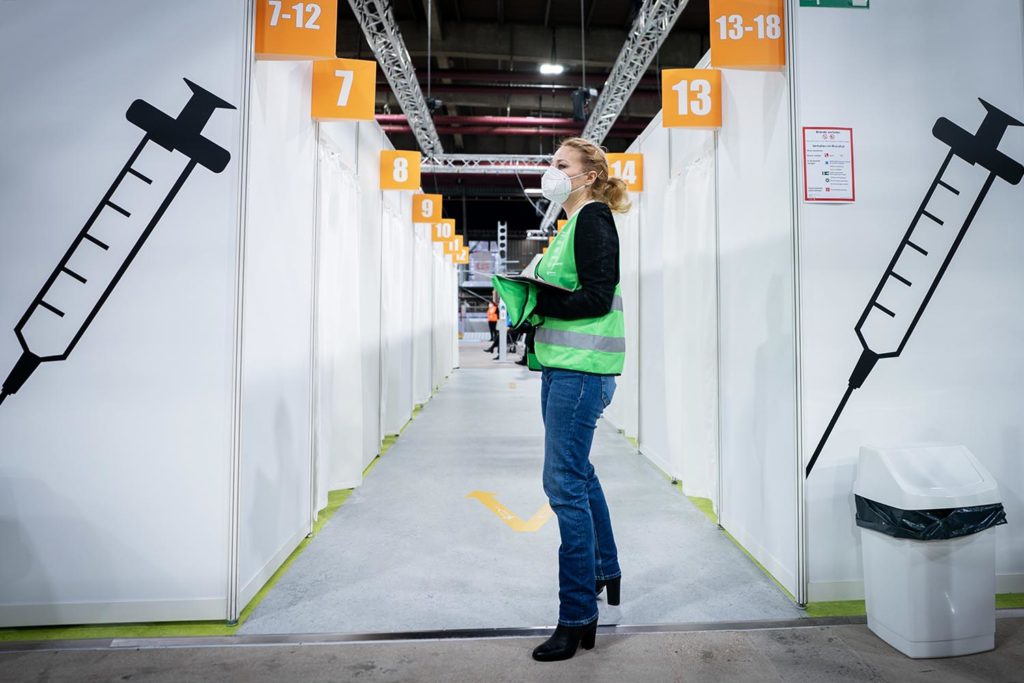
German policymakers have given up on herd immunity even as a goal of the national vaccination programme, at least for this year. That is the gist of a long read in Der Spiegel that takes as its starting point a recent meeting addressed by optimistic representatives of the Robert Koch Institute, which led Germany’s successful initial fight against the virus. They said 89 per cent of 12 to 59 year-olds would need to be vaccinated, and 90 per cent of over 60s, and that it would be doable by September. No one disputed the thresholds but almost no one agreed they could be met. Vaccination fatigue is setting in despite a pro-vax campaign fronted by Baywatch’s David Hasselhoff, and German politicians don’t want to make vaccination compulsory even though the ruling CDU doesn’t want another autumn lockdown either. One device Germans are hoping might help when schools reopen next month is air purifiers. €200 million has been put aside to keep air clean in classrooms. Whatever works, of course, but will they?
Benz batteries
The company that invented the internal combustion engine has been slow to call time on it. Even now, Daimler can’t quite bring itself to announce the end of petrol-powered Mercs. But yesterday its boss announced a €40 billion plan to phase out ICEs almost completely by 2030, build eight new battery factories and junk the idea of Mercedes hybrids. Four of the battery plants will be in Europe, three in China and one in the US. The decision to abandon hybrids is significant: they are complicated and require more people to build than all-battery EVs, which have very few moving parts and a manufacturing process that can be handled almost entirely by robots. So there will be job losses for which the battery plants won’t completely compensate. This is the Musk model. The dinosaurs are finding they can’t beat it, so they’re joining it.
Tokyo and bust
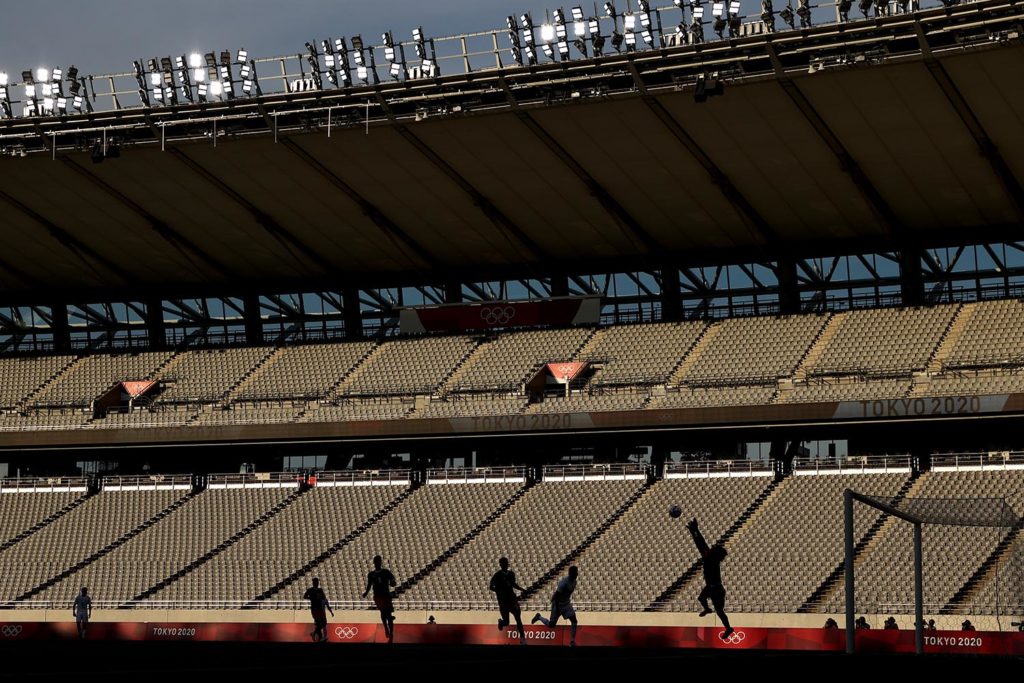
When Shinzo Abe won the 2020 Olympics for Tokyo the projection was that visitors to the games would spend $2 billion on board, lodging, transport and merchandise alone. Tickets to venues would be extra. Eleven years on there are no visitors and no ticket sales but the games are going ahead in stadiums and arenas that have cost $7 billion to build or renovate, according to the WSJ, which reckons Tokyo is looking at a $20 billion tab all-in. It was said in Montreal in 1976 that the games it hosted then had cost $1 billion. Nowhere has done a decent job of Olympic cost control or of repurposing venues since then, except possibly London. Why not host them here every time? Do join us for our Sensemaker Live ThinkIn at 1pm to discuss.
Thanks for reading, and please share this with your friends.
Giles Whittell
@GWhittell
Sophia Sun
@SophiaaSun
Nimo Omer
@nimsaden
Photographs Getty Images