What just happened
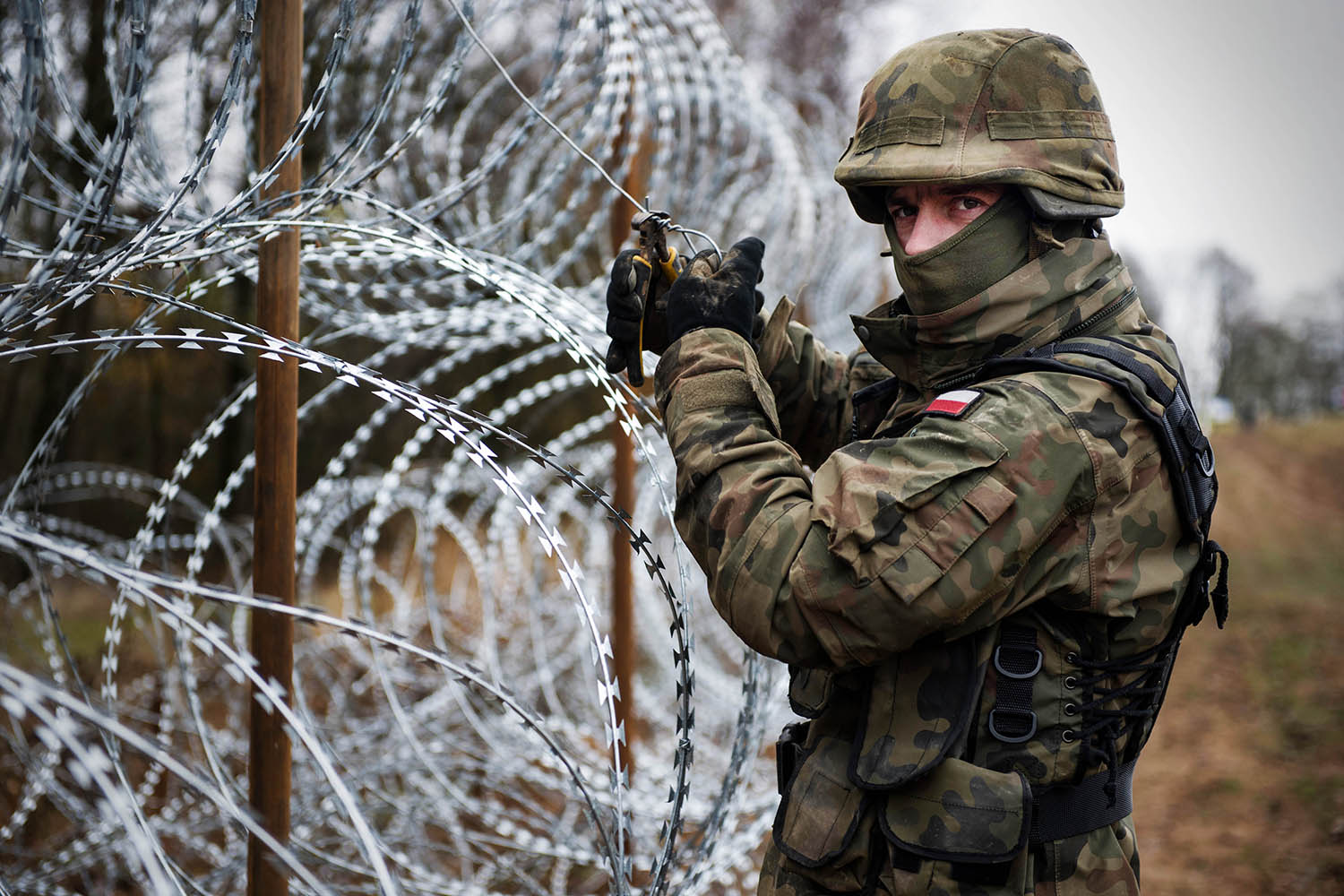
- Poland’s prime minister accused the EU of blackmail after European Commission president Ursula von der Leyen threatened Warsaw with financial and other penalties for rejecting the supremacy of EU law.
- UK health officials said the NHS would stumble into a winter Covid crisis if it didn’t adopt a plan B based on a return to mask-wearing (more below).
- Australia’s Bureau of Meteorology said hailstones that fell across large areas of Queensland on Monday were in some cases the size of grapefruit.
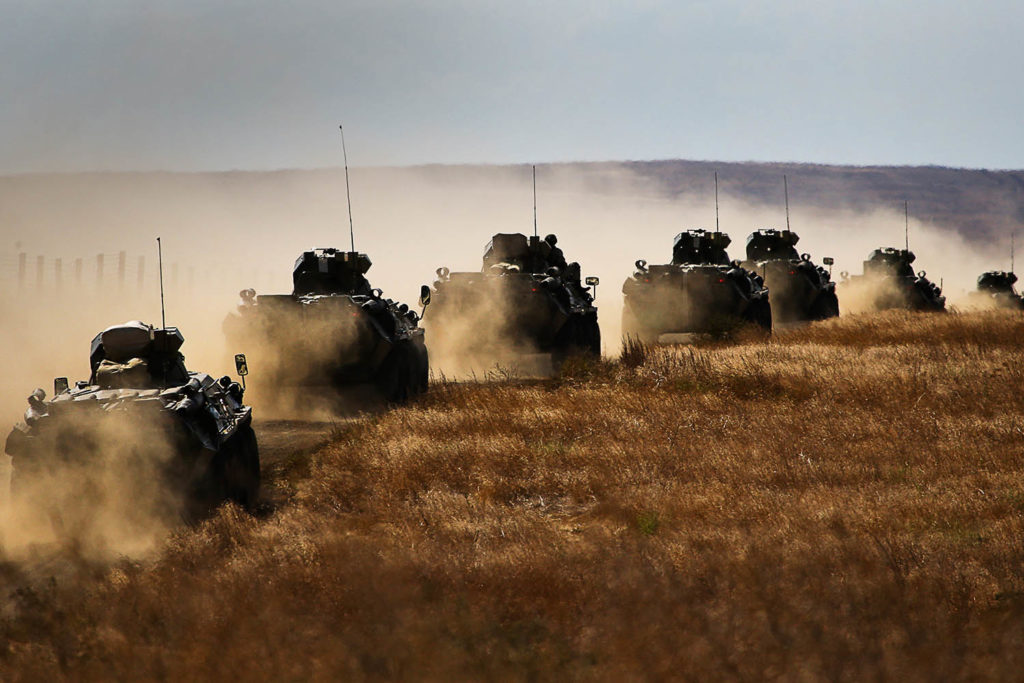
The system that’s supposed to alert Russia and Nato before their mutual mistrust turns critical is being dismantled. On Monday the Kremlin closed its mission to Nato and Nato’s office in Moscow. Yesterday the US issued a new set of warnings over Russian cyberattacks and meddling in Ukraine. There are “absolutely no contacts” between the two superpowers’ armed forces, says Russia’s foreign minister. And in the meantime they back opposing sides in a stalemate over the map of Europe.
Why worry? Mainly because of Ukraine, a non-Nato member:
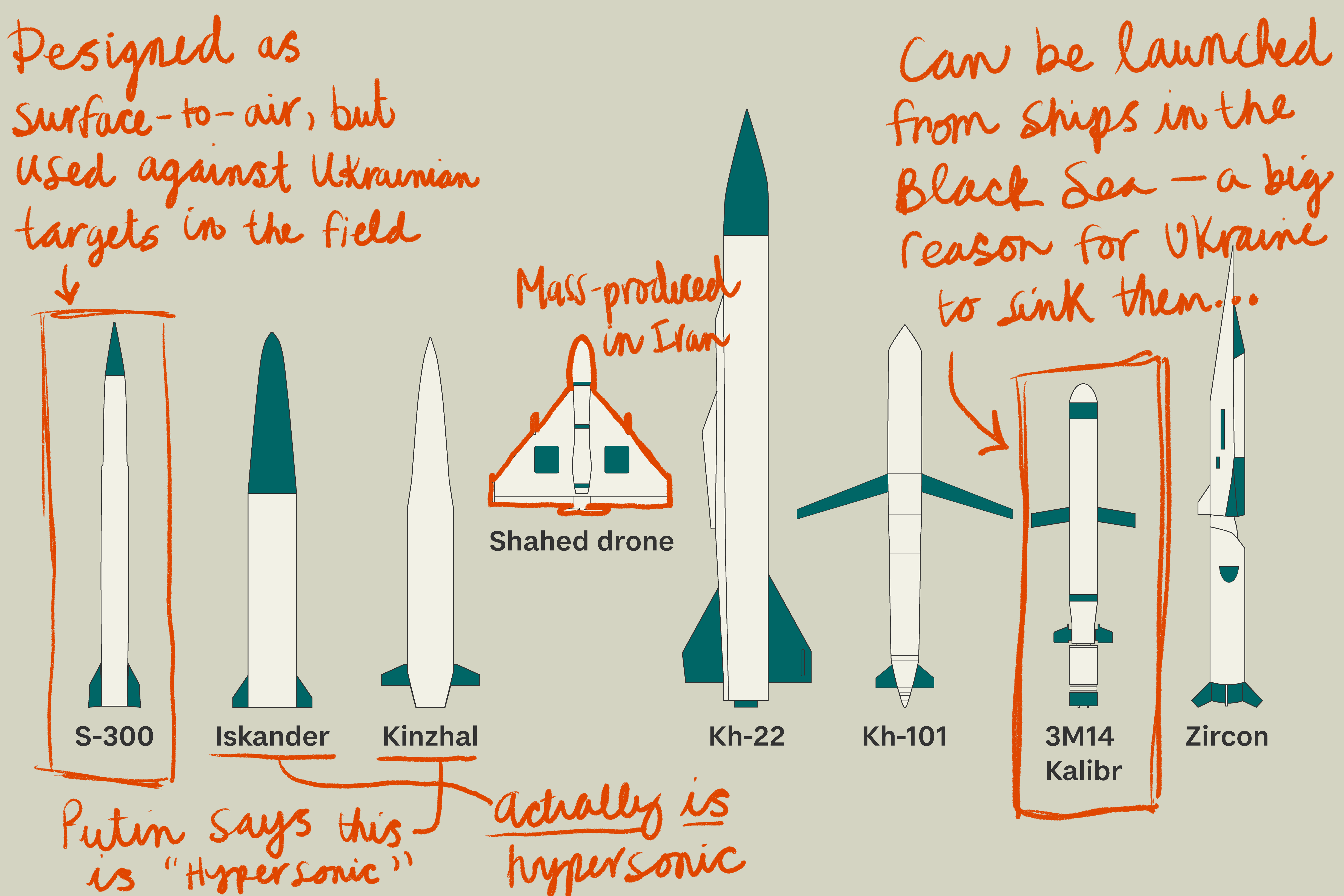
- In April Putin mobilised 100,000 troops on Ukraine’s eastern border in its biggest military exercises in years to remind Nato he considered expansion into Ukraine a “red line”. He also deployed 40 warships to deter foreign shipping from the Black Sea.
- Ukraine aspires to Nato membership but Russia has ruled it out since the Cold War – and its support for rebels in the east now makes it technically impossible because new members have to be in control of their own borders.
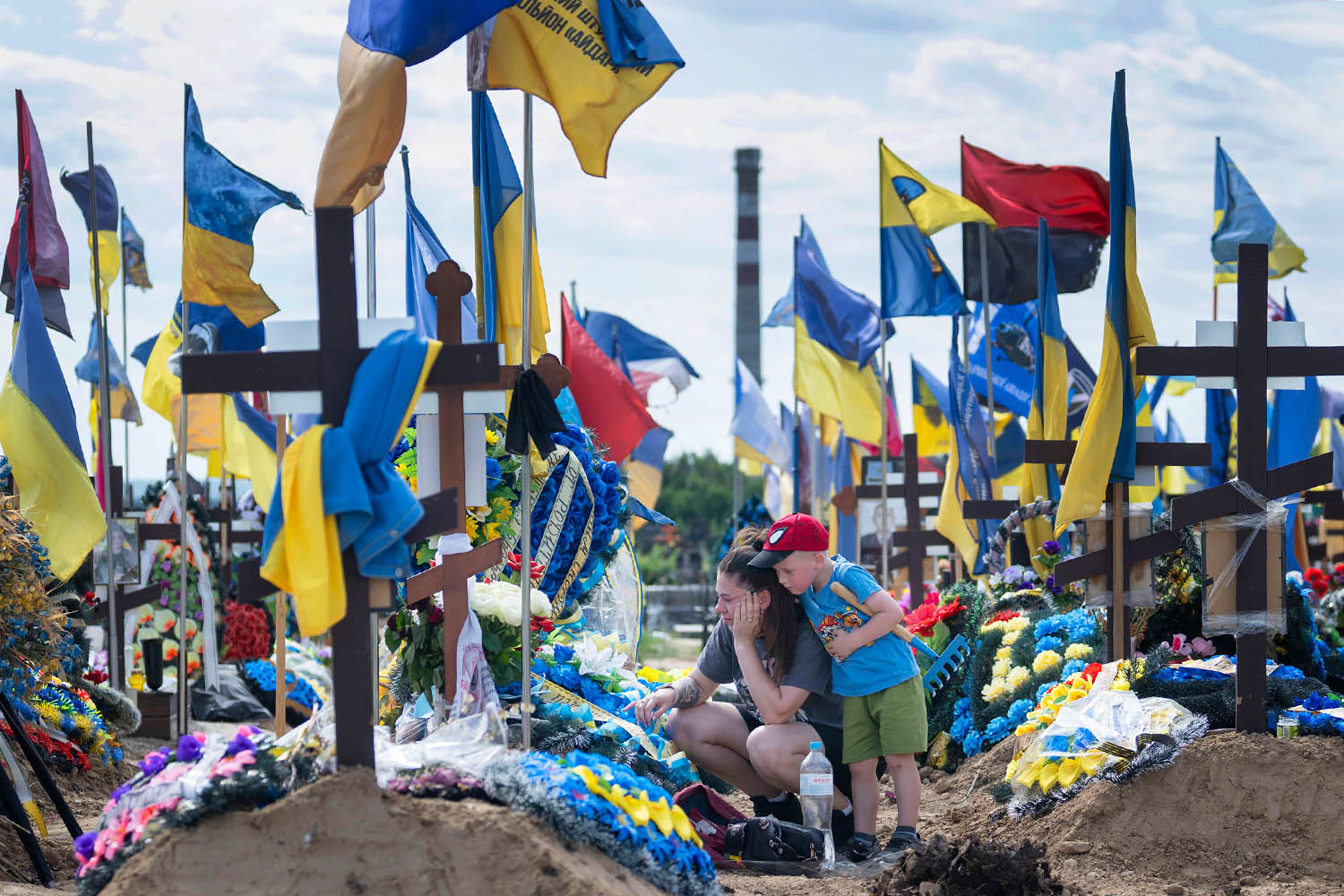
- Putin may have hoped the passing of time since his annexation of Crimea would bring acceptance of the new status quo. Not so. Yesterday in Kiev, the US defence secretary Lloyd Austin called explicitly on Russia to end its occupation of Crimea, “stop perpetuating the war in Eastern Ukraine [and] end its destabilising activities in the Black Sea and along Ukraine’s borders”.
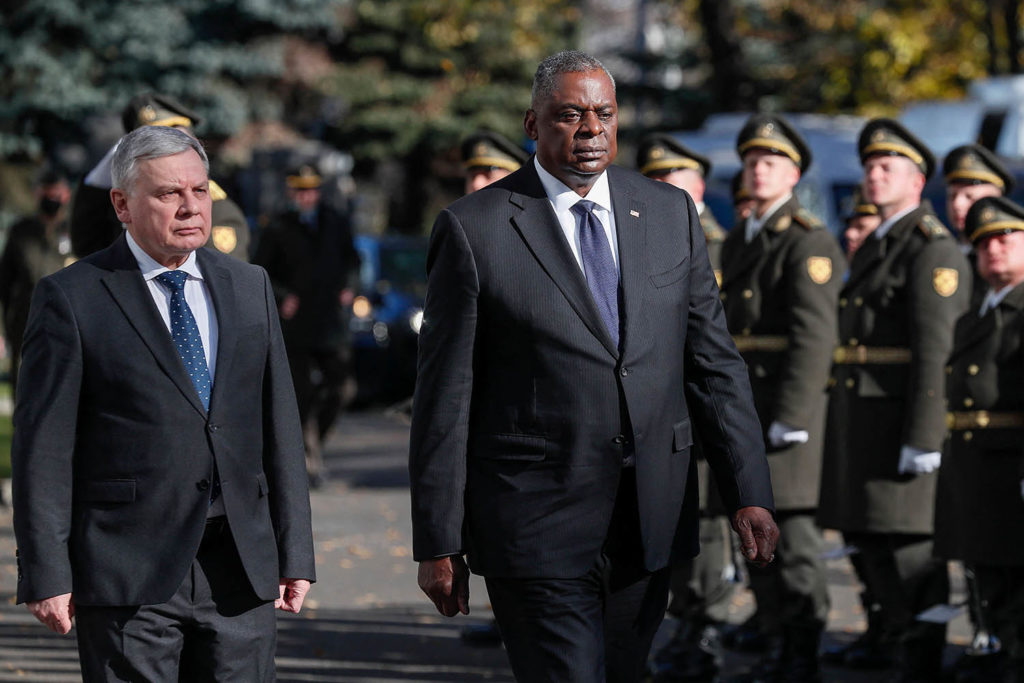
Why now? Part of this is time and motion. Austin is on a swing through Europe before a long-scheduled defence ministers’ meeting tomorrow in Bucharest.
- But he and Biden also recognise a need to reassure Kiev the US has its back after changing position on Nord Stream 2, the trans-Baltic gas pipeline that leaves Ukraine at Russia’s mercy in the business of pipeline diplomacy – and blackmail.
- Austin is also on a mission to soothe Nato anxieties about its role given America’s “Indo-Pacific tilt”, begun under Obama and continued under Biden in response to Chinese militarisation, not least in the form of the triangular Aukus submarine pact with Australia.
What else? Domestic US politics. Russiagate ain’t over. Just because Mueller didn’t find collusion and Trump served four years as president doesn’t mean his successor has lost all interest in Russian involvement in the 2016 election. His staff will certainly have read this piece in the current issue of Foreign Affairs by Fiona Hill, the former White House advisor on Russian and European affairs. It opens with a breathtaking reminder of Trump’s credulous acceptance of Putin’s misdeeds and self-exonerations. It also restates the findings of the Mueller report without Trump’s spin – and makes the essential point that no collusion was necessary for the interference to work.
To note: the FBI raided homes in New York and DC yesterday belonging to Oleg Deripaska, the Russian aluminium billionaire with close alleged ties to Paul Manafort, Trump’s former campaign manager. The separation of powers etched into the US constitution means of course that none of this is in any way connected to Trump’s reported plans to run again. But still, if you’re a Biden strategist you take what you can get.
Bannon charged
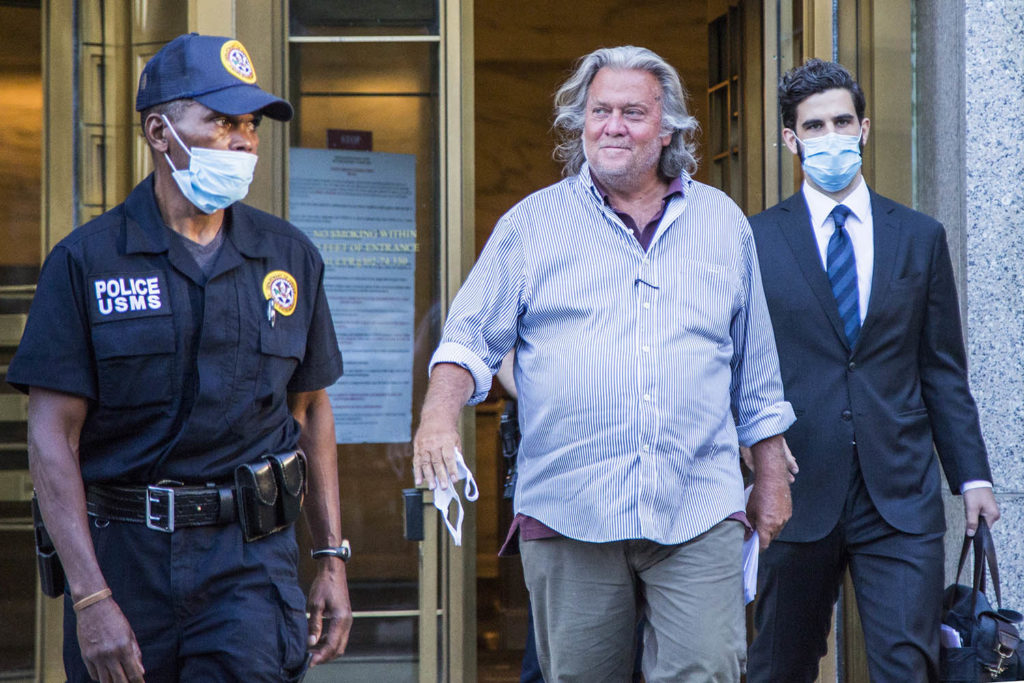
Contempt of Congress is a crime, just like contempt of court, and Steve Bannon could go to jail for it. The former Trump strategist has so far followed the advice of Trump’s own lawyers to ignore subpoenas from the congressional committee investigating the 6 January Capitol Hill riots. The advice is based on an argument that Trump acolytes should wait until a separate legal debate over the previous president’s executive privilege is resolved before responding to subpoenas. The committee thinks otherwise. It voted 9-0 to press criminal charges against Bannon, and two of those nine are Republicans. Bannon said in a podcast the day before the riots: “All hell is going to break loose tomorrow.”
Unimals
So far, artificial intelligence has been all about code and software. Its human analogue has been the brain. But why shouldn’t artificial intelligences have bodies? Not robot bodies created by humans for appearances, but bodies created by a genuine evolutionary process to assist AI “brains” in carrying out their functions? No reason at all, says research cited in the MIT Technology Review. But these bodies aren’t warm or even tangible. They’re virtual and very odd – just moving shapes that turn out to be good at specific tasks, like pushing balls across a surface. They’re unimals. The right body can speed up changes in the robot’s brain, Stanford’s Agrim Gupta says, and this insight could reverse the way robots are built. Not to be outdone, Google says AI is already changing the way its phones are built. The Pixel 6 was unveiled yesterday as its first phone with a self-designed chip. It can, among other things, remove people who walk unexpectedly into photos.
Covid in Britain
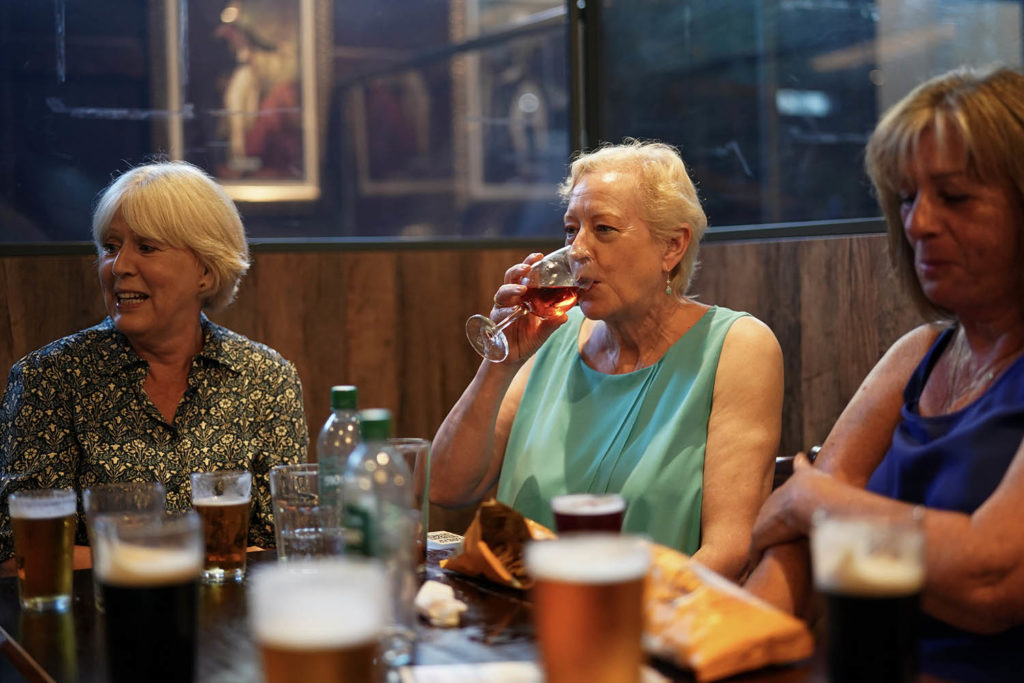
UK Covid cases numbers are by far the highest in Europe. Cases, hospitalisations and deaths are back at levels last seen in March. Factors thought to be behind the upward trends include an end to social distancing in most settings, waning immunity from vaccinations and a widespread reluctance to wear masks even when public transport operators ask passengers to do so. The NHS Confederation urged the government to adopt a plan B based on a return to mandatory mask-wearing in crowded places. It says the health service is already “at the edge” with hospitalisations up 10 per cent in a week to 7,749, and at this rate will stumble into a full-blown crisis this winter. The government has so far ruled out any such plan B and is putting its faith in 30 million booster shots plus first vaccinations for 12–15 year olds. There is no doubt vaccinations have cut the risk of infection and especially of serious illness, but the idea they would stop the pandemic in its tracks now looks delusional – at least until more people can be persuaded to have them.
African glaciers
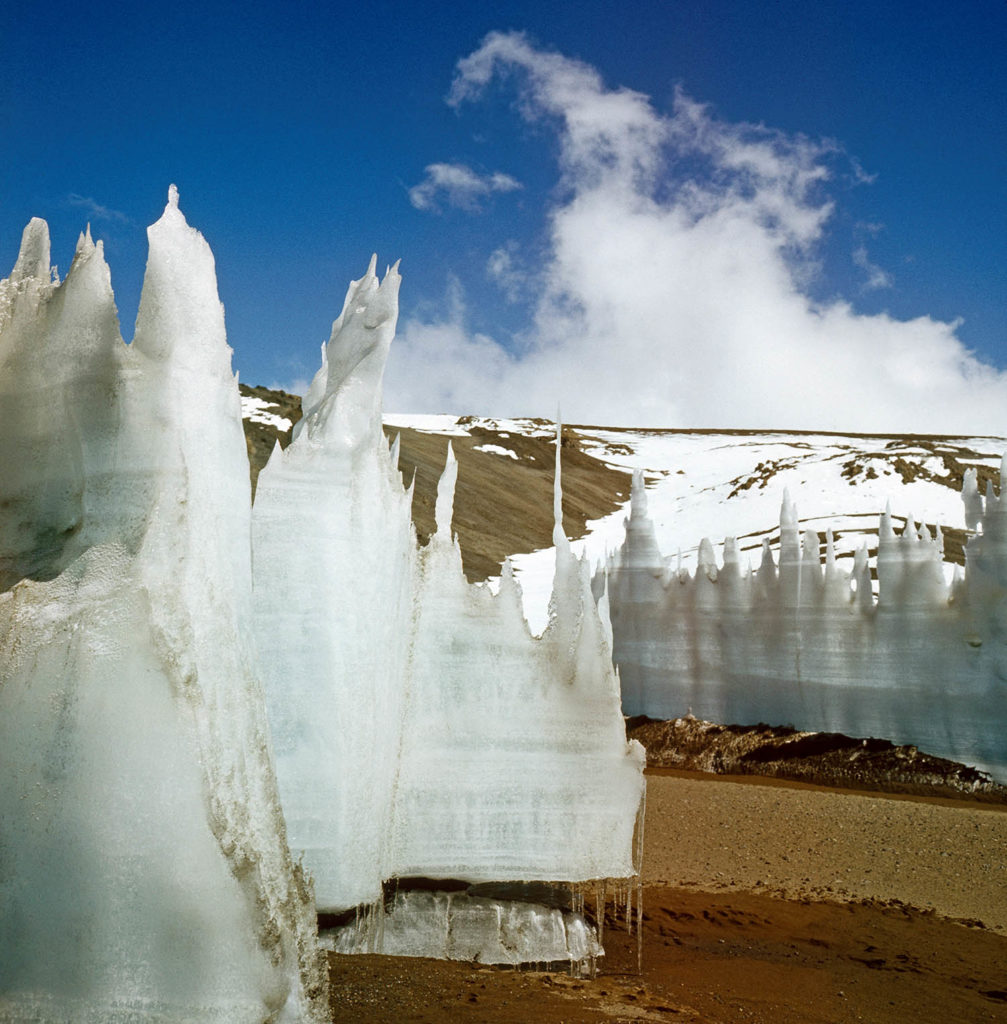
Africa’s glaciers will be gone by 2040. It will still snow occasionally on the summits of Mt Kilimanjaro, Mt Kenya and the Rwenzori mountains on the border between Uganda and the DRC, but permanent ice is melting so fast there will be none left in 20 years, according to a new UN report. It’s sad and desperately unfair. Africa produces barely 4 per cent of global warming gases, but its people as well as its natural wonders are disproportionately vulnerable to climate change. The report says on current trends 118 million people will be exposed to drought, floods and extreme heat as a direct result of climate change by 2030.
Trade after Covid
Rishi Sunak, the UK’s chancellor, plans to cut a levy currently imposed on banks’ profits in order to make the City of London more attractive to a financial services industry that’s increasingly looking elsewhere for bases from which to conduct business in Europe. The levy was introduced by George Osborne at 8 per cent. Sunak will cut it to 3 per cent, the FT reports. Last year the levy raised £1.5 billion so the cut will cost the exchequer about £900 million but the Treasury hopes it will staunch an exodus of assets worth more than £1 trillion to Frankfurt, Paris and New York since the start of the year. More broadly, British overseas trade is suffering. Dutch data seen by the WSJ shows world trade volumes overall were 4 per cent higher in July than at the end of 2019. In the UK exports were 16 per cent lower. Imports were flat.
Thanks for reading, and do share this around.
Giles Whittell
@GWhittell
Produced by Phoebe Davis edited by Xavier Greenwood.
Photographs Getty Images