
What just happened
- The International Atomic Energy Agency said Iran had 7 kg more 60 per cent enriched uranium than in August, prompting fears it could build a bomb within months.
- Peng Shuai’s whereabouts remained a mystery as the Women’s Tennis Association threatened to withdraw from Chinese tournaments absent an adequate response to the player’s claim she was raped by a former Chinese vice premier.
- Austria will reimpose a full Covid lockdown from Monday, becoming the first country in western Europe to do so this autumn.
His infrastructure bill has passed. His climate and social welfare bill is about to pass. Unemployment is way down at 4.6 per cent. Growth is strong. The markets are on a tear. American leadership on climate is back – after a fashion. And yet the 46th US president’s ratings are in steady decline and there’s a general feeling his administration’s in a funk. What gives?
The polls.
- 300 days in, Biden’s approval ratings in most polls are around 42 per cent after a nearly continuous slide from 56 in January, although one new survey puts him at a dire 36 per cent. YouGov gives him a net 4 per cent disapproval rating compared with minus 16 for Trump and plus 4 for Obama at the same point.
- 55 per cent of voters disapprove of his handling of the economy (per ABC News / Washington Post), down 13 points since the spring even though unemployment has fallen from 6 per cent since then.
- More than half of voters would back their local Republican candidates if the midterms were tomorrow.
The factors.
- Congress. Biden arrived in office with control of both houses but hasn’t been able to wrangle Joe Manchin into line on his own side in the Senate, or to soothe the warring wings of the Democratic caucus in the House. The result has not been paralysis, but it has been costly delay.
- Inflation is real even if “handling of the economy” is about perception. At 6.2 per cent it’s higher than forecast and higher than at any point since November 1990. Petrol has not been this expensive in six years and 97 per cent of Americans still don’t drive EVs.
- Job stats. Month after month, preliminary job totals have looked bad for Biden only to be later revised upwards (at which point attention has shifted elsewhere). In June job totals were underestimated by 112,000; in July by 148,000; in August by 248,000.
- Afghanistan. The shambolic withdrawal from Kabul in August made the administration look incompetent and it hasn’t been able to shake that look.
- Elections. This month’s off-year elections in Virginia were seen as a report card on Team Biden and Republicans won a virtual sweep including governor, lieutenant governor and attorney general.
The Virginia races were a verdict, not a cause of dissatisfaction in themselves, but they created a sense of water eroding an electoral sandcastle as the midterms loom. And it’s not just the midterms.
It’s 2024. Biden is 79 and would be 82 when running for re-election, which he says he will. But fewer and fewer believe him and his vice president is caught in a full-spectrum media pile-on that could torpedo her chances of securing the Democratic nomination uncontested if Biden bows out. In that event Kamala Harris would be the first sitting VP in half a century to have to fight for the right to run for the top job, and there’s no guarantee she’d win it.
This week’s 5,000-word takedown of Harris by the usually supportive CNN is notable for its accounts of White House exasperation with her and her team as well as of their complaints about being handed impossible jobs without enough support. It’s exhaustively sourced and has been followed by more predictable hatchet jobs attacking Harris for her style and alleged inexperience.
She has time to come back from this, and may be looking for a fresh start: her communications chief, Ashley Etienne, said last night she was leaving. But if there’s to be a fight for the nomination with, say, Pete Buttigieg, it’s hard to see how the single most likely Republican adversary won’t benefit.
Heartlands and railways
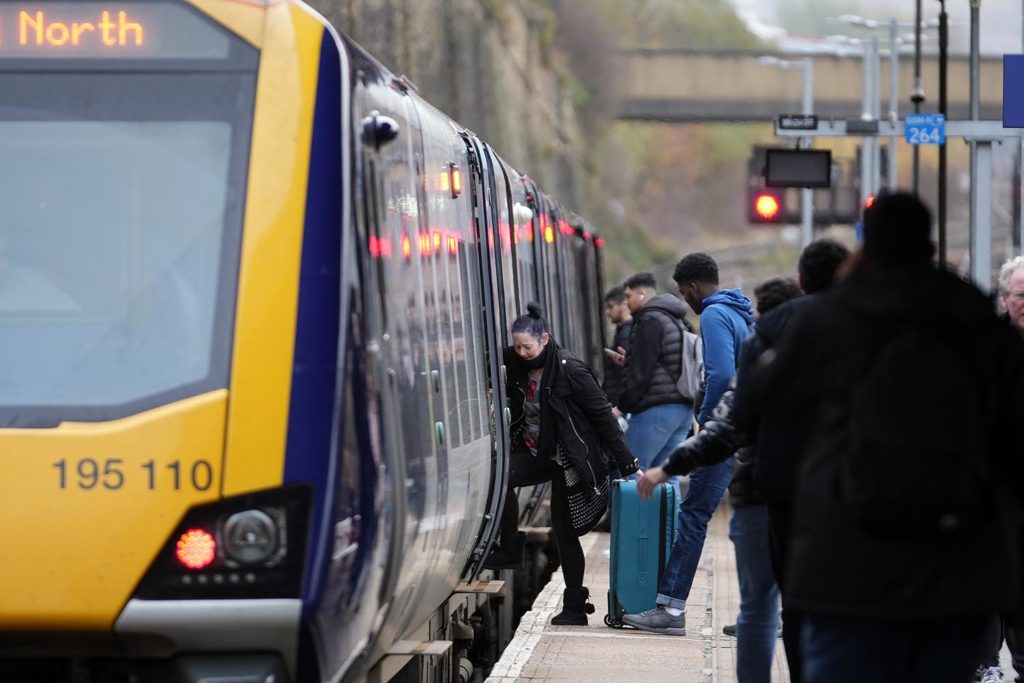
The UK government set itself up for a furious row with the city of Bradford by winning an election with promises of big investments in northern rail lines, and then, this week, admitting those investments would not include new links for a place that considers itself the worst connected city in Britain. Ministers insist their dream of a northern powerhouse lives on, and the FT shows that journey times will fall and capacity rise on the new Leeds–Manchester and Birmingham–Manchester routes. But Newcastle, Darlington and York as well as Bradford miss out as old plans for northern high-speed rail are pared back by a skinflint Treasury. And there’s another factor, Stephen Bush from the New Statesman suggests: an anxiety about bothering voters with big building sites in peaceful Tory swing seats like Ashfield and Rother Valley. It feels like a subject for the poet laureate.
Back to the wet market
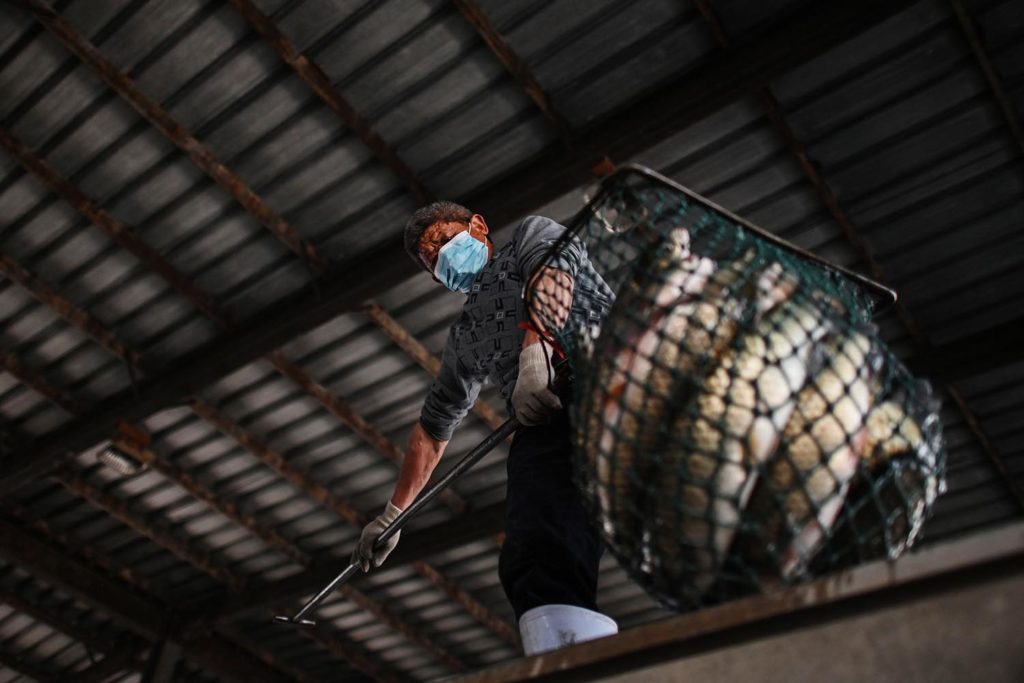
A prominent evolutionary biologist has published a peer-reviewed article in Science arguing that Wuhan’s Huanan wet market is, after all, the most likely place for Covid to have originated. Michael Worobey of the University of Arizona says the geographical spread of many early cases in December 2019 points to the market – and away from the Wuhan Institute of Virology, which is several miles away across the Yangtze River and the focus of a growing number of alternative theories based on the idea the pandemic started with a lab leak. Worobey’s article seems to ignore reports that the earliest known Covid cases had no connection with the market. It has attracted support but also criticism, including from Stanford’s David Relman, who described it to the WaPo as being based mainly on hearsay. This is indeed the trouble. China has made sure no outsiders have any solid information.
Kale and migraines
A 60-year-old man who suffered from debilitating and increasingly frequent migraines stopped getting them after switching to a plant-based diet of leafy green vegetables, fruit, beans, oatmeal and smoothies. He’d tried drugs, yoga and meditation, the Guardian reports, but none of them had worked. After switching to the new diet he quickly felt better and hasn’t had a migraine in seven years. It’s an American case written up in BMJ Case Reports, and it’s great, of course, for the patient in question. But a sample of one? At what point does that become relevant for anyone else?
Wood for trees
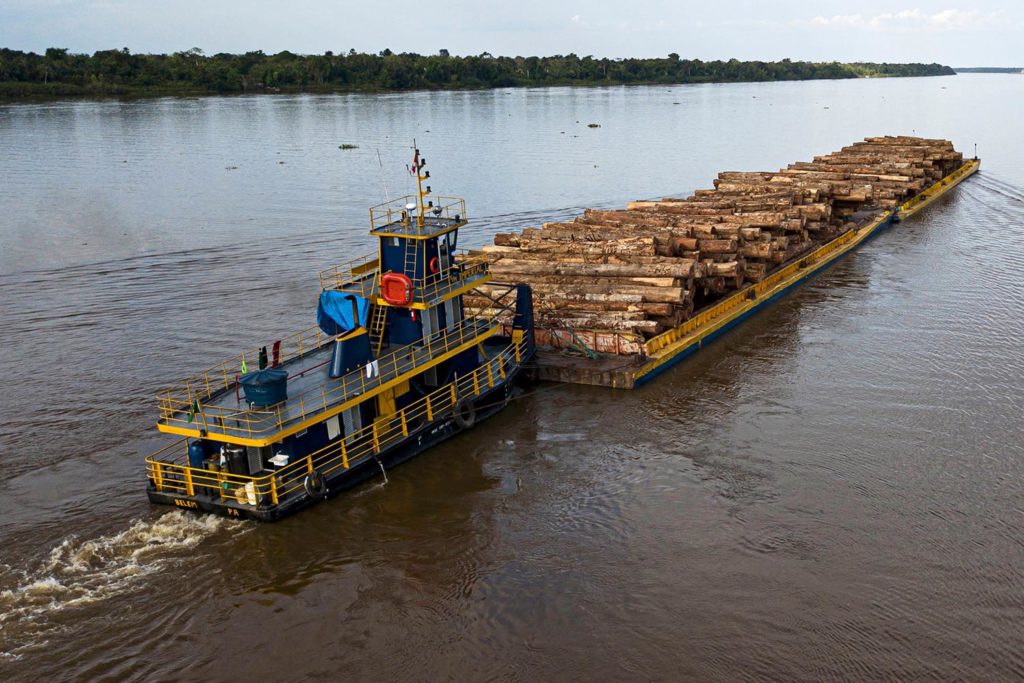
Did Brazil hold back new figures on Amazon rainforest destruction to avoid being embarrassed by them at Cop? It seems so. New reports show more deforestation in the 2020–21 period than in any of the previous 15 years, but the research is dated 27 October, before the start of the Glasgow climate conference. At the conference Brazil signed a pledge backed by 100 countries to end deforestation by 2030, and in fact brought forward its own deadline to 2028. The report by Brazil’s space research agency, INPE, showed that 5,110 square miles of forest or 17 times the area of New York City were destroyed last year. Amazonian birds are shrinking as the forest dries out even where it’s still standing. Jair Bolsonaro, a staunch friend of loggers and ranchers, stands for re-election next October.
Cars and chips
Adam Smith would turn in his grave. Ford and General Motors have no expertise in making semiconductors but they are bringing them in-house as far as possible to protect themselves against the silicon chip shortages that have been hobbling car makers since the start of the pandemic. The shortages are the main reason the industry is expected to produce 8.5 million or 10 per cent fewer cars next year than this. They can be traced to cancelled orders from giant manufacturers, mainly in Taiwan, which then slowed output and have not been able to meet demand as it’s roared back with the easing of Covid infection rates. Ford says it’s going to start designing some of its own chips and Intel says it’ll help. The alternative of radically simplifying cars so they don’t need so much computing power doesn’t seem attractive to anyone. It’s not enough simply to get around. We want to climb into giant smartphones to do it.
Thanks for reading, and do share this around.
Giles Whittell
@GWhittell
Edited and produced by Xavier Greenwood.
Photographs Getty Images


