What just happened
- Visitors to the UK from six African countries were told they would have to quarantine in government-approved hotels because of a heavily-mutated new Covid variant (more below).
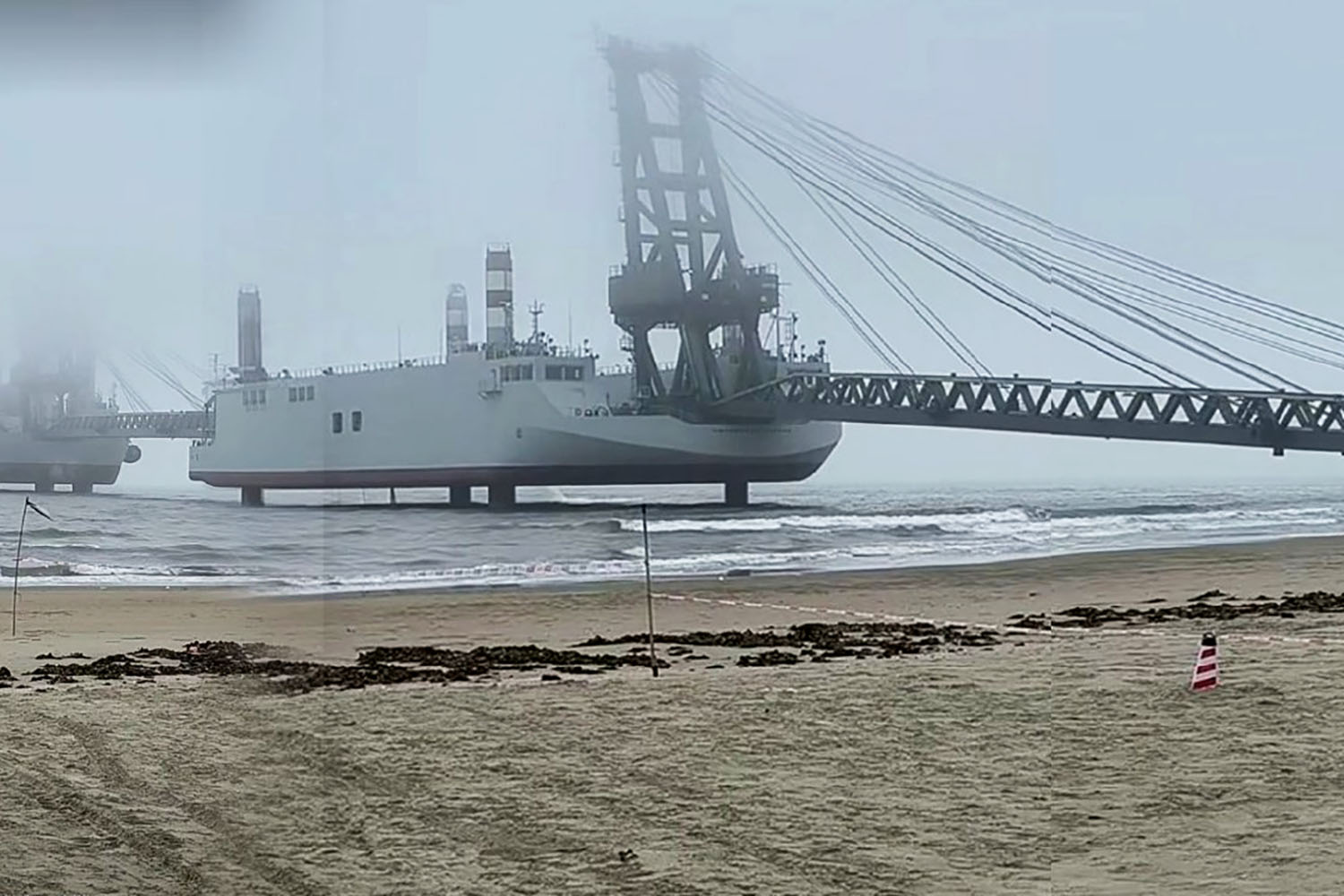
- Australia rushed peacekeepers to the Solomon Islands to tackle riots prompted partly by the islands’ 2019 decision to switch diplomatic allegiance from Taiwan to mainland China.
- Prime Minister Mario Draghi confirmed that Sharbat Gula, best known as the “Afghan girl” on a 1985 National Geographic cover, has been granted asylum in Italy.
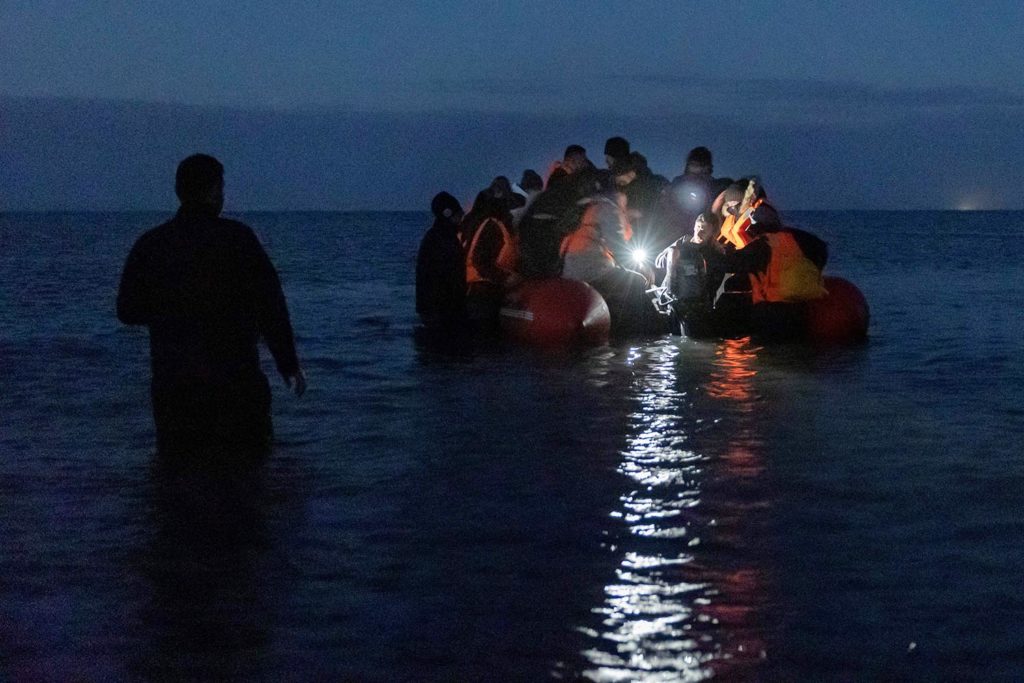
The UK government is finding it hard to be diplomatic when diplomacy is sorely needed. Ministerial talks planned for Sunday have been scrapped by France because of an “unacceptable” open letter from Boris Johnson to Emmanuel Macron. The result is that two days after 27 people drowned off Calais, a joint strategy against people trafficking across the Channel looks further off, not closer.
The letter contains two problem sections for the French:
- a formal request for joint patrols of the north French coast and French coastal waters by UK Border Force personnel as well as French gendarmes; and
- a proposal for “all illegal migrants who cross the Channel to be returned” to France.
The British rationale for the first of these requests is that the status quo isn’t working. French police are not sealing their northern border as Johnson and his home secretary, Priti Patel, would like. The rationale for the second is to break traffickers’ business model by deterring would-be migrants.
But in addition to the specifics of the letter the French have three broad sets of objections.
- To do with process: Gérald Darmanin, the French interior minister, told Patel in a message seen by AFP this morning that if the Johnson letter was a disappointment, the fact that it was public made it worse. Translation: stop playing politics with the dead.
- To do with sovereignty: Johnson knew from his conversation with Macron on Wednesday night that joint patrols on French soil were a non-starter, but he whacked the idea into his letter anyway. This is especially infuriating for the French because they know Johnson knows an equivalent plan in the UK would be dead on arrival. Pierre-Henri Dumont, MP for Calais, put it politely: “I’m not sure the British people would accept it the other way round, with the French army patrolling the British shore.”
- To do with Brexit: being out of the EU means the UK is out of the Dublin agreement by which asylum seekers are supposed to make their application at their first point of entry into the EU – and can be returned there if they don’t. There is no precedent or provision for non-EU members to send refugees back to EU countries. Nor is France, as a free country, naturally inclined to keep people in France against their will.
Also, of course: Britain’s willingness to tear up the Northern Ireland Protocol so soon after signing it, not to mention Brexit-related squabbles over fishing rights, have shattered what trust remained in the bilateral relationship after a Leave campaign in 2016 that Macron has always said was based on lies.
This absence of trust is proving a serious obstacle to British efforts to persuade France that cross-channel trafficking is France’s fault and France’s problem.
The counterfactual is obvious: were the UK still in the EU its borders would be EU borders and their policing a shared responsibility in law and in reality.
Civil servants from both sides will talk in Paris on Sunday even if ministers will not. British officials hope for progress in January when France assumes the rotating EU presidency and will be in a position to press its own concerns about EU policy on refugees. In the meantime new figures show a steep decline in overall migration to the UK last year. London should not be surprised if Brussels doesn’t see this as an emergency.
Interpol’s torturer
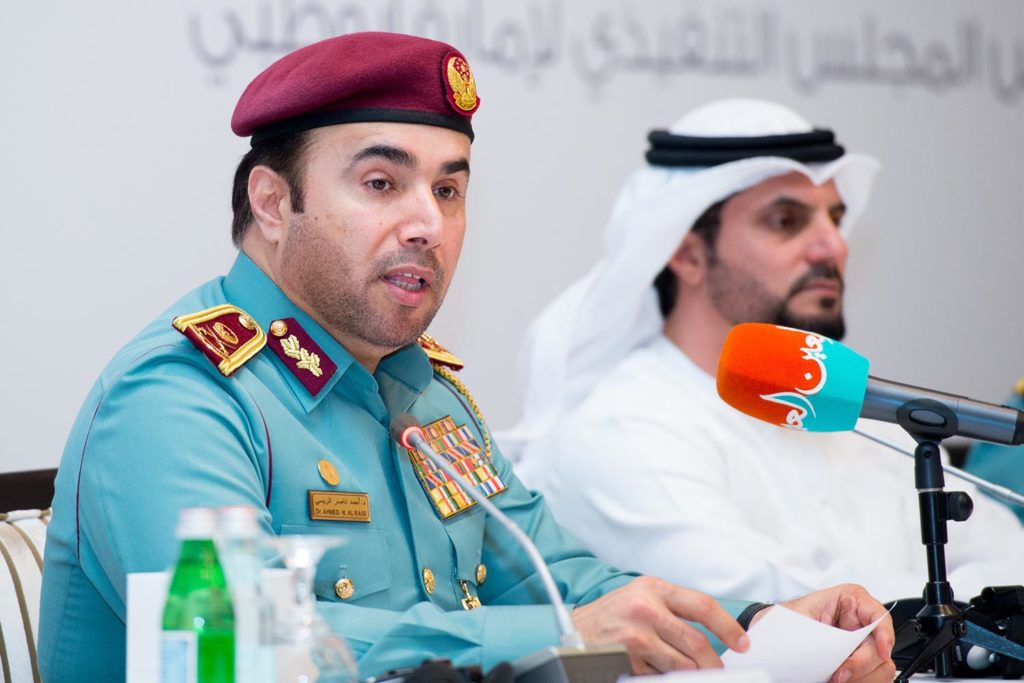
Interpol’s new president is a UAE general who is accused of complicity in torture. Major General Ahmed Nasser al-Raisi has been inspector general of the country’s interior ministry since 2015, giving him oversight of prisons and policing. His unusually public campaign for the Interpol job boasted of his success in bringing surveillance tech and modern policing to the gulf state. The role is unpaid and part time but still gives Raisi significant influence over Interpol’s executive committee. To say human rights campaigners are unhappy about the appointment is an understatement. Matthew Hedges, a British academic, alleges he was arrested and tortured in 2018 Raisi’s authority. He tweeted yesterday that the appointment “gives a green light to other authoritarian states that they can act with impunity”. Lawyers from the Gulf Centre for Human Rights are also accusing the general of “acts of torture and barbarism”, and have filed a lawsuit against him in France, where Interpol is headquartered. Raisi denies the charges and his campaign website proudly proclaims that the UAE is “one of the safest countries in the world”. For whom?
Camp nosh
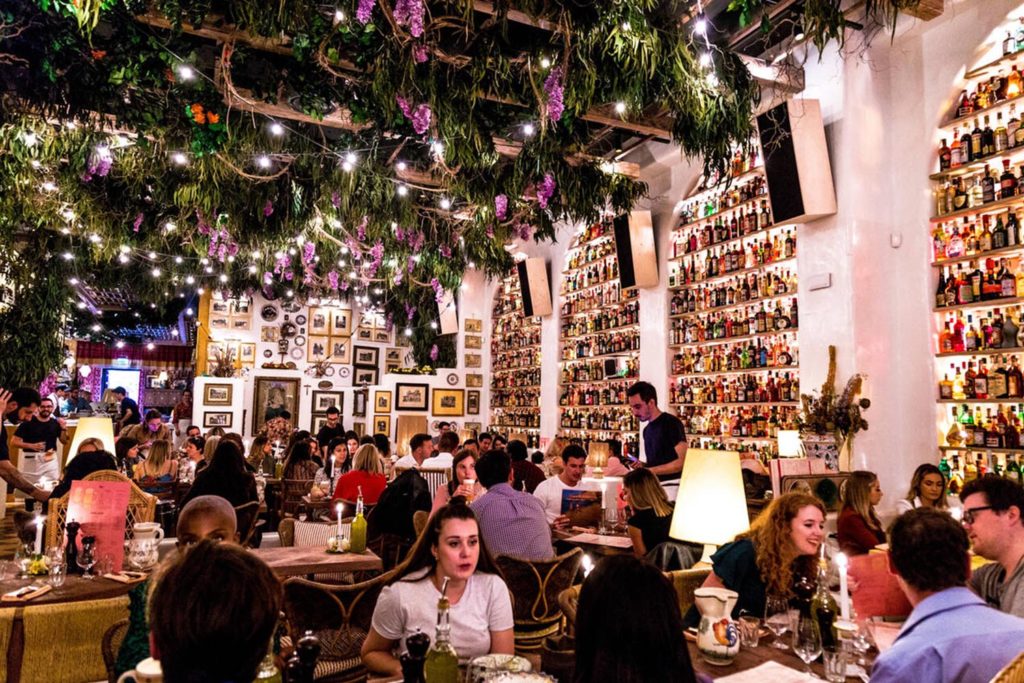
Big Mamma, the camp French restaurant chain that serves Italian food and piles its walls high with bottles, gets a big write-up in Sifted today, not because it’s new – it started life in 2015 – but because it’s interesting. Unlike most French culinary start-ups it got its seed funding from tech investors and went big from the get-go (€3 million for the 200-seat East Mamma in Paris). It calls reservations sexy bookings, encourages its staff to flirt with you and set out to “disrupt” the Italian trattoria business model. One aspect of this model it does not seem to have messed with is keeping the food simple and the margins high. Sifted calls it one of the fastest growing restaurant chains in Europe. Let’s hope it survives the fourth wave.
B.1.1.529 looks serious
The new Covid variant that has sent six southern African countries back onto the UK’s red list is the most heavily-mutated researchers have seen so far and could affect all our lives quite quickly. Its 30+ mutations include many on the spike protein it uses to penetrate healthy cells. It’s highly transmissible, could bypass vaccines currently in use and may leave public health officials with no alternative but to advise a return to lockdown. “If we’re lucky it won’t be a serious one, but it could be very serious,” Professor Adam Finn of the Joint Committee on Vaccination and Immunisation tells the Telegraph. Senior officials in Whitehall are privately deeply worried that B.1.1.529 could force Britons back into their homes by Christmas. It has already been identified in Hong Kong and Israel as well as across southern Africa, where it’s thought to be spreading fastest in South Africa’s densely populated Gauteng province, home to Johannesburg and Pretoria. Much depends on whether existing vaccines offer any protection against it. The answer is not yet known but some researchers say it’s 40 per cent more vaccine-resistant than other variants. Would it have emerged if Africa had been supplied with more vaccines sooner? We’ll never know.
Lindner’s true love
The Greens have made sure Germany’s new coalition is sticking to plans to outlaw the sale of new petrol and diesel cars by 2035, but Carbon Brief has spotted a loophole that’s apparently a concession to Christian Lindner, leader of the Free Democrats, also in the coalition, and a car nut. Sports car owners like him will be able to go on driving them as long as they use carbon-neutral synthetic fuel that is currently scarce and expensive but whose production is being scaled up, not least for aviation. Lindner will be Germany’s next finance minister. He told TopGear Autoguide in 2017 that he owned an old Porsche 911 SC but used a Mercedes S500e plug-in hybrid to actually get around in, and dreamed of… well, “there are many dreams, a Mercedes 300 SEL 6.3, a BMW M635CSi, a Porsche Turbo and a Ferrari 360 Spider”.
Lira down
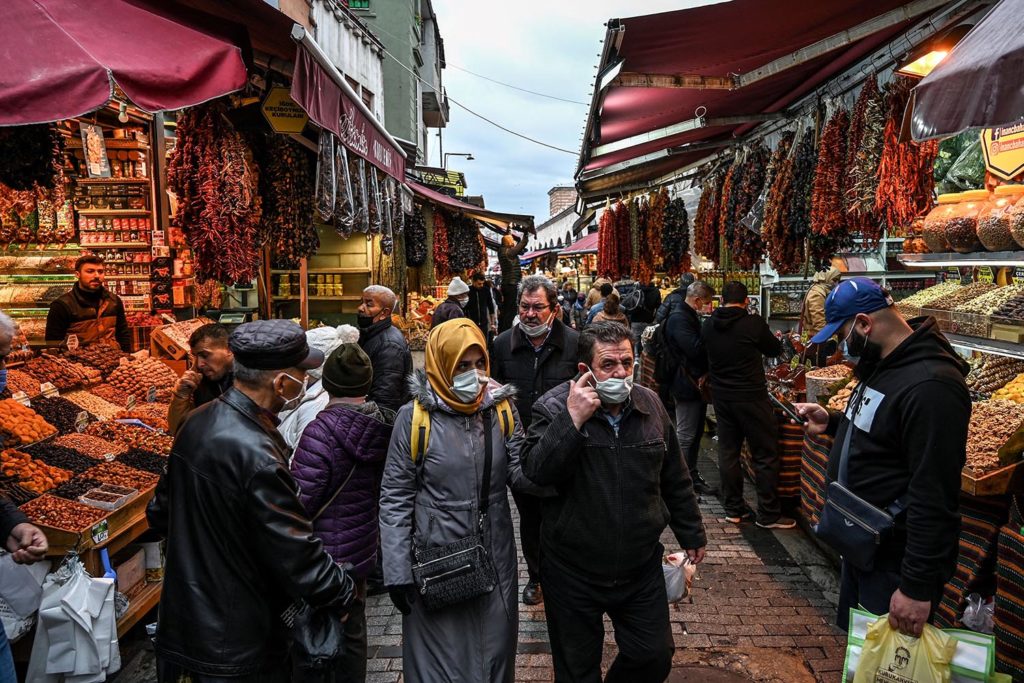
Turkey’s President Erdogan says he’s fighting a “war of economic independence”, but it’s not going well. The lira was down 15 per cent against the dollar at one point on Tuesday after a senior figure in his ruling Justice and Development party, the AKP, suggested that a sound response to inflation for ordinary families would be to buy less food – two tomatoes instead of two kilos of tomatoes, say, or half a kilo of meat a month instead of two kilos. One lawyer’s tweet that went viral said: “When I got in the elevator the dollar was 11.55. When I got out it was 12.15.” Erdogan could slow down inflation and the depreciation of his currency by raising interest rates, but is refusing to do so. He seems to think a cheap lira will boost inward investment and employment – and it might eventually, but in the meantime it’s making life intolerably expensive for most Turks, who want elections brought forward from 2023. Erdogan doesn’t.
Thanks for reading, and do share this around.
Giles Whittell
@GWhittell
Phoebe Davis
@phoebe_ivy
Edited and produced by Phoebe Davis.
Photographs Getty Images, Alamy