What just happened
- Aung San Suu Kyi, the elected leader of Myanmar ousted in a coup last year, was sentenced to four years in jail (more below).
- A French climber who found a box of jewels lost on Mt Blanc since a 1966 plane crash has been allowed to keep half of them.
- Bob Dole, the war hero and former Republican senator who ran for president three times, has died aged 98.
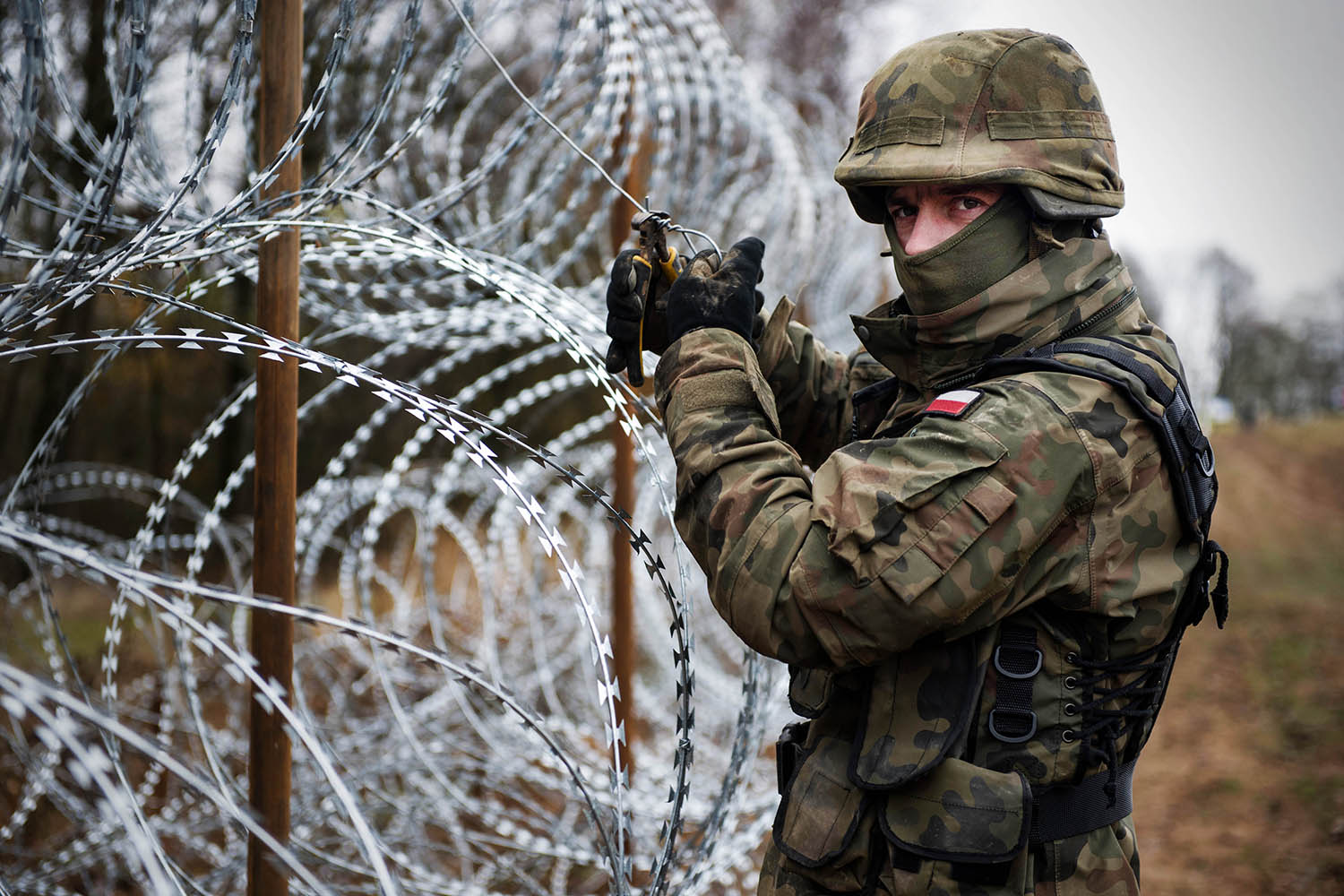
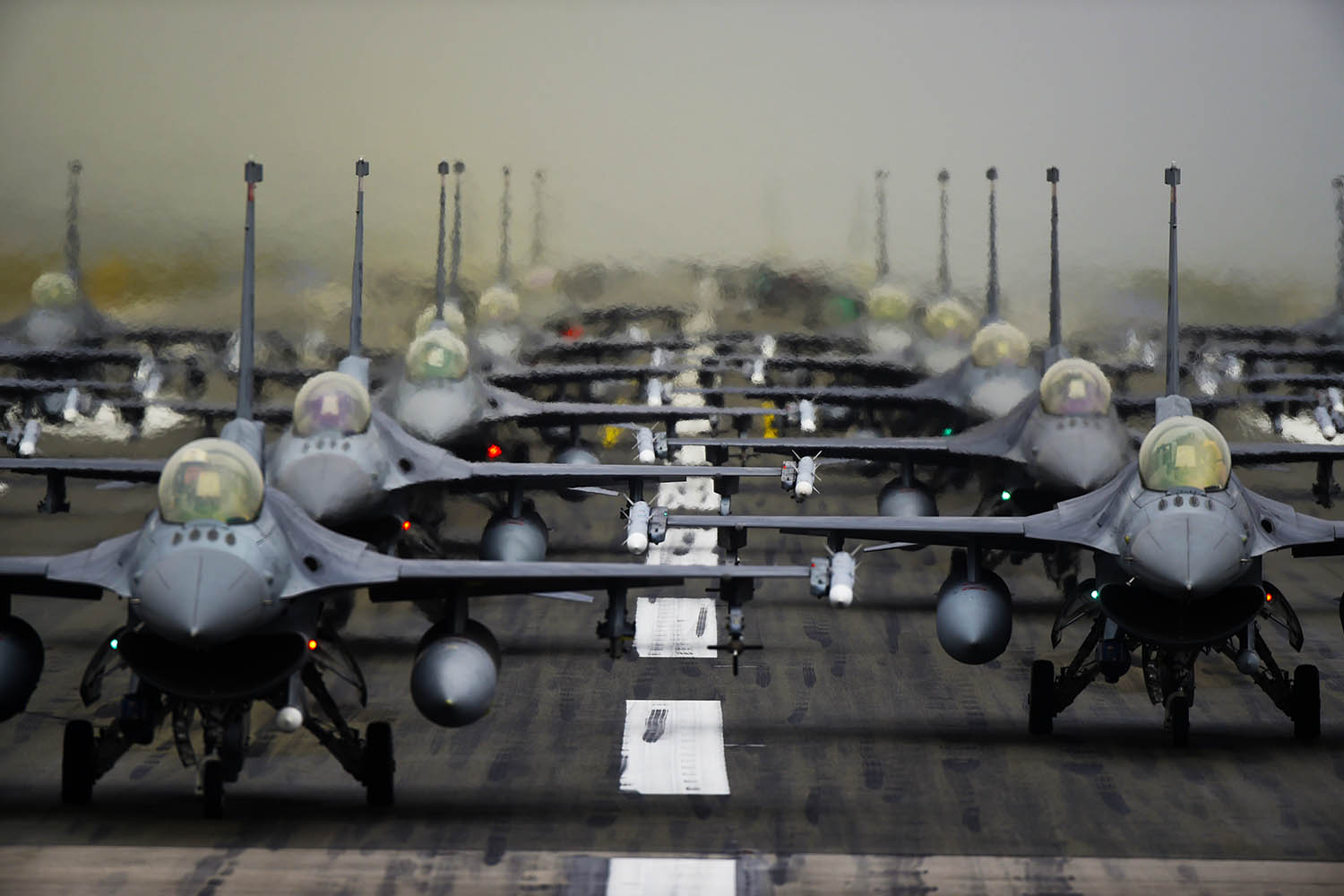
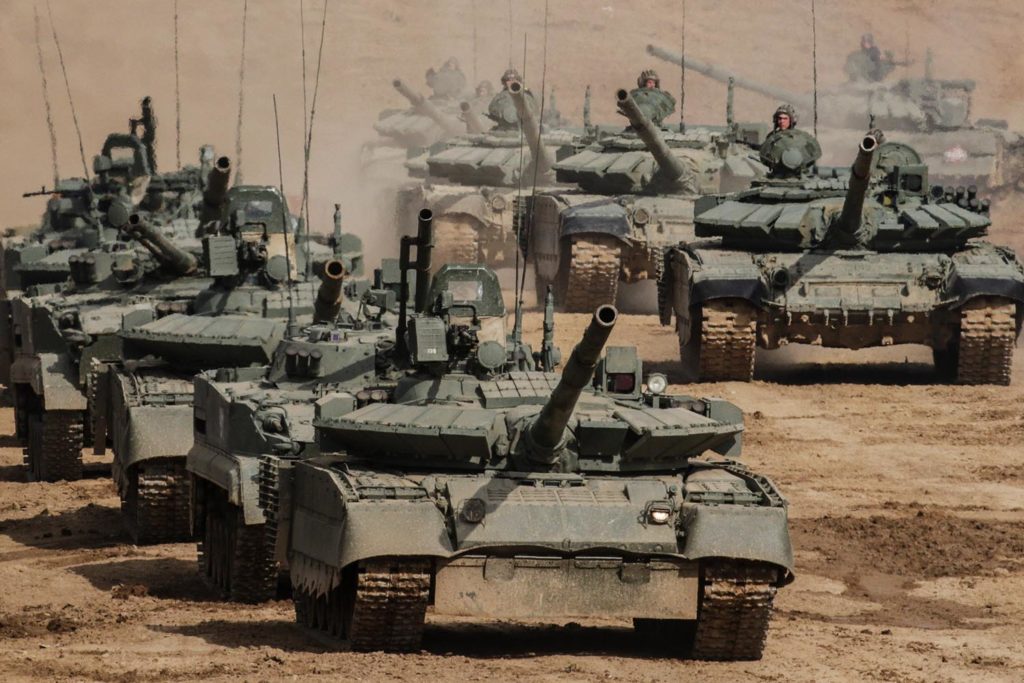
What does Putin want to do with the 175,000 troops he’s assembled on Ukraine’s eastern border? Why has he sent so many tanks, planes, field hospitals and naval assets to the region to support them?
The US says he’s planning to invade, maybe next month. A world distracted by Omicron and gas prices may find it hard to focus on the kind of old-fashioned military threat that mesmerised two generations of western leaders during the cold war, but the Biden administration is trying not to make that mistake.
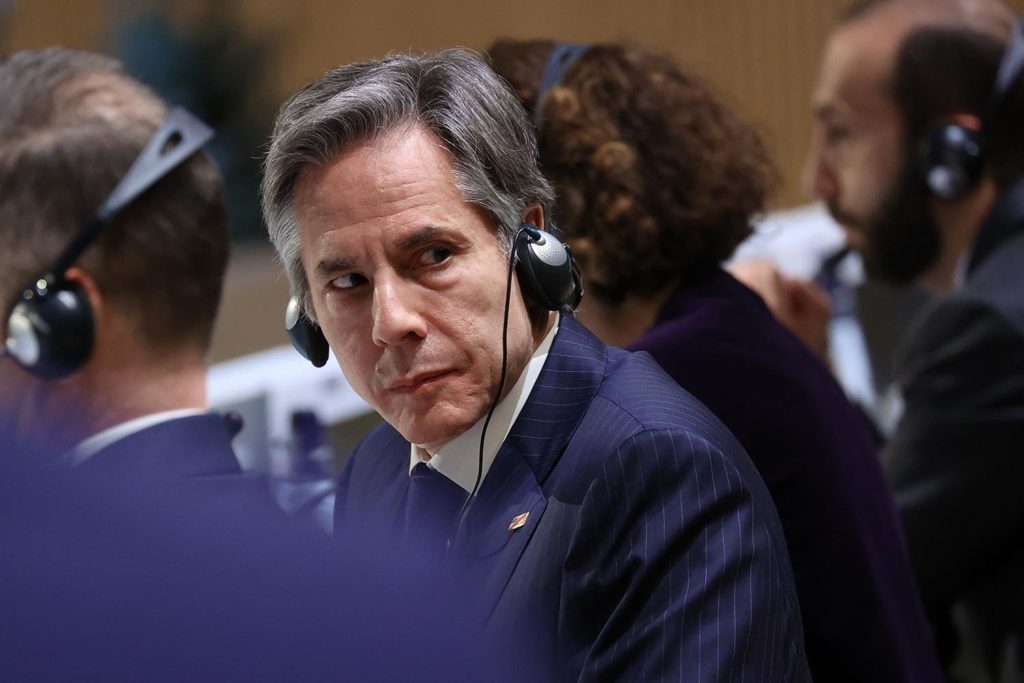
- Tony Blinken, the US secretary of state, spent last week touring Europe telling counterparts and Nato brass the threat was real.
- On Friday the Washington Post published the contents of an “unclassified [US] intelligence document” (best understood as a press release) warning that Russia had 50 battlefield tactical groups complete with tanks and artillery, ready to roll into Ukraine “as soon as early 2022”.
- Tomorrow Biden and Putin will have a video call in which Biden will say the US stands behind Ukraine’s territorial integrity and Putin will demand written guarantees Ukraine never joins Nato.
The kerfuffle prompts two questions: why would Putin even consider tearing up the map of Central Europe with the kind of military adventure traditionally seen as a cue for World War Three, and how would the west respond?
Putin’s pretexts.
- Security. He wants Ukraine back as a pliant buffer state and claims, without evidence, that Nato is considering moving medium-range missiles to Ukraine that would have a flight time of seven minutes to Moscow. This myth-making about western encirclement is important because so many Russians believe it.
- People. As in South Ossetia in 2008 and Crimea in 2014 there are ethnic Russians in eastern Ukraine whom Putin would claim to be rescuing from Ukrainian oppression. Moscow has issued half a million Russian passports in the contested eastern Ukrainian province of Donbass since 2014.
- History. Putin is a hard-boiled nationalist who cleaves to the legend of Kievan Rus as the birthplace of Russia, rejects the idea of Ukrainian independence and calls the long-running Ukraine-Russia standoff a “great common calamity”.
When he annexed Crimea seven years ago, his approval ratings hit 90 per cent. They’re in the low 60s now and polls suggest Russians don’t want another invasion but Putin’s style as an autocrat has generally been to act first and seek approval later.
The response.
- “High-impact economic measures that we’ve refrained from taking in the past.” Thus Blinken last week. He is assumed to be threatening to cut Russia off from the Swift interbank payments network. When Iran was barred from the system it lost half its oil revenue and a third of its foreign trade.
- Intensive diplomacy of the kind seen in the past week, not least because Swift is based in Belgium and excluding countries from it takes persuasion, not just a phone call.
Would Nato react with force? The short answer is no. Ukraine is not a member so Nato’s collective security guarantees do not apply. But i) Ukraine’s armed forces have been strengthened with western help and material including Javelin anti-tank missiles since 2014 and ii) Nato’s secretary general and Biden’s press secretary have both stated forcefully that Russia has no veto over who joins the alliance.
Might Putin be emboldened to act knowing there would probably be no military push-back from outside Ukraine? The short answer is yes.
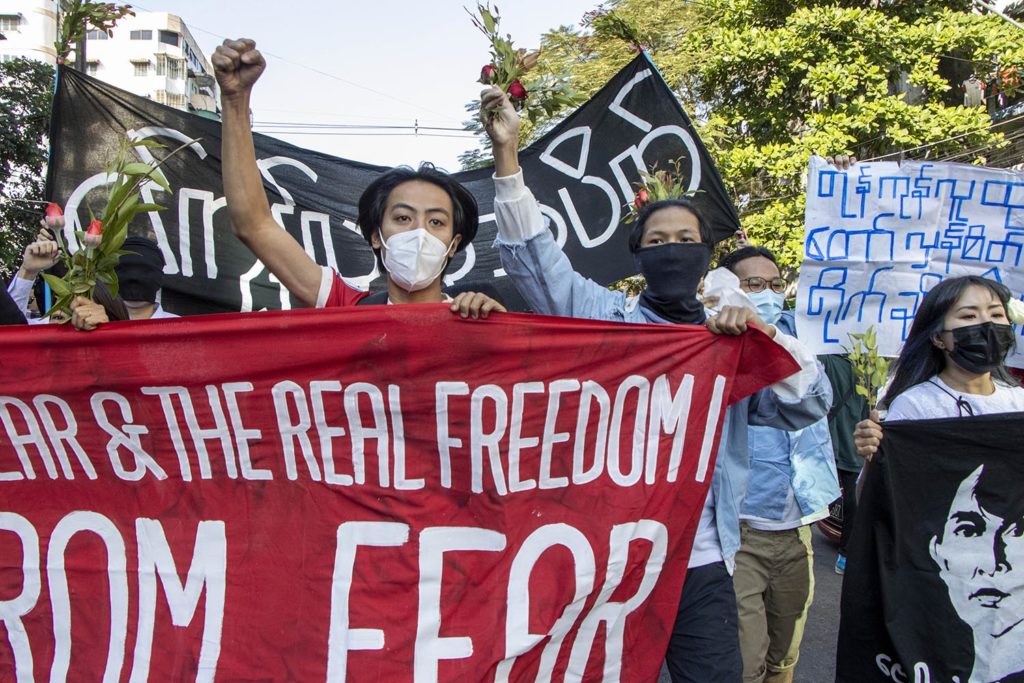
Myanmar
The Junta that put Aung San Suu Kyi under house arrest as part of their coup in Myanmar last year has now sentenced her to four years in jail. Another century’s worth of sentences could follow. The charges – inciting dissent, breaking Covid rules – have been called bogus because they are. ASSK destroyed her own international reputation by failing to come to the defence of Myanmar’s Rohingya Muslims as the country’s first elected leader, but the phoney process that could see her die in custody has nothing to do with that. It’s preemptive revenge by the generals for what they feared might follow ASSK’s landslide win in elections before the coup – namely an end to the uneasy power-sharing arrangement with the military that she had accepted as the price of power. There is a glimmer of hope for Myanmar’s democrats, though: a national unity government they’ve set up largely in exile, funded by the diaspora.
Apple headsets
Stand by for must-have headsets that mediate your experience of the real world with must-have trivia, must-have notifications and must-give data collection for the benefit of big tech. In terms of marking territory in the augmented reality realm, Facebook was first off the blocks by renaming itself Meta. But the WSJ reckons Apple’s next big thing will be Apple specs that “offer access to a layer of information, objects and data spread across our view of the real world” – and that, being Apple, it’ll sweep all before it. Let us remember Google tried this and failed six years ago with Google Glass. That certainly doesn’t mean Apple can’t succeed. It can be to Google Glass what Tesla has been to GM’s EV1: the winner that learned from past losers’ mistakes. But let’s also remember that nothing is must-have. Except perhaps protein, water and sleep.
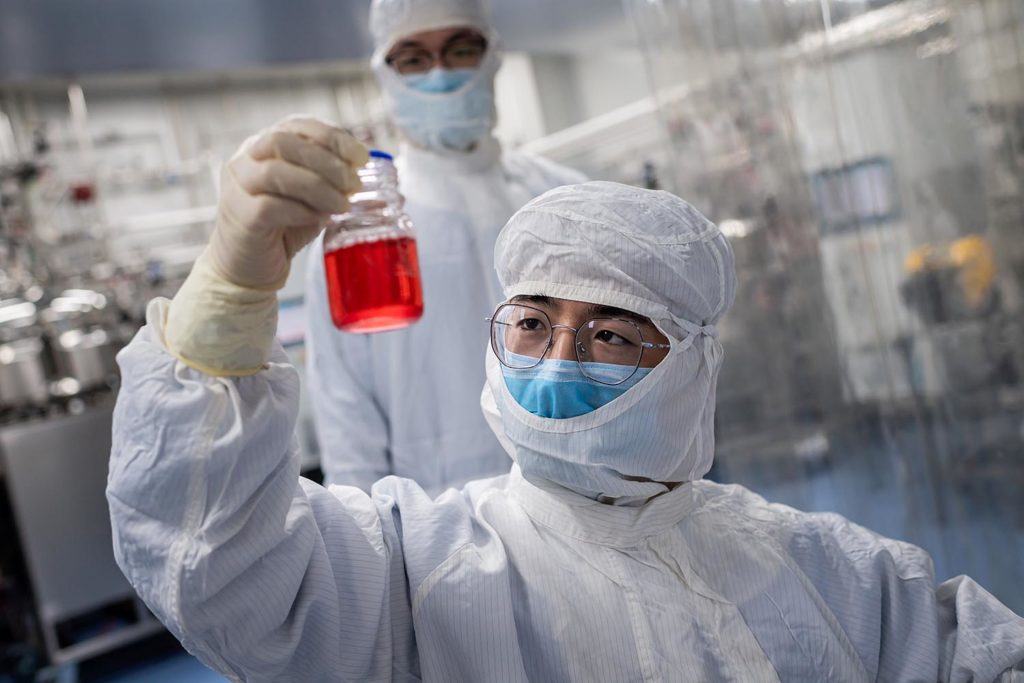
Sino-vaccines
The WHO is frustrated with western vaccine makers for dragging their feet over sharing Covid vaccine patents to accelerate production in and for the developing world, so it’s turning to Chinese manufacturers. The South China Morning Post says the two biggest Chinese vaccine-makers, presumed to be Sinopharm and Sinovac, have been approached by the WHO and have “shown interest in sharing technologies in the early stages”. That’s not the same as sharing patents but China already claims to be the biggest vaccine-maker for the developing world. It’s exported 1.2 billion doses and donated 119 million more. The US has pledged to donate 1.13 billion but so far has delivered less than a quarter of them.
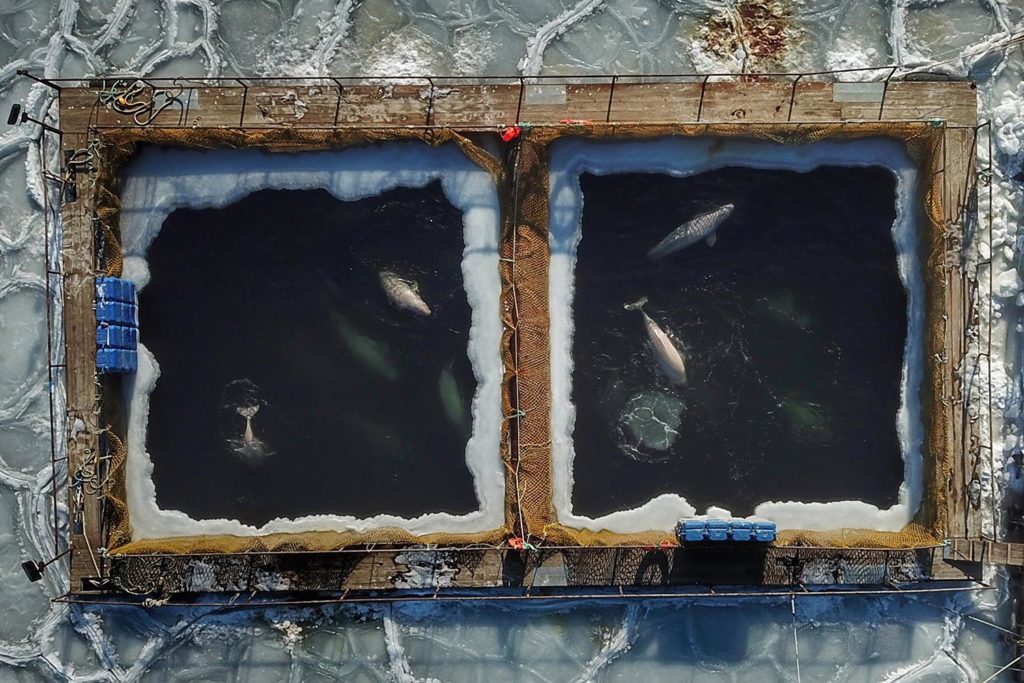
Whale jail
A floating pen that held nearly 100 whales captive off Russia’s far east coast has been dismantled. The whale jail reared captured belugas and other cetaceans for sale to aquariums, mainly in China, until exposed by activists in 2018. The whales were released the following year but the pen remained, moored off the port of Nakhodka, near Vladivostok. It has now been removed to a shipyard and taken apart. Preparing the whales, especially the youngest ones, for life in the wild, was not straightforward. They went through a semi-wild rehabilitation programme first, but according to the head of a local environmental NGO are all now swimming free.
Sports on telly
Remember when BT was a British phone company and Discovery made natural history documentaries? They’re now in talks to form a sports broadcasting giant with lucrative TV rights to Premier League football, Premiership rugby and the Olympics. Because of BT Sport’s successful inroads into football broadcasting, it was already the target of a £600 million bid from DAZN, a streaming company backed by the Ukrainian-born Len Blavatnik, who as of May this year was listed by Bloomberg as the UK’s richest person. Vexed customers of BT’s telecoms businesses may be reassured if they wish the company would focus on its core competencies. The Times says BT’s plan in any joint venture with Discovery would be to fatten up its stake, and sell it.
UK
6/12 – Nigeria added to red travel list; centenary of the Anglo-Irish Treaty; UK 10-year drug strategy published; CBI biannual economic forecast, 7/12 – international arrivals to the UK required to take a pre-departure test; Alok Sharma attends select committee session on Cop26 outcomes, 8/12 – first Ashes test match in Brisbane; foreign secretary Liz Truss speaks at Chatham House, her first major speech in the job, 9/12 – inquest into suicide of Plymouth shooter Jake Davison, 10/12 – French deadline for resolving post-Brexit fishing dispute with UK; G7 foreign ministers meeting in Liverpool begins, 11/12 – pandemic funding for Transport for London ends as driver strikes continue
World
6/12 – World Diabetes Congress begins, 7/12 – Biden and Putin meet virtually to discuss tensions on Ukraine-Russia border; pre-trial conference in new Harvey Weinstein sexual assault case in LA; Forbes publishes list of world’s 100 most powerful women, 8/12 – new Vatican code takes effect criminalising sexual abuse of adults and minors, and toughening penalties for ordinating women; Russian 12-day mission to ISS launches with two Japanese space tourists on board, 9/12 – Switzerland holds indirect presidential election; independent tribunal investigating alleged genocide of Uyghur people releases final judgement, 10/12 – Nobel Peace Prize awarded; Royal Dutch Shell holds general meeting to discuss restructure
Thanks for reading, and do share this around.
Giles Whittell
@GWhittell
Edited and produced by Phoebe Davis.
Photographs Getty Images