

What just happened
- Novak Djokovic won an interim injunction against Australia’s decision to revoke his visa for the tennis Open (more below).
- Pope Francis said couples who chose pets over children were selfish and responsible for a loss of humanity.
- Four Black Lives Matter protesters were acquitted of criminal damage after toppling a statue of the slave trader Edward Colston in Bristol and dragging it into the River Avon.
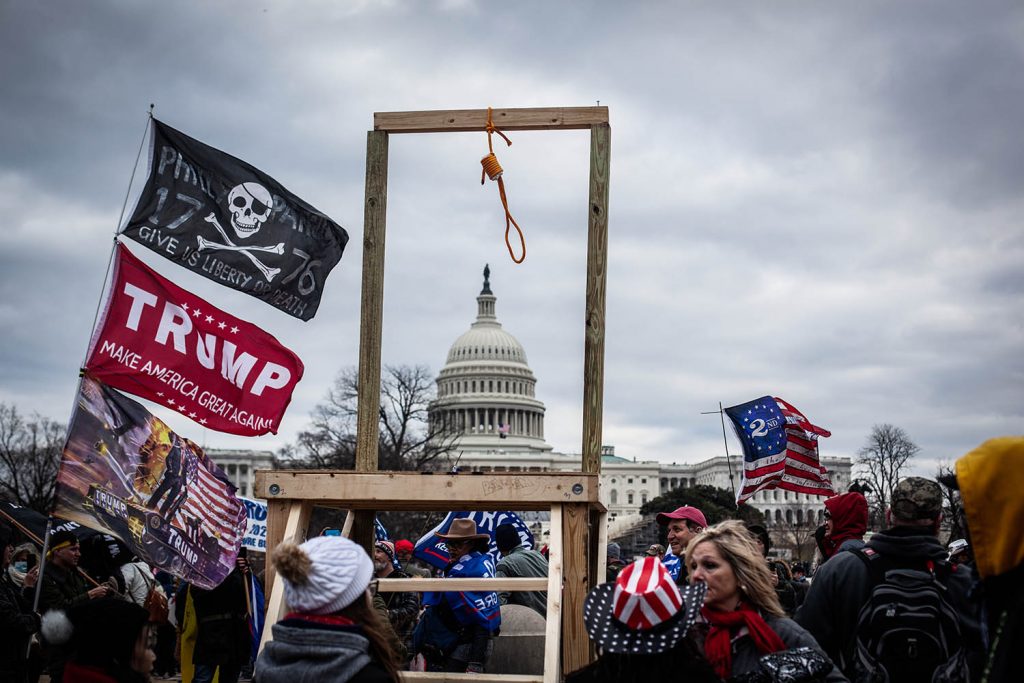
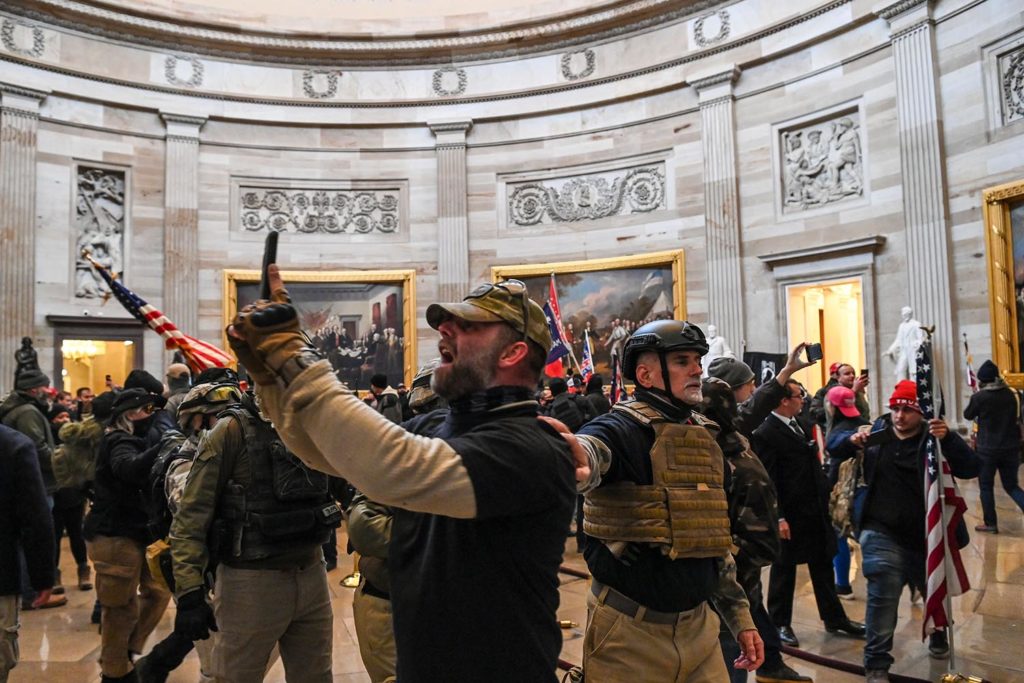
The mob of Trump supporters that stormed the US Capitol last 6 January included vigilantes intent on hanging the Vice President and at least one woman who’d told her children she wanted to shoot the House Speaker in the head.
Trump had fired them up in a speech that morning. Even senior Republicans who had backed him as president seemed to understand then that there had to be a reckoning, and a dismantling of the lie that the election had been stolen.
A year on, not so much. The FBI has made 715 arrests. 325 rioters have been charged with felonies. Jacob Chansley, the horned “QAnon shaman”, is in jail. Congress has vowed to get to the bottom of the events: what had happened, how it had happened and who was involved. But its work is slow and easily sabotaged. History is being re-written as the process drags on, and mid-term elections in ten months’ time could lead to it being scrapped altogether.
The select committee
Senate Republicans blocked initial plans to create an independent commission comparable to the one that investigated 9/11, so it took until the summer for Nancy Pelosi, the Speaker, to begin convening the House select committee that is now investigating the attack.
By then Kevin McCarthy, the House minority leader, was no longer in the mood for serious scrutiny despite his earlier criticism of Trump. Instead he set out to derail the committee, nominating Republicans who had voted not to accept the election results. Pelosi rejected two of his candidates – and McCarthy ceased cooperating.
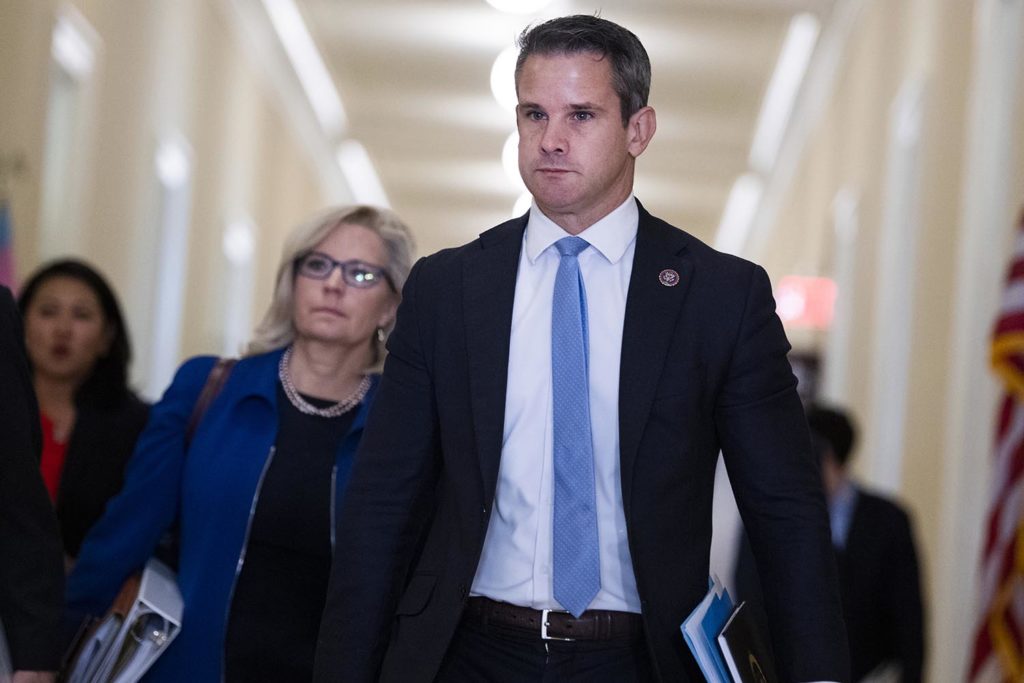
The committee Pelosi created is nevertheless bi-partisan. She appointed seven Democrats to the panel and two Republicans: Liz Cheney and Adam Kinzinger.
- The take. The committee’s 40-strong team has interviewed 300 witnesses, issued more than 50 subpoenas and amassed tens of thousands of pages of evidence. But a public accounting of these facts is yet to come: there has been only one hearing.
- What they don’t have. The committee is still waiting to get hold of Donald Trump’s White House records. He’s been fighting against their release in the courts on grounds of executive privilege. The committee is struggling to pin down recalcitrant members of Trump’s inner circle too. Several acolytes (including former chief strategist Steve Bannon and White House chief of staff Mark Meadows) have refused to appear before the committee. Others (including the lobbyist Roger Stone) have turned up but pleaded the 5th.
- What’s next. Public hearings are likely to begin early in the year, continuing into the spring. The Washington Post says committee staffers are hoping to release an interim report by summer and a final report before the midterms in November.
The committee has been assiduous in collecting evidence. Now it’s time for storytelling. Liz Cheney says the hearings will set out what happened – both at the Capitol and in the White House – “in vivid colour”. But will a compelling narrative be enough to convince the American public that Trump deserves the blame?
The voters. Most Americans think the Capitol attack was “threatening to democracy”, according to polling by Ipsos and ABC News.
But that belief is divided along partisan lines:
- 96 per cent of Democrats say the attack was a threat to democracy.
- 45 per cent of Republicans agree.
- 52 per cent of Republicans believe the rioters were “protecting democracy”.
And the conviction among so many Republicans that the election was “stolen” is proving impossible to dispel. Immediately after the election in November 2020, 70 per cent of Republican voters said they believed the vote was not “free and fair”. That number remains virtually unchanged.
The Republican base is in thrall to Trump and party leaders are following its lead. Trump allies are running on “stop the steal” tickets in this year’s midterms. More than 150 of his supporters are seeking state-level posts specifically to be in position to manage the election and vote-count come 2024. Once-rising stars who dared to repudiate Trump are being frozen out of power, Cheney and Kinzinger chief among them.
Trump himself has been persuaded by allies not to hold a press conference today. The real president will make a speech assigning his predecessor “singular responsibility” for the attack. Jimmy Carter, the former president, wrote yesterday that America was “at genuine risk of civil conflict and losing our precious democracy”.
America has come back from worse, but not for a long time.


