What just happened
- Novak Djokovic won the right to stay in Australia and defend his tennis title, subject to appeal by the immigration minister.
- Russia said it had 75 planes on standby to fly more troops to Kazakhstan after officials said 164 protesters had been killed there.
- At least 19 people including nine people died in a fire in an apartment building in the Bronx.
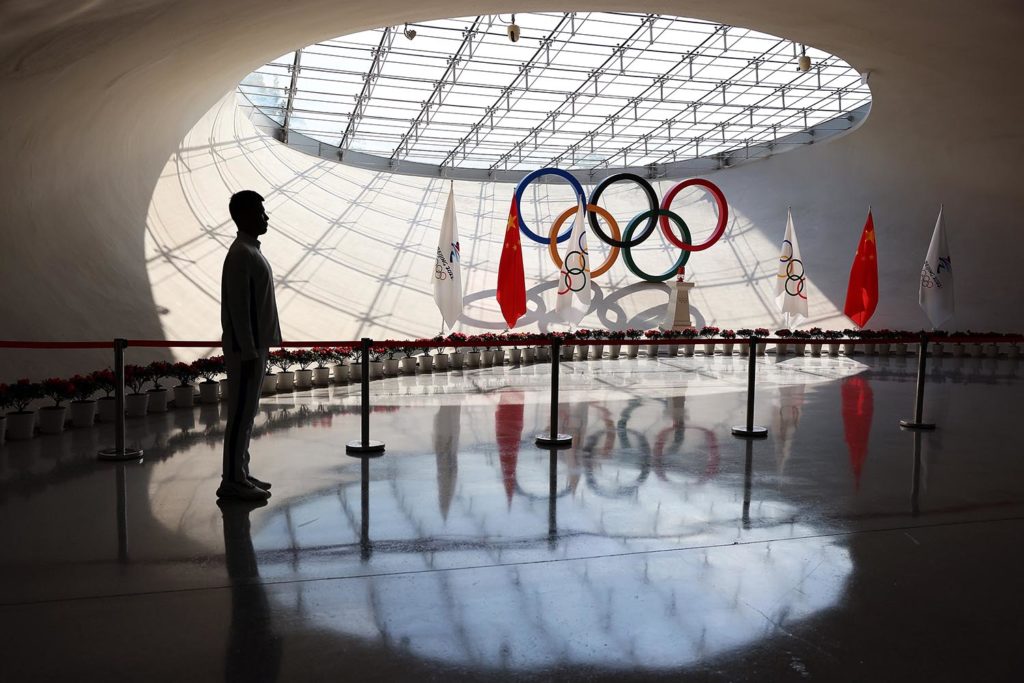
Democracy is in the dock. In less than a month, China will defy the western world to beat it on the ice rink and the bobsled run. Not for the first time, the real point of it all will be to show that Chinese authoritarianism delivers more than democracies in the worlds of governance and growth as well.
The Winter Olympics are being boycotted by dozens of VIPs from democratic countries but Xi Jinping is more confident than ever that they have little to teach him that’s worth knowing. His navy builds the equivalent of the entire French fleet every three years. His GDP growth is the envy of Wall Street even allowing for massaged numbers. His bullying of Hong Kong is paying off and his internet firewall is holding against what turns out to be the rather feeble forces of free speech.
It’s the democrats’ move. They have been brave failures in Venezuela, Belarus and Myanmar. If they were democrats who stormed the presidential residence in Kazakhstan, they seem tragically to have failed there too.
Worldwide, long term, democracy is in retreat. In 2020 there were 23 full democracies and 52 flawed ones, according to the Economist Intelligence Unit’s Democracy Index. In 2010, there were 26 full democracies and 53 flawed ones. According to Freedom House, 2021 marked the 15th consecutive year of decline in global freedom.
The cause is not lost. More than 40 presidential and parliamentary elections are scheduled for this year from Senegal to Serbia and Libya to Timor-Leste. Three in particular are worth previewing as bellwethers for centrism, progressive politics and the rule of law respectively:
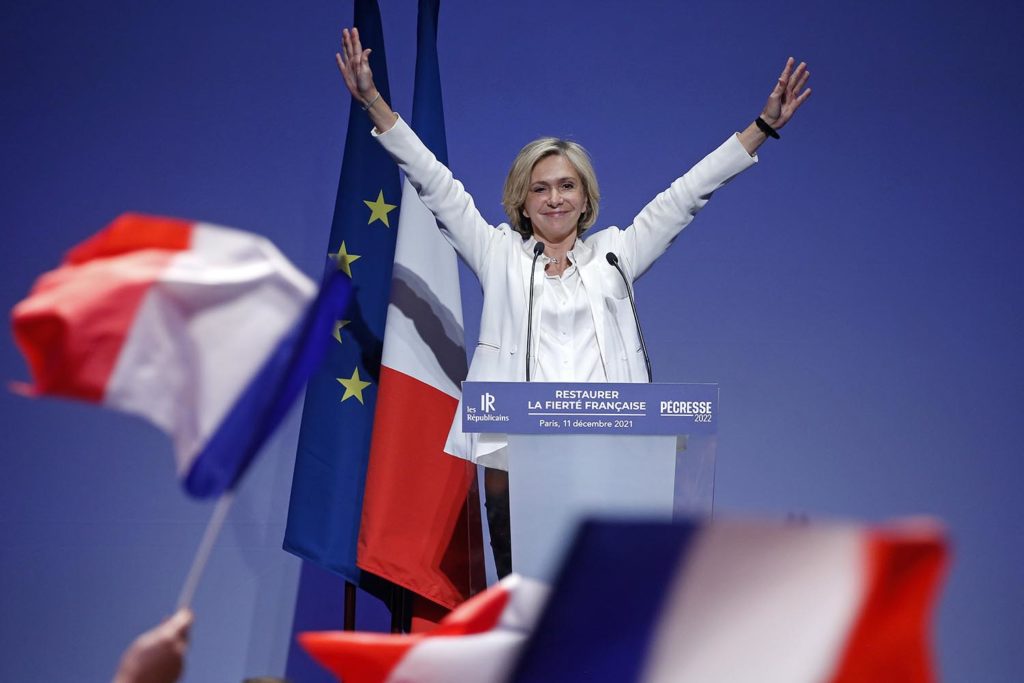
France – 10 and 24 April – presidential
- Contenders. Emmanuel Macron faced one serious threat from the right in 2017. Running now for five more years, he faces three: Valerie Pécresse, the first woman to run for president from Les Républicains; Marine Le Pen, head of the National Rally party, defined by her opposition to immigration; and Éric Zemmour, the hard-boiled hard-right pundit who calls abortion “collective suicide” and got a boost at the weekend with the defection of Guillaume Peltier from Les Républicains to his campaign.
- Forecast. Polling predicts Macron will win a second term. The vote will go to a runoff between Macron and another candidate, likely to be Pécresse. Until she won her party’s nomination in December, the election had looked like it would be a (relatively easy) contest between him and Le Pen or Zemmour. Polls suggest Macron would beat Le Pen or Zemmour by at least 10 points. His lead over Pécresse is slimmer. The question is whether she splits the right and leaves Macron with a re-election stroll, or unites it behind her.
- Health check. Macron and his La République En Marche! made it to the Élysée promising to reform French democracy, but voters are still frustrated: a poll last year found that 68 per cent of French citizens think their political system still needs either “major changes” or “complete reform”.
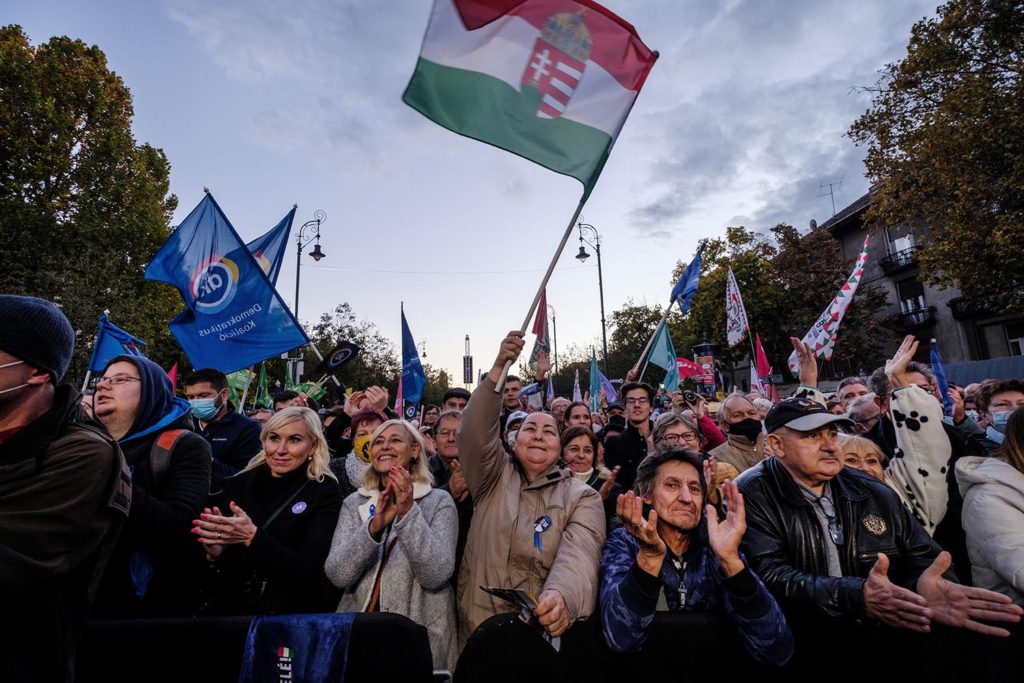
Hungary – April – parliamentary
- Contenders. Viktor Orbán, in power as a firebrand populist since 2010, has united the opposition against him. Péter Márki-Zay, a small-town mayor and a Catholic conservative, won the backing of a diverse opposition coalition in a primary last year. It consists of six parties, most of them left-leaning, plus the centre-right (formerly far-right) Jobbik party, hoping to beat back Orbán and Fidesz, which he has built into a nationalist juggernaut.
- Forecast. The race looks close, but Orbán leads. Gábor Halmai, a Hungarian constitutional law expert, tells the Sensemaker that “this time the chances [for the opposition] are the highest since 2010”. But he’s still pessimistic about their prospects. The opposition’s chances may be higher, but they’re up from a very low base and Orban controls Hungary’s public media companies and his allies have bought up most of the private ones. It’ll be hard for Márki-Zay to get his message through.
- Health check. A generation after the cold war, Freedom House rates Hungary only as “partly free”. Before the pandemic Fidesz had exploited its parliamentary super-majorities to force through constitutional changes that gave Orban broad control over the judiciary as well as the media. He then seized on Covid as an excuse to rule by decree indefinitely. His contempt for the rule of law could jeopardise Hungary’s EU membership if he wins another term as PM. The new coalition has revived hopes that Hungary could reverse its retreat from democracy – but that hope is faint.
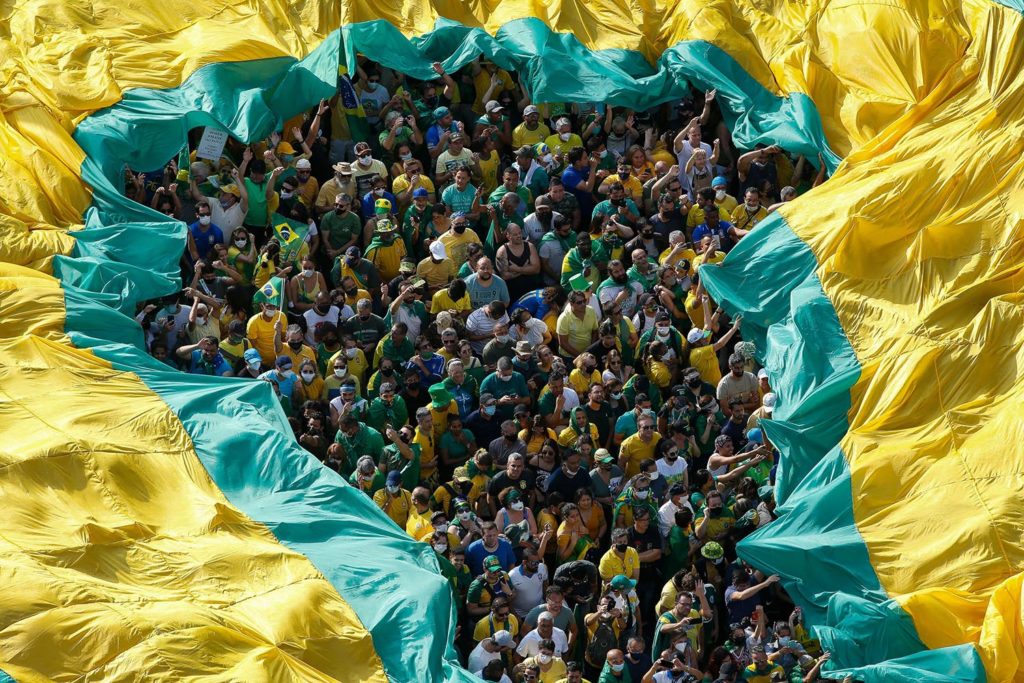
Brazil – October – presidential
- Contenders. “Trump of the tropics” Jair Bolsonaro will probably face leftist former president Luiz Inácio Lula Da Silva.
- Forecast. 2022 could be Lula’s comeback year. He was jailed in 2018 on corruption and money laundering charges related to his time in office from 2003 to 2010. The charges kept him from running against Bolsonaro in 2018 but his conviction was overturned last year. Lula leads in some polls by nearly 30 percentage points, and high unemployment and inflation mean it’ll be hard for Bolsonaro to convince Brazilians another term for him would be any good for the economy. His disastrous handling of the pandemic hasn’t helped his popularity either – 63 per cent of Brazilians now say Bolsonaro is incapable of leading the country.
- Health check. Bolsonaro is taking no prisoners; last year he said his options were arrest, death or victory. He’s copying Trump, too, making claims that the country’s electronic voting machines are vulnerable to tampering. Expect more “stop the steal” style rhetoric as polling day gets close.
What if China democratised? Most people consider it an absurd question, but Mark Katz of George Mason University asks it anyway in The National Interest, prompted by last year’s book by the former British diplomat Roger Garside on China’s (notional) “great leap to freedom”. Katz’s answer is that existing democracies the world over would swiftly align with a democratic China even if it meant cutting or loosening ties with an ever-more polarised and gridlocked USA. Mandarin lessons, anyone?