What just happened
- Sue Gray delivered her report on lockdown parties in Downing Street to Boris Johnson, making “minimal reference” to lockdown parties in Downing Street.
- A blizzard nicknamed Bombogenesis covered much of the northeastern US in more than two feet of snow.
- Rafael Nadal won a record 21st grand slam in a Melbourne five-setter for the ages against Danill Medvedev.
Remember the Great Resignation? So last month. The idea of hitching the family wagon to a pair of oxen named Stuff This and WTF and heading for a new life in the mountains or at least a less soul-destroying work-life balance in the Mendips was fun while it lasted – but it was only an idea.
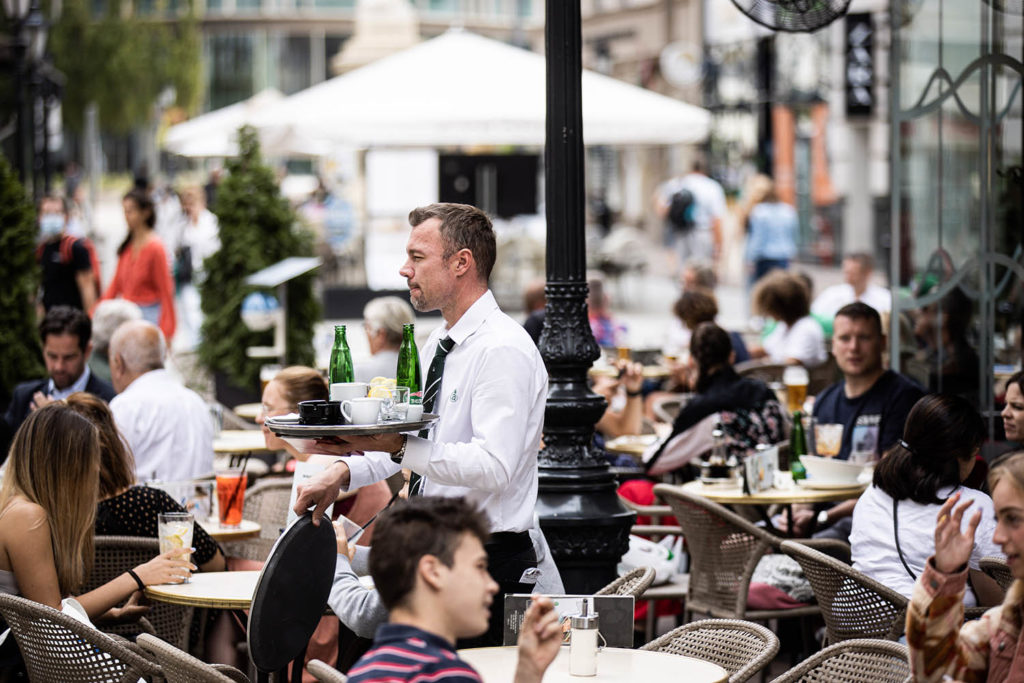
People are going back to work. What has changed is that many on low pay in the food, leisure and hospitality sectors are finding they can hold out for a better deal. Which prompts a couple of questions. What if they get one? And what if they vote?
By country:
- US. This is where the Great Resignation was invented as a term of art and it’s true that i) more than 33 million Americans quit since last spring; ii) job vacancies are at near-record levels; and iii) labour force participation fell during the pandemic. But: that fall (1.4 per cent) continued a long-term decline that started in 2000. Most of those vacancies are for low-wage jobs, and most will be filled when wages rise above inflation. It turns out workers still need money; they’re just in an unusually strong bargaining position. The idea of yuppies falling out of love with work heading for the hills in droves isn’t born out by the numbers. A grand total of 360 left San Francisco for Montana in the first three quarters of last year.
- EU. “We are not experiencing anything like the Great Resignation,” Christine Lagarde of the European Central Bank said earlier this month. Covid support funds were aimed at employers rather than individuals so unemployment never spiked as high as in the US. Labour shortages now are not as acute and labour force participation is near – or in Frances’ case above – pre-Covid levels.
- Ireland. The idea of a Great Resignation “isn’t just overbaked” – per Eoin Burke-Kennedy in the Irish Times. “It’s just plain wrong.” In the two years spanning the worst of the pandemic, total employment and labour force participation for men and women all dipped – then rose to record levels.
- Australia. Labour force participation dipped by two per cent last year but is back up at pre-Covid levels now. Unemployment, at 4.2 per cent, is at its lowest level since August 2008. Job vacancies in hospitality are at nearly double pre-Covid levels – because of surging demand for labour, not shrinking supply.
The UK could be the exception. New official numbers show there are about a million fewer workers than before Covid, of whom 400,000 are “economically inactive” – i.e. opting out for now. But they could be suffering from Long Covid or waiting for wages to catch up with inflation. As for the other missing workers, Tony Wilson of the Institute for Employment Studies reckons a third of the total haven’t so much quit as quit the country. They’re EU nationals who’ve tasted the Covid-Brexit cocktail, and left.
Those left behind are in a sellers’ market when it comes to pricing their time. Ditto tens of millions of US workers, especially those with union backing holding out for better deals in the tightest labour market in a generation. If they vote their pocketbook in November, could the Democrats cling on?
Misunderstood billionaire
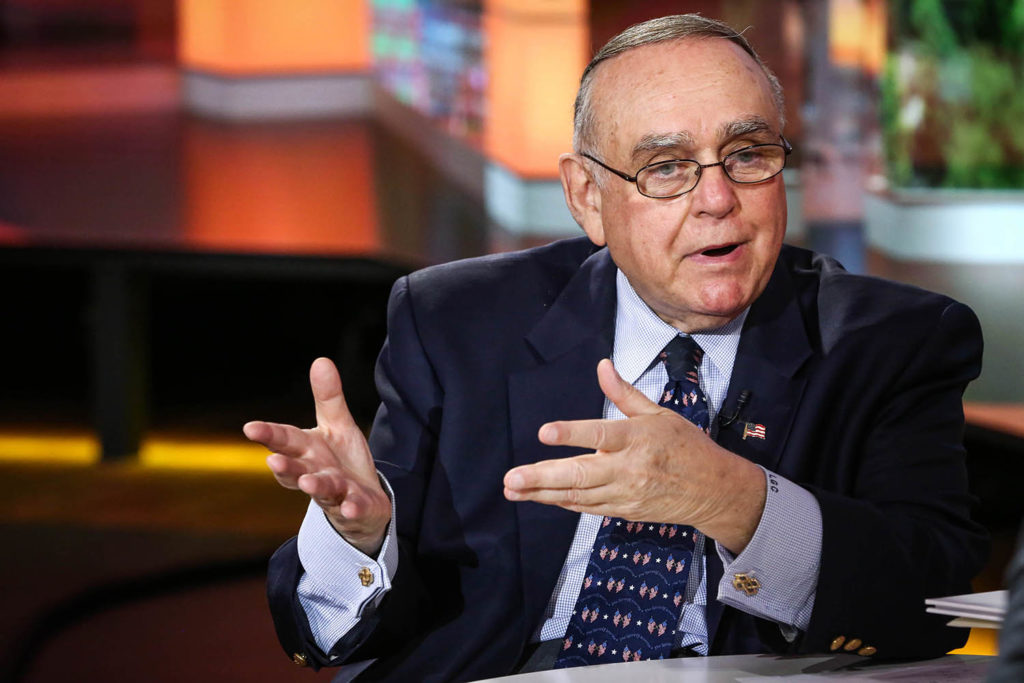
Spare a thought for Leon Cooperman, who lives in the Florida panhandle and at 75 is still at his desk from 7am to midnight. He drives a Hyundai when he isn’t on his 25 year-old bike, likes to buy cuts of meat that are on special offer and, try as he might to give his money away, is still worth $2.5 billion. The Washington Post has profiled him at length as a phenomenally successful fund manager who agrees with Andrew Carnegie that “he who dies rich, dies disgraced”. So instead of signing up to Warren Buffet’s “Giving Pledge” to give half his money to charity, he’s decided to give nine-tenths of it away – and has gone back to work so there’ll be more of it when he’s done.
Kissinger’s problem
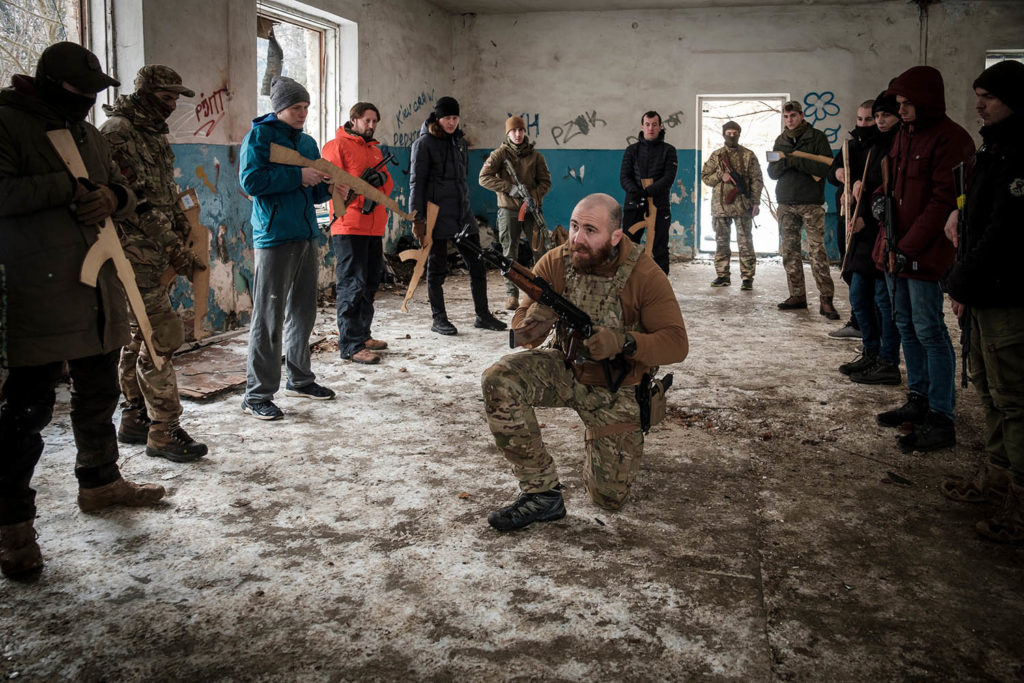
Putin sometimes has the same problem Henry Kissinger used to complain of in relation to Europe; not knowing whom to call. Boris Johson has put in a bid for a telephone conversation with the Kremlin but when Putin had to choose on Friday he chose President Macron. They spoke for an hour and agreed on the need to de-escalate the stand-off on the Ukrainian border. Putin said he wanted to implement the Minsk Accords – a four-way pact involving Russia, Ukraine, France and Germany but not the US, Nato, the EU or the UK. Macron then spoke at length to Ukraine’s President Zelensky too. Put aside the risk of war for a moment and the Ukraine crisis becomes, among other things, a stage for yet another Franco-British arm-wrestle for diplomatic clout. For now it’s clear who’s winning.
The GRU’s infowar
The GRU, Russia’s military intelligence agency, is running more than 1,300 local news websites targeting cities and towns along Russia’s western borders with Ukraine, Belarus and the Baltics, according to OpenFacto, a French investigative journalism platform. The platform claims to have identified “a distinctive snippet of source code” that enabled it to trace content on all 1,341 sites to a bogus news agency called InfoRus which it says is run by the GRU. That is hard to confirm, but Open Facto asks whether the tight geographic focus of these sites, or portals, is in response to perceptions in Moscow that Russia’s westernmost reaches are also the most exposed to western media. It seems an interesting question. To note: InfoRus also pumps out propaganda along Russia’s southern border with Georgia.
Anti-vax, Canada style
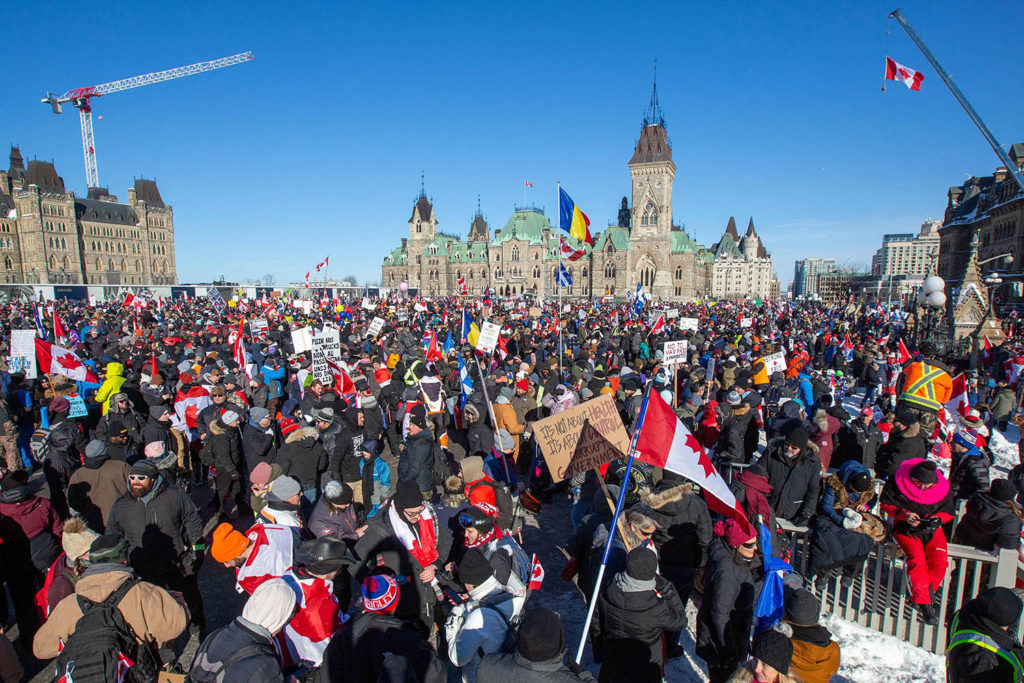
Canadian truckers brought central Ottawa to a standstill at the weekend, protesting against a vaccine mandate imposed on truck drivers who cross the US-Canadian border. Canada’s vaccination rate is high. 87.3 per cent of Canadians over 12 have received at least two doses, but the unvaccinated minority is still burdening hospitals and angering the vaccinated majority. That doesn’t mean they’ll necessarily prevail. If money were ever a problem for the protesters they’ve solved it by raising more than $9 million (Canadian) on GoFundMe. In the UK, Johnson’s government is having second thoughts about a vaccine mandate for health workers, fearing so many of them would quit that hospitals couldn’t cope. The experience of New York state and other jurisdictions that have taken the plunge with mandates suggests such fears are overblown.