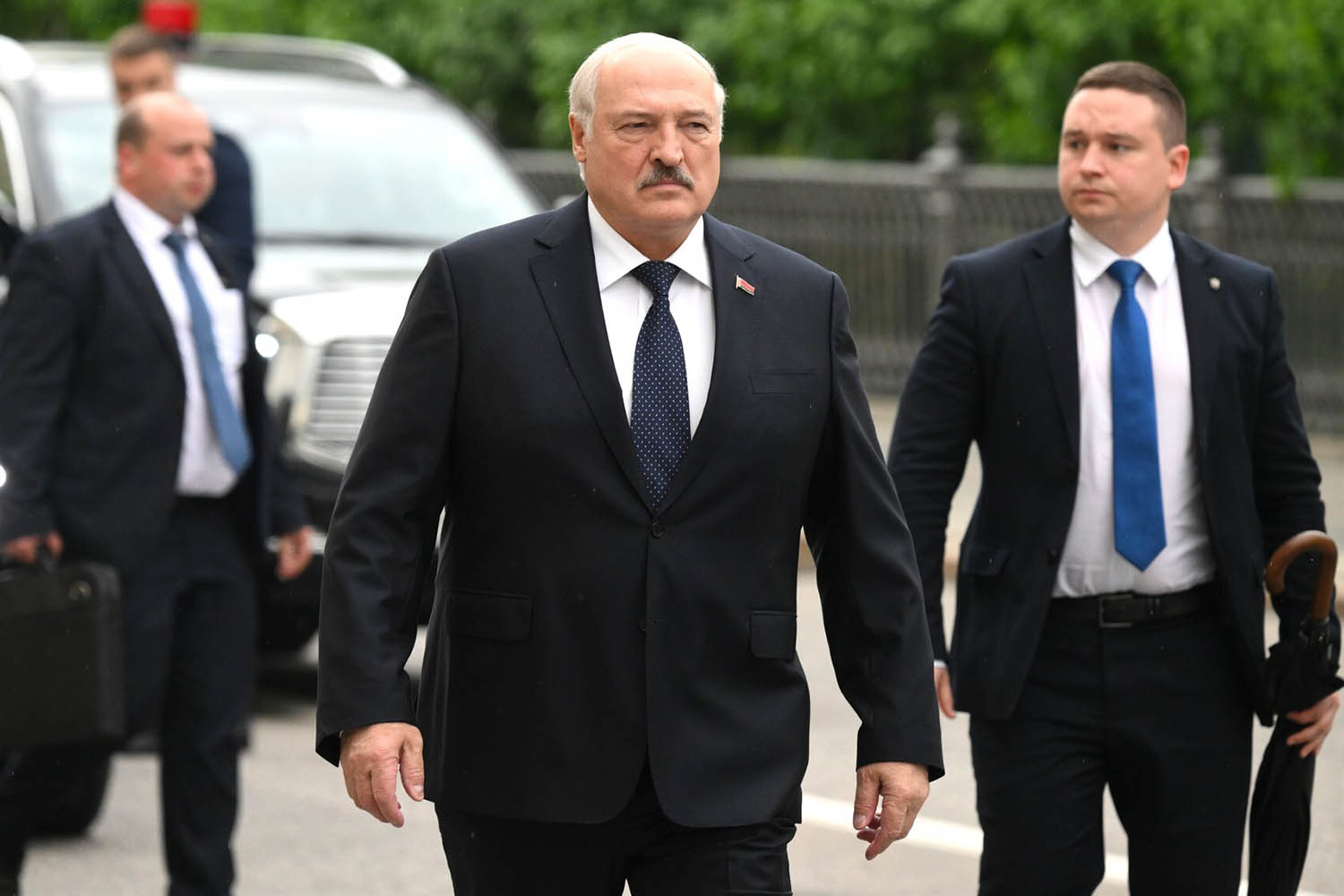
What just happened
- Emmanuel Macron prepared to fly to Moscow on a mission to prevent Russia invading Ukraine by acknowledging it deserved respect as a “great country”.
- Two new appointees – a chief of staff and a director of communications – started their jobs in Downing Street, where Boris Johnson is conducting a reorganisation to try to stay in post (more below).
- Peng Shuai, the Chinese tennis star, gave an interview monitored by Chinese officials in which she said her 1600-word Weibo post last November accusing former vice premier Zhang Gaoli of forcing her to have sex with him had caused a “huge misunderstanding”.
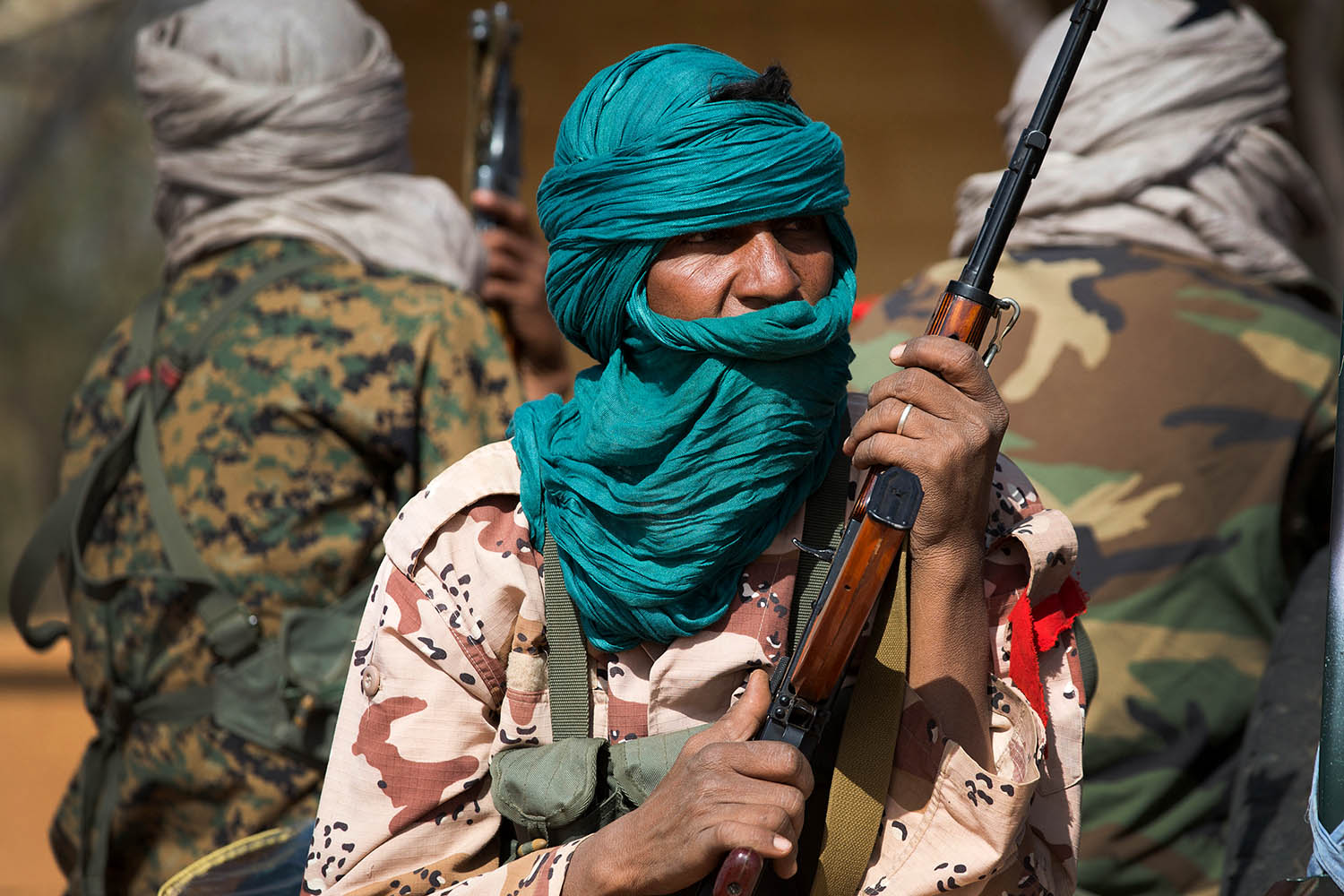
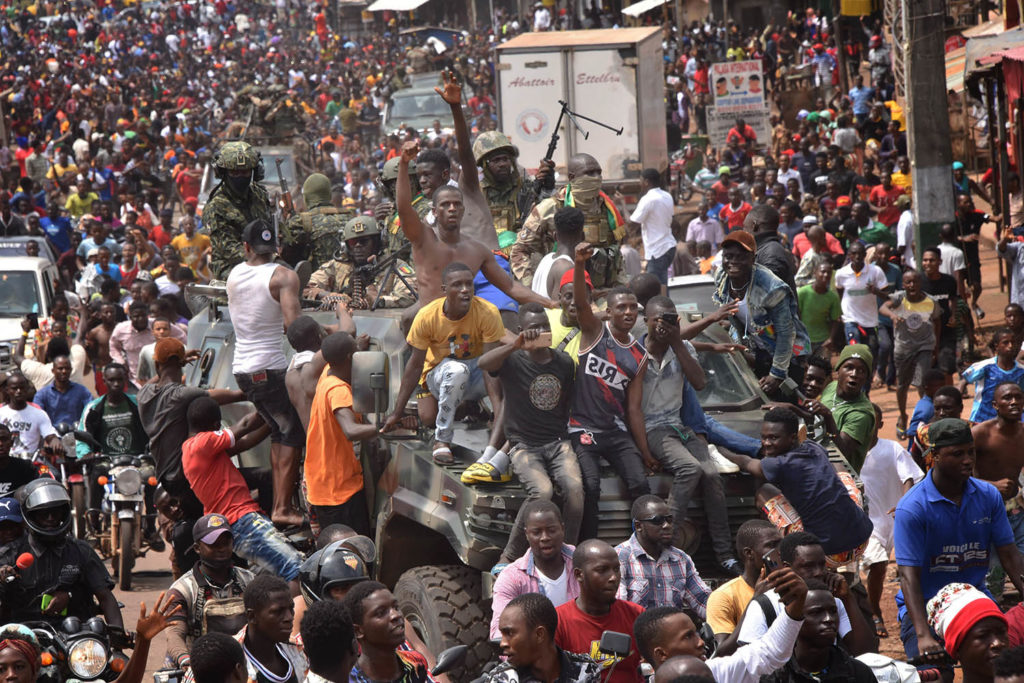
Is Covid making coups contagious? Reporting of case numbers in Africa is notoriously unreliable but civilian governments are falling fast, especially in the Sahel. Researchers say the virus isn’t helping.
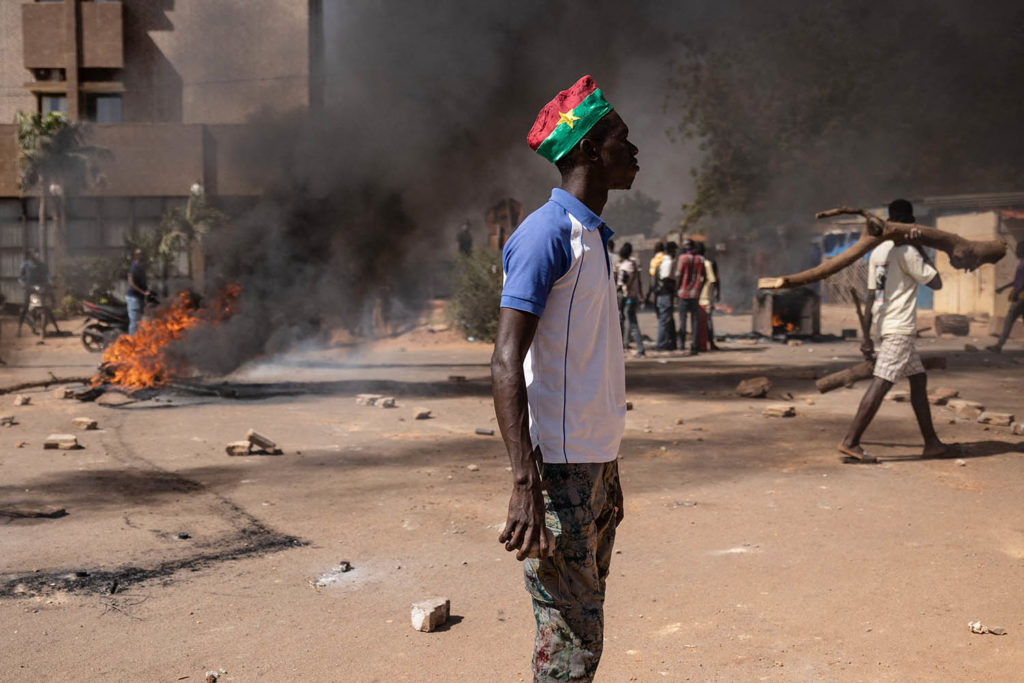
After a long-term decline in coup numbers in Africa for the first two decades of this century there have been five in the past 12 months, including one late last month in Burkina Faso. If the pandemic is part of the reason, Niger could be next.
African Union leaders, meeting in Addis Ababa at the weekend, condemned the “wave of unconstitutional changes of government” and suspended Burkina Faso’s union membership. Guinea, Mali and Sudan are already suspended.
Jonathan Powell, who maintains a global database of coups at the University of Central Florida, says there was already a clear correlation between poverty and instability pre-Covid, but that the pandemic may be undermining civilian governments by
- straining already scarce resources; and
- distracting the attention of international players including – for example – France.
Other factors are at work:
- Jihadism. Militants linked to Al Qaeda and Islamic State have displaced 1.5 million people and killed more than 2,000 in Burkina Faso alone since 2015, and mid- and lower-ranking soldiers have popular support for their complaints about being ordered to re-impose control underequipped and often unpaid. One result was celebration rather than fear in the streets of Ouagadougou when Lt Col. Paul-Henry Sandaogo Damiba, a 41 year-old scholar-soldier with a treatise on West African terrorism to his name, elbowed President Roch Kaboré from power two weeks ago.
- Cocaine. Drug cartels have turned Guinea-Bissau into a trafficking hub for cocaine bound for Europe from South America – and were blamed for a failed coup attempt against the incumbent president, Umaro Embaló, last week. When Embaló himself was installed by the army last September his supposedly democratic predecessor, Alpha Conde, was missed by almost no one.
- Fatigue. Western democracies and the African Union preach the virtues of pluralism but have few effective mechanisms at their disposal to prop it up. France’s military deployments in its former colonies in the Sahel starting in 2015 had early successes against jihadist fighters but local and French public support for them is fading. And the AU has been accused of double standards for not suspending Chad when the army took over last April.
In October the WHO estimated that only one in seven Covid cases in Sub-Saharan Africa were being reported. It would not be surprising if when the history of the pandemic is written its cost in the world’s poorest countries turns out to be political as well as human.
Private jets and super yachts
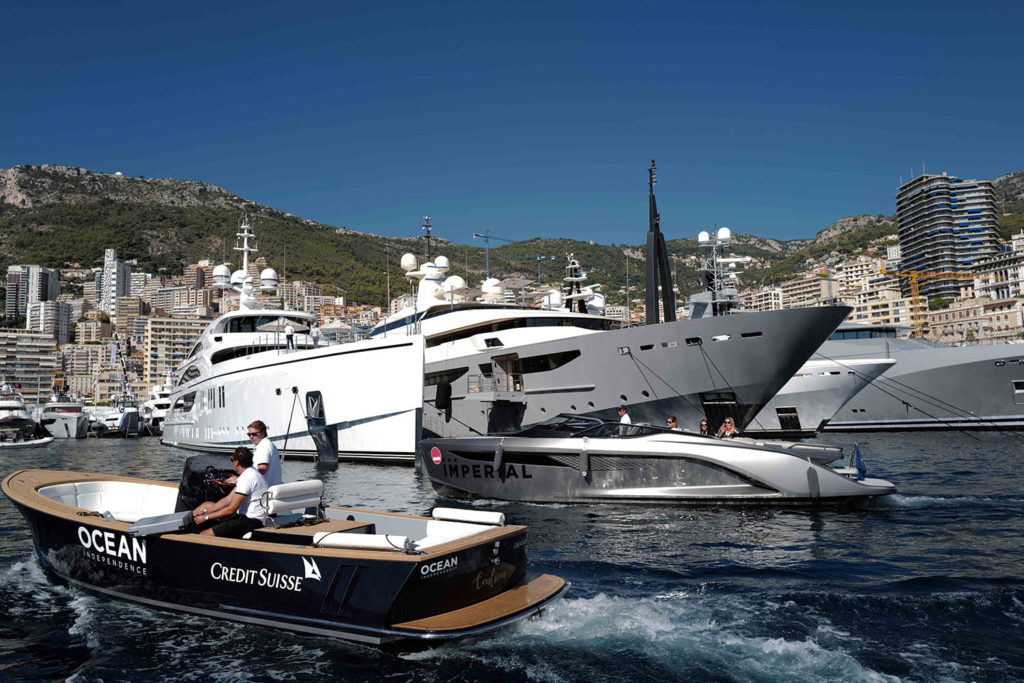
Credit Suisse backed loans to its “ultra-high-net-worth” clients with their yachts and private jets. The unusual arrangement, covering some of the risk related to $2 billion in loans to ultra-rich oligarchs and entrepreneurs, was made by a unit of the bank that has struggled with the risk of sanctions. The private banking division serves, for example, Russian oligarchs Oleg Deripaska and Arkady and Boris Rotenberg, who are all under US Treasury sanctions for acting as agents of Vladimir Putin. The FT saw an investor presentation of the deal, which said the division’s goal was to “create a positive brand impression of CS by financing the principals’ favourite business tools (business jet) and luxury toys (yachts)”. For the rest of us, as Russia continues to threaten an invasion of Ukraine and Western politicians talk tough on sanctions, the brand impression may be less positive.
“A knighthood might do the trick”
To take Downing Street’s word for it, there’s a new broom sweeping today: new chief of staff, new comms chief (grown-ups both) and the prospect of a mini-reshuffle still to come to keep the focus off parties and resignations. But behind the anxious briefings there’s an even more anxious operation to keep Tory MPs onside before they send in the 54 letters that would force a vote of no confidence. Some of the weekend calls were made by Johnson himself from Chequers. Some are being made by whips, one of whom the Sunday Times said asked an MP what it would take. “A knighthood might do the trick,” came the reply. Many a true word.
Peloton for sale?
Cycling at home while going no-where but feeling somehow connected to others doing the same thing was so popular at the start of the pandemic that early last year Peloton, the flash go-nowhere cycle maker, was worth $51 billion. Then supply chain bottlenecks meant the company failed to seize the moment. Before long people were desperate to get back to real cycling and Peloton’s market cap was down at $8 billion. But it turns out vultures in the tech space still see value in interconnected at-home exercisers (Peloton also makes treadmills). On news that Amazon and Nike might bid to buy the company its share price bounced up by 30 percent in after-hours trading on Friday. The bounce may not last. The idea of selling the company was planted by activist investors vexed by its CEO’s hiring of his wife as a co-executive and signing a 20-year lease on vast new HQ premises in New York. Something about this recalls Icarus.
Gold after cancer
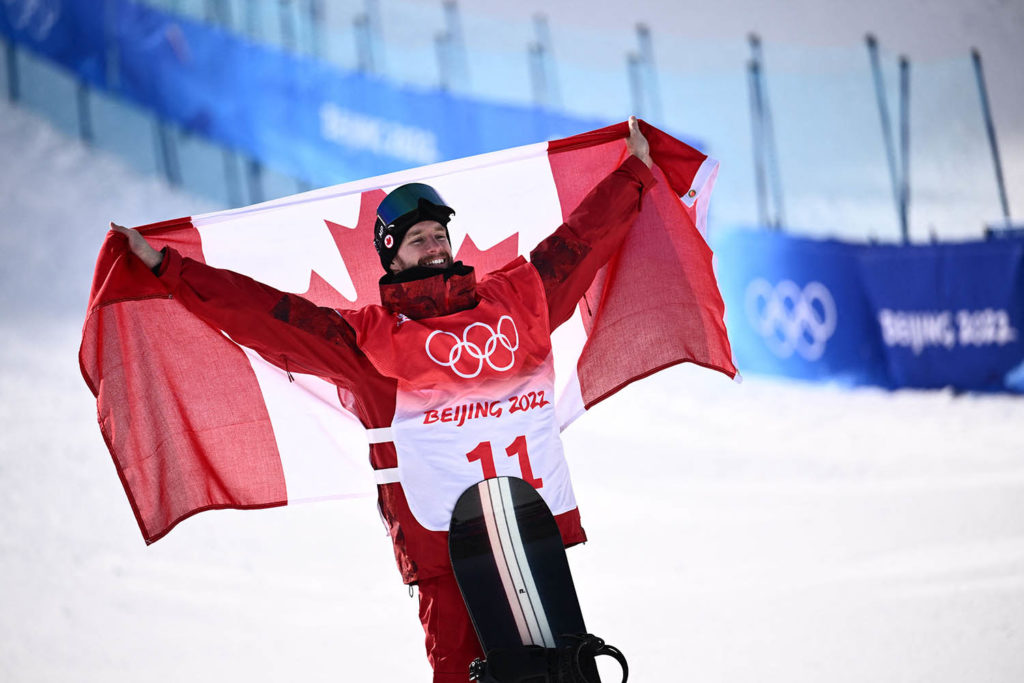
Max Parrot is a Canadian snowboarder who three years ago was in bed with Hodgkin Lymphoma for which he underwent 12 rounds of chemotherapy. Yesterday he won a gold medal in the individual men’s slopestyle event, which is an unbelievably kinetic combination of rail-riding and somersaulting for which cancer treatment would not seem the ideal preparation. “I put down the run of my life,” he said. Nit-pickers said he caught a lucky break from judges who missed a missed board grab on his second run. The rest of us can be inspired. There is talk in the Olympic Village of bad food and crippling cold but once the games get started the sport has a way of dominating coverage. Note, though: the last two times Putin mounted invasions, they coincided with Olympics.