
What just happened
- Virginia Giuffre settled her sexual assault suit against Prince Andrew, reportedly for £12 million that the Queen will help him pay (more below).
- Nato said Russia appeared to be continuing its military build-up round Ukraine, a day after Russia said it was sending some troops home.
- Pubs in the City of London reported high sales of their most expensive champagnes after banks paid their biggest bonuses since the 2008 crash.
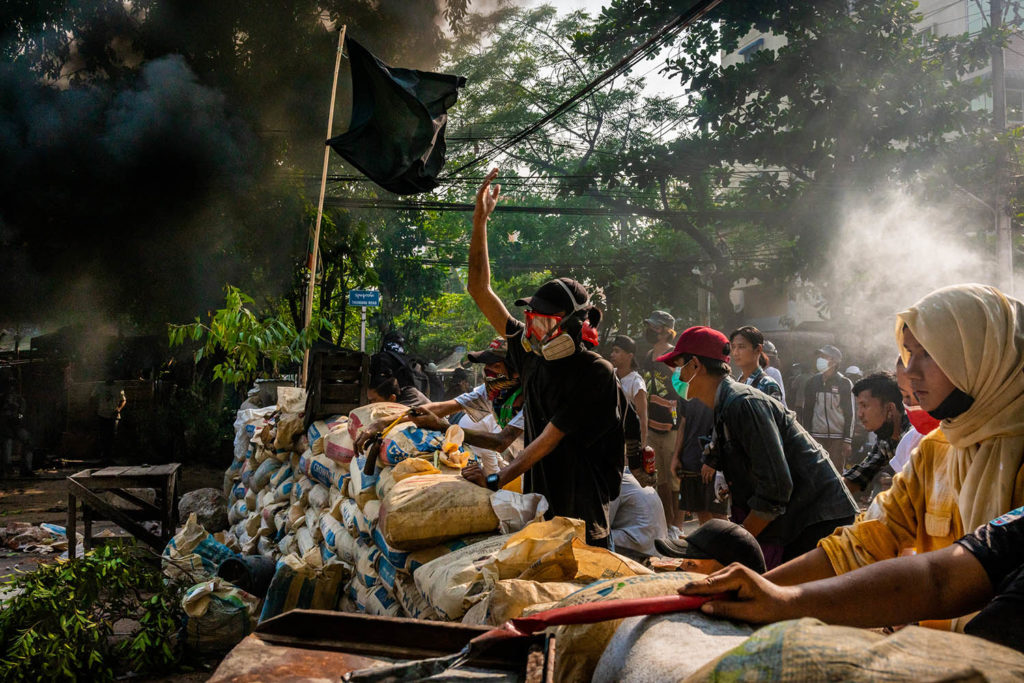
On Christmas Eve, soldiers loyal to the junta that seized power in Myanmar a year ago halted a convoy of 40 villagers fleeing their homes in eastern Kayah state and killed them in their vehicles. Autopsies suggested some were shot first, others burned alive. The dead included women, a teenage girl and two Save the Children workers. The incident is not atypical. It’s part of a scorched earth strategy by generals accustomed to impunity but not resistance.
By the numbers:
- 1,549 – civilians and armed resistance fighters killed since the coup, according to the Assistance Association for Political Prisoners
- At least 12,000 – civilians and pro-democracy activists arrested for alleged dissent
- 170,000 – Karenni people internally displaced
- 14,000,000 – civilians in humanitarian need, according to the UK government
How has it come to this in the country of Aung San Suu Kyi, who for all her failings once had the world with her and brought a promise of democracy?
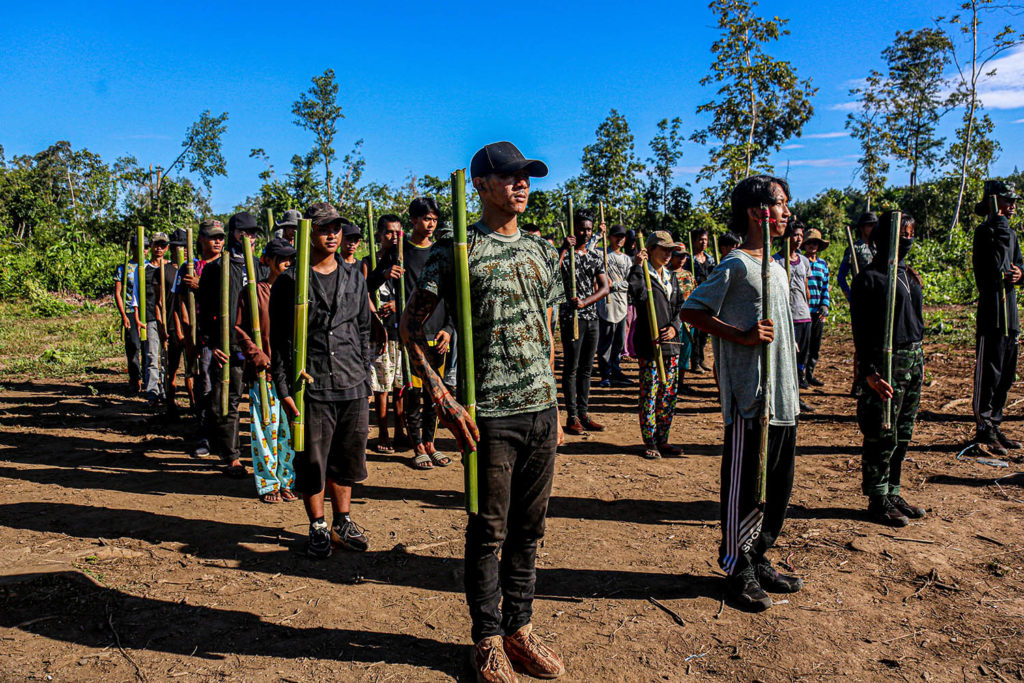
- Defiance. The junta is led mainly by veterans of the military rule that ASSK suspended in 2016. They may have expected a quick return to the status quo ante but that is not what happened. Citizen militias have fought back, especially in the east and south. The military has resorted to a “four cuts” strategy honed in the 80s and 90s that aims to crush resistance with airstrikes, arson, mass arrests and forced relocations. But instead of submitting, the Karenni people of the east and south-east have organised into multiple militias including the Karenni Nationalities’ Defence Force, the Karenni Army and the Karenni State Police. The result is incipient civil war.
- Blind eyes. Distracted by Russia and Ukraine, the wider world has looked away. The US, UK, EU and Canada have announced targeted sanctions against junta members but the UN has taken no concerted action. ASEAN, the Association of Southeast Asian Nations, brokered a reconciliation plan last April that required the generals to open a dialogue with Myanmar’s democrats and let in humanitarian aid, but the junta has done neither and no longer attends ASEAN meetings.
- Deaf ears. Reliable news from inside Myanmar is scarce because dozens of journalists have been arrested and hundreds forced to leave. One, Danny Fenster, spent 176 days in jail and was given an 11-year sentence for “encouraging dissent” before a former US ambassador to the UN negotiated his return to the US.
- Business. As in Iran, the military runs a sprawling network of businesses that thrive as foreign investors withdraw and ordinary people suffer. Chevron and Total have pulled out of Myanmar’s biggest offshore gas project, ceding control to Malaysian investors and the junta. Telenor, the Norwegian telecoms firm, is trying to sell its stake in one of Myanmar’s largest mobile phone operators in a deal that activist investors fear will give the junta access to personal data for 18 million subscribers. The military’s two biggest holding companies are conservatively estimated to funnel $435 million a year to its top brass. Control of oil and gas sales could yield five times as much.
“The world is doing nothing but just sitting and watching,” Zin Mar Aung, foreign minister for the exiled democratic National Unity Government, told Al Jazeera earlier this month. She wants an arms embargo to prevent the sale of Russian weapons to the junta. Human rights groups want digital evidence from cell phones to be used in prosecutions for regime atrocities. Michelle Bachelet, the UN human rights chief, wants “a sense of urgency commensurate to the magnitude of the crisis.”
Any urgency at all would count as progress.