What just happened
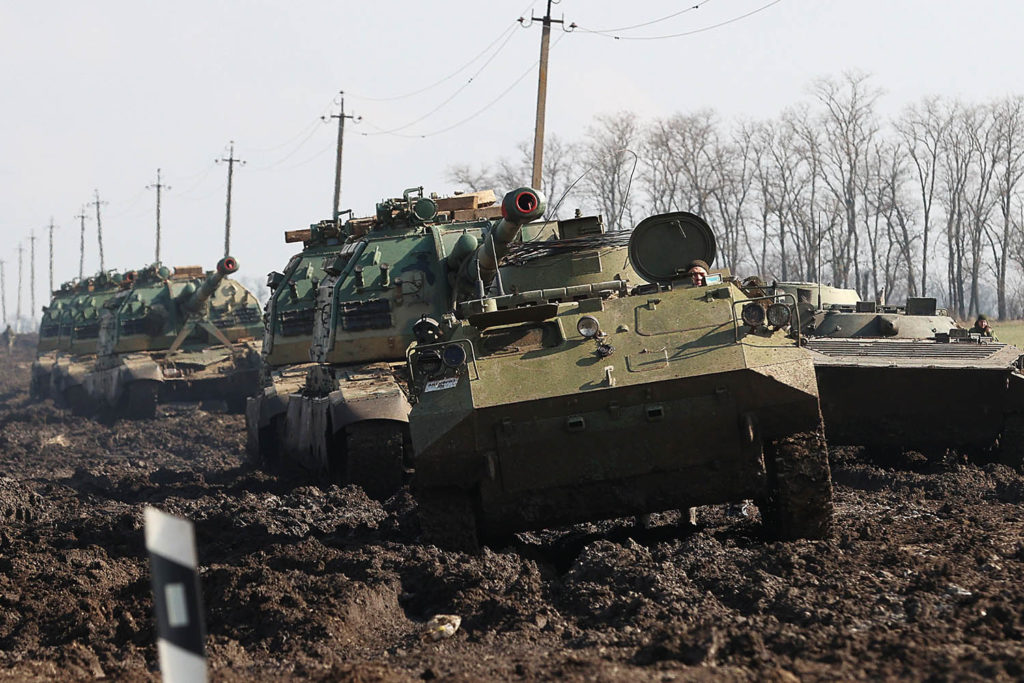
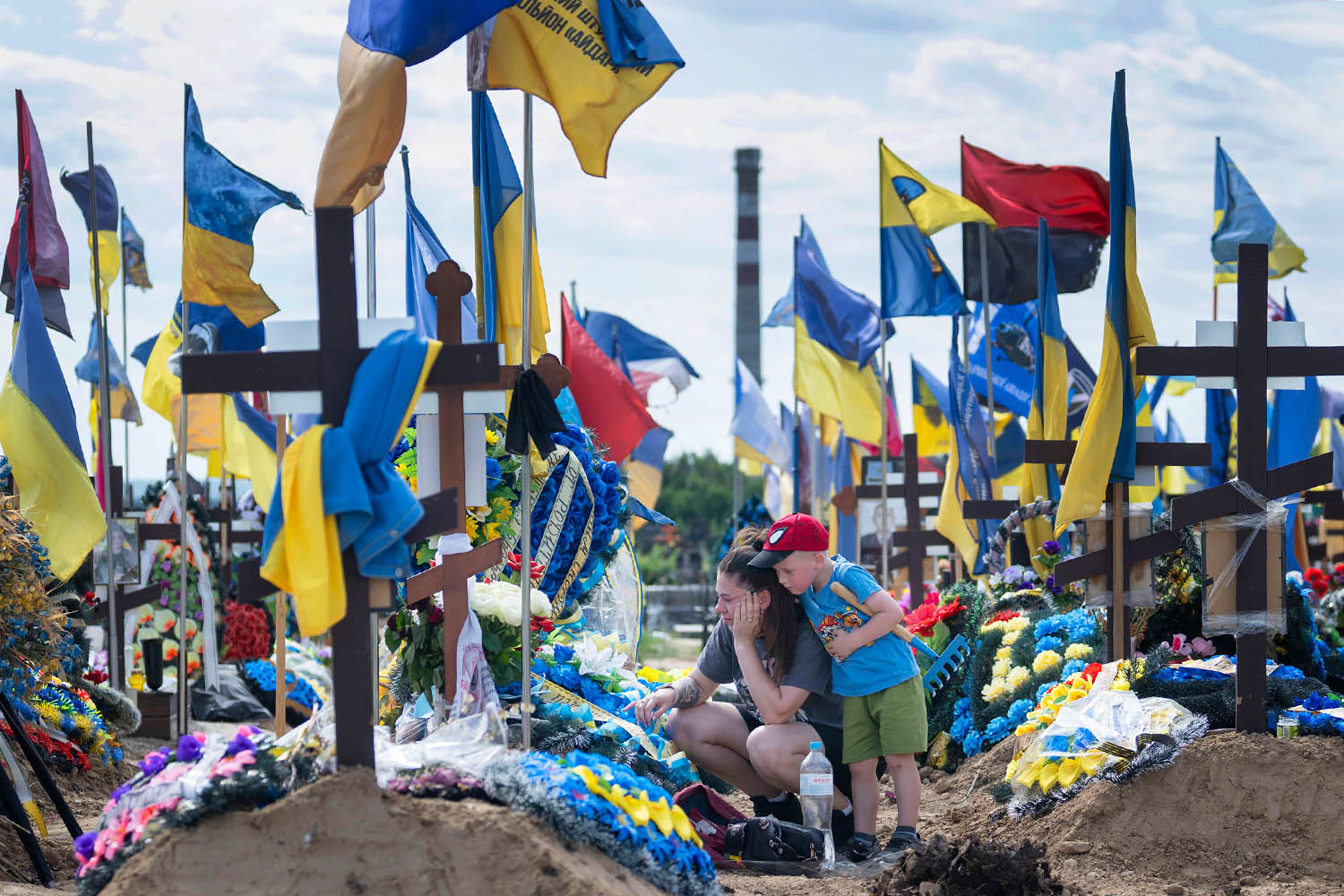
- Russia’s Duma authorised Putin to use troops abroad as Ukrainians in Mariupol on the Black Sea coast said they would not give up even if Russian armour advanced to establish a land bridge to Crimea (more below).
- Boris Johnson became the first British prime minister to be questioned under caution by police.
- A young Hereford bull in New Zealand survived being swept 50 miles down a river and nearly out to sea.
The western allies promised “massive” sanctions if Putin invaded Ukraine. Did they deliver? Not yet. Those announced since Putin’s paranoid speech on Monday night are at least coordinated. They include suspension of Nord Stream 2, and they will ratchet up if the Russian armour in parts of Donetsk and Luhansk that were already held by separatists move west.
But Putin and his circle had been warned, were ready and won’t be quaking in their boots:
- Britain’s initial sanctions were as novel and threatening as a redraft of Peter and the Wolf. They freeze the UK assets of Gennady Timchenko and two of Putin’s ex-judo partners, all of whom have been blacklisted for years and will long-since have moved their assets elsewhere. One analyst said Britain had brought a pea-shooter to a gunfight.
- New and forthcoming sanctions by the US, EU, Canada and Japan as well as the UK will punish Russians by hurting their economy but the point was to deter. If Putin’s goal is to change facts on the ground, nothing proposed in response so far offers any real hope of changing them back.
- His core team of yes-men has not so far been targeted as a group and would likely be impervious to sanctions anyway. These are the Security Council members who stood up one by one in the Kremlin’s Hall of the Order of St Catherine on Monday to urge Putin to make a decision he had evidently made already.
They are Putin’s praetorian guard, fated to rise or fall with him, household names in much of Russia. As amplifiers of his propaganda, they warrant a closer look.
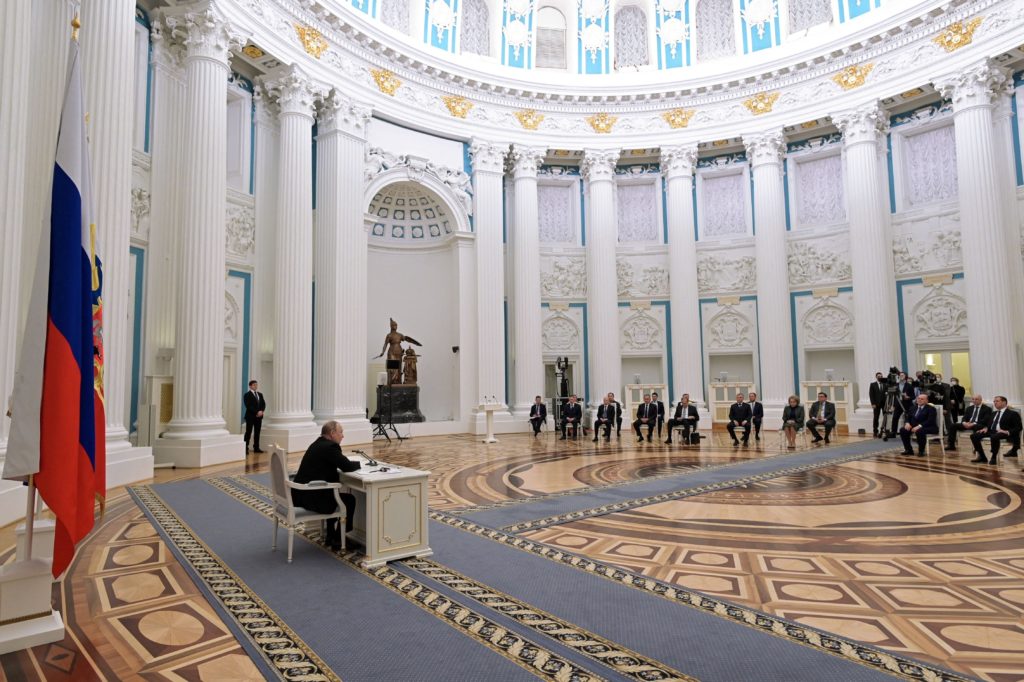
Vladimir Putin. Front row, left to right: Yury Trutnev, Alexander Bortnikov, Sergey Shoigu, Sergey Lavrov, Viktorovich Volodin, Ivanovna Matvienko, Mikhail Mishustin, Dmitry Medvedev, (Not in view: Nikolay Patrushev, Sergey Naryshkin, Vladimir Kolokoltsev). Back row, left to right: Nikolaevich Kozak, Valery Gerasimov, Viktor Zolotov, Igor Shchegolev, Vladimir Ustinov, Igor Komarov, Konstantin Chuychenko, Anton Siluanov.
Kudos to: Layla Moran MP, who used parliamentary privilege to read out the names of 35 oligarchs whom Alexei Navalny says should be sanctioned, in the House of Commons.
Thought of the day: the Russian people face isolation and a grinding war with terrible human costs if Putin has his way. But there is an alternative. Ditch him.
€5 million between friends
This week Dutch competition authorities fined Apple €5 million for limiting access to its platforms for non-Apple payment systems collecting subscriptions for dating apps. That’s not the story, though. The story is that last night Margrethe Vestager, the EU competition commissioner, said tech giants prefer paying fines like this from time to time to obeying the law. This is not surprising. (Apple made $34 billion in profits in the last quarter of 2021 on record earnings of $124 billion. Tim Cook, its CEO, could have paid the Dutch fine out of his personal compensation and had $94 million left over.) But it is wrong. Companies should obey the law rather than deliberately flout it. Otherwise, what’s the point?

Young and unhappy
Covid has left young British people fearful of going out, meeting people and making friends in real life. Friendship groups have atrophied and mental health has suffered, especially for those not in education, training or work. Happiness and confidence are at a 13-year low and – the Guardian reports – a quarter of young people say they don’t think they’ll ever recover from the emotional impact of the pandemic. These are among the findings of a study of 16-25 year-olds by the Prince’s Trust, which interviewed girls who’ve been spending 19 hours a day online despite widespread fear of ridicule on social media. Shouldn’t social media platforms be required to spend a portion of their profits on summer camps for 16-25 year-olds where there’s no social media?
Dominos?
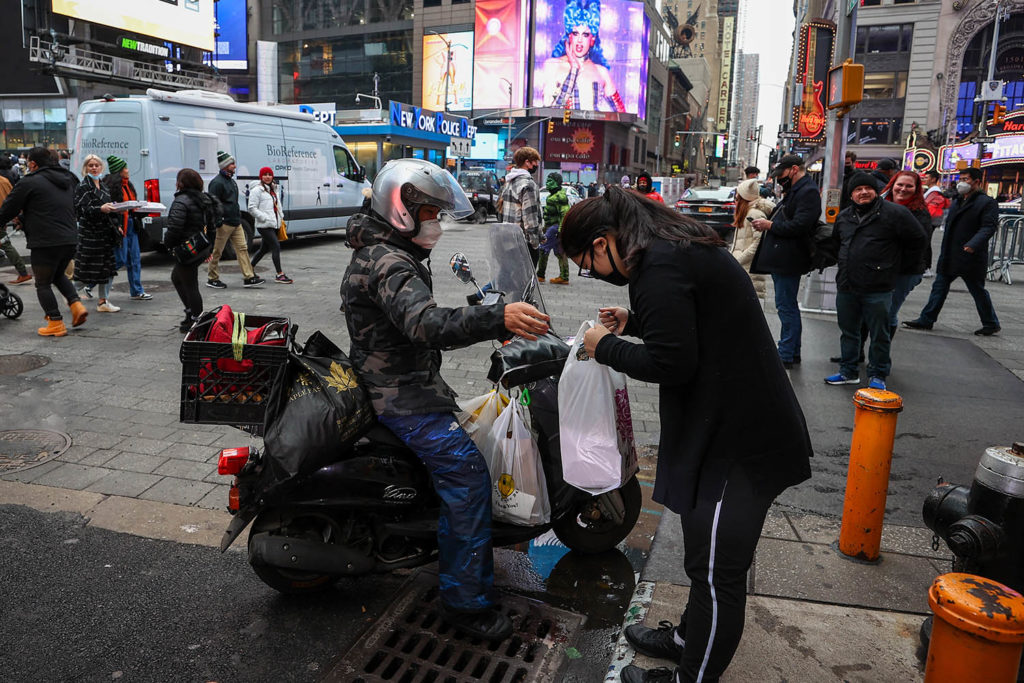
Is 15-minute delivery too good to be true? New York City authorities are introducing a law that would ban on-demand grocery apps from advertising 15-minute delivery times because of the threat speeding e-bikers pose to pedestrian and worker safety. It’s part of broader effort to tame apps like Getir, Gorillas and Fridge No More by a) informing workers how much each customer tips b) allowing them to set distance limits and list bridges or tunnels they are unwilling to use and c) paying them at least once a week and, from 2023, at a minimum rate to be determined. And New York isn’t the only place where delivery drivers are demanding more recognition for the essential work they did during the pandemic. In Sheffield, JustEat couriers supported by the Independent Workers Union of Great Britain have been striking for more than 60 days after a contractor company used by JustEat announced a 24 per cent pay cut. It’s been called the “longest strike in the history of the UK gig economy”. The lesson from New York is if they hold out, they might get a better deal.
Big Formula
Cigarettes and formula milk for babies could be closer bedfellows than you think. According to a report from the WHO and Unicef, women are being aggressively marketed formula using techniques similar to those used to sell tobacco. More than half the 8,500 women canvassed for the report in eight countries, including the UK, reported being targeted by advertising which often breached codes established by the WHO, which says that “breast is best”. The formula milk industry has grown rapidly in the last two decades – it’s now worth £40.5 billion globally – while breastfeeding rates have stayed stagnant at 44 per cent of babies under six months. If breast is best, that’s not good.