What just happened
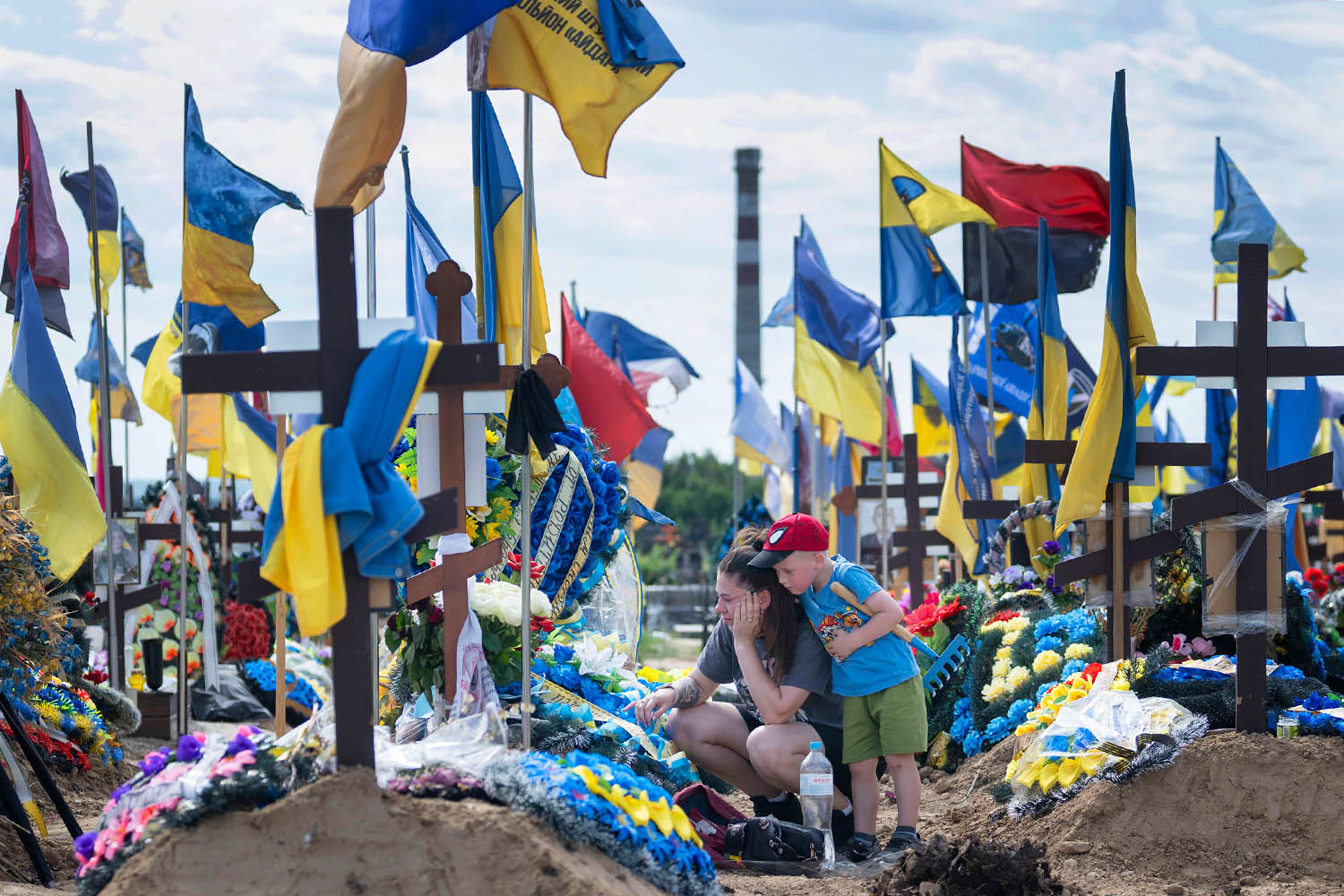
- Ukraine’s President Zelensky said his country had been “left alone” to defend itself against Russia.
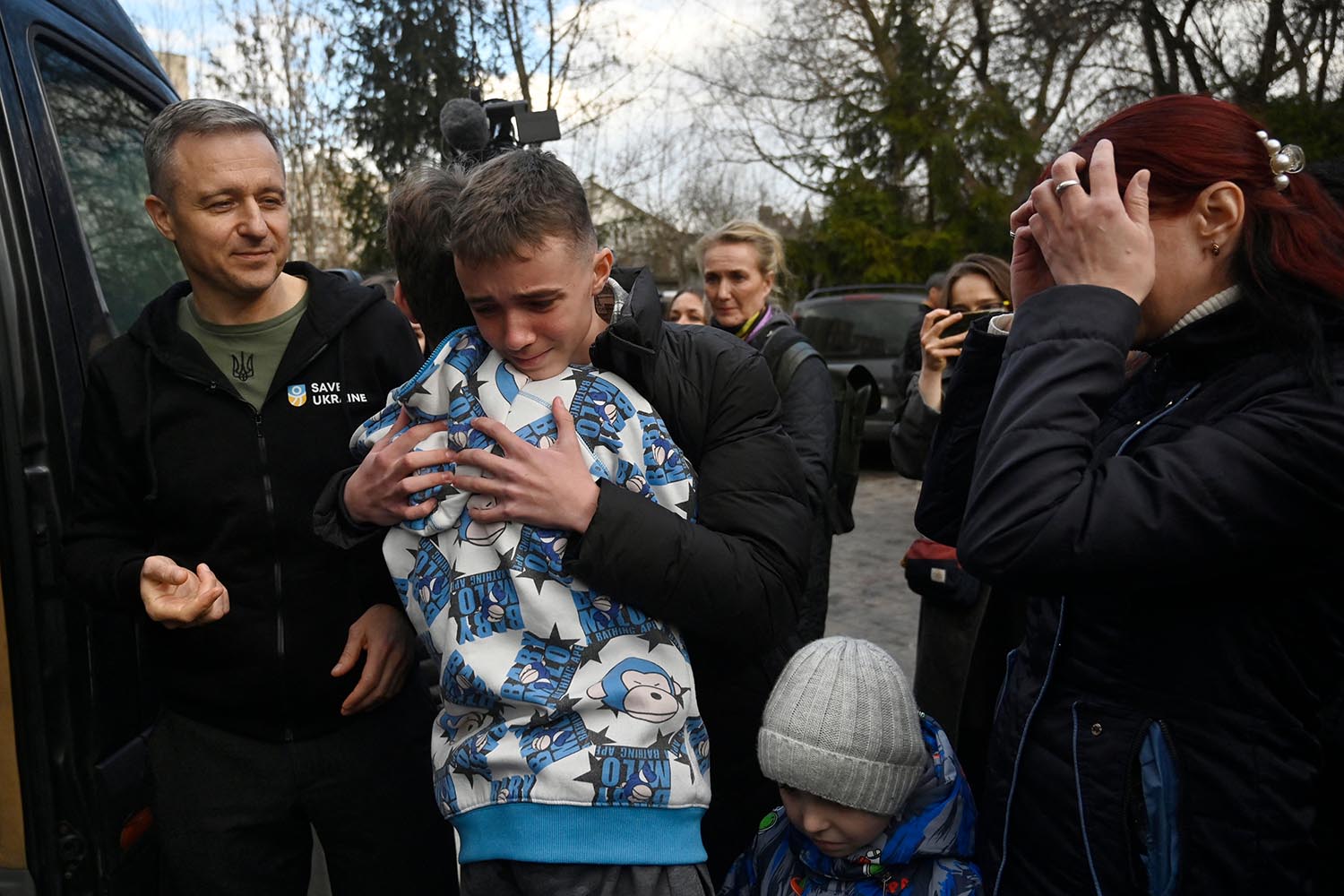
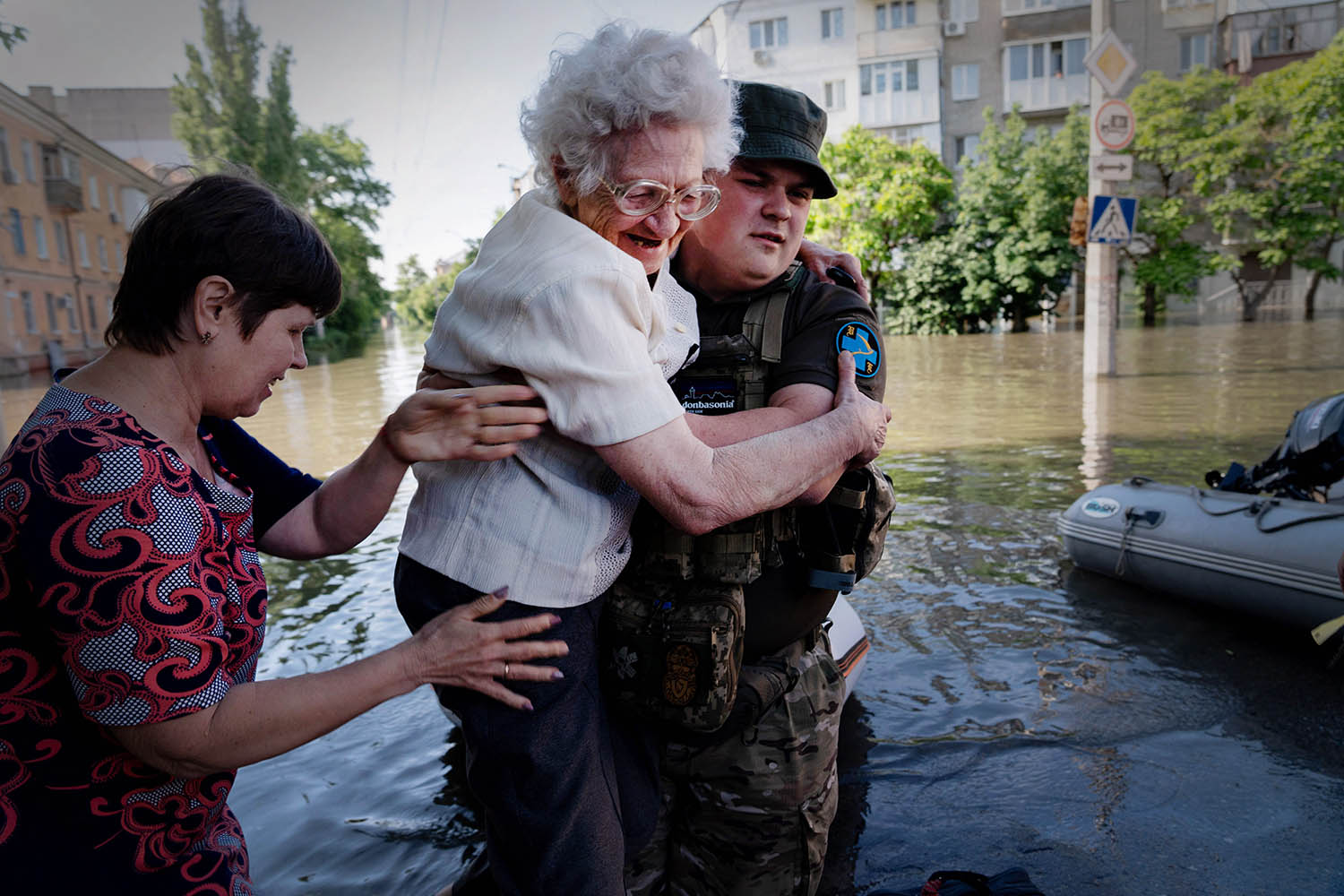
- Refugees began arriving at reception centres set up for them in southern Poland.
- EU ministers announced a new sanctions package that did not include suspending Russia from the Swift inter-bank transfer system (more below).
- Three former Minneapolis police officers were convicted of civil rights violations in the 2020 murder of George Floyd.
“Look, Putin has announced a third world war today, and we have to fight. There is no way for conversations. Otherwise he will just move further and we will pay with our lives.” Listen to Kseniya and others today and every day in Invaded – Voicemails from Ukraine.
If Putin intended to decapitate the Ukrainian regime on day one of his war, he failed. But that appeared this morning to be his plan for day two. President Zelensky told the nation, from hiding, that he’d been told Russian special forces had been tasked with his assassination.
Misinformation clouds every report from Europe’s giant new war zone, but 36 hours into the invasion it’s safe to say that…
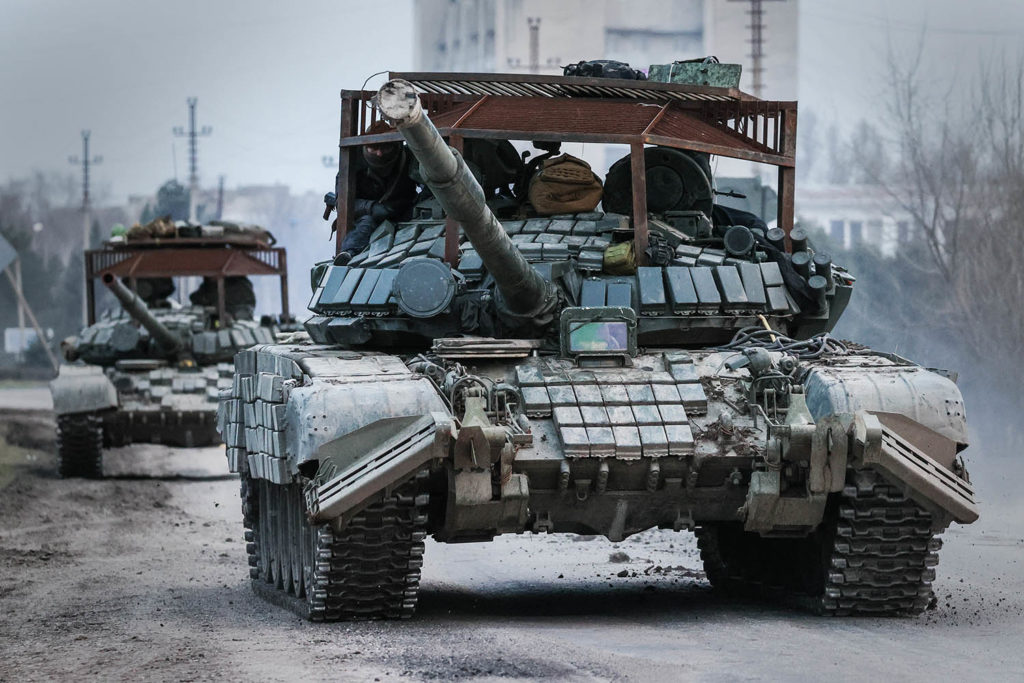
- Kyiv is under sustained attack. The Antonov Airport targeted by Russian paratroopers and then retaken by Ukrainian troops yesterday was back in Russian hands this morning. A column of tanks that crossed the border yesterday from Belarus was seen in Kiev’s northwestern outskirts, and there were unconfirmed reports of citizens being urged to attack it with Molotov cocktails. Separately, at least one unit of Russian troops appeared to have tried to enter the city in Ukrainian uniforms before being shot dead.
- Three major military operations are under way in all:
– From the north, tanks and armoured personnel carriers have taken control of the Chernobyl nuclear site and advanced on the capital while attack helicopters and military transports have brought paratroopers to the Antonov air base, also known as Hostomel.
– In the south, combat troops entered Ukraine from Russian-occupied Crimea and landed from amphibious ships near Odessa.
– In the east and north-east, armoured columns entered parts of Donetsk that until yesterday were still controlled by Ukraine, and crossed the border further west in the direction of Kharkiv, Ukraine’s second city.
- Putin is intent on regime change. How and how quickly he pursues it is unclear but an advisor to the head of Zelensky’s presidential administration told the Kyiv Independent this morning the Russian goal was “to enter Kyiv and destroy the leadership of Ukraine, personally Volodymyr Zelensky”. More detailed scenarios based on Ukrainian intelligence briefings envisage a Russian strategy based on intense fighting near Ukraine’s borders to draw its forces away from the capital; sabotage of power grids and sub-stations; and the capture of Zelensky and his cabinet.
However the next phase of the war unfolds, in the first phase surreal calm was replaced by surreal chaos:
CNN’s Matthew Chance was among the first foreign reporters to reach the Antonov air base, where he had been talking to soldiers for several minutes before realising they were Russian.
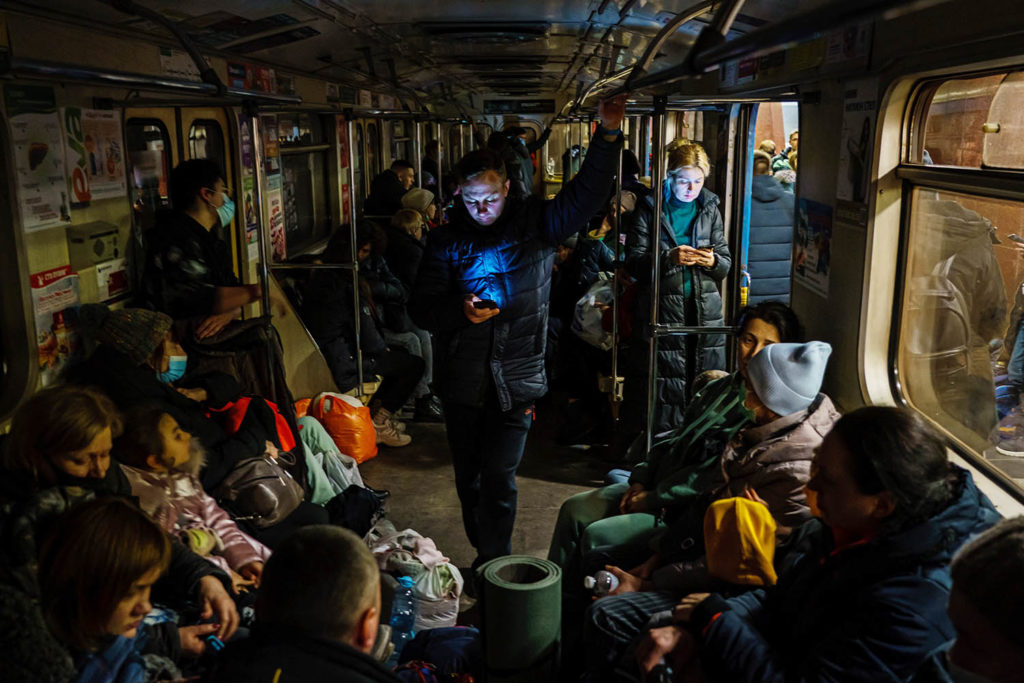
In Dnipro, infants from a neo-natal intensive care unit had to be moved to a basement with their nurses because of the risk of rocket attack on their hospital.
On Snake Island, a tiny outpost in the Black Sea, 13 Ukrainian defenders told the captain of a Russian warship to “go fuck yourself” when asked to surrender. All 13 died. Officials reported 137 deaths in all on the Ukrainian side on the first day of fighting.
What next?
- Diplomacy is not dead, but it is on life support. France’s Emmanuel Macron tried yet again to mediate with Putin but their short phone call ended with no prospect of a ceasefire. Liz Truss, the UK’s foreign secretary, summoned the Russian ambassador to her office, but only for a ten-minute dressing down in which she told him he should be ashamed.
- Putin will assess domestic support for his war. It is crystal clear that this one will not inspire a wave of patriotism as his annexation of Crimea did eight years ago – there were anti-war protests last night in 50 Russian cities. For now though, it’s also clear their leader is deaf to their entreaties.
Swift survives
This morning the EU announced a new sanctions package against Russia that it said would hit 70 per cent of Russia’s banking market and its energy and transport sectors. It also limits Russian VIPs’ access to visas, and Russian industry’s access to the kind of tech it needs to maintain aircraft fleets and modernise oil refineries. Ukraine is underwhelmed. The package doesn’t include either of the two measures it believes might actually make Russia pause: an embargo on purchases of oil and gas, and a suspension of Russia from the Swift payment system. The latter was reportedly blocked by Germany, Italy, Hungary and Cyprus because, as Bloomberg and the FT note, they use Swift to pay Russia for oil, gas, coal, nickel, titanium, gold and other commodities. In fact they probably used it to pay for half a billion dollars worth of Russian oil and gas in the first 24 hours after Putin “recognised” Luhansk and Donetsk. Which is why Dmytro Kuleba, Ukraine’s foreign minister, is so incensed: “I will not be diplomatic about this,” he tweeted. “Everyone who now doubts whether Russia should be banned from SWIFT has to understand that the blood of innocent Ukrainian men, women and children will be on their hands too. BAN RUSSIA FROM SWIFT.”
Putin’s a-history
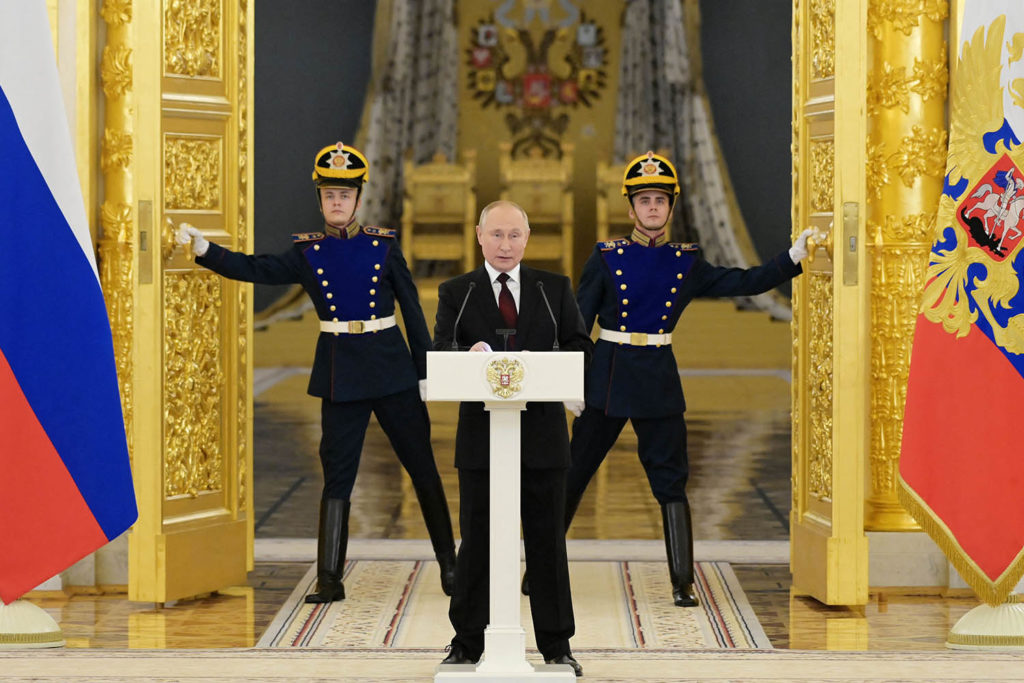
Putin’s decision to invade Ukraine seems to be based on a combination of greed, vanity, boredom, psychopathy, megalomania and resentment – but also his peculiar take on history. He claims not to consider Ukraine a country; rather, an agglomeration of territories given whatever status it enjoys by Russia. It’s a view set out in a shallow and a-historical essay he wrote last summer – a view taken apart by Dr Victoria Smolkin in a piece for Meduza whose bottom line is that Ukraine emerged as a nation-state at about the same time the rest of Europe’s nation-states emerged, namely the later 19th century; and that the Bolsheviks co-opted this mighty historical trend to keep Ukraine in their empire (as the Ukrainian SSR), when the only alternative was to let it go, and grow, as an independent country.
Ukraine IT
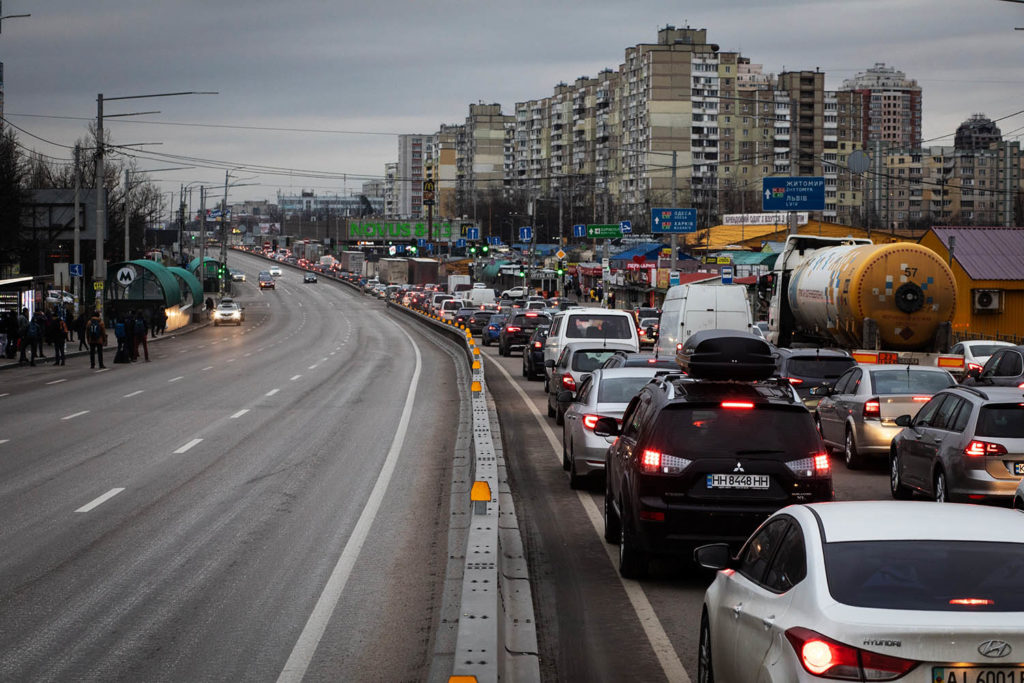
Ukraine’s booming tech sector is taking a severe hit as Russian tanks roll in and Russian cyber-attacks destabilise the web access on which it depends, the WSJ reports. The sector’s export earnings come mainly from outsourcing by non-Ukrainian firms including Revolut, Fiverr International and Germany’s SAP SE. Those earnings grew 36 per cent to $6.8 billion last year based on repeat custom from software firms impressed by Ukraine as a hotbed of IT talent. But war isn’t conducive to this sort of business. SAP SE has closed its Kyiv office. Other firms are moving their personnel out, and Kharkiv reported yesterday that 80 per cent of its computers had no access to the internet.
Abortion pills
The UK government said yesterday the Covid-triggered policy of allowing prescriptions of at-home abortion medication will end in six months. Campaigners who want to keep the expanded access post-pandemic are dismayed. Jess Phillips MP said the decision was barbaric, while Clare Murphy, chief executive of the British Pregnancy Advisory Service, called it a “shameful betrayal of women and a decision devoid of both evidence or justice”. A public consultation run last year as part of a wider call for evidence on women’s health asked whether access to at-home abortion pills should be made permanent. In England at least it seems the government is against, and holding its ground. In Wales access will be made permanent and in the US, where abortion rights are on a knife-edge ahead of a Supreme Court decision which could undercut Roe v Wade, the FDA lifted restrictions on by-post abortion pills in December.