What just happened
- World leaders condemned the massacre of hundreds of civilians in towns liberated by Ukrainian forces as Zelensky announced a “special mechanism” to prosecute those responsible (more below).
- Russian ships shelled Odesa as Boris Johnson said he wanted to equip Ukrainian forces with anti-ship missiles to prevent an amphibious assault on the port.
- A German man was reported to have received at least 87 Covid vaccinations in order to sell vaccination certificates to anti-vaxxers.
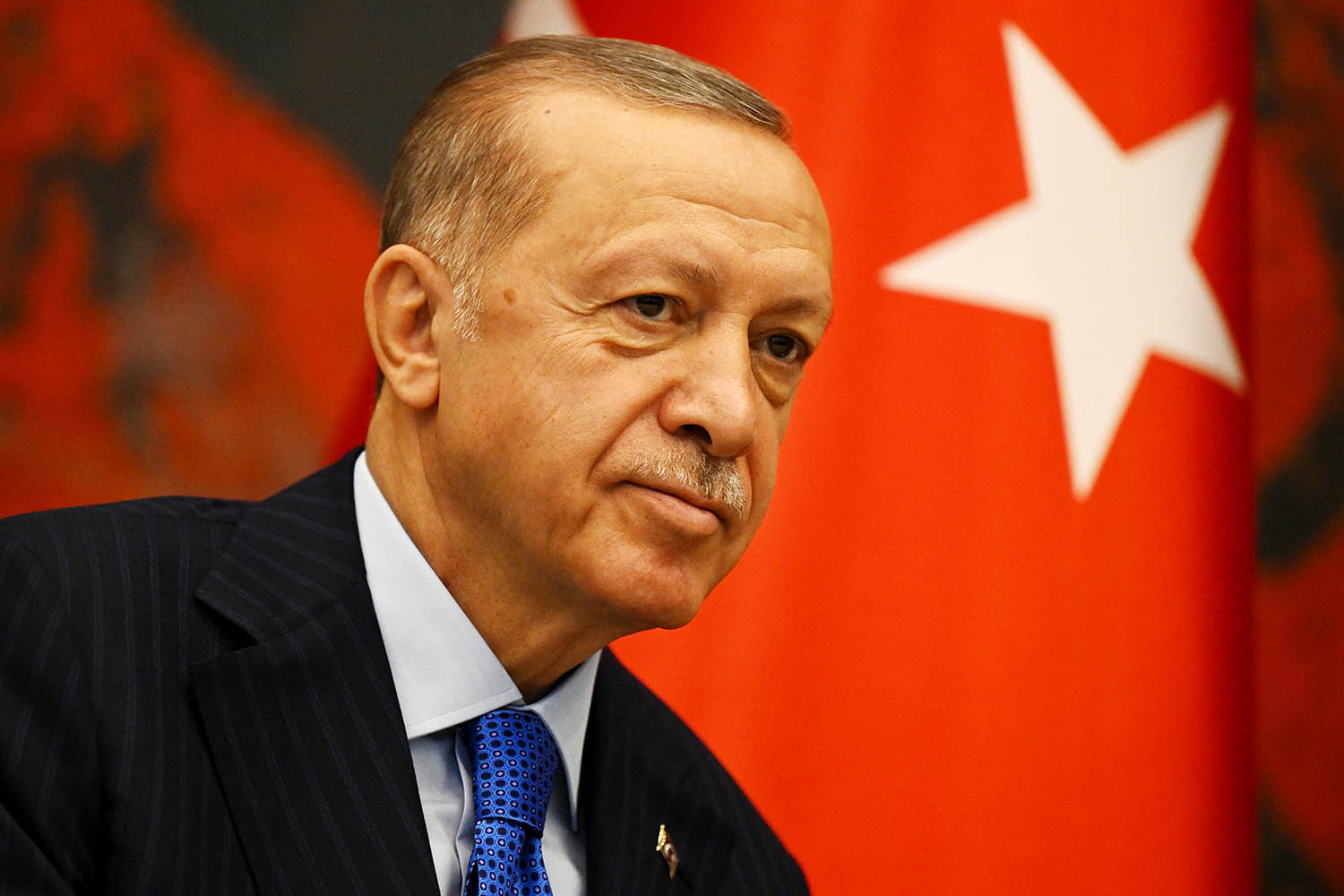
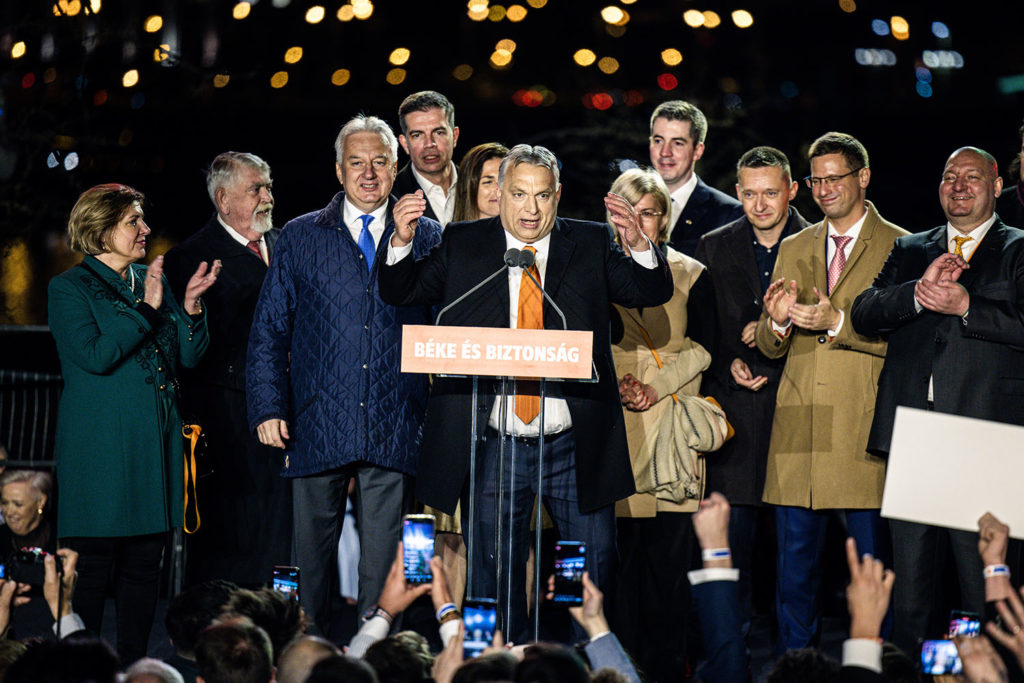
Voters do the darndest things. As the world recoiled from the evidence of Russian war crimes in towns retaken by Ukraine Hungarians reelected the European leader closest to Putin, Viktor Orbán, for a fourth consecutive term as their prime minister. Orbán’s reelection is a win for reactionary nationalism and political corruption, a serious challenge to the EU, and a poke in the eye for Ukraine’s president, whom Orbán identified in his victory speech as an “opponent”.
The result is worth a closer look as a test of liberal democracy when so many other versions of democracy are clamouring for attention. Orbán and his Fidesz party swung it by
- utterly dominating Hungary’s media landscape, 80 per cent of which is controlled by the state or oligarchs close to Orban, and in which the opposition was virtually invisible despite uniting for the task of dislodging the incumbent;
- gerrymandering the electoral map (in 2014) so that opposition votes are concentrated in a few districts while Fidesz ones are spread across more thinly-populated ones where its vote share is reliably high;
- targeting likely supporters with tax rebates, pension increases and credits for young families.
“Not our war.” The Russian invasion briefly softened Orbán’s lead in opinion polls but he responded by casting the vote as a choice between war and peace, falsely claiming the opposition would send Hungarians troops to fight in Ukraine. His victory, with 53 per cent of votes, will be hard to take for urban reformers who’ve fought for a decade to counter Orbán’s gleeful xenophobia and limit his erosion of the rule of law. It will be especially galling for
- Peter Márki-Zay, the centrist town mayor who led a bespoke alliance of six parties assembled specifically to remove Orbán, but which won only 34 per cent of votes;
- Zelensky, who had called out Orbán has “virtually the only one in Europe to openly support Mr Putin” and who had hoped for a new route for arms shipments through Hungary that will not now materialise;
- the EU, which now has to grapple in earnest with the question of how its unelected executive can require more pluralism, clearer separation of powers and more respect for human and LGBTQ rights from a leader with a thumping democratic mandate.
Orbán likes to troll the EU by championing his “illiberal democracy”. He sweeps all before him yet again (this is his fifth election victory in all) at the same time as one of the world’s best-known champions of the liberal version, Francis Fukuyama, urges liberal democrats not to lose sight of the nation as an organising principle – because the price of doing so is to cede it to nationalists.
Fukuyama has some nerve. It was his forecast that the end of the cold war marked the end of history and the permanent triumph of liberal democracy. And yet his new argument is an important one. Zelensky, who has embraced it, may yet outlast both Orbán and his friend in Moscow.