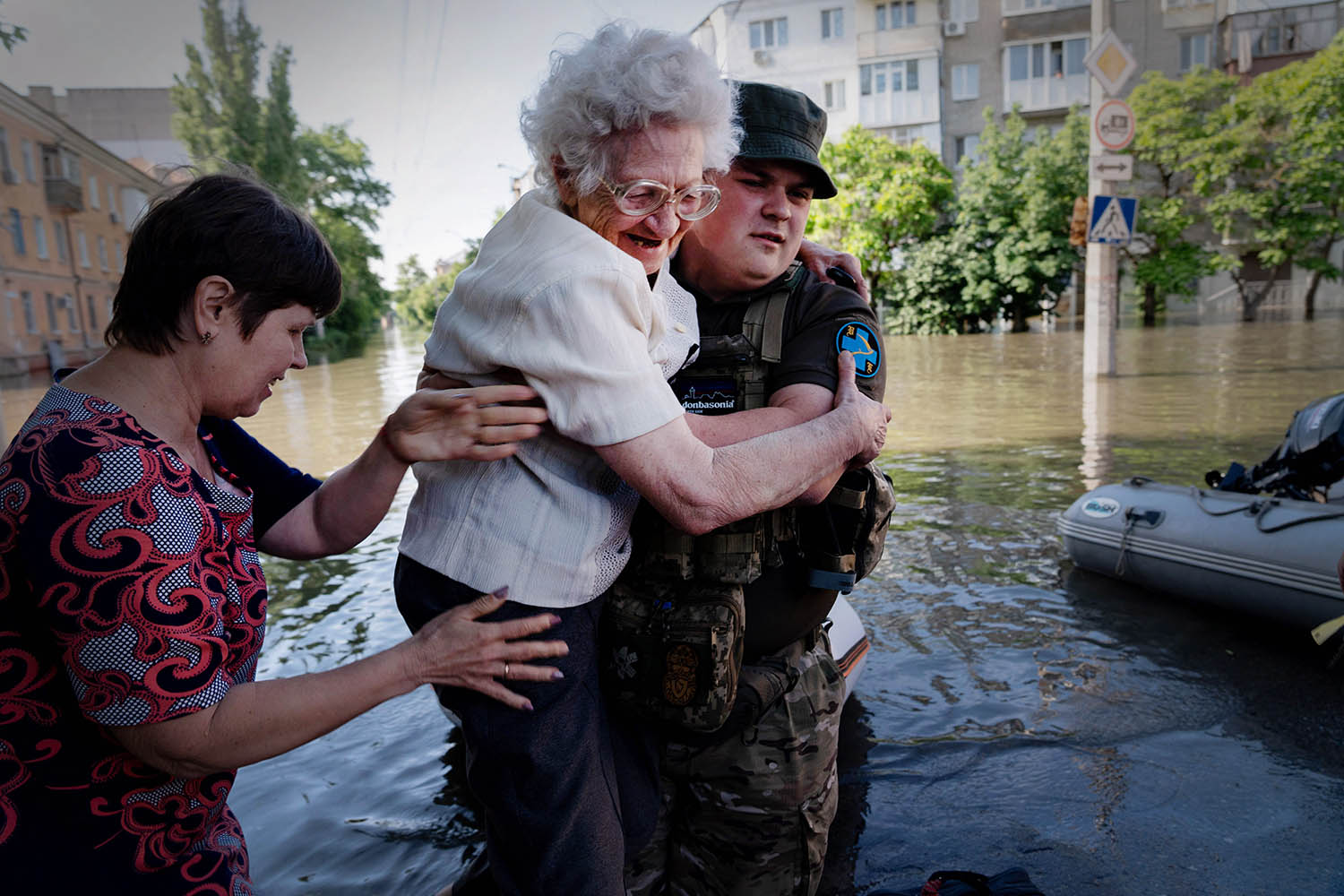
What just happened
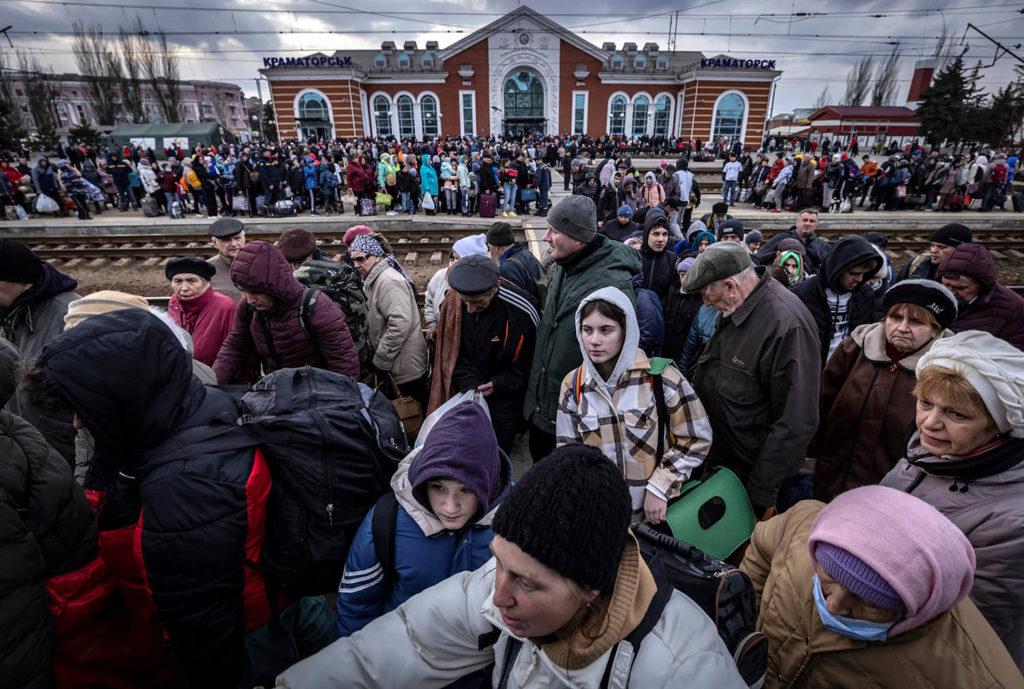
- Ukrainian officials anticipating a renewed Russian offensive in Donbas urged civilians to flee while they can.
- Shanghai recorded its sixth successive day of record new Covid infections, the vast majority of them asymptomatic.
- The Maldives emerged as a haven for Russian-owned superyachts as the islands’ chief prosecutor said it was “far-fetched” to think the vessels would be seized there.
Why hasn’t the fighting stopped? Russia has been forced to retreat from Kyiv. Its army has lost at least 7,000 men. Half its foreign currency reserves are frozen. Its central bank may default on its next debt service payment and its economy is heading into a severed recession. So, to repeat, why hasn’t the fighting stopped?
Part of the answer lies in Putin’s unbridled bloodlust, but another part lies in steps not yet taken by the West. Ukraine’s president said yesterday he wants “ruinous sanctions” against Russia, which served as a useful reminder they have not yet been imposed. In fact there is a great deal western governments can still do and arguably should have done weeks ago to isolate Russia and constrain its ability to fight:
- Suspend all Russian banks from Swift. A grand total of seven Russian banks have been suspended from the dominant interbank payment system. Dozens haven’t been because countries that insist on continuing to buy Russian commodities need a mechanism with which to pay for them. Stop buying them and that rationale disappears. So…
- Enforce an embargo on Russian oil, gas and coal. So far only the last of these has even been considered by the EU because Germany argues that an oil and gas embargo would hurt it as much as Russia. This isn’t true. Germany might temporarily have to close some factories and ration power to homes while sourcing gas and oil from elsewhere, at a premium. But allies could help defray that cost and the effect on Russia would be instant, devastating and precisely what justice and geopolitics demand.
- Suspend diplomatic relations. The “age of engagement” with Russia is over, Liz Truss, the UK’s foreign secretary, said yesterday. She’s new in post but it’s hard to argue with this judgement. Every western reset with Russia since the younger President Bush said he could see into Putin’s soul has been repaid with unabashed revanchism aimed at tearing up the rules-based international system. And yet every major western country still has an ambassador in Moscow.
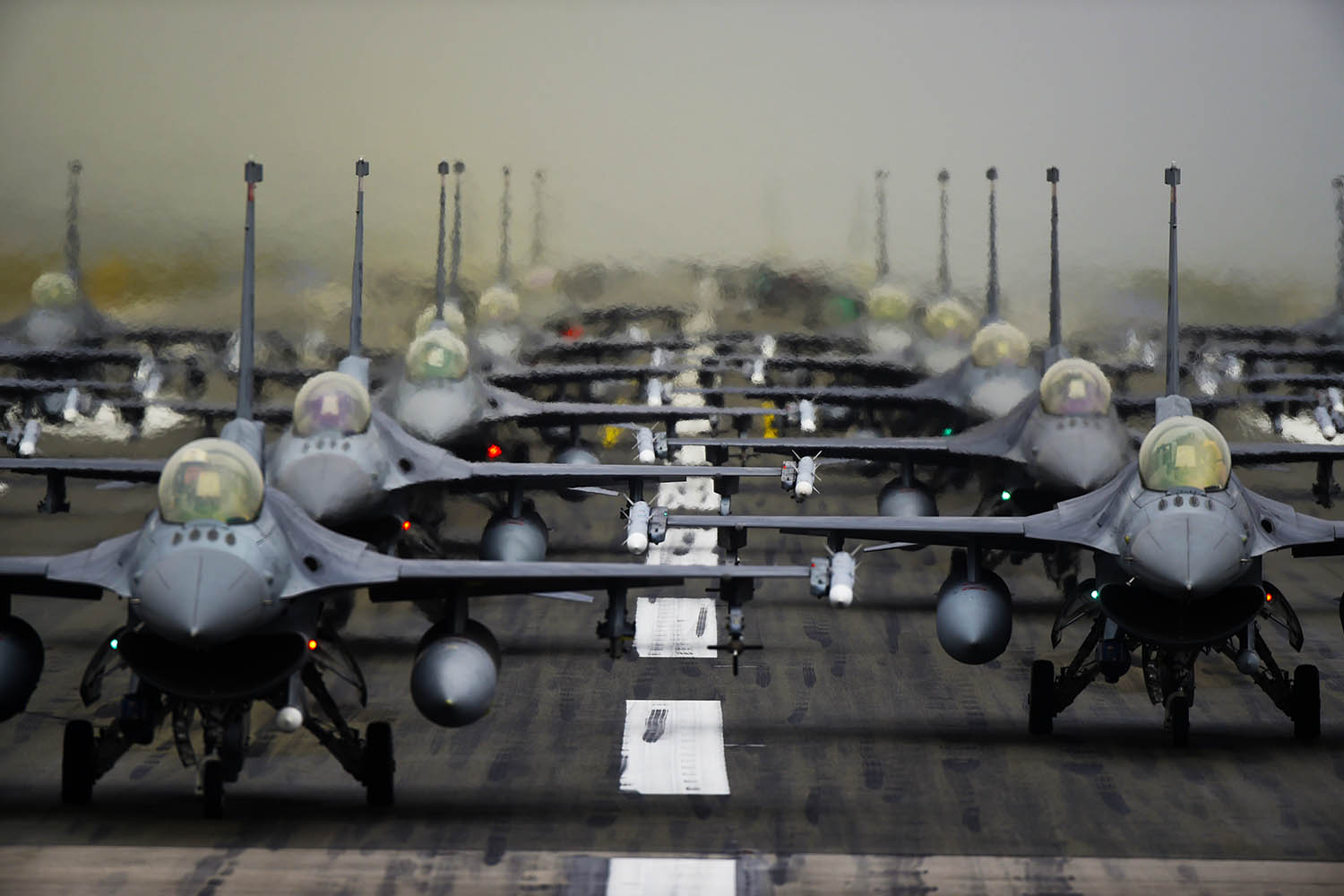
- Send tanks. The Czech republic has reportedly already sent Ukraine a few, and the UK is mulling a plan to send armoured vehicles. But Ukrainian officials say more armour more quickly is essential if they are to stand a chance of reversing Russian territorial gains in the south and east.
- Expel Russia from the G20. This will be hard since the group includes big actual and de facto Russian allies including China and India, but there can be no question that Russia no longer belongs in an organisation supposedly devoted to sustainable development and international financial stability. The EU, like the UK, should at least state it will boycott sessions attended by Russia at the next G20 summit in Indonesia.
- Accept Ukraine’s application for fast-tracked EU accession, which is now backed by 91 per cent of Ukrainians, up from 60 per cent before the war.
- Seize Russia’s frozen foreign reserves to help pay for Ukraine’s reconstruction. Roughly two thirds of Putin’s $600 billion war chest have been frozen. Transferring them to an escrow account for Ukraine’s use after the war – an idea so far only mooted in the West – would show Russia’s central bank the West was serious about making Russia pay.
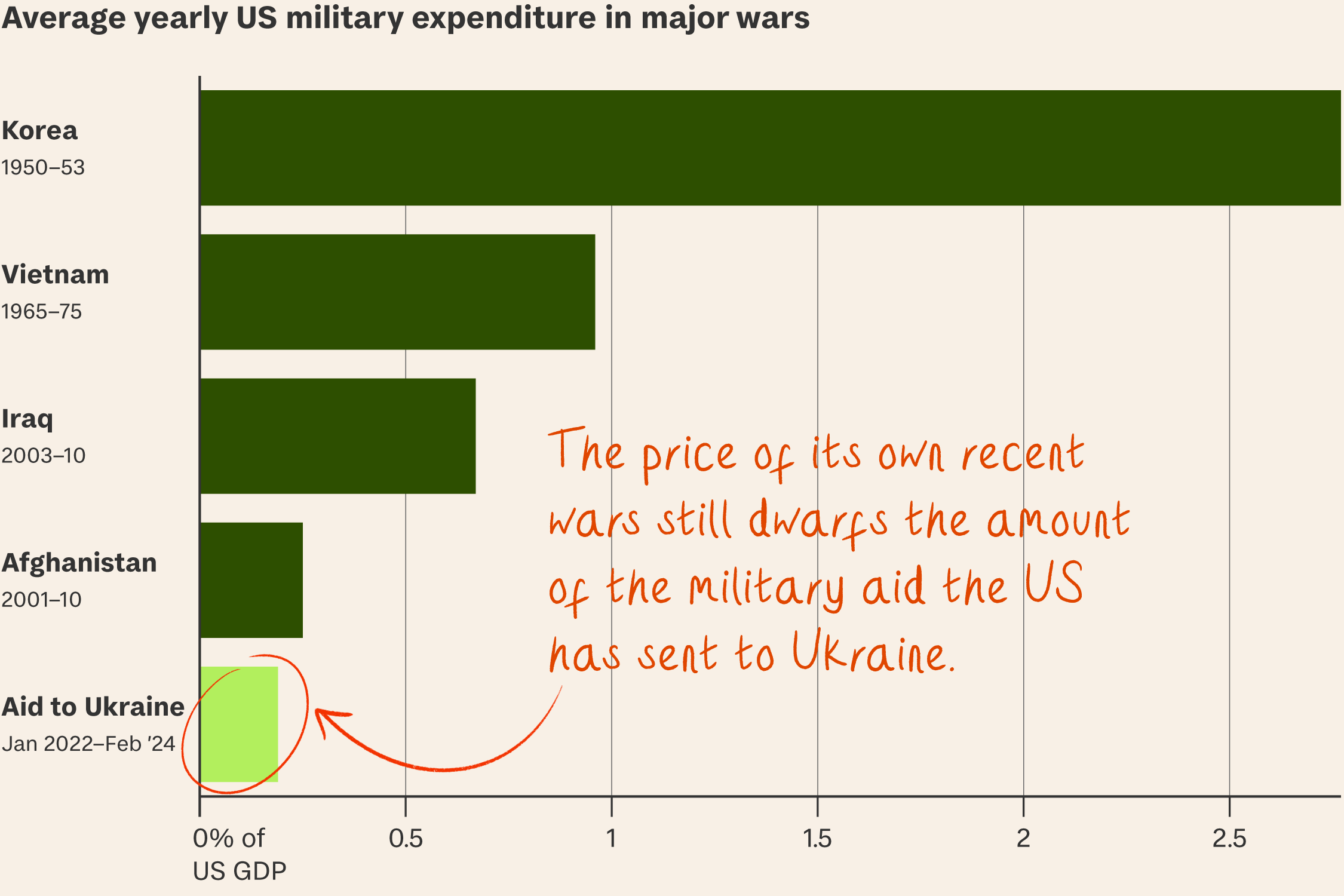
Of these by far the most important is an embargo on Russian hydrocarbons. Despite everything, western governments are sending Russia about €850 million a day for oil, gas and coal. That dwarfs the value of western aid to Ukraine. Energy experts tell the FT there’s “nothing else out there” for Germany gas buyers scouring the wholesale market, but this isn’t true. There are pipelines from Norway, Azerbaijan, Algeria and Libya and there is a vast global market in liquified national gas supplied principally by Australia, Qatar, the US, Malaysia and Nigeria.
Yes, there will be a cost to boycotting Russian energy. The world’s democracies just have to summon the backbone to pay it. Don’t they realise there’s a war on?

Murty mystery
Akshata Murty, the wife of the UK’s chancellor of the exchequer and daughter of the billionaire founder of Infosys, has non-dom status in Britain, meaning she doesn’t have to pay income tax on her non-UK income even though she lives in the UK year-round. The Independent has the scoop, and it will reverberate for months. The existence of non-dom status was controversial enough before the war shone a bright new light on the privileged status of overseas earnings in the UK. Now Murty’s people say she only invokes her right to non-dom status because she’s an Indian citizen and India doesn’t allow citizens to hold other citizenships simultaneously, so she’s “non-domiciled for UK tax purposes”. She also pays all her tax owed on UK income, they say. But that is not the point. The vast bulk of her income is from her 0.93 per cent stake in Infosys, which is based in India and which likely paid her around £11 million in dividends last year. If so, her status will have saved her around £4.4 million in UK taxes, while her husband raised taxes for non non-doms. There is no suggestion of any wrongdoing, reporters dutifully note. Oh yes there is. Not legally, perhaps, but in every other conceivable sense.
Trump’s 7-hour gap
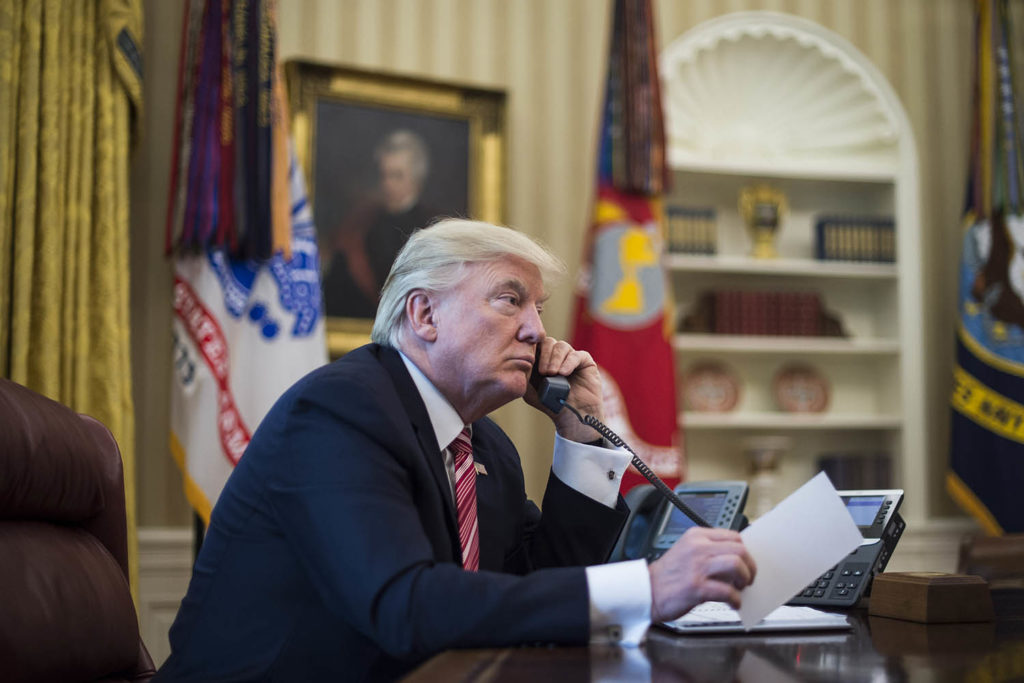
Like Nixon, Trump left a gap in White House records of his activities at a crucial moment in his presidency. Unlike Nixon, Timothy Naftali argues in the Atlantic, Trump won’t be able to conceal what filled that gap for long. In Nixon’s case the gap consists of 18 minutes of buzzing that obscures a conversation with his chief of staff at the height of Watergate (while the other 3,700 hours of Nixon White House tapes are perfectly audible). In Trump’s case the gap is seven hours long and occurs on 6 January 2021 when a crowd of thugs is storming the Capitol, trying to overturn the result of the election. It’s known that Trump made multiple phone calls during this time – because others received them – but he left no record of them. Investigators still need to get the number of the phone Trump was using that day, and will lean on two Trump supporters in particular, Senator Tommy Tuberville and the House minority leader Kevin McCarthy, to get it. Having done so they should be able to trace every call Trump made. Question: will the National Security Agency then be able to find recordings of the calls, and if so can you subpoena the NSA?
The personal touch
Efforts by Russian speakers outside Russia to get through to individual Russian soldiers and dissuade them from fighting may be paying off. The Ukrainian defence ministry claims a leaked Russian military directive orders field commanders to limit their soldiers’ access to smartphones because they are being “blackmailed through their personal data” and targeted with “false information communicated to them personally through messenger apps”. For “false”, read “accurate”. The Times has the story. In a similar vein, last month Russian speakers in Lithuania began a campaign of cold-calling any Russian citizens for whom they could find numbers to talk about the real reasons for the war. At first the voices on the other end yelled back, the Lithuanians say. Word is there’s more listening now.
Covid clot risk
Another reason to get vaccinated: a Swedish study published in the BMJ has found an increased risk for stroke, deep vein thrombosis (DVT), pulmonary embolism and internal bleeding after Covid infection. Some of these risks were already known, but there was still a need for clarity about time frames and whether risks changed with each pandemic wave. By comparing over a million Swedes who tested positive for Covid between 2020 and 2021 with four million who didn’t, researchers found the infected group were 33 times more likely to have a pulmonary embolism, five times more likely to have DVT and almost twice as likely to have internal bleeding in the 30 days after infection. They also found people remained at risk of these outcomes six, three, and two months after infection (respectively). Exactly why Covid increases the likelihood of blood clots is still unclear, but the risks are lower for those with milder illness. Get that booster (if you can).