What just happened
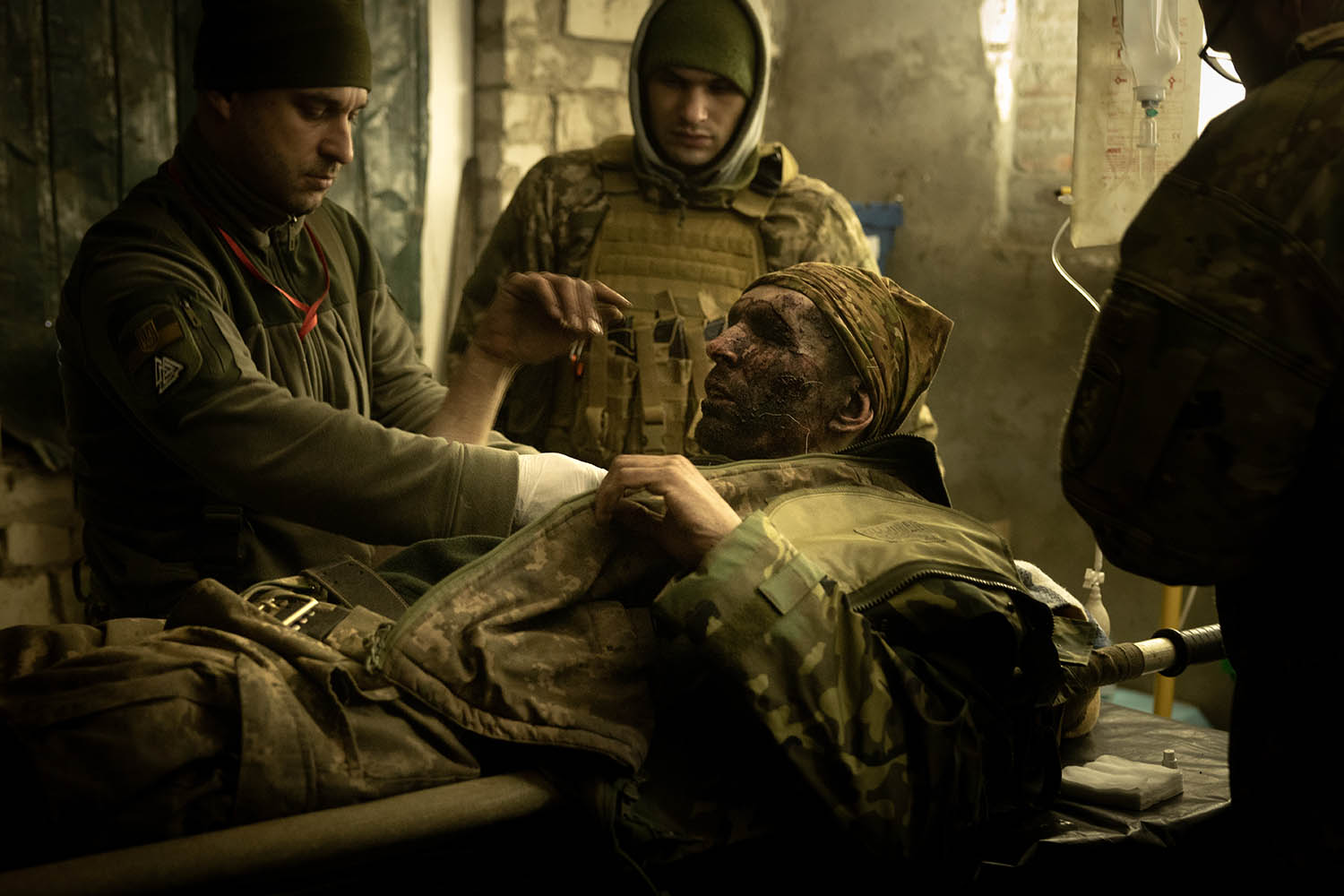
- A Ukrainian marine in Mariupol’s Azovstal steel plant said he and his comrades were outnumbered 10 to one by Russian troops and appealed via Facebook to be extracted.
- China signed a security pact with the Solomon Islands, which the US fears Beijing will use as a new military foothold in the South Pacific.
- Johnny Depp denied striking his ex-wife Amber Heard as a Virginia court started hearing a $50 million defamation claim he has brought against her for calling him a “wifebeater”.
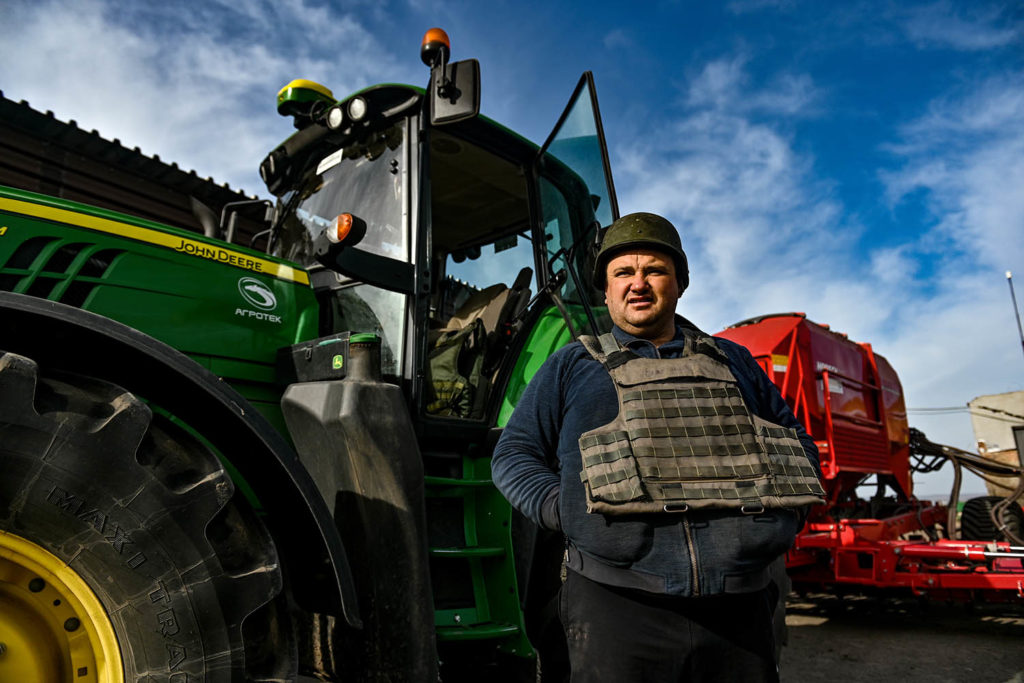
War is forcing Ukrainian farmers to plant crops in bullet-proof vests. It’s also making the world hungry.
- The Russian invasion has exacerbated food shortages, food price inflation and food insecurity in much of North Africa, the Middle East and Central Asia.
- It has cut fertiliser exports from Russia and Belarus, leading to shortages that will hit harvests worldwide.
- And by raising energy prices it has cut fertiliser output elsewhere, further lowering crop yield forecasts and raising prices.
Last month the World Food Programme said even before the invasion the combination of climate change, Covid and conflict (in Ethiopia, Syria and Yemen) constituted a perfect storm of food insecurity risk factors for the poorest countries in the world. “Then Afghanistan hit, and just when we thought it couldn’t get any worse… we’re devastating Ukraine, the breadbasket of the world,” David Beasley, the WFP’s director, told CBS.
Yesterday the IMF cut its global growth forecast, raised forecasts for inflation in most economies and warned of a wave of social unrest wherever food accounts for a large share of household spending.
The detail
- In a normal year, Ukraine exports grain to 400 million people but none of its major ports are now operative and Russia has closed the Black Sea to Ukrainian shipping.
- Over the past five years Ukraine and Russia have accounted for 30 per cent of all wheat exports, 32 per cent of barley exports and 75 per cent of sunflower oil exports.
- China usually relies on Ukraine for most of its imported corn, while 26 countries including Somalia, Senegal, Egypt and Eritrea rely on Russia and Ukraine for between half and all their wheat.
- In the first month of the war world wheat and barley prices rose by a third.
- Russia has unilaterally restricted wheat exports to conserve domestic supplies – but so have 15 other countries, according to the International Food Policy Research Institute, further fuelling food price inflation.
- Russia and Belarus normally account for a third of all fertiliser exports. European and other fertiliser-makers are meanwhile cutting output instead of boosting it to compensate for shortfall because the Haber-Bosch process used to make most nitrogen-based fertilisers is so energy-intensive that their input prices are prohibitive.
The solution. Nature’s staff noted in a recent editorial that in a less dysfunctional world, policymakers could seize this moment to cut the long-term carbon footprint of global food production by i) cutting the amount of cropland devoted to animal feed for meat production (currently a third of the total); ii) cutting food waste in supply chains, households and restaurants (currently also a third of all food produced); iii) diversifying agriculture away from monocultures towards more nutritious crop mixes including more legumes and nuts; and iv) scrapping US maize subsidies for methanol producers.
But this is not that world. In reality, Beasley says, 45 million people in 38 countries are knocking on famine’s door and rising food prices are fuelling mass protests in Sri Lanka, Peru, Pakistan, Morocco and Sudan.
The war’s effects are spreading far and wide, says the IMF’s new chief economist, Pierre-Olivier Gourinchas, “like seismic waves that emanate from the epicentre of an earthquake.” An earthquake caused by one man who could stop it in a heartbeat.
IMF on UK
The UK’s growth prospects as assessed by the IMF have slumped from fastest in the G7 to slowest. As finance ministers including Rishi Sunak arrive in DC for the fund’s spring meetings it has revised down its UK GDP growth forecast for next year from 4.7 to 3.7 per cent, and almost halved it for 2023, from 2.3 to 1.2. High inflation, low consumption and tight fiscal conditions are blamed (no mention of Brexit). It’s customary for people in Sunak’s position to dismiss the IMF as over-gloomy when it has bad news and big it up when it’s more cheerful. Expect homilies to free markets like those delivered recently at Harvard by Sunak’s colleague Kwasi Kwarteng. This cabinet is not known for its faith in government, which is to say, in itself.
Carnegie shuts in Moscow
Russia’s oxymoronic justice ministry has shut down the Moscow office of the Carnegie Endowment for International Peace after 28 years in which the office became a beacon of rational thought in an increasingly unhinged and cruel polity. The closure was ordered earlier this month but the endowment’s president waited until many of his Moscow staff had been able to leave Russia before issuing a statement this week in which he said the move would only deepen the country’s international isolation. A few days after the closure the Kremlin branded Yekaterina Schulmann, a Carnegie scholar and one of Russia’s best known political scientists, a “foreign agent”. When peace eventually comes, there will be much madness to unravel.
Rare earths in Europe
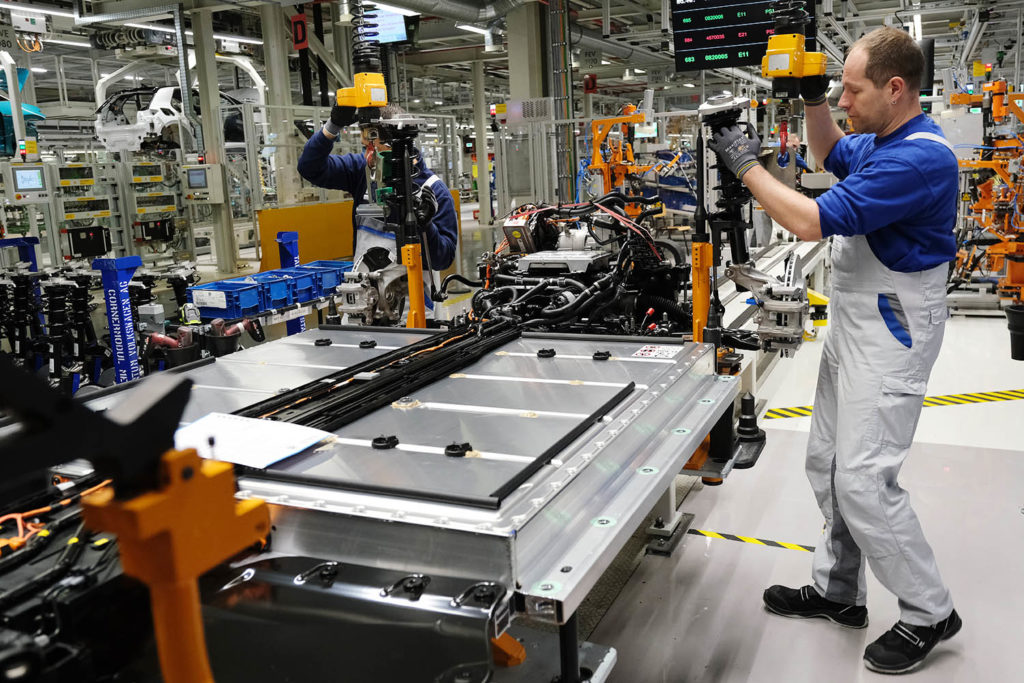
Germany’s fifth-biggest supplier of parts to the car industry has signed a pioneering deal with a Norwegian metals firm to source rare earths for electric cars from within Europe instead of China. China currently controls 98 per cent of the world’s supply of rare earths because it mines them but also imports them for processing without much regard for the environment. They’re crucial for the magnets that form the core of every electric motor. Reuters has a useful explanatory paragraph: “Rare earths are not rare, but complex processing, which can generate toxic waste, is required to separate ore into the 17 individual elements and produce the alloys used in a range of electronics as well as in EVs.” The German company is Schaeffler. The Norwegian one is REEtec. Is Schaeffler paying a premium for “clean” rare earths? “From a commercial perspective, it’s not a walk in the park,” says its COO. That’s a yes.

Power of music
Don’t underestimate the power of music, say Music for Dementia and UK Music. In a report supported by the UK’s culture secretary, Nadine Dorries, the groups argue that music can be used as a cost-effective and non-pharmacological intervention for a wide range of health conditions. Although mostly focused on the benefits for dementia sufferers – 67 per cent of whom showed reduced agitation and need for medication, according to the report – it also finds people with depression, anxiety, cardiovascular disease and Parkinsons can benefit from musical therapy. To increase access to these benefits, a Power of Music Commissioner will lead a cross-government taskforce and advocate for funding and investment partnerships. Dorries also tells the i music therapy will be key to the “long-term rehabilitation of our personal well-being” post-pandemic. That said, music can’t cure all. The Sun splashes today with the story of 49-year-old Oasis frontman Liam Gallagher needing a double hip replacement after suffering from arthritis.
Mexican lithium
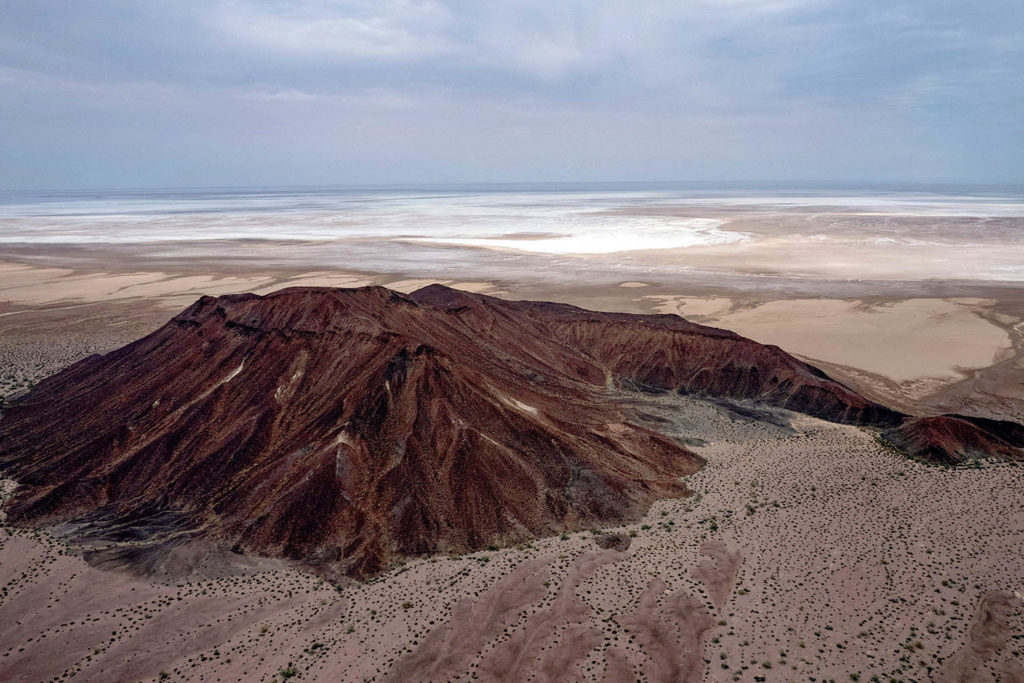
No apology for another EV-related nib. The electrification of personal transport is one of the big rolling tech stories of our time (the other being the trashing of the public square by social media), so it’s significant that both houses of Mexico’s congress have backed a plan to nationalise the country’s lithium supplies – “for our children and our grandchildren,” as President Lopez Obrador puts it. It may also be significant that these supplies are mainly in northern states whose local economies are dominated by drug cartels. Mexico’s history of over-reliance on El Dorados is long, as is its experience of assigning responsibility for strategic resources to central government and its cronies (Pemex has dominated the Mexican oil industry since 1938). Forgive us for worrying that if anyone is going to manage Mexico’s lithium reserves worse than the private sector, it’s the public one.
Thanks for reading. Please share this around and tell us what we’ve missed. News tips and story ideas are welcome. Email them to sensemaker@tortoisemedia.com.
Giles Whittell
@GWhittell
With additional reporting by Phoebe Davis.
Photographs Getty Images