
What just happened
- SpaceX was accused of paying $250,000 to a flight attendant after Elon Musk exposed himself to her during a massage on a flight to London in 2018.
- Ukrainian sources said a military medic known as Taira who filmed 250 hours of footage in Mariupol has not been heard from since being taken prisoner by Russian forces.
- Boris Johnson escaped without another fine as police ended their investigation of Downing Street lockdown parties.
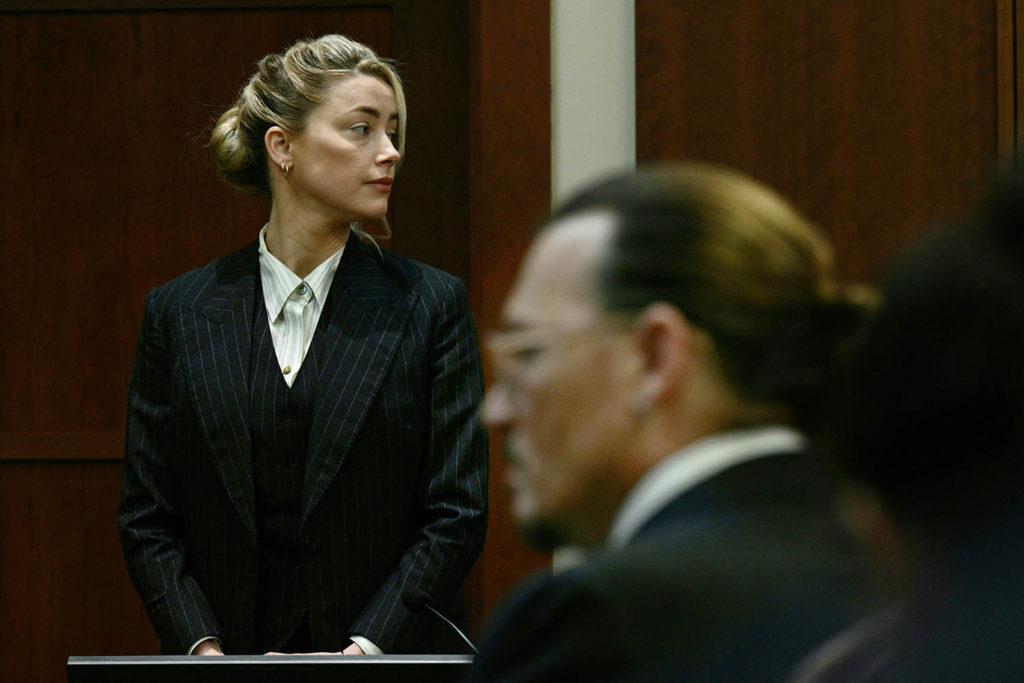
For more than a month, two once-married actors have been tearing each other apart before a judge, jury and global online audience to whom proceedings in their mutual defamation lawsuits are live-streamed for up to eight hours a day.
Not unlike the Wagatha Christie case, in which a London court has been co-opted for character assassination by two rich footballers’ partners, that of Johnny Depp and Amber Heard is two things at once:
A trial unto itself. During their five-year relationship, Depp and Heard had unusual access to money, and unusually unstructured lives, thanks mainly to their work as film stars and his earnings from films that grossed more than $8 billion worldwide. They were not a typical couple.
A mirror to society. Their case has nonetheless become an online and broadcasting sensation on a scale that recalls the murder trial of OJ Simpson 30 years ago. Hour by excruciating hour it has released a story of domestic violence, psychological abuse and shattered dreams into a culture that is
- hooked on social media;
- tribal and often more susceptible to the power of conspiracy theories than facts; and
- still wrestling with the implications of the MeToo movement five years after the exposure and disgrace of the producer Harvey Weinstein.
One result is Heard’s relentless public demonisation by Depp fans – online and in real life – even though a London court has already found he serially abused her and regardless of what’s said in the Virginia court to which she now commutes.
A timeline
2016: Heard files for divorce and a restraining order after 15 months of marriage, alleging that Depp was physically and verbally abusive. Pictures are leaked of her bruised face, and a video of him smashing up a kitchen.
By January 2017: the restraining order has been dismissed and the divorce settled.
Later 2017: Heard’s accusations resurface following the downfall of Harvey Weinstein. Depp’s career falters but he’s still cast as a major character in JK Rowling’s new franchise, Fantastic Beasts, and defended by the author herself. He retains a Dior perfume contract.
2018: Depp brings a libel suit against the Sun and its then executive editor, Dan Wooton, over an article which questioned JK Rowling’s decision and described Depp as a “wife-beater”.
2020: Depp loses to the Sun when the High Court in London finds 12 of 14 allegations of abuse made by Heard to be “substantially true”.
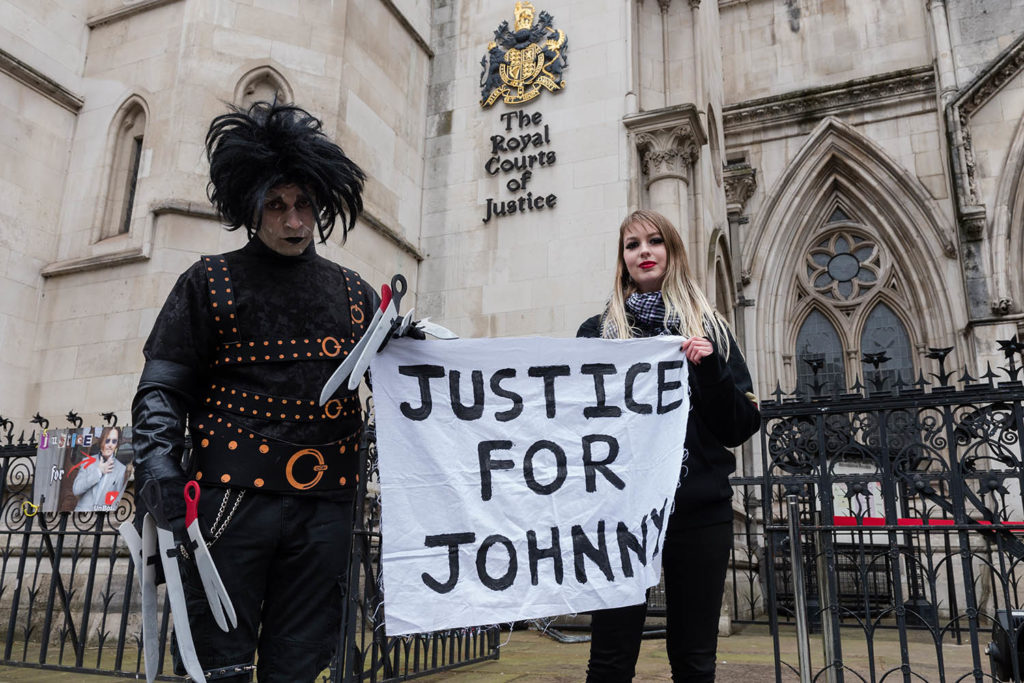
But that battle was the first sign that Depp’s case wouldn’t fit the mould of the movement which brought down Weinstein. An army of online fans supported Depp. Heard came across as a complicated victim and had fewer supporters although – at that time – the weight of public opinion was still on her side.
2022: Depp sues Heard for $50m for describing herself as “a public figure representing domestic abuse” in a 2018 Washington Post op-ed that mentions the lessons of the #MeToo movement but never mentions Depp by name. Heard counter-sues for $100 million.
During the trial, TikTok videos under the hashtag JusticeforAmberHeard have amassed 48 million views (and counting), while those under JusticeforJohnnyDepp have amassed more than 13.8 billion.
4.2 million Depp fans have signed a petition asking for Heard, who made her name in the film Aquaman, to be removed from the cast of Aquaman 2. A video of a coffee-buyer at a drive-thru Starbucks putting her tip in a box marked Johnny Depp (while the one marked Amber Heard remains empty), has been viewed 7 million times.
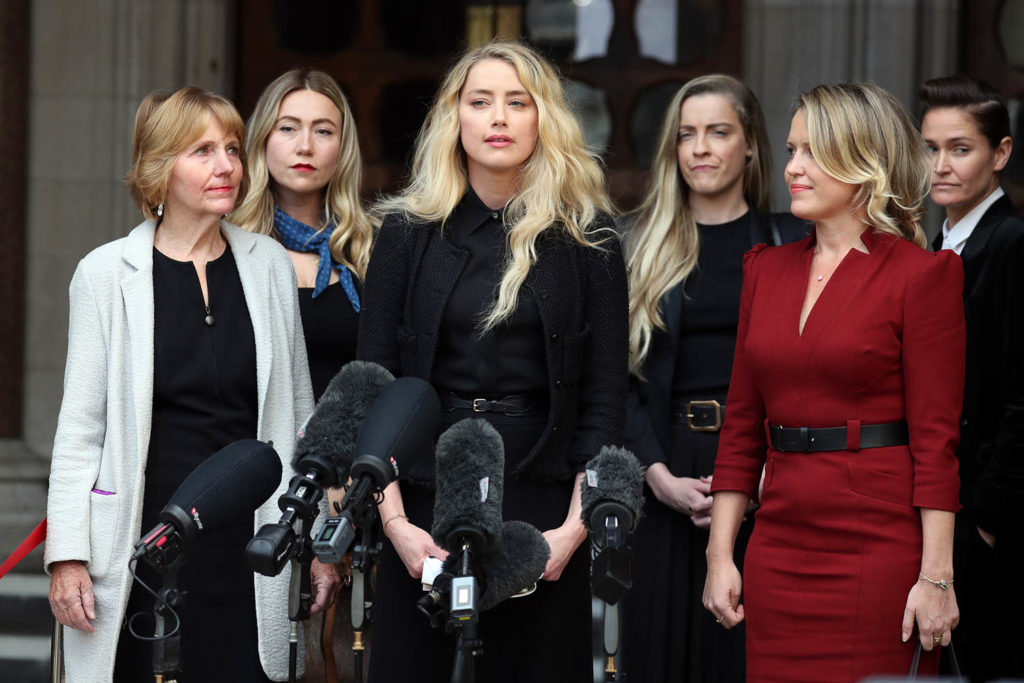
To note: Jury members in the Virginia trial may or may not be aware of the uncontested 2020 High Court verdict in Heard’s favour, but so far they have seen or heard, among many other pieces of evidence
- a text in which Depp tells a friend he wants to kill Heard;
- a video of Depp smashing up kitchen cabinets while she tries to calm him down; and
- an audio recording in which she tells him to put his “cigarettes out on someone else”.
They have also heard evidence that she hit him on more than one occasion.
To ask:
- To what extent are Depp’s online supporters marshalled and directed by his PR team?
- How many of them are men?
$40 billion shopping list
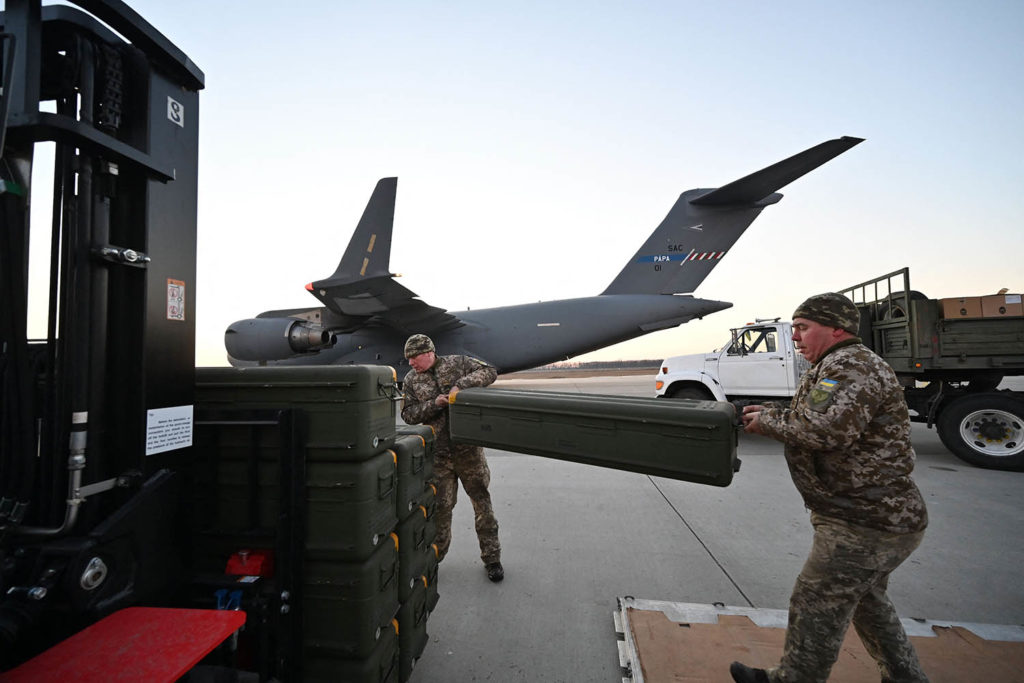
With broad bipartisan support, the US Congress has approved another $40 billion-worth of aid for Ukraine. $11 billion will fund new shipments of Javelin anti-tank missiles, Stinger anti-aircraft missiles, artillery weapons and shells and other military hardware. The NYT reports that $9 billion will go towards replenishing US weapons stockpiles already depleted by transfers to Ukraine; $8.8 billion to a special fund to keep Ukraine’s government functioning; and $4.4 billion to forestall humanitarian disasters resulting from Russia’s blockade on Ukrainian grain exports. The Republican senator Josh Hawley, one of only 11 to vote against the package, noted it amounted to more than three times Europe’s combined funding for Ukraine since the war began. It brings total US aid to Ukraine since 24 February to $54 billion. Yesterday the German government approved grants to Ukraine worth €1 billion.
Birder gets a show
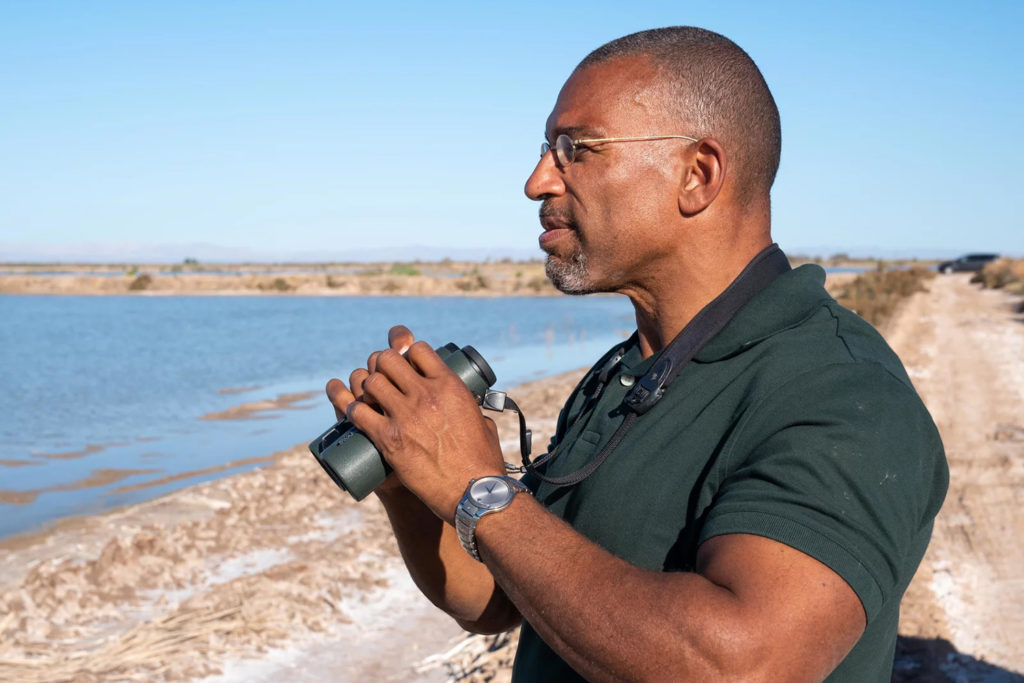
Two years ago Christian Cooper was walking through New York’s Central Park admiring its birdlife when a white woman walking her dog called the police on him because he was Black and she was scared. This week National Geographic announced that Cooper is to host a new show on its TV network, on birdwatching. It will take him far and wide, including to Alaska, Puerto Rico and, perhaps in a nod to his biography, back to Manhattan. “I love spreading the gospel of birding,” Cooper says. The woman who called the police, while Cooper filmed her, was charged with a third-degree misdemeanour but the charge was dropped when she agreed to attend five “restorative justice” sessions designed to promote community healing.
South Korea’s 5G slowdown
South Korea is upgrading to 5G slower than expected, because demand for the fastest broadband it offers has yet to materialise and telecoms firms have not yet built the infrastructure needed. There are degrees of 5G. The very fastest can speed up downloads by a factor of 20 compared with 4G and would be needed, for example, for a fully driverless car or a really sophisticated household robot. South Korea was the world’s most avid user of 4G and the first country to announce a switch to 5G but the superfast version requires 15 to 20 base stations per square kilometre because its signals aren’t good at going around corners. That is a lot of base stations and “the telcos currently lack a killer service that can generate heavier data demand,” one insider at Hyundai tells Reuters. Translation: we haven’t nailed autonomous driving yet, and 4G is pretty good for everything else.
Oklahoma abortion bill
Oklahoma’s legislature has signed into law one of the strictest abortion bans in the US – so far. The bill prevents abortion from the moment of fertilisation and is modelled on the Texas law that allows private citizens to sue providers who “knowingly” perform or induce an abortion. Expect more states to follow suit as the Supreme Court’s decision on whether to overturn Roe v Wade draws near. Oklahoma’s Republican governor, Kevin Stitt, has promised to sign all abortion bans that cross his desk and make it the most anti-abortion state in the country. Although the new law doesn’t include restrictions on contraception, White House press secretary Karine Jean-Pierre said “ultra MAGA officials” – Trump acolytes – were on a mission “to roll back the freedoms we should not take for granted”. Jim Olsen, a Republican member of the state house, said there was nothing “higher or more critical than the defence of unborn, innocent life”. The ban directly impacts thousands of Texan women who have travelled to Oklahoma to access abortion since the six-week ban was introduced in their own state last year.
Insuring Eacop
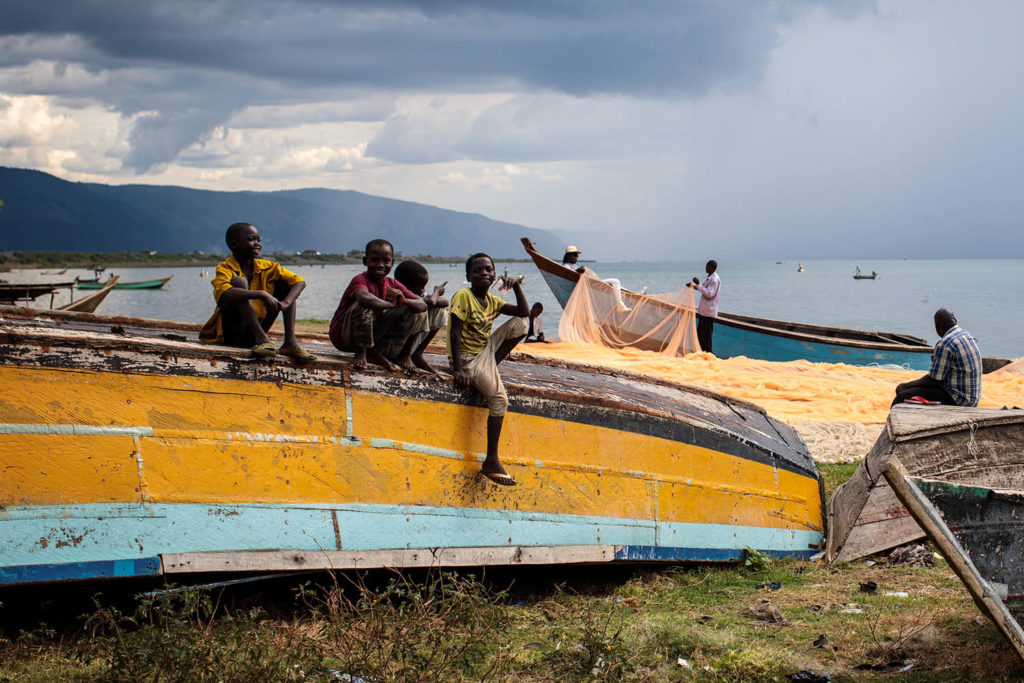
Uganda and Total Energies want to build a 900-mile pipeline from the Lake Albert region to the Tanzanian coast to export up to 230,000 barrels of oil a day, producing 34 million tons of CO2 equivalent a year. The East African Crude Oil Pipeline (Eacop) is already well advanced, but there’s a hitch. Most insurers don’t want to be involved and 100 staff at one big firm that has agreed to underwrite the pipeline – New York-based Marsh McLennan – have written a letter of protest saying it represents an unacceptable risk for their company and the climate. This doesn’t mean the pipeline won’t get built but it does reflect a new reality for insurers facing growing resistance to involvement in fossil fuel projects on grounds of reputational and financial as well as an environmental risk. The Bureau of Investigative Journalism brought the story to the FT.
Thanks for reading. Please share this around and tell us what we’ve missed. News tips and story ideas are welcome. Email them to sensemaker@tortoisemedia.com.
Giles Whittell
@GWhittell
Claudia Williams
@claudiabromley
With additional reporting by Phoebe Davis.
Photographs Getty Images, Jon Kroll/National Geographic


