What just happened
- Conservatives in London said there would be a vote of no confidence in Boris Johnson this evening, and that he would step down as prime minister if he lost (more in Matt d’Ancona’s column).
- More than 50 people died in a “satanic” attack on a Catholic church in Nigeria’s Ondo province.
- Queen Elizabeth II celebrated 70 years on the throne with street parties and a concert.
- A husky sled dog, Leon, who went missing during this year’s Iditarod race across Alaska, turned up safe and well three months later and 150 miles away.
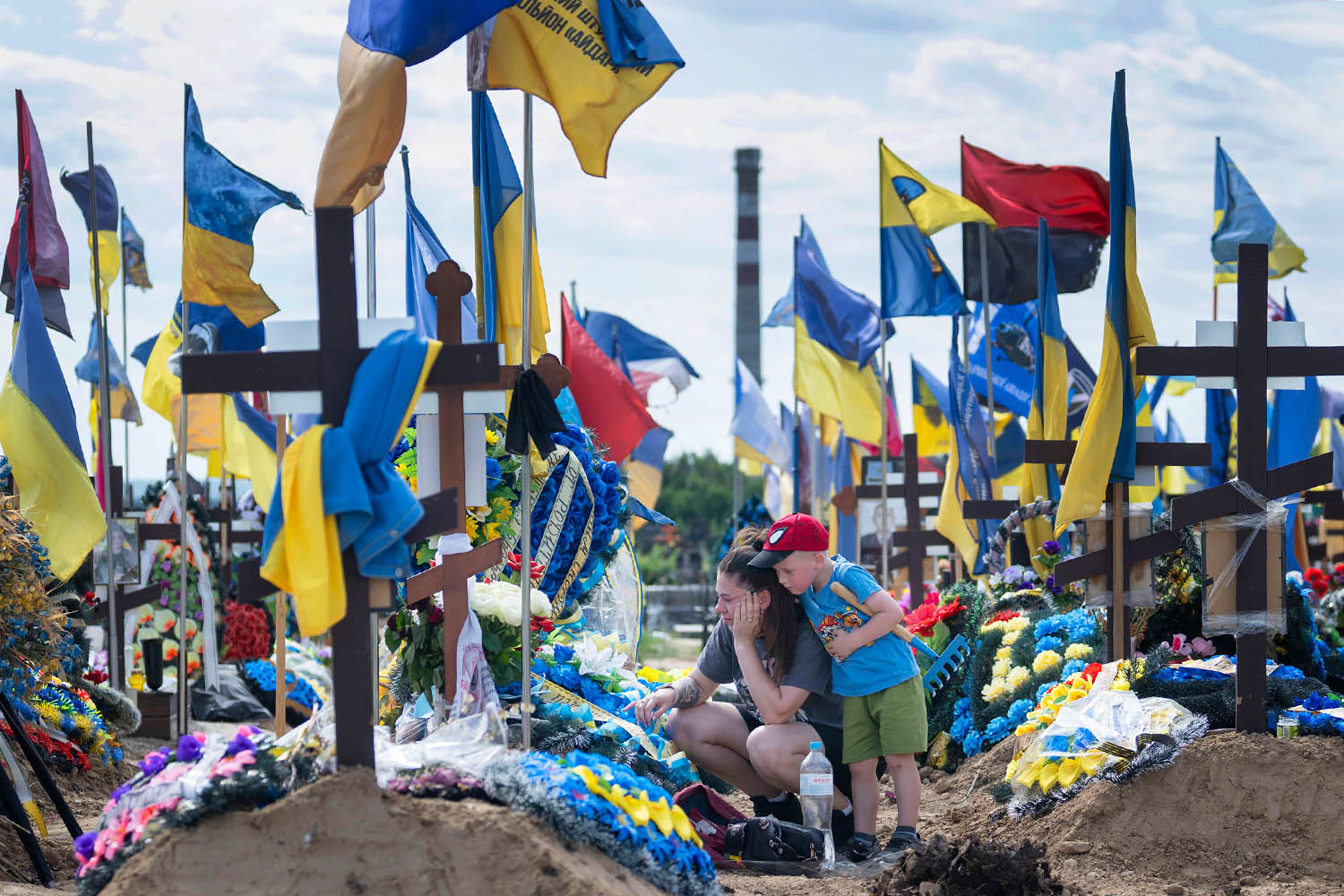
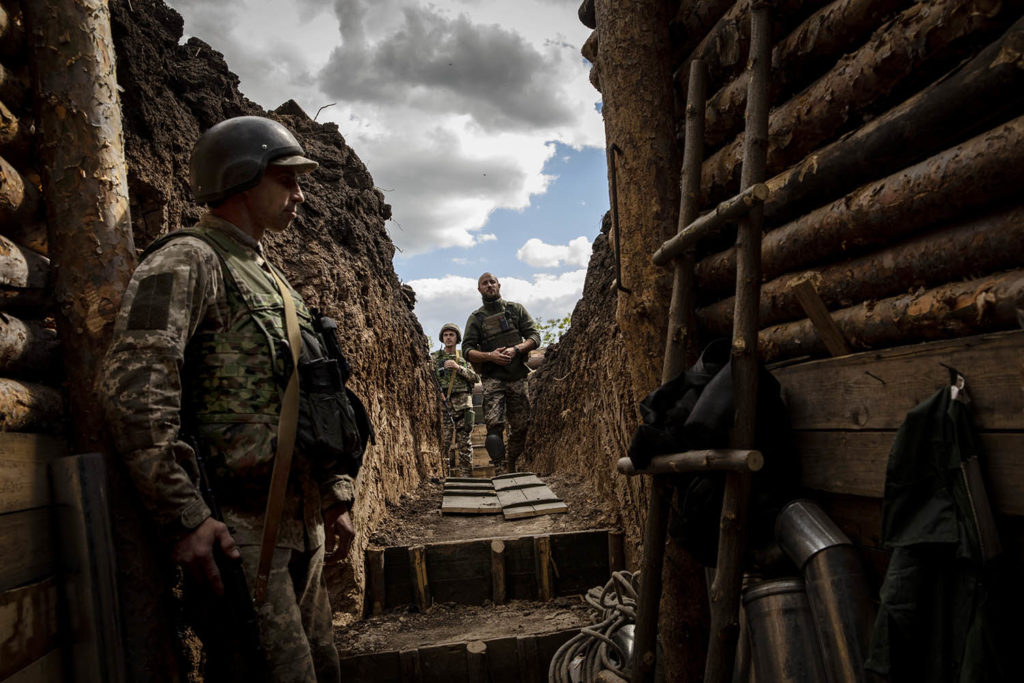
Johnson hoped the war in Ukraine might distract attention at home from Partygate. It has not turned out that way, but the war grinds on. Its outcome depends to a large extent on the unity and resolve of Ukraine’s allies, and Kyiv fears they are eroding.
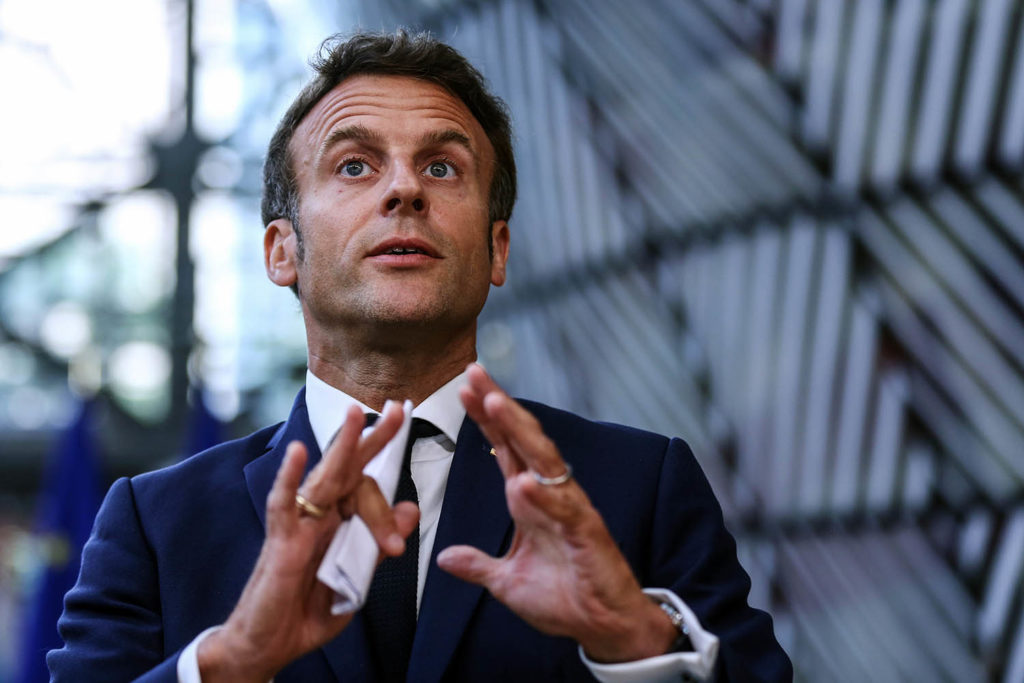
France in particular wants the world to take account of Putin’s state of mind. On Saturday Emmanuel Macron said it was vital not to “humiliate” Russia so an “exit ramp” could be built when the fighting stops. Ukraine’s foreign minister said it was France that Macron was in danger of humiliating.
This is not the first time Macron has used the “build an off-ramp” formulation. He tried it last month and it’s safe to assume he feels he’s bringing expert knowledge to bear: he says he’s had more than 100 hours’ worth of phone conversations with Putin since December.
Nor is he alone. Last month…
- Germany’s Chancellor Scholz and Italy’s Prime Minister Draghi prioritised talks and a ceasefire over driving Russian forces from Ukraine.
- Henry Kissinger told Davos Kyiv needed, in effect, to trade land for peace and start negotiations before the war created “upheavals and tensions that will not be easily overcome”.
- The NYT provoked fury in Kyiv with an editorial saying Ukraine would have to make “painful territorial decisions” and accept limits to the amount of arms, money and political support the US and Nato could provide.
And on Saturday the NYT’s Ross Douthat came to his editorial board’s defence with a column arguing that Ukraine needed to be pushed “toward its most realistic rather than its most ambitious military strategy”.
The case for talk rests on the urgent need to limit bloodshed and the possibility that the longer the fighting continues the more Putin will change the facts on the ground in his favour, so that he will be negotiating from strength.
For Macron, there’s also a peculiar conviction that he and France have a special role as Europe’s peace-brokers du jour. But he’s forgetting three clear and present realities, and the lessons of history.
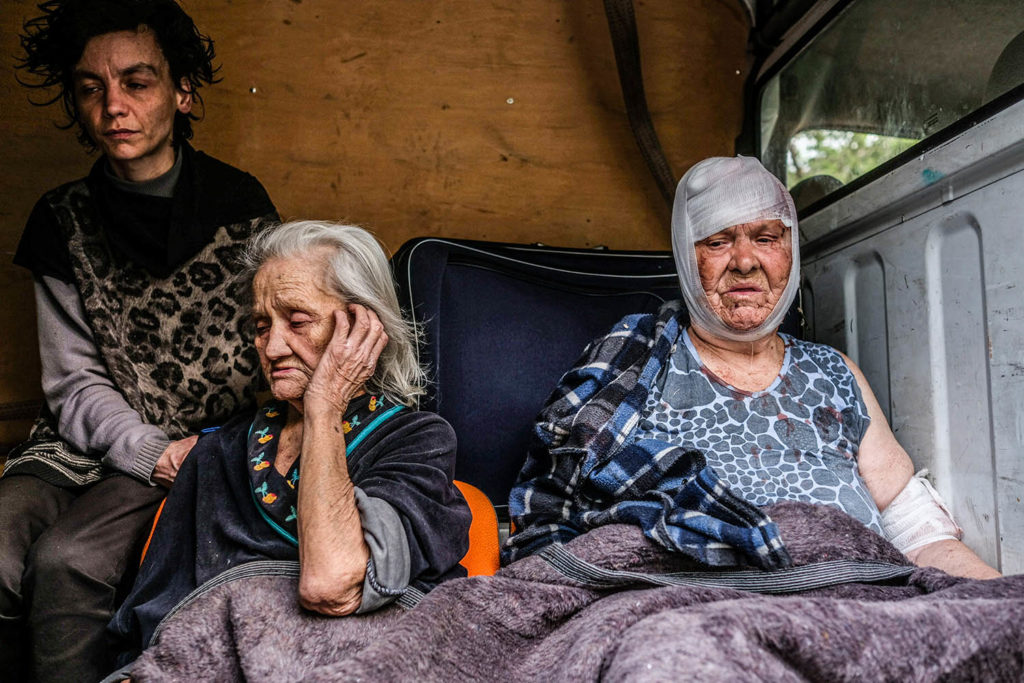
The realities, as set out recently by Anne Applebaum in the Atlantic, are that
- there’s no evidence Putin wants a ceasefire;
- there’s no evidence he would stick to the terms of a ceasefire deal even if he could be persuaded to sign one; and
- no Ukrainian leader could stay in power having signed away part of the country to Putin’s Russia.
The history lessons can be plucked from any century, but especially this one:
- Unpunished militarily for redrawing international borders in 2008 (Georgia) and 2014 (Crimea, Ukraine), Putin became a repeat offender. Experience suggests if not stopped now his next target will be Transnistria.
- Conversely, experience shows that if confronted with sufficient military force the Russian army will retreat, as it did in Afghanistan in 1989, and as it has in Kyiv, Kharkiv and now Sievierodonetsk and Kherson in 2022.
- Munich, 1938.
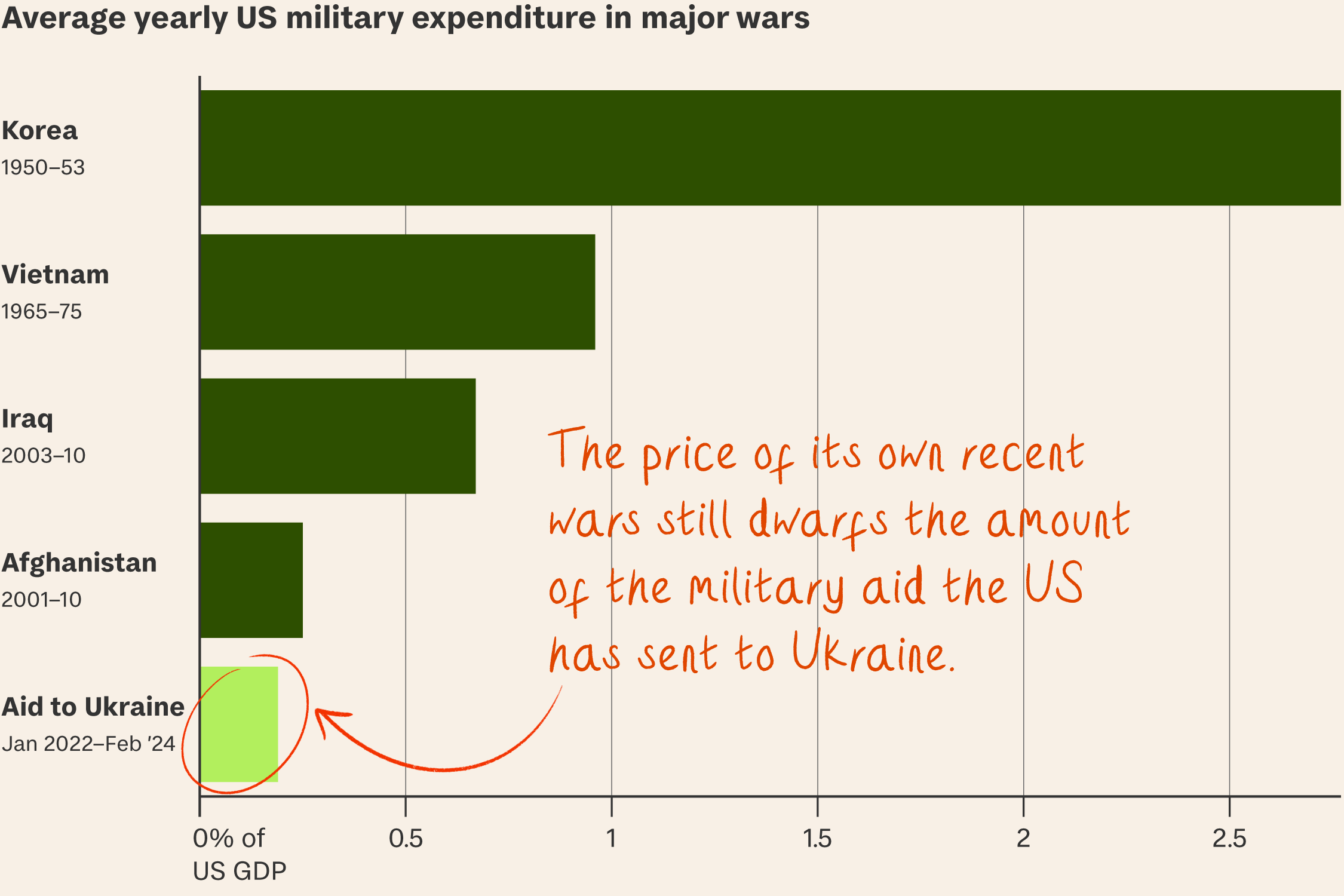
The threat posed by Russia looks complex and terrifying to some European countries, but crystal clear to others (see Culture, below) – and, so far, to the US Congress. Its bipartisan appropriation of $57 billion in military and humanitarian aid for Ukraine since February dwarfs aid from western Europe and recalls Themistocles. Twenty-five centuries ago, he saw Persia’s armies as an existential threat and persuaded his peers to spend the proceeds of a huge silver strike on triremes, which enabled him to defeat Xerxes at Salamis and confirm for anyone in doubt that democracies could fight.
Macron seems to have missed the point that the battle being fought now in eastern Ukraine is the Salamis of the 21st Century.