
What just happened
- A chartered plane returned empty to Spain after a judge at the European Court of Human Rights said it couldn’t lawfully take asylum seekers from the UK to Rwanda (more below).
- Alexei Navalny’s lawyers said they didn’t know where he was, as Russian officials said he’d been transferred to an unnamed maximum security prison.
- Citron launched a 28 mph electric quadricycle for UK commuters at a lease price of £19.99 a month.
Human rights are having a moment.
- American schoolchildren could win new protections of their right to life as Congress moves to approve limited background checks for gun buyers under 21.
- Asylum seekers have temporarily been spared deportation to Rwanda, partly on the basis of their right to a family life.
- And a British judge has upheld the right of the journalist Carole Cadwalladr to speak her mind.
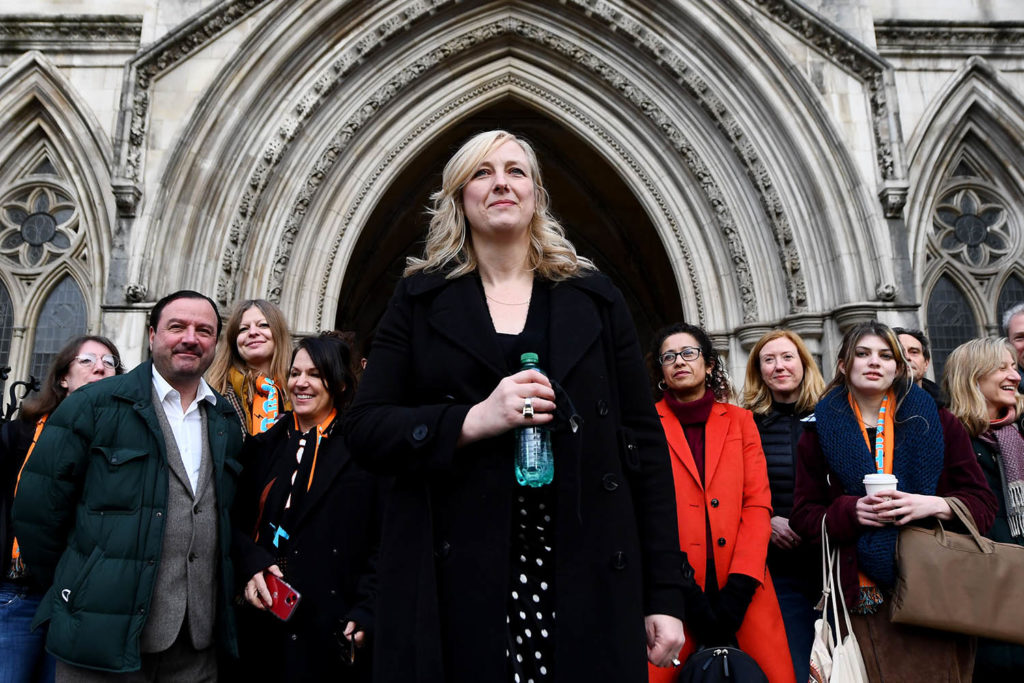
When Cadwalladr heard on Monday that she’d won her battle against a libel claim brought by the Brexiteer millionaire Arron Banks, she said it would take a while to sink in. No wonder.
For three years she faced the prospect of financial ruin if Banks’ claim was upheld, because he sued her personally rather than any of the papers or platforms where her work appeared.
His claim. Banks said Cadwalladr defamed him
- a) in a 2019 Ted Talk in which, in the context of explaining the finances of the EU referendum’s Leave campaign, she said: “And I’m not even going to go into the lies that Arron Banks has told about his covert relationship with the Russian government”; and
- b) in a later tweet telling her followers he was suing her for the talk and adding: “If you haven’t watched it, please do. I say he lied about his contact with the Russian government. Because he did.”
Her defence. Cadwalladr initially offered a “truth defence”, which the judge said meant she was not only accusing Banks of lying but of lying about illegal foreign funding of an electoral campaign. Cadwalladr later withdrew that defence, saying she hadn’t intended to make the funding allegation and wouldn’t do so again. She offered a public interest defence instead, based on the idea that her belief that the Ted Talk was in the public interest was reasonable.
This is the argument Mrs Justice Steyn ultimately accepted. It matters because
- it upholds a journalist’s right to say what she believes is in the public interest as long as that belief is reasonable at the time; and
- it’s a landmark application of a relatively new law that depends on individual judges (because there’s no longer an automatic right to a jury trial in UK libel cases), and the judge has found in favour of free speech against the potentially chilling effect of expensive litigation.
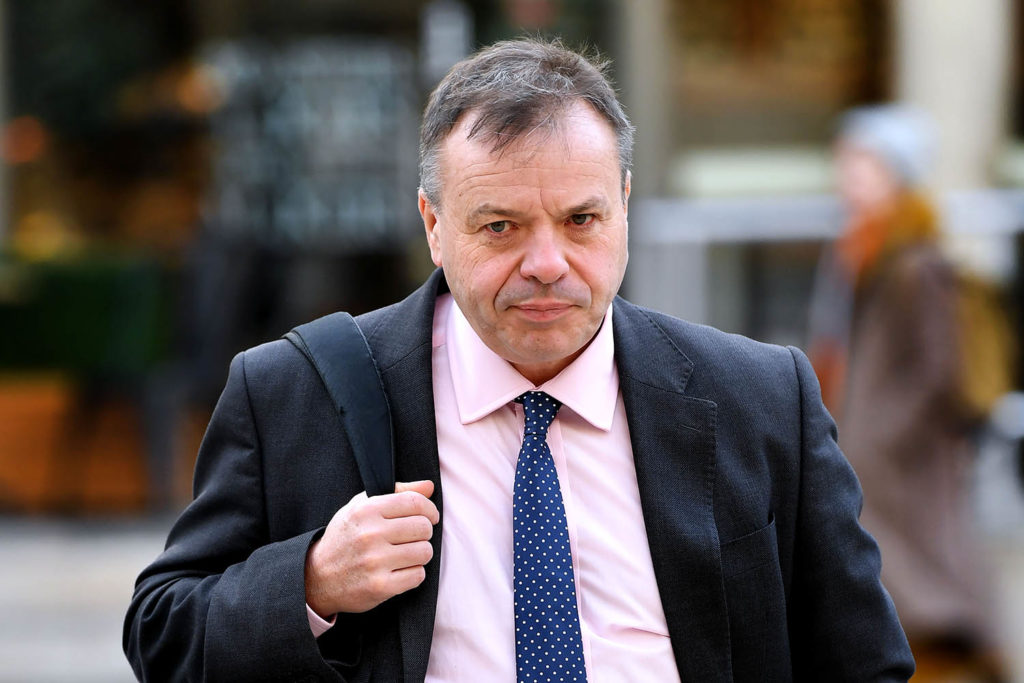
The caveats. The judge said Banks’ complaint was “legitimate” and not a so-called SLAPP suit (a “strategic lawsuit against public participation”). Translation: she didn’t buy the argument that Banks’ main purpose was to intimidate Cadwalladr into silence.
He may appeal. Equally, he may think better of it in light of Russia’s pariah status and Steyn’s exhaustive judgement, which
- makes clear that Cadwalladr did have multiple reasons to believe Banks lied to her about the extent of his relationship with Russia and with Russia’s ambassador to London in particular; and
- notes in passing that years before their paths crossed Banks tweeted openly in support of Russia’s annexation of Crimea.
Cadwalladr won’t have to pay costs of up to £1,000,000 for which she would have been liable had Banks won. Nor did the judge award him any damages even though she concluded the Ted Talk did serious harm to his reputation.
The talk is still online and well worth a listen.


