What just happened
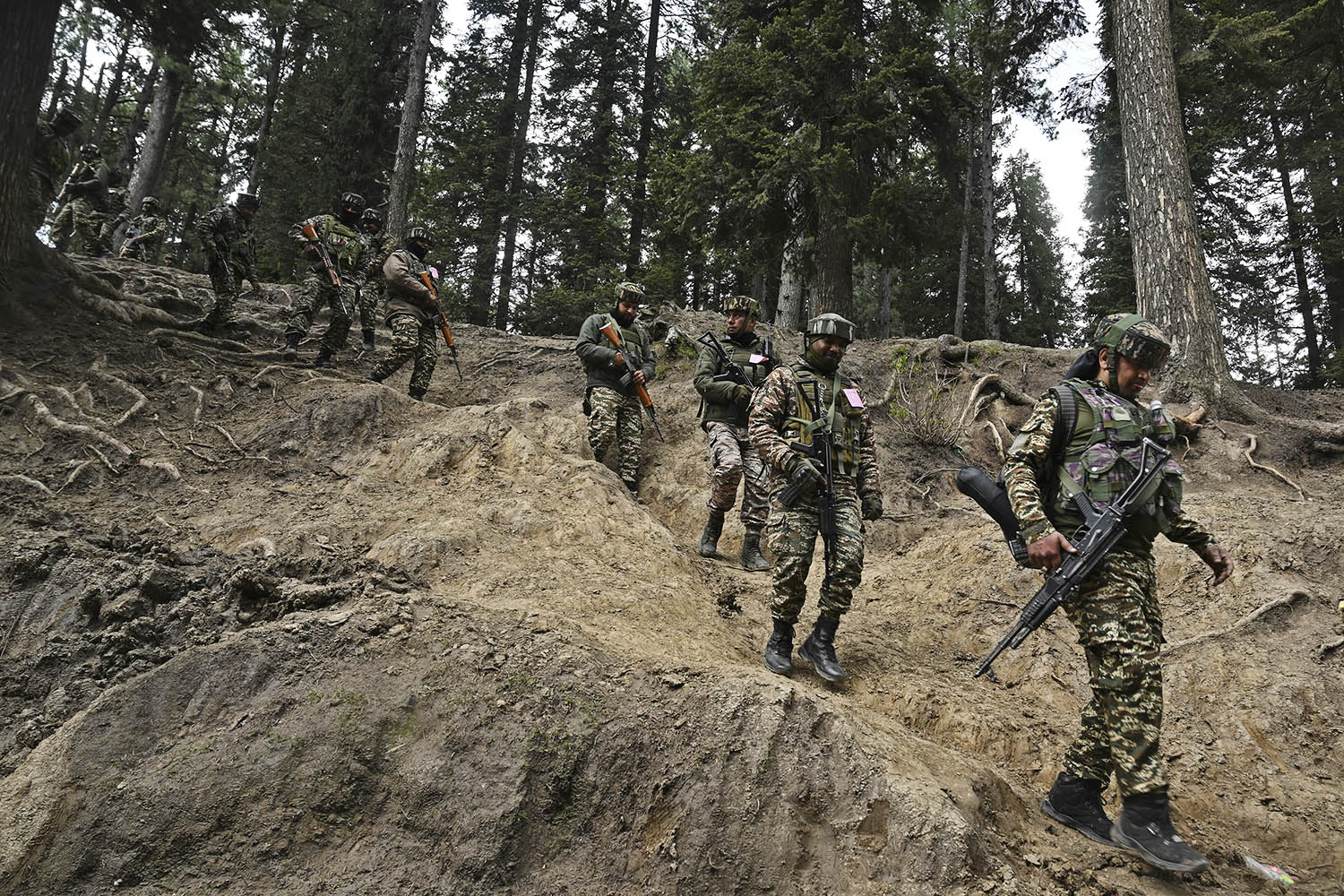
- Afghanistan’s defence ministry took charge of search and rescue after Tuesday’s earthquake, because most aid agencies have left the country since the Taliban took over.
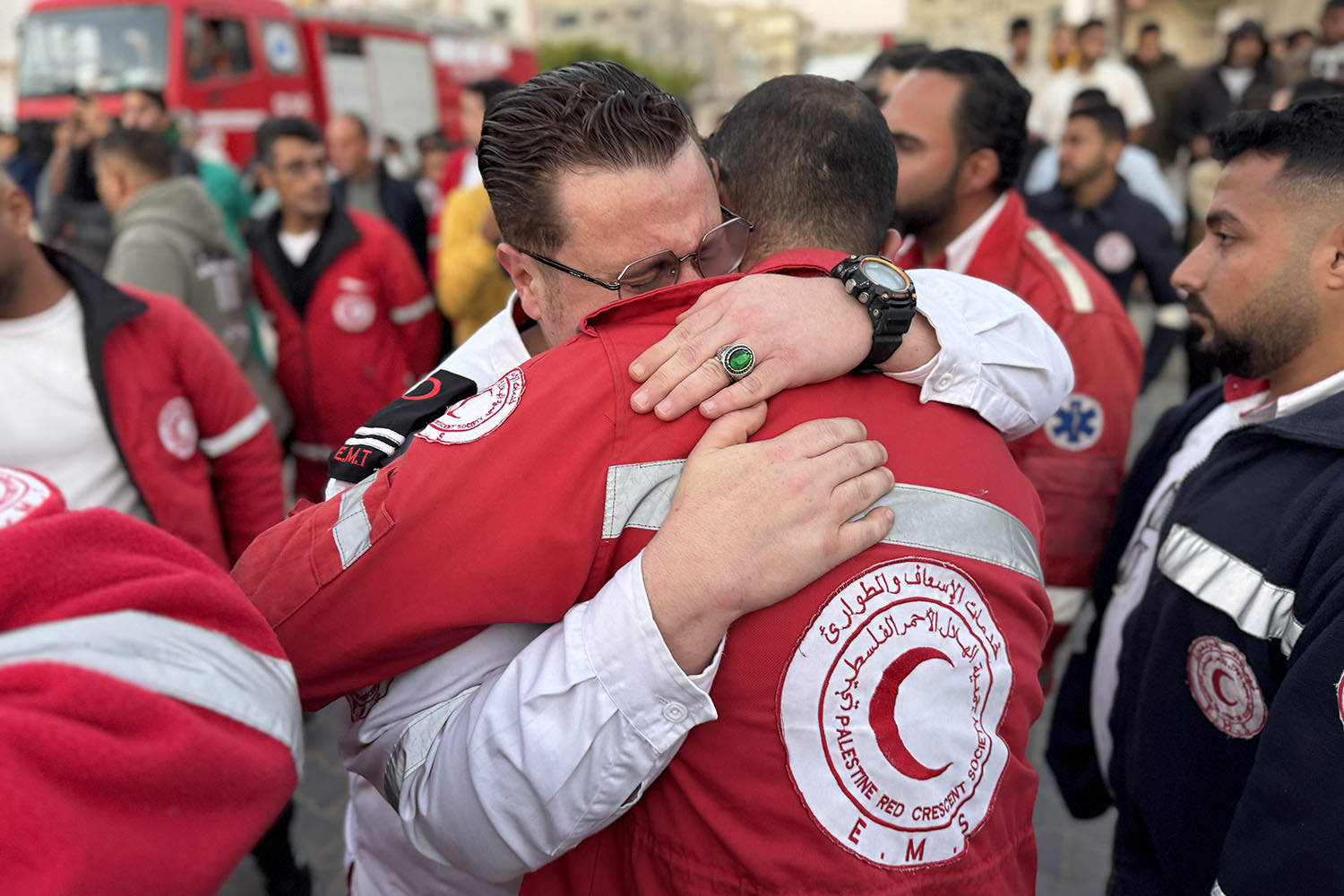
- Anita Alvarez, an American artistic swimmer, was rescued by her coach after fainting in the pool at the World Aquatics Championships in Budapest.
- Glastonbury festival opened for the first time in three years.
What do the UN, the UN Security Council, the G20, the OSCE and the International Atomic Energy Agency have in common? Four months into its war on Ukraine, Russia is still a member of them all.
They all work by consensus, and Russia is destroying that consensus as effectively as it’s destroying the Donbas. The result is that instead of turning the Putin regime into a pariah, the world’s more complacent international bodies have amplified its role as a diplomatic wrecking ball.
The process started the day after the invasion.
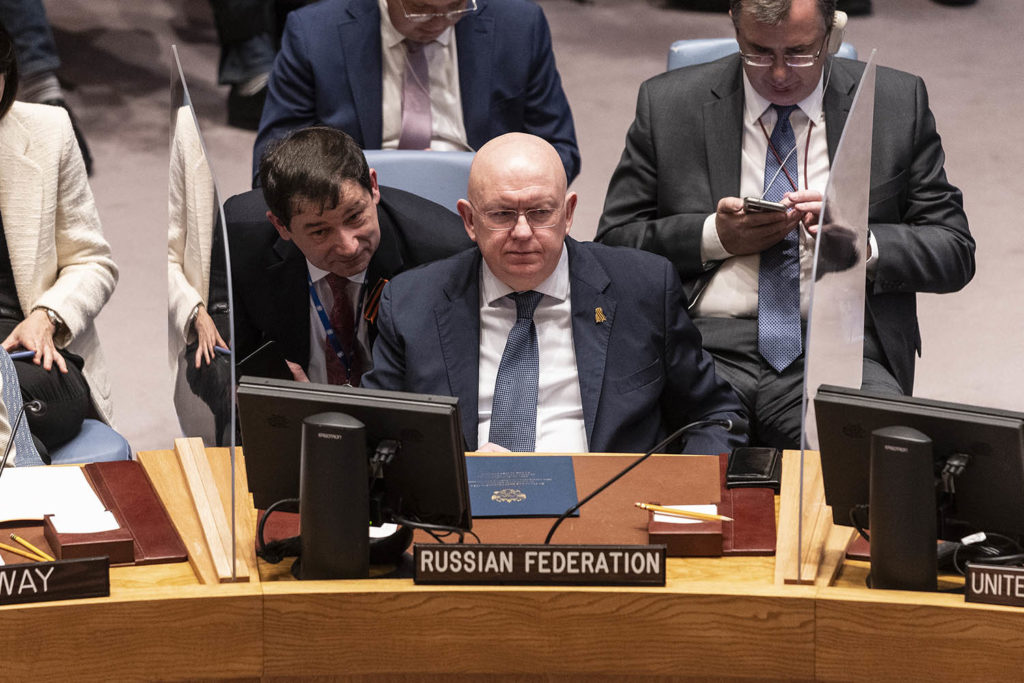
UN Security Council
- 25 February: Russia vetoed a draft UNSC resolution condemning its aggression and calling for an end to its use of force.
- It then attempted to impose its version of a draft resolution on “humanitarian consequences of the aggression against Ukraine”, with no references to Russia or its role in the conflict and no call for an end to hostilities.
- 26 May: Russia tried to prevent the adoption of a resolution by the World Health Assembly on the health emergency in Ukraine and countries hosting Ukrainian refugees.
No surprises there, but the reputational damage for the UN is significant. Among Ukrainians it’s extreme:
As an aggressor state, Russia “has no right to participate in shaping the policy of the UN and other international organisations,” says Valentyn Skuratovskyy, head of the Ukrainian foreign ministry’s international organisations department.
The UN is “a failed organisation,” says Anton Shekhovtsov, political scientist and director of the Vienna-based Centre for Democratic Integrity.
“There was a precedent – the League of Nations. It had to dissolve. The USSR was kicked out of the League when it invaded Finland, but then this organisation had the guts to dissolve itself because it failed to prevent World War Two.”
The UN, by contrast, is “totally useless” and increasingly ignored – but impossible to remove from the UN Security Council because it’s a founding member.
OSCE
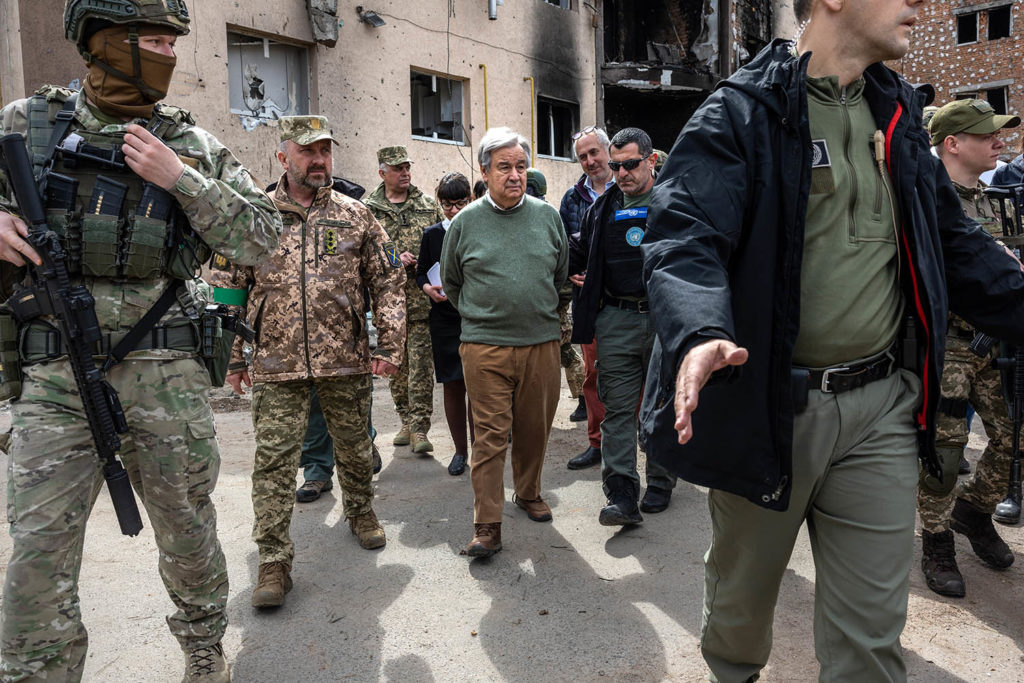
- For eight years a Special Monitoring Mission (SMM) of the Organisation for Security and Cooperation in Europe maintained a fact-finding mission in the eastern Ukraine conflict zone. On day two of the invasion, the SMM collapsed when most of its international staff withdrew via Russia, leaving hundreds of local staff behind. One was killed by Russian shelling in Kharkiv, at least six have been detained in Donetsk and Luhansk regions and three remain in custody.
- In March, Russia vetoed an extension of the SMM’s mandate.
“Russia has compromised its right to sit at the table with other OSCE participating States,” Skuratovskyy says. “You cannot do anything without the consent of each and every member.”
IAEA
As the world’s nuclear safety regulator the International Atomic Energy Agency should be the first agency to inform the UN Security Council of a threat to nuclear security.
During the first three months of the war, Russia issued nuclear threats and damaged Ukrainian nuclear power plants:
- Chernobyl’s nuclear power plant (CNPP), which stores 2,500 tons of spent nuclear fuel, was occupied by Russians for more than a month. The CNPP is also an ammunition storage site, and the surrounding area was a battlefield under constant shelling. No radiation control of vehicles or troops was carried out.
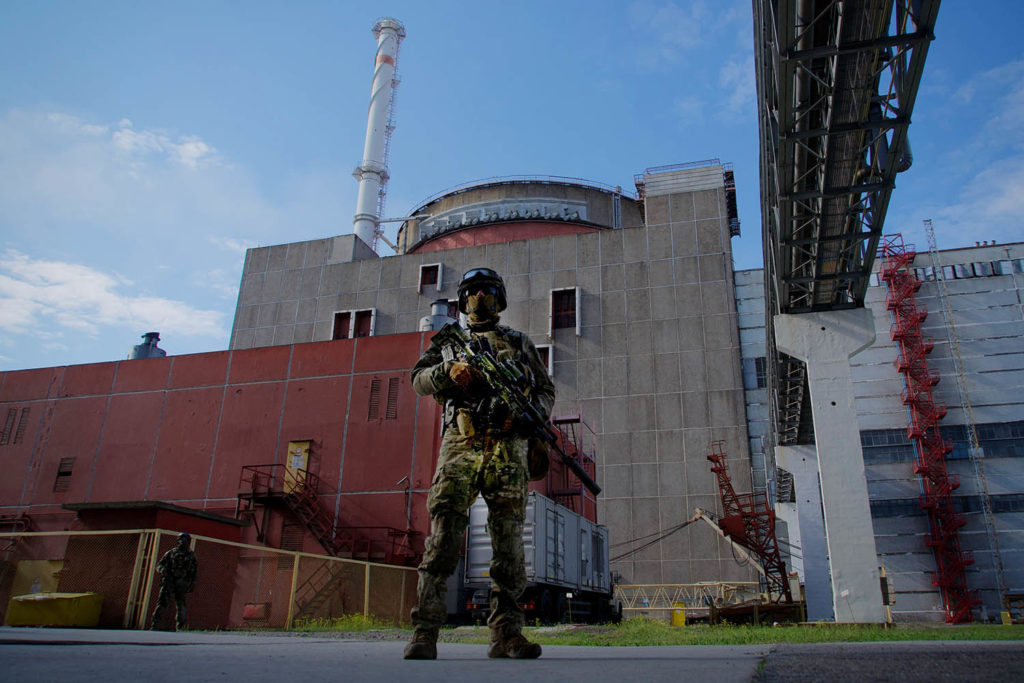
- The Zaporizhya Nuclear power plant came under fire from tanks and mortars early in the war. It was then occupied by Russian troops and taken over by Rosatom, the Russian state corporation for nuclear energy. Ukrainian staff, working under intense pressure, are not allowed to leave the city.
Yet rather than convene a special session of the UNSC, the IAEA’s director-general, Rafael Grossi, has demanded access to the sites regardless of who controls them. Ukrainian officials say that risks legitimising their occupation and is unacceptable until they’re liberated.
Grossi has met several times with Russian officials without Ukraine’s participation.
Words v actions
Russia remains an active member of the UN system, the WTO, the IMF, the World Bank, the Commonwealth of Independent States (CIS) and other international bodies, according to the UN Industrial Development Organization.
But a simple comparison of Russian activities’ and these organisations’ goals suggests they’re no longer compatible. Those goals include
- Democratic processes – largely ignored in Crimea and eastern Donbas since 2014, in Transnistria and the Georgian enclave of Abkhazia;
- Food security and the “elimination of extreme poverty and hunger” – jeopardised by Russia’s prevention of grain exports from Odesa;
- Managing the consequences of humanitarian, natural, environmental and industrial disasters – which Russia has instead created by destroying and/or occupying cities such as Mariupol and Kherson.
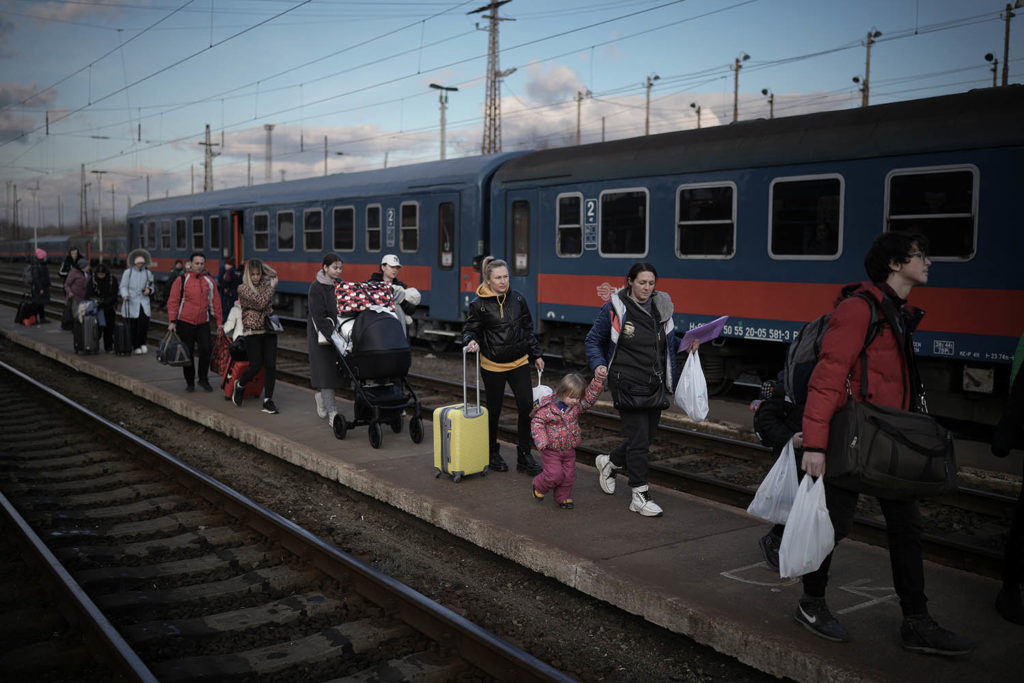
Ukraine has called for Russia to be expelled or suspended from international organisations including the Food and Agriculture Organization of the UN, the World Customs Organization, the G20, the UN Security Council and the OSCE. In some cases the EU has echoed these appeals.
“These organisations are helpful during peacetime but they’re useless in wartime,” Shekhovtsov says. “What is happening now… is a sort of chaos, and the situation will only be resolved when the war ends.”
And that, he notes, depends on weapons, not diplomacy.
Oil insurance
Current EU sanctions prevent western insurers selling coverage for oil shipments from Russia. The US wants to change that and its plan is gaining support in Europe. The idea is to allow insurance once the price of oil falls below a certain level, yet to be determined, to tame inflation while capping Russian profits. The context is an urgent need for broad European support for the most comprehensive Russian energy boycott possible. But inflation is hurting everyone, including Ukraine, where it’s running at more than 20 per cent. The WSJ quotes an economic advisor to Zelensky as being “very much in favour of this plan”. The biggest obstacle is the country that has taken most stick for putting its own needs ahead of Ukraine’s – Germany. Biden will talk oil insurance with Scholz at the G7 this weekend.

BL takes Asia
2gether is a 2020 Thai TV hit that had been viewed 100 million times by April that year. It’s about two university students who fake a gay relationship that becomes real, in a parallel universe in which LGBTQ+ people face no prejudice of any kind. It’s part of the hugely commercial Asian TV trend known as BL (for Boy’s Love, Boys Love or Boy Love, depending – see below), which spawned 30 new series in Thailand alone last year and many more in South Korea, China and Taiwan. The meta-story is interesting, too: the Bangkok Post ran a feature on BL last month that was picked up last week by the Insider, whose version was rerun yesterday by the increasingly staid and Beijing-compliant South China Morning Post. The Post used the “Boys Love” formulation, the Insider used Boy Love (easily misconstrued online) and the SCMP used “Boy’s Love”. A series of sub-editing accidents or a deliberate messing with apostrophes for subtle shades of meaning?
Exit Juul
The e-cig firm known for its flavoured mango and cucumber-flavoured vape pods and once valued at $38 billion could be about to be banned from selling any of its products in the US by a “marketing denial order” from the Food and Drug Administration. The ban could come as soon as today. Techcrunch as the story (first reported by the WSJ), and it represents a stunning reversal of fortune for a company that hoped its products would be accepted as a safe alternative to smoking, only to be targeted by parents and lawyers claiming it was turning children into addicts. Juul did try to persuade them otherwise. Last year it paid $51,000 to have an entire issue of the American Journal of Health Behaviour devoted to studies it had funded designed to show vaping helps smokers quit. As things stand, tobacco companies that sell only tobacco-flavoured pods will be allowed to go on selling them.
Polio in London
The UK’s health security agency says polio has been found in London sewage samples. It’s likely someone who was recently vaccinated in a country where the virus is still endemic is shedding the virus in their faeces. Traces of the virus being found isn’t unusual – but this cluster of genetically-similar samples over the last few months is. London also has a marginally lower polio vaccination rate than the rest of the country and parents will be reminded to follow up on vaccinations for their children. In rare cases polio can lead to paralysis and death, but there are no recorded cases in people in the UK and overall vaccination rates are high. It’s rare for this form of the virus to mutate into a “vaccine-derived” polio that can infect others. Separately, healthcare workers in Pakistan, one of the few countries where the disease is still endemic, are battling extremist violence and vaccine misinformation. Ten cases have been reported there in mostly children.
Kallas on the tripwire
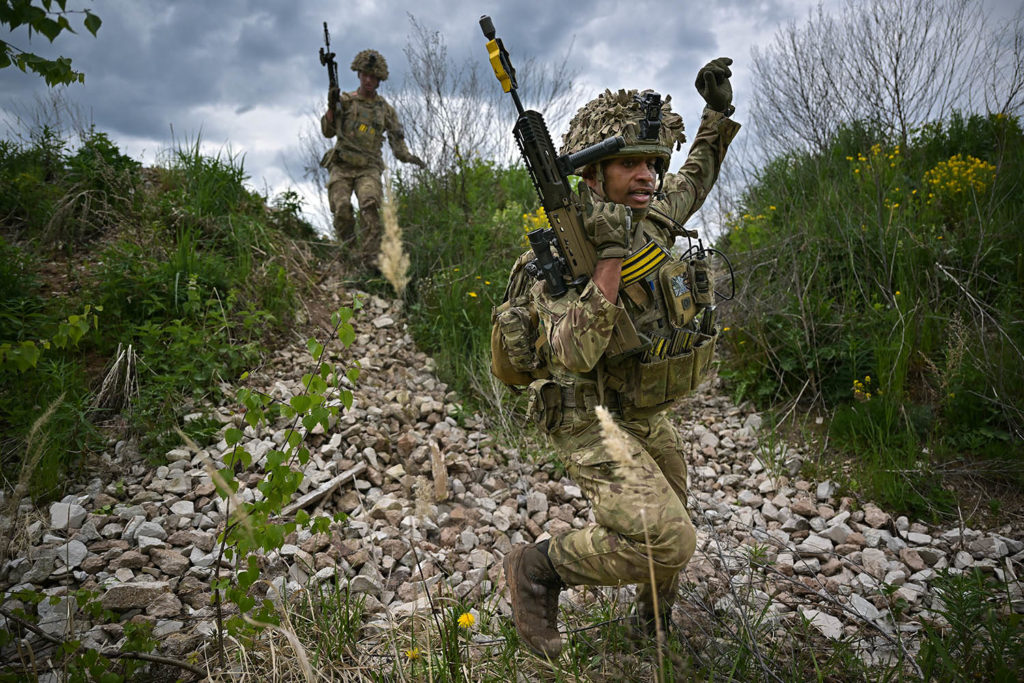
Kaja Kallas, Estonia’s prime minister, wants a sharp increase in Nato troop numbers in her country for a very specific reason. Under current Nato plans, in the event of a Russian invasion the alliance would allow the tanks in and undertake to push them out again only within 180 days. As Kallas pointed out yesterday, Ukraine’s recent experience suggests that would be long enough to lay waste to the entire human infrastructure of a small country like Estonia. She said she’s spoken to British troops stationed there who were “not fond of the idea that [under Nato’s existing “tripwire” strategy]… they are supposed to die”. She’ll tell next week’s Nato summit in Madrid the Baltics want a full Nato division in each country, ready to defend every inch of their territory “at all times and against any threat’. Good plan.
Thanks for reading. Please share this around and tell us what we’ve missed. News tips and story ideas are welcome. Email them to sensemaker@tortoisemedia.com.
Nina Kuryata
Contributing Editor
With additional reporting by Phoebe Davis and Giles Whittell.
Photographs Getty Images, GMMTV