What just happened
- Britain’s foreign secretary Liz Truss joined the long list of candidates to replace Boris Johnson as prime minister (see Matthew d’Ancona, below).
- Steve Bannon, a former adviser to Donald Trump, agreed to testify to the January 6th committee investigating the riot at the Capitol.
- Macau closed its casinos for the first time in two years amid a Covid outbreak in the world’s biggest gambling hub.
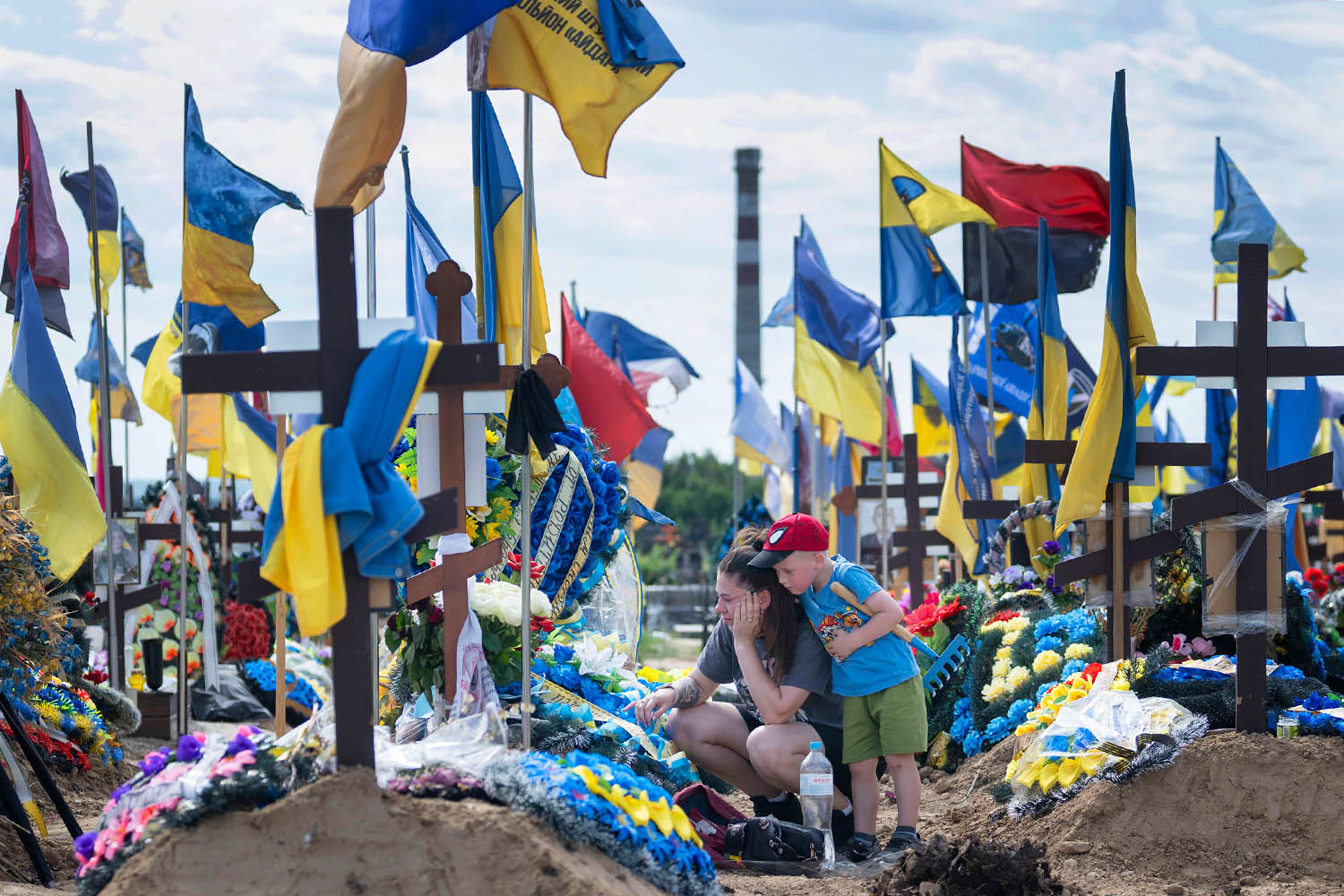
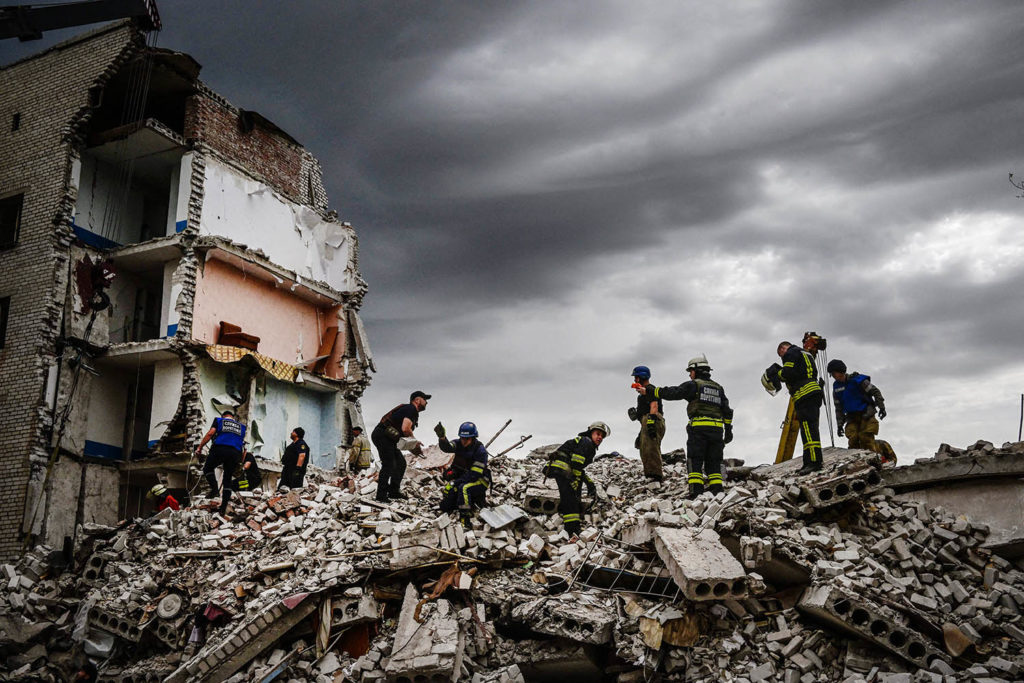
Putin has spent two months destroying the cities of Ukraine’s Luhansk region in order to occupy their ruins. On 6 July he ordered a pause to let his troops regroup. There are unconfirmed reports of Ukrainian forces starting to use Nato-supplied multiple launch rocket systems against Russian supply lines, but the bigger picture is of attrition on the front lines and uncertainty about the West’s role.
So clarity is needed. To end the slaughter, preserve Ukraine as an independent country and bring Putin and his enablers to justice, the goal is simple: defeat Russia. The question is how.
The Ukrainian defence minister, Oleksiy Reznikov, outlines three options, ranging from returning to positions before the 24 February invasion and negotiating remaining occupied territory; continuing to engage in a war of attrition; and waiting for the collapse of the Russian Federation (the third, he admitted, would be a “long story”).
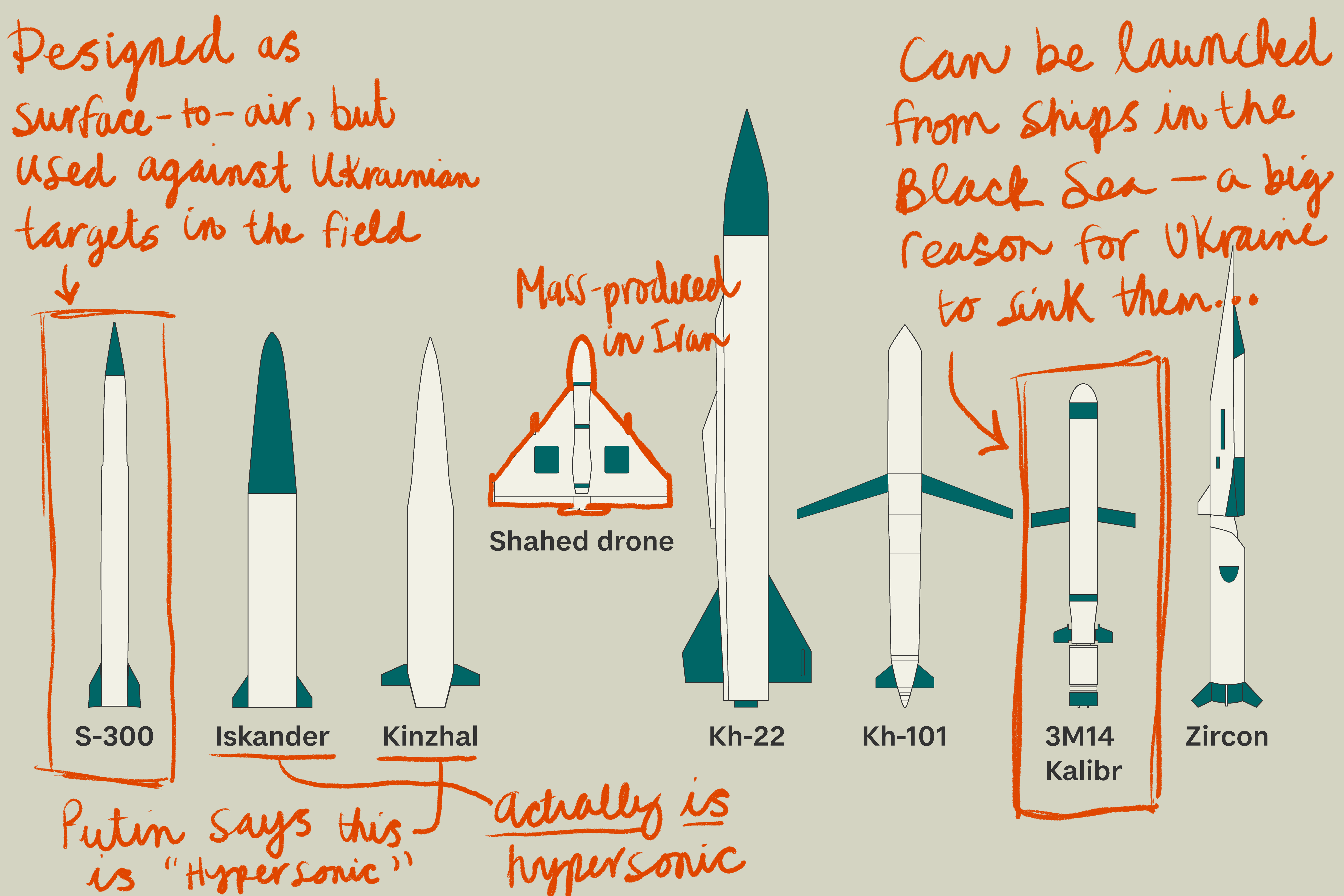
Time is on Russia’s side because of its enormous resources in terms of infantry and weapons. These are mainly out-of-date Soviet ones – but they are still capable of massive destruction.
To push back one of the biggest armies in the world, Ukraine needs to exploit three factors:
- More motivated fighters (the morale of those defending their land is always higher than that of invaders);
- More sophisticated strategies and tactics;
- Western weapons.
From “blitzkrieg” to grinder. After the Russian army’s failed lightning attacks on Kyiv and Kharkiv in March it switched to a more methodical approach, concentrating its forces in one place at a time with massive use of heavy artillery. This has yielded success in Sievierodonetsk and Lysychansk, if success is the term for scorched earth and wrecked infrastructure.
This strategy is backed by a country with more people, more weapons and a bigger economy than Ukraine’s. It’s a strategy based on quantity. In terms of motivation and sophistication, Ukraine is more than a match (see above). In terms of weapons – and sanctions – Ukraine needs more.
Weapons. Experts at the Royal United Services Institute (Rusi) have compiled a list of what Ukraine still lacks:
- Anti-radiation seekers to suppress Russian electronic warfare systems
- Multiple launch rocket systems (MLRS)
- 155-mm howitzers
- Secure communications systems
- Anti-tank guided weapons and man-portable air-defence systems (MANPADS)
- Protected mobility such as armoured personnel carriers
- Point defences to protect critical infrastructure.
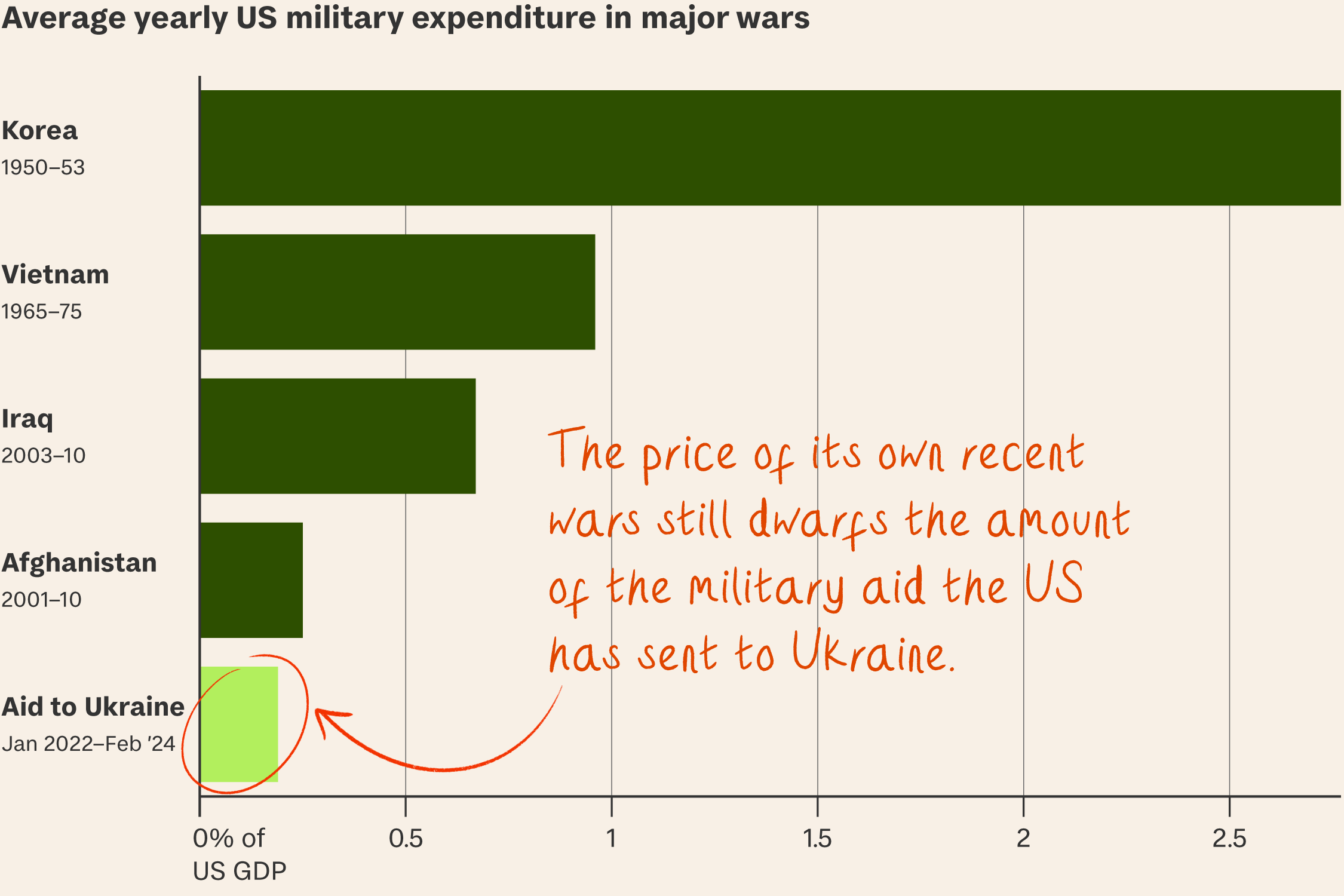
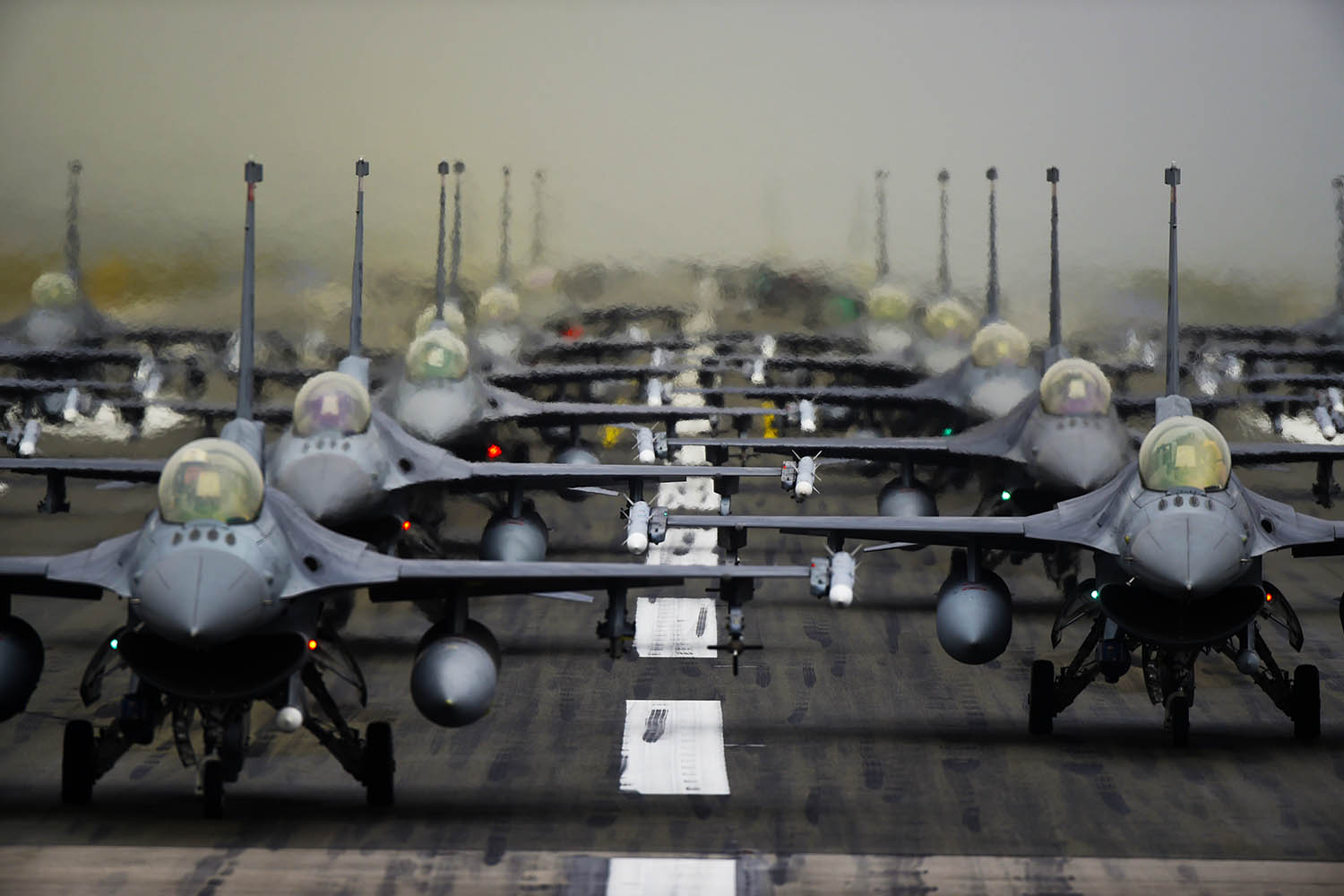
Despite almost daily pleas to western leaders, Ukraine is still not getting nearly enough of what it needs to win the battle at the frontline. For example, out of at least 300 MLRS needed, only 50 have been promised. That is many more than a month ago but nearly an order of magnitude less than required.
Sanctions. To beat Russia economically, the world has to stop buying Russian oil and gas. At the moment Europe still pays Moscow nearly €1 billion a day for gas and Russia still sells oil to Asia – at a discount, but a discount on historically high prices. The result: sanctions currently operate like handcuffs on one hand of the criminal. Josep Borrell, the EU foreign affairs chief, insists sanctions will do their job over time. As he puts it, in the end they’ll force Putin to choose between butter and guns.
In the meantime energy customers in the EU and the UK facing ruinous bills may ask why they should pay for Ukraine’s war effort. Ukraine’s foreign minister, Dmytro Kuleba, offers an answer: “Well, suppose you don’t pay. We will fight, you will die of hunger [as food prices rise], and then the hypothetical victories of Russia in Ukraine will inspire more offensives elsewhere, and then you will fight.”
Why support Ukraine? The security architecture of Europe and to a lesser extent the world “has shifted fundamentally”, Sam Cranny-Evans of Rusi says. He thinks if Russia isn’t stopped in Ukraine it may roll on to Moldova, “so the job of deterrence remains an important one”.
If the West gives enough weapons to Ukraine and imposes more sanctions on Russia, there is a chance of stopping the aggressor and proving that western democracies can still defend themselves. If not, the only question would be, who is next?