

What just happened
- At least 17 people drowned when a boat full of migrants from Haiti capsized off the Bahamas.
- Fires burned thousands of acres of forest in California’s Yosemite National Park.
- Russian missiles struck Odesa hours after Kyiv and Moscow signed a deal to transport grain from the port city to world markets (more below).
Must read: Brian Klaas in the Atlantic on what could be American democracy’s last act.
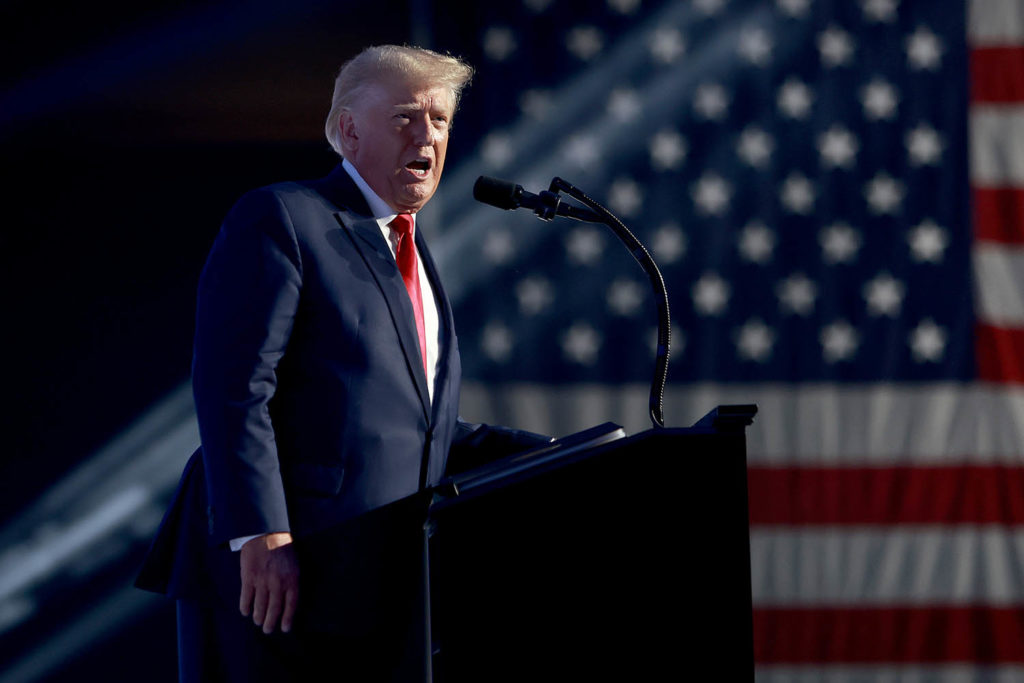
Six years ago Rupert Murdoch flew to Aberdeen to meet Trump on one of his golf courses and tell him he would back him for the US presidency. On Friday the pact ended. Editorials in the WSJ and the New York Post, News Corp’s main American print titles, said Trump had “utterly failed” his January 6 trial and proven himself “unworthy to be this country’s chief executive again”.
The wording was brutal, and no wonder. Anyone paying attention to the January 6 hearings has to conclude Trump was bent on overturning the election. “If you view the objective as creating an historical record of how close the United States came to a cataclysmic crisis in its democracy on January 6, the hearings have succeeded beyond our expectations,” says Willam Banks, a law professor at Syracuse University.
The last session before Congress broke for the summer showed how Trump did nothing for 187 minutes as the Capitol was attacked. As Republican Adam Kinzinger put it, “the mob was accomplishing [his] purpose, so of course he didn’t intervene”.
The hearings as a whole have shown the merits of focusing on facts (from more than 1,000 witnesses); bipartisanship (most witnesses have been Trump supporters even though only two committee members are Republicans); and message discipline – the committee never strayed from its theme that Trump was at the centre of efforts to undermine the election.
There have been five especially damaging moments for Trump:
- “I don’t f***ing care that they have weapons”. Dramatic testimony from Cassidy Hutchinson, the former aide to Trump’s White House Chief of staff Mark Meadows established that Donald Trump a) had planned in advance to march to the Capitol, b) was told the crowd was armed and c) was determined to join it anyway.
- “What I’m asking you to do is just say it was corrupt and leave the rest to me”. Donald Trump attempted to use the justice department to back up his baseless claims of election fraud. He tried to pressure his acting attorney general into saying the election was “corrupt”.
- “Potus is going to just call for it ‘unexpectedly’”. Texts sent by a January 6 rally organiser showed evidence of possible premeditation; Trump’s team knew the president was planning to announce a march to the Capitol but wanted to make it appear spontaneous.
- “We basically just followed what he said”. Convicted rioter Stephen Ayres testified that the president’s rally speech was taken as an instruction to march on the Capitol. Trump knew the crowd was armed, so the descent into violence ought to have been foreseeable too.
- “I don’t want to say the election is over”: Tapes played in Thursday’s session showed Donald Trump rehearsing for a recorded address the day after the Capitol riot. Even then he was still clinging to the “stop the steal” narrative.
The committee hasn’t sewn everything up.
The case for criminal referral. Evidence from the hearings could support a case that Trump committed two offences: conspiracy to defraud the United States and obstruction of Congress. But it’s not clear the committee will make criminal referrals to the justice department; nor that Attorney General Merrick Garland would prosecute if it did. It would be the first time criminal proceedings were brought against a past president, and the DoJ would need an “absolutely watertight” case to move forward, according to Julie Norman of UCL’s Centre on US Politics.
Convincing Trump voters. Few Republicans think Trump was to blame for January 6, and in any case about 40 per cent of them think what happened was “nothing to worry about”. Trump still leads in most GOP primary polls.
But the hearings aren’t over. Liz Cheney, the other Republican on the committee, says it’s getting more information every day and will be back in September. By then Cheney is likely to have been beaten by a Trump-backed rival in the primary for her Wyoming district… and to be gearing up for her own run for the White House.
The question: if you are a Republican who doesn’t believe the 2020 election was stolen, can you vote for a candidate who persists with the lie that it was? If not, Trump cannot win in 2024 even if he wins his party’s nomination.


