
What just happened
- At least ten people were stabbed to death in an indigenous community and a village in Canada’s Saskatchewan province.
- Russia revoked the print licence of Novaya Gazeta, one of the last independent newspapers in the country.
- Trump called Biden an “enemy of the state” during a Pennsylvania rally ahead of midterm elections in November.
The UK’s next prime minister has entertained no serious discussion of long-term solutions to the country’s energy crisis even though they are lying in plain sight.
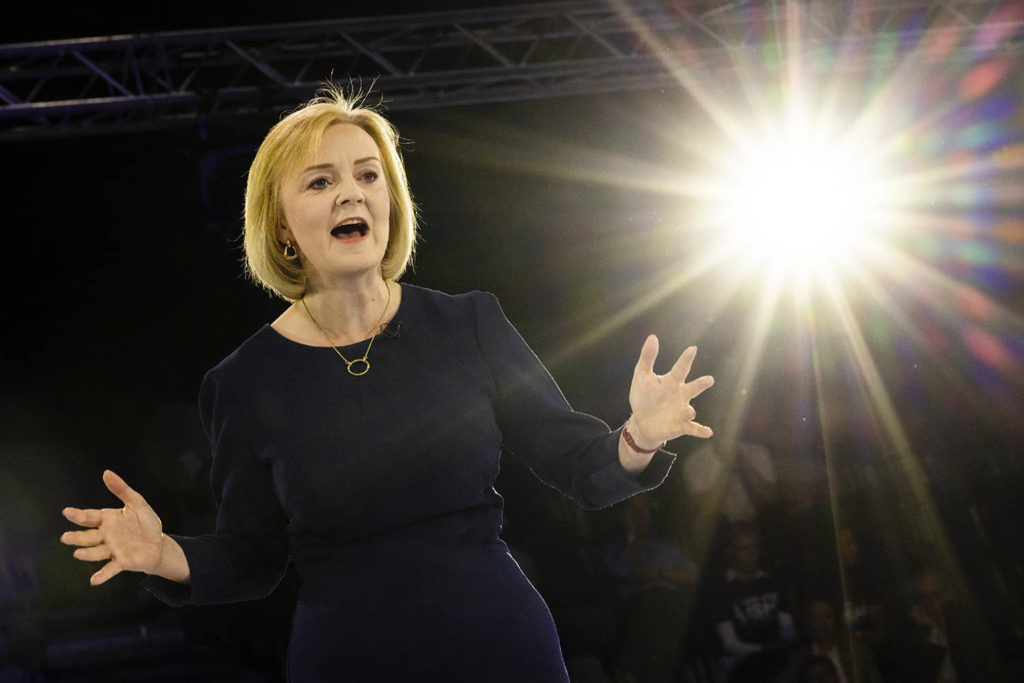
The chances of Liz Truss being named the next PM at noon today are more than 95 per cent, bookmakers say. The chances she or her rival will immediately have to confront an energy price emergency without precedent even in the oil shocks of the 1970s are 100 per cent.
Truss has asked to be taken on trust.
- Yesterday she said she would produce an energy plan within a week but that it would be wrong to give details before she was appointed.
- Today she tells the Daily Mail her plan will deal with the “root cause” of the crisis. But the root cause is dependence on gas whose wholesale price is intensely volatile, and the signs are Truss wants to boost gas supply rather than end that dependence.
Some proposals have been leaked in outline. All relate to finance; none to the moonshot approach to expanding renewable and / or nuclear energy supply required to prevent this happening again.
The plan. Truss sources tell friendly papers she will earmark at least as much as the Johnson government spent on Covid furlough schemes to ease the pain of household energy bills that could pass £6,000 next spring. That means at least £69 billion and possibly more than £100 billion. It will go either
- direct to households and businesses;
- direct to energy companies as reimbursements for buying gas at prices spiking to five times last year’s; or
- indirectly to energy companies in loan guarantees.
Truss has pledged no new taxes and to scrap a planned rise in National Insurance contributions, so any spending to help households will have to be funded with increased borrowing at base rates that have risen more than 15-fold since 2020.
Talk of fundamental change to the UK’s energy mix has been virtually but not completely absent from the Truss leadership campaign (see The Elephant, below).
The rationale. The energy emergency could quickly lead to political disaster. Truss and Kwasi Kwarteng, her chancellor-in-waiting, view another colossal round of unfunded spending as essential regardless of any sound money instincts because of fears of social unrest in the event of blackouts or escalating fuel poverty – and fears of another Tory meltdown.
She has not even moved into Number 10 and backbenchers are already muttering about another vote of no confidence, a snap election, and defeat to Labour.
The context. The energy crisis is global and getting worse as Russia suspends supply to the Nord Stream 1 gas pipeline. The UK’s exposure to it is acute for two reasons:
- it relies on gas for 40 per cent of electricity supply and prices are set by world markets regardless of how much is produced domestically; and
- its poorest people are hit hardest by rising prices, and harder than elsewhere in Europe.
The gap between the amount of household income spent on energy this year by the poorest and richest households in the UK is three times wider than in France and nearly five times wider than in the Netherlands, according to the IMF.
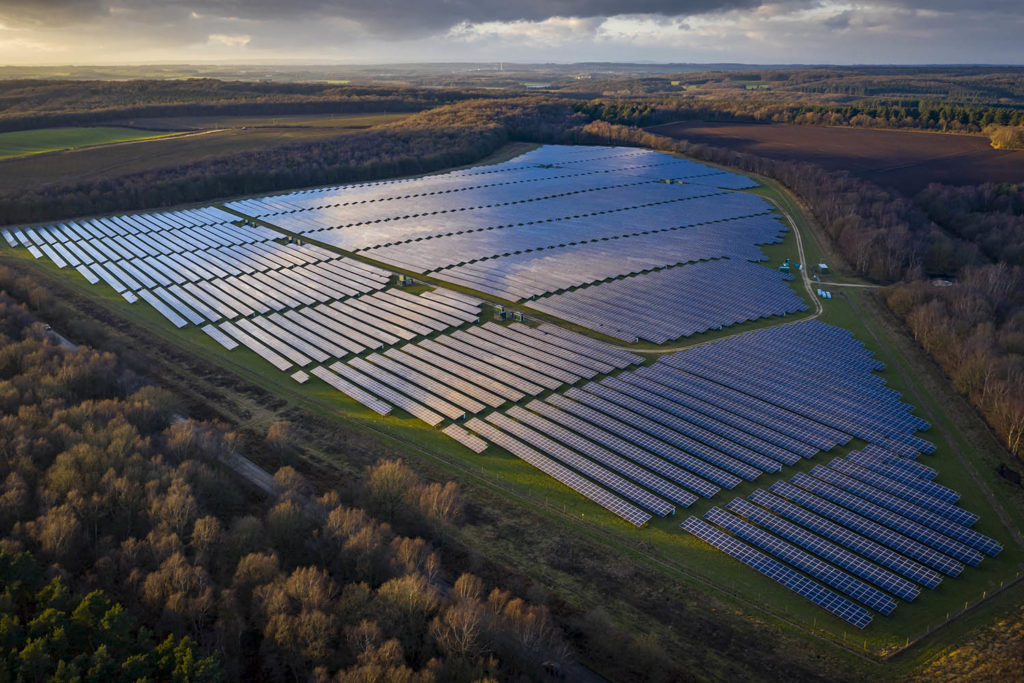
The elephant in the room is climate and renewables. Even before the war, the UK needed to wean itself off gas generally, not just Russian gas. Even before the war, wind and solar power unit costs were on a par with or lower than those of gas. Power from gas is now nine times more expensive than from renewables.
Truss sources say their candidate is “absolutely committed to green energy” including wind and tidal. Her record says otherwise.
- In 2014, as environment secretary, she cut solar power subsidies for farmers because she said they threatened food security and were a blight on the landscape.
- On the hustings this summer she called solar panels “one of the most depressing sights” in Britain.
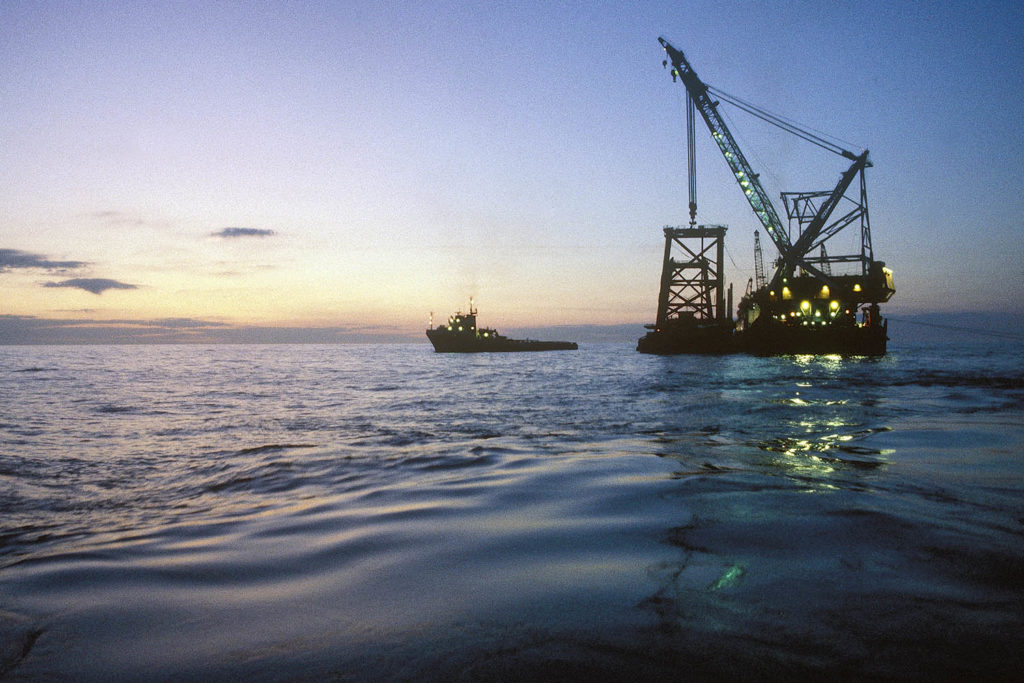
- Kwarteng and Jacob Rees-Mogg, who is tipped to be her business secretary, have been talking to oil and gas companies about maximising output from the North Sea, where they are expected to issue up to 130 new drilling licences in short order after Truss takes power.
Russia’s war in Ukraine is a reason to accelerate the transition to clean energy, not slow it down. This is not a party political point. The Conservative leader who wanted the UK to become the Saudi Arabia of wind power was, after all, Boris Johnson.


