What just happened
- The US accused Moscow of committing a war crime by forcibly deporting up to 1.6 million Ukrainians to Russia, to prepare for an “attempted annexation”.
- The last suspect in Canada’s stabbing attacks died in custody, ending a four-day manhunt.
- The summer of 2022 was the hottest in Europe’s recorded history, said the European Commission’s climate change service.
Jeremy Bentham would have been fascinated by the energy crisis, but transfixed by malaria.
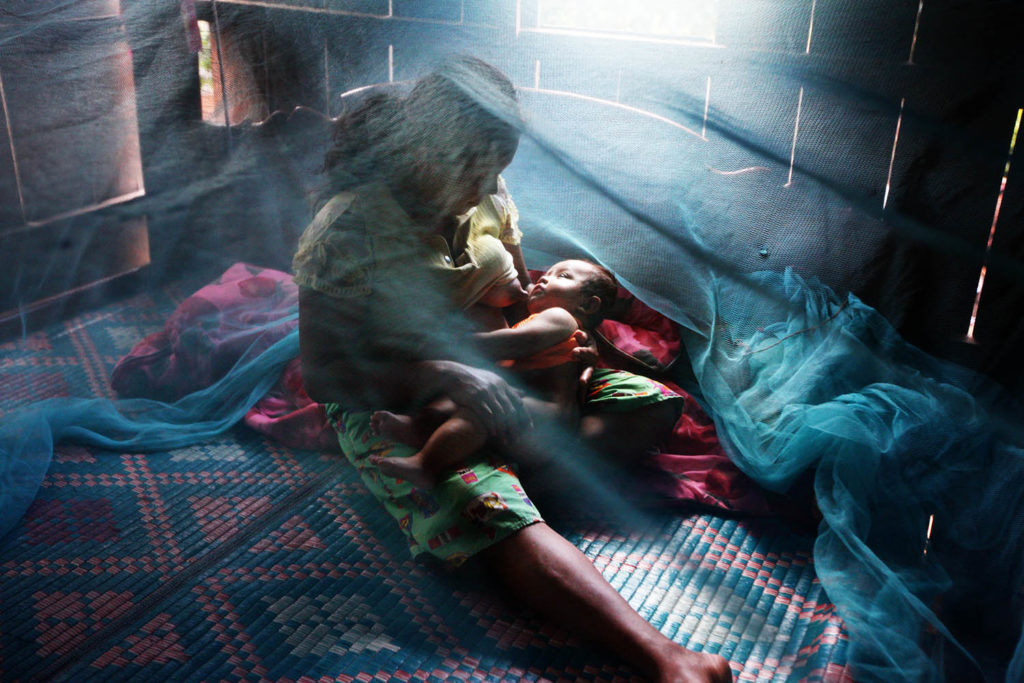
The founder of utilitarianism sought the greatest possible happiness for the greatest possible number, and nothing has caused more misery for more people than the mosquito-borne plasmodium parasites that transmit malaria and kill more than 500,000 a year.
That could be cut to zero, or close to zero, by 2040.
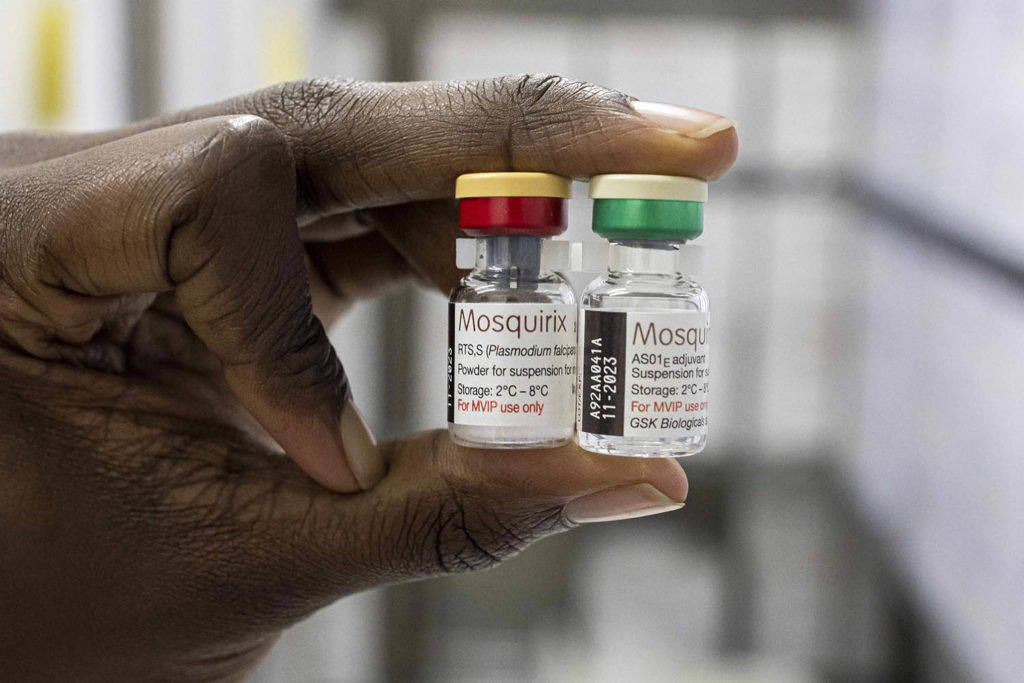
After more than 140 failed malaria vaccines, two now show revolutionary promise:
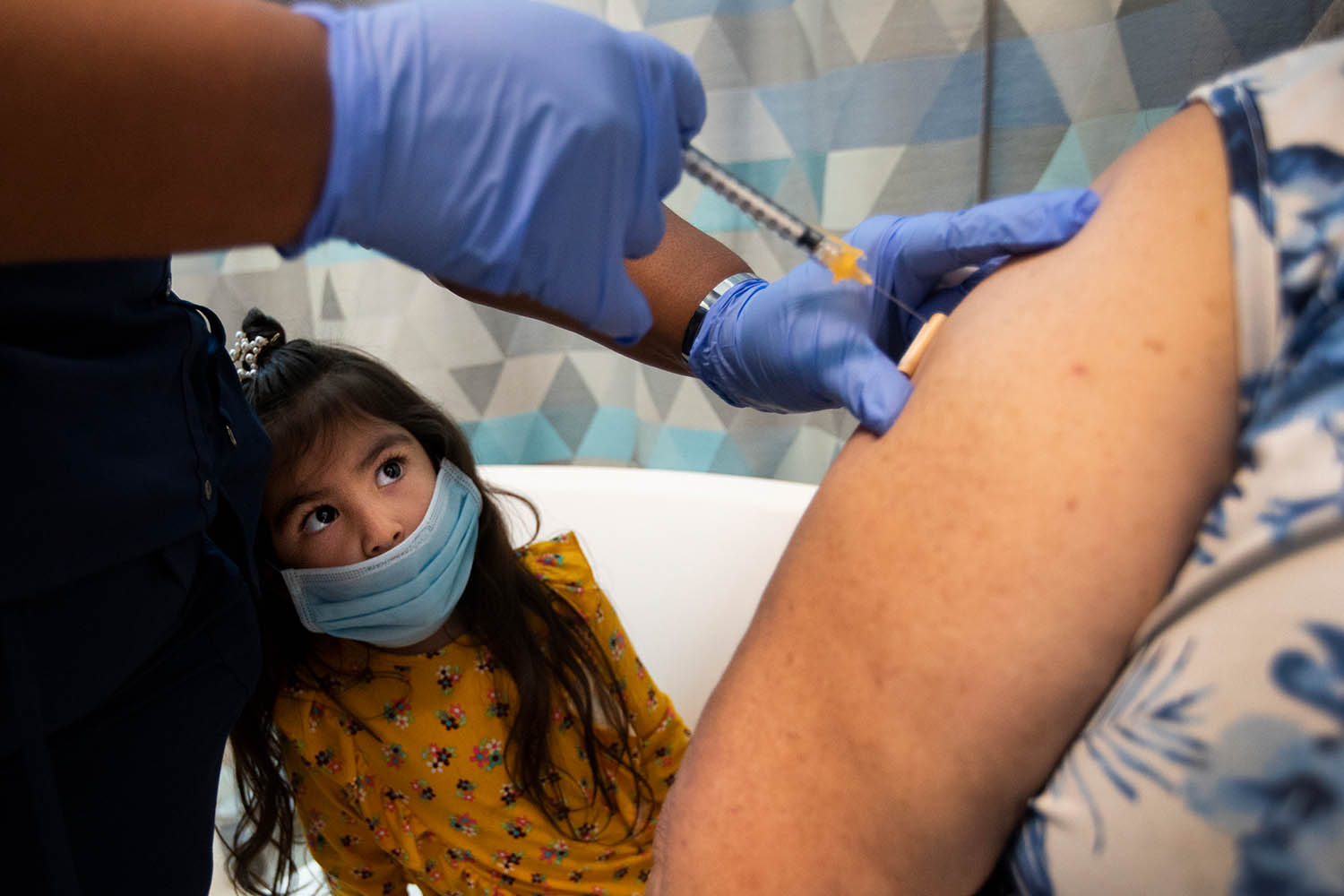
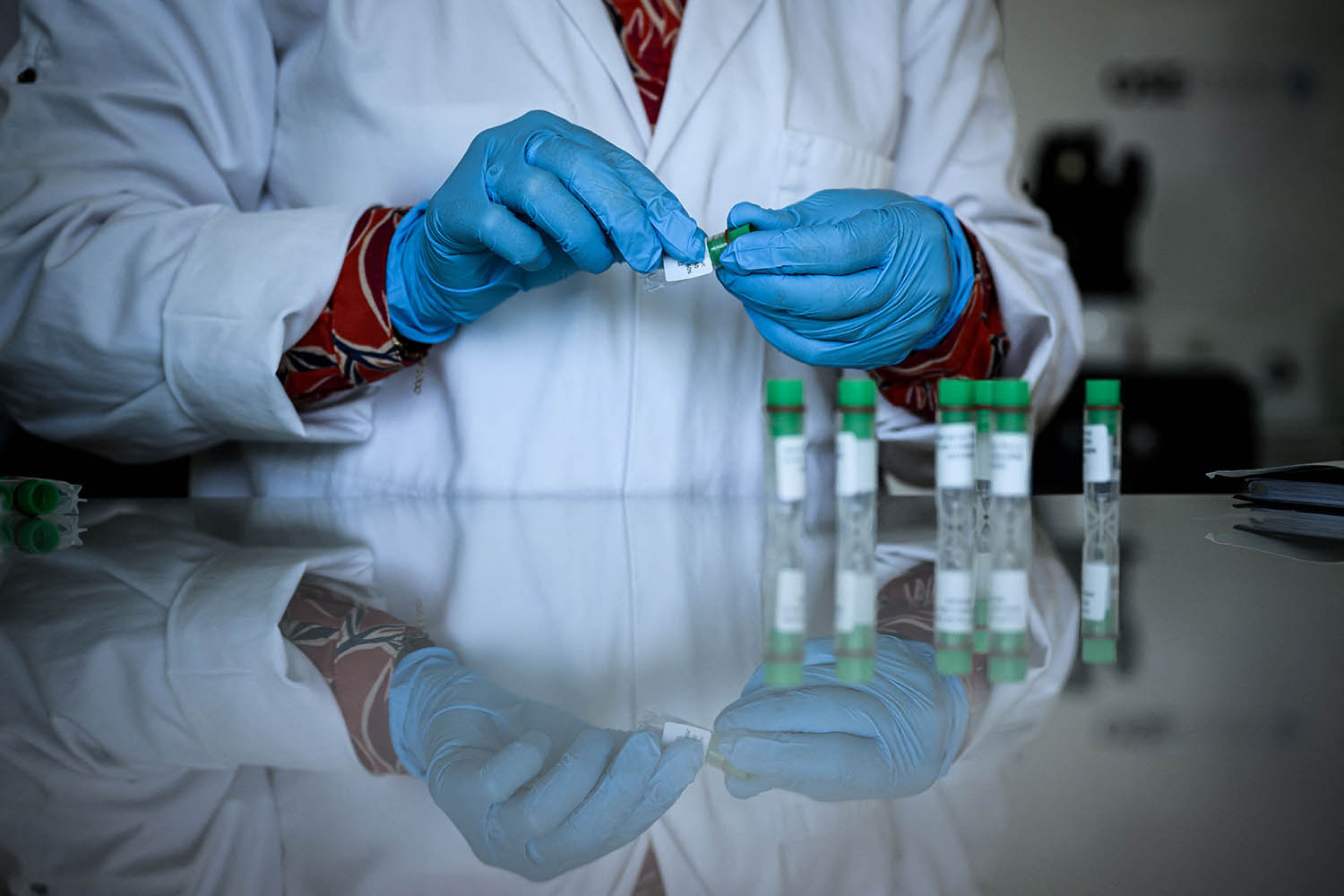
- Results published today in the Lancet show the R2 vaccine developed by Oxford’s Jenner Institute offers up to 80 per cent protection against the disease in children when a three-dose course is followed by a booster. That efficacy rate is, crucially, over the 75 per cent threshold at which the WHO can be expected to approve its use worldwide.
- RTS,S, a similar vaccine made by GSK, has already been WHO approved and is due to be deployed in Africa next year.
Both vaccines work by targeting the parasite before it reaches the liver, where it multiplies out of control. The RTS,S version first showed promise six years ago but prevents serious illness in only three in ten cases. The R2 vaccine is “the best yet”, Adrian Hill, the Jenner Institute’s director, said yesterday. “This is what it has all been leading up to.” He believes it could cut malaria deaths by 70 per cent by 2030 and end them a decade later.
Implications. A comprehensive malaria vaccine rollout would be transformative for Africa, where 94 per cent of cases are recorded.
- The disease’s economic burden for the continent has been put at $12 billion a year, factoring in healthcare costs, lost education, absenteeism and lost productivity from brain damage caused by cerebral malaria, the most serious form.
- But that doesn’t include the expected long-run demographic impact of malaria eradication. Having the disease makes you susceptible to other infections, Hill told the FT last month. Not having it should boost growth – and slow population growth. “Everywhere in the world where you’ve improved health, people have fewer children. They’re not playing roulette, thinking a third or a half of their children are going to die.”
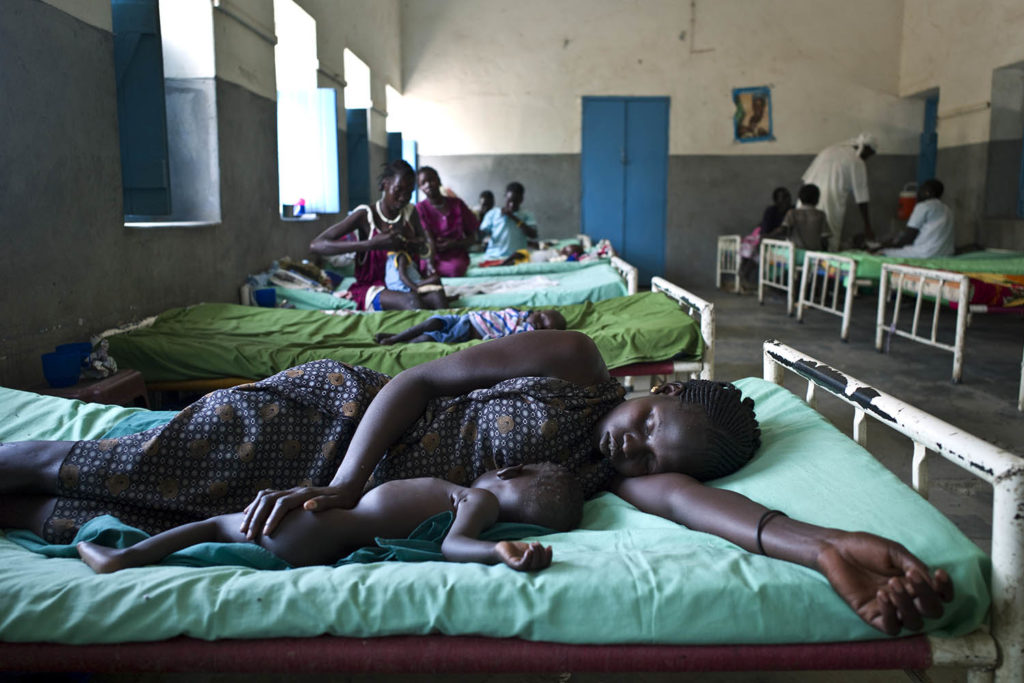
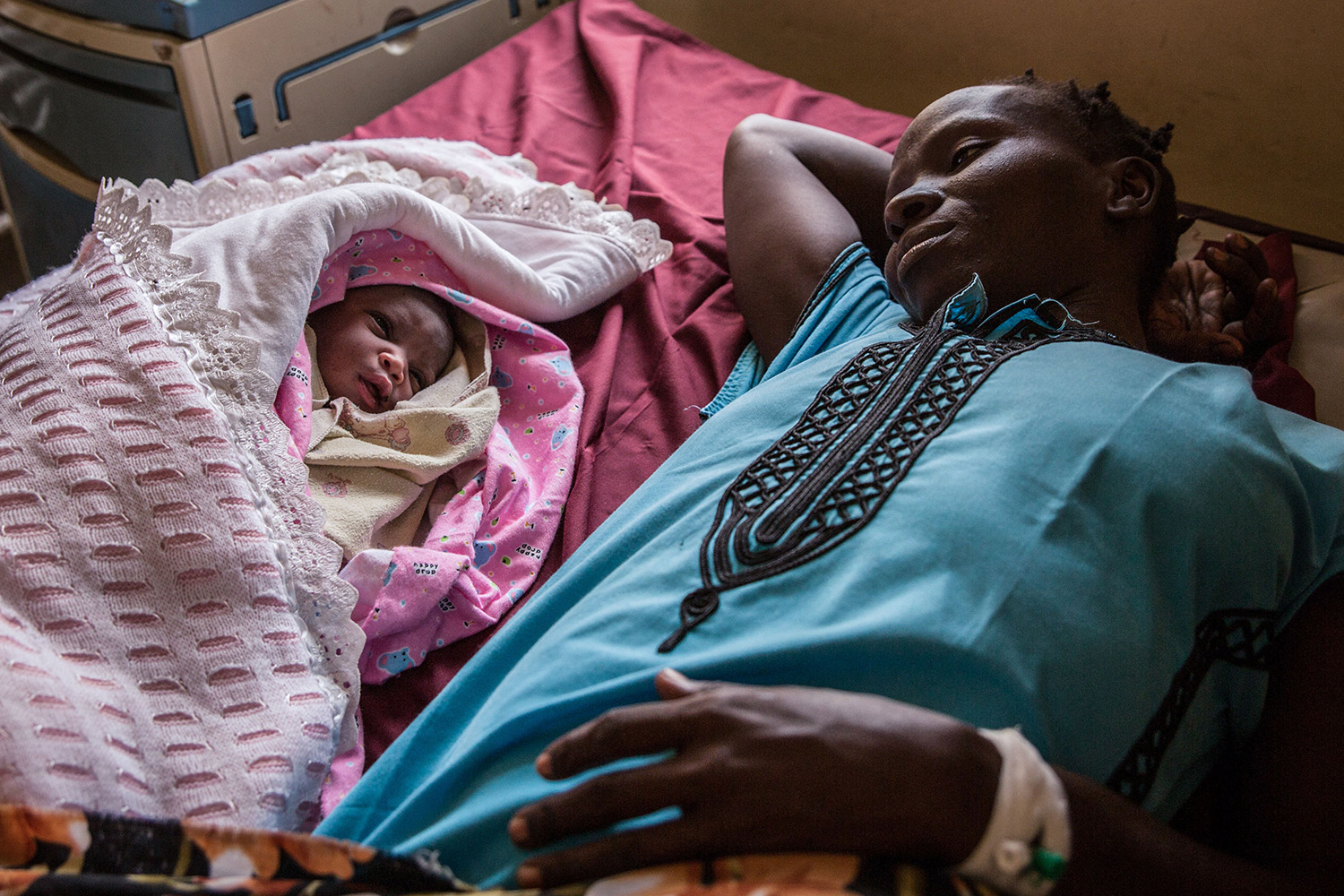
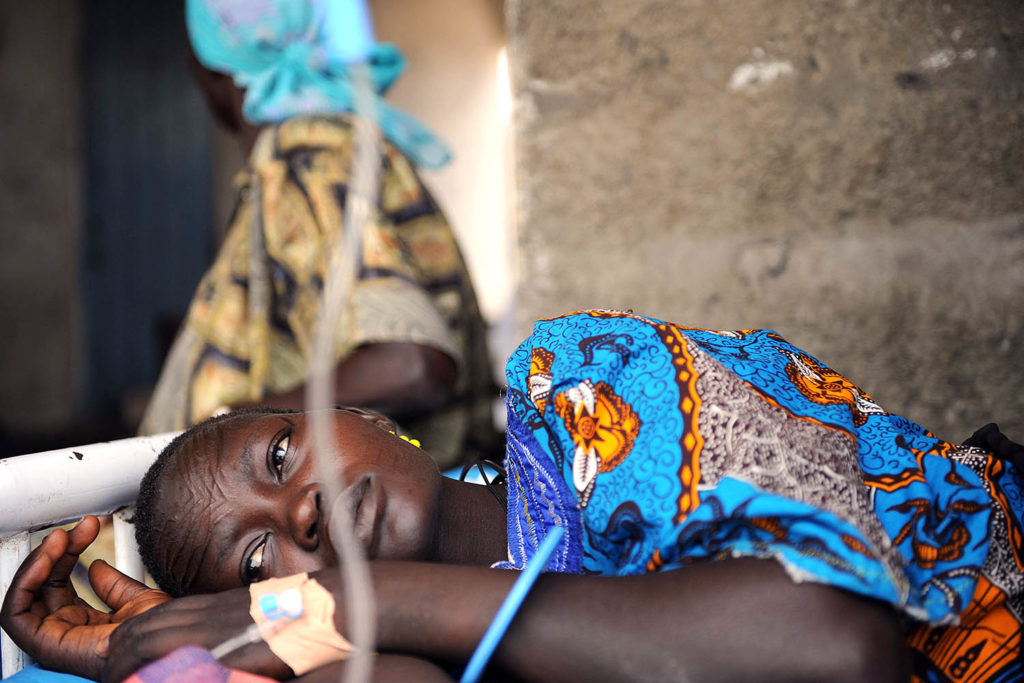
Context. Despite extensive use of bed nets and therapeutic drugs, malaria cases and deaths rose at the start of the pandemic – by 6 per cent and 12 per cent respectively.
- Malaria killed more people in Africa than Covd in 2020.
- 80 per cent of those deaths were in children under five.
- 260,000 children died from malaria in Africa in 2019.
- 640,000 people died from malaria worldwide in 2020.
What took so long?
- Science. There are more than 100 types of malaria-carrying plasmodium parasite. After World War Two DDT was used to target the anopheles mosquitos that carries the parasites, but they developed resistance to the pesticide. Vaccines targeting the parasite were always researchers’ holy grail but, Hill says, they have only minutes to act before the liver is infected.
- Funding. Malaria research was starved of money until Microsoft’s Bill Gates started pouring billions into it at the turn of the century. Even then, funding did not match the scale of the suffering. Hill says more was spent in one year on Covid vaccines than in ten on those for malaria.
The rollout. The R2 vaccine is cheap to produce but will be useless if not widely deployed. For that, the Global Fund is seeking $1.6 billion at a pledging conference later this month.
The Lancet results were framed yesterday partly as a challenge to Liz Truss to maintain UK funding for pharmaceutical research. She would be wise to rise to it. In the meantime Gates carries the utilitarian torch, and his net worth could cover the full rollout cost 66 times over.
Truss’ challenge
Liz Truss’ second full day in the job could be “the defining moment of her premiership”, says Politico, as the prime minister prepares to unveil her plan to protect British consumers and businesses from soaring energy costs. So no pressure. She is expected to announce that household bills will be frozen at around £2,500 a year until 2024, at a total cost to the taxpayer of £150 billion. Truss will also ditch a ban on fracking and announce more drilling in the North Sea (Sensemaker believes a better option would be to focus on renewables). The scale of the challenge facing Truss is reflected in the markets: yesterday the pound fell to its weakest levels since 1985.
Be kind
Small acts of kindness have a far greater power than people realise, according to a new study published in the Journal of Experimental Psychology. Researchers conducted eight experiments with different acts of kindness, such as university students offering a classmate a ride home or buying them a coffee. In one test over a cold weekend in Chicago, 84 people were given a hot chocolate at an ice skating rink and told they could keep it or give it to a stranger. Across all the experiments, the people doing the kind gesture routinely underestimated how much it was appreciated, said Amit Kumar, one of the study’s authors, and this miscalibration impacts our behaviour. “Not knowing one’s positive impact can stand in the way of people engaging in these sorts of acts of kindness in daily life,” he said. The idea that kindness boosts well-being is not new – but this strengthens the scientific case for being kind, often.
Human development decline
If you feel the world is becoming more uncertain and polarised, the UN’s latest Human Development Index would back you up. Index scores measuring a nation’s health, education, and standard of living have fallen globally for the second year in a row, for the first time since it launched 32 years ago. This isn’t just the case in a few countries – over 90 per cent of countries registered a decline in 2020 or 2021 and over 40 per cent registered a decline in both years. Covid and war in Ukraine have played a notable role, but as the UN’s Achim Steiner notes, even before the pandemic we were already seeing the “twin paradoxes: progress with insecurity and progress with polarisation”. The UN’s suggestions for making progress: investment, insurance, and innovation. But in the face of increased distrust and the climate crisis, there is a “narrow window” in which to do so.
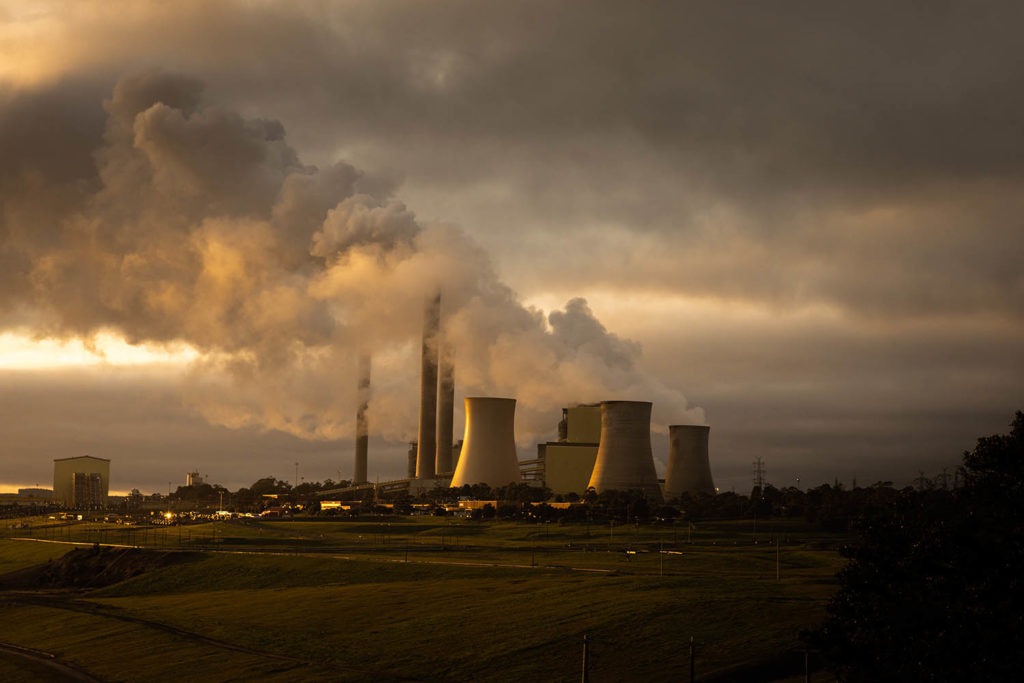
Australia’s 2030 target
Australia’s senate has passed a bill committing the country to a 43 per cent reduction in CO2 emissions from 2005 levels by 2030 – the first climate law to pass in Australia since 2011. The country’s position as the second highest emitter in the G20 makes the bill welcome progress, but it’s just the start – the legislation doesn’t set out how Australia actually plans to reduce emissions, in contrast with America’s recent Inflation Reduction Act, and the government opposed an amendment to the bill that would ban new coal and gas developments. To note: while the recommendations for the 2035 target (and every five years after that) will be decided by the independent Climate Change Authority, progress could be vulnerable to politics. In 2014, Tony Abbott’s centre-right administration attempted to abolish the authority and appealed the previous government’s 2011 Clean Energy Act.
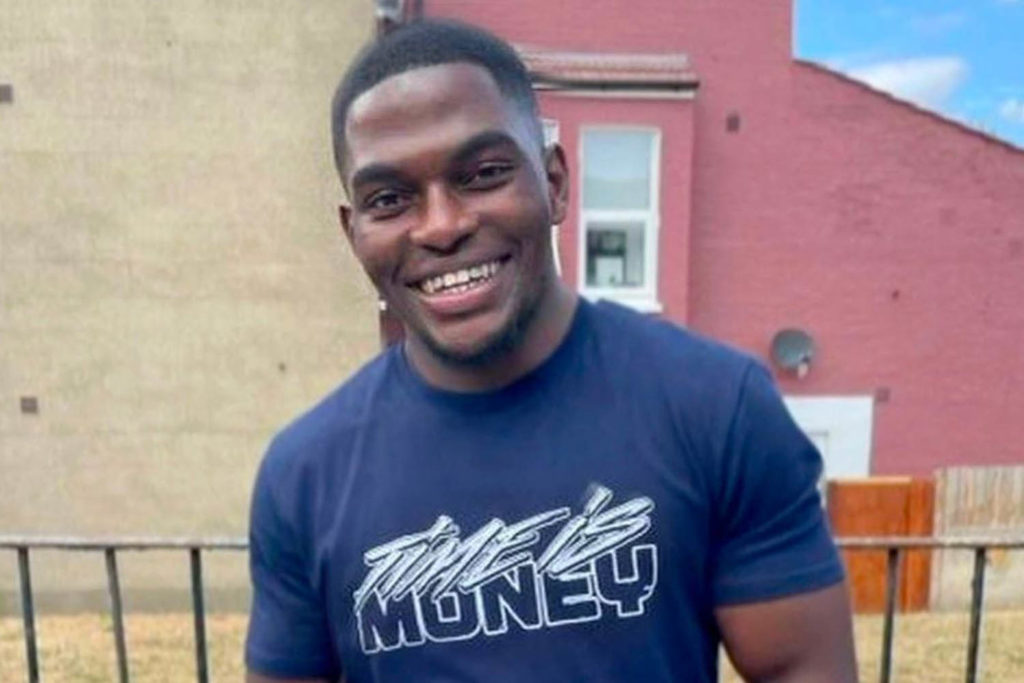
Chris Kaba
The family of 24 year-old Black man Chris Kaba have called for “answers and accountability” after he was fatally shot by police in south London on Monday. What happened: Kaba’s car was flagged by a number plate checker in association with a previous firearm incident and following a police chase Kaba was shot through the window of his vehicle. No firearm was found in the vehicle or at the crime scene. What happens next: the Independent Office for Police Conduct (IOPC) will work to “establish the facts” – although they have already said they don’t believe there is an indication of wrongdoing by the officers involved. In an open letter to the new Met Police commissioner Sir Mark Rowley, former home secretary Priti Patel wrote that the force needs to learn from the “appalling mistakes of the past” and restore “trust and confidence”.
Thanks for reading. Please share this round, send us ideas and tell us what you think. Email us at sensemaker@tortoisemedia.com
Giles Whittell
@GWhittell
Additional reporting by Phoebe Davis, Jessica Winch and James Wilson.
Photographs Getty Images, courtesy Kaba Family