What just happened
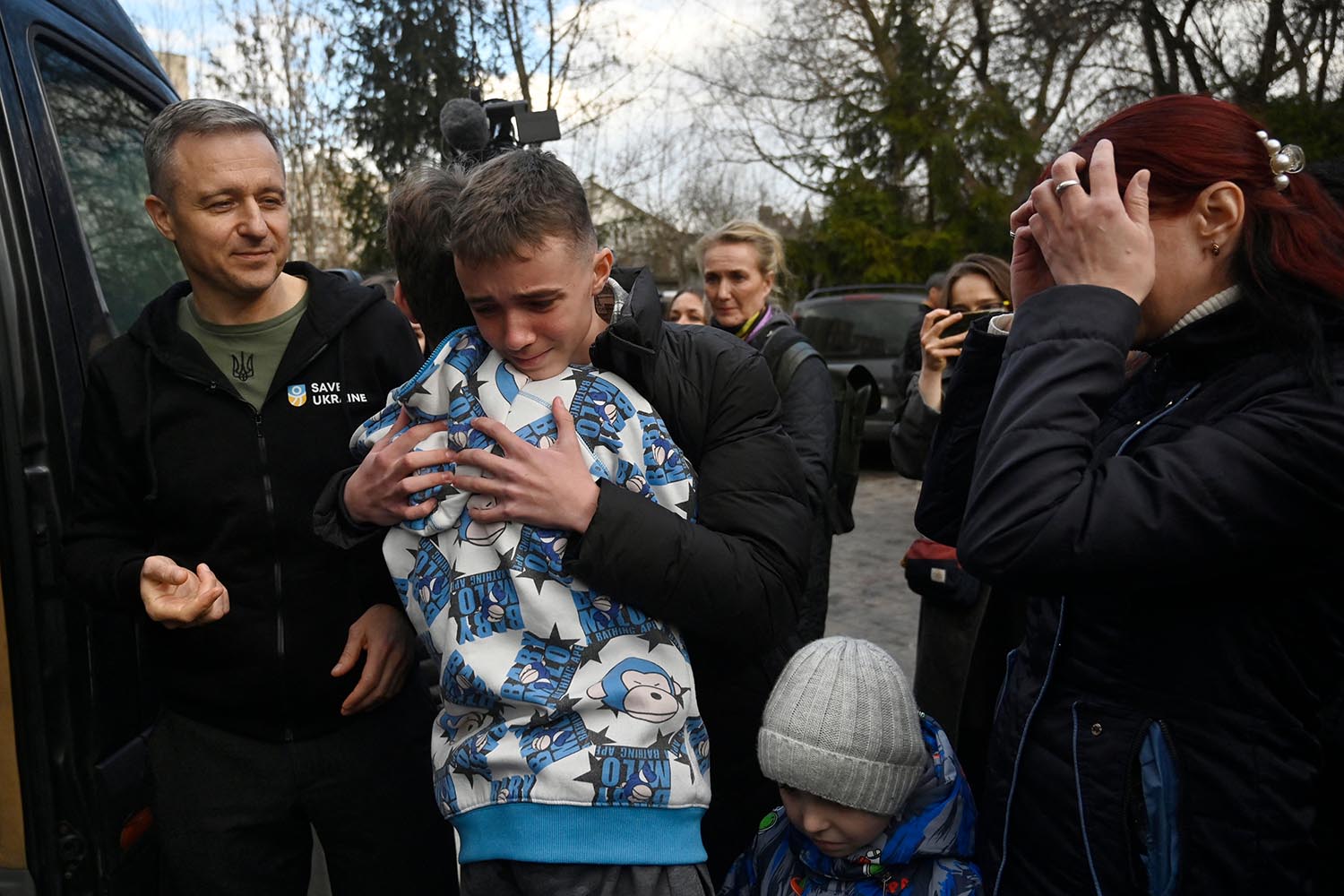
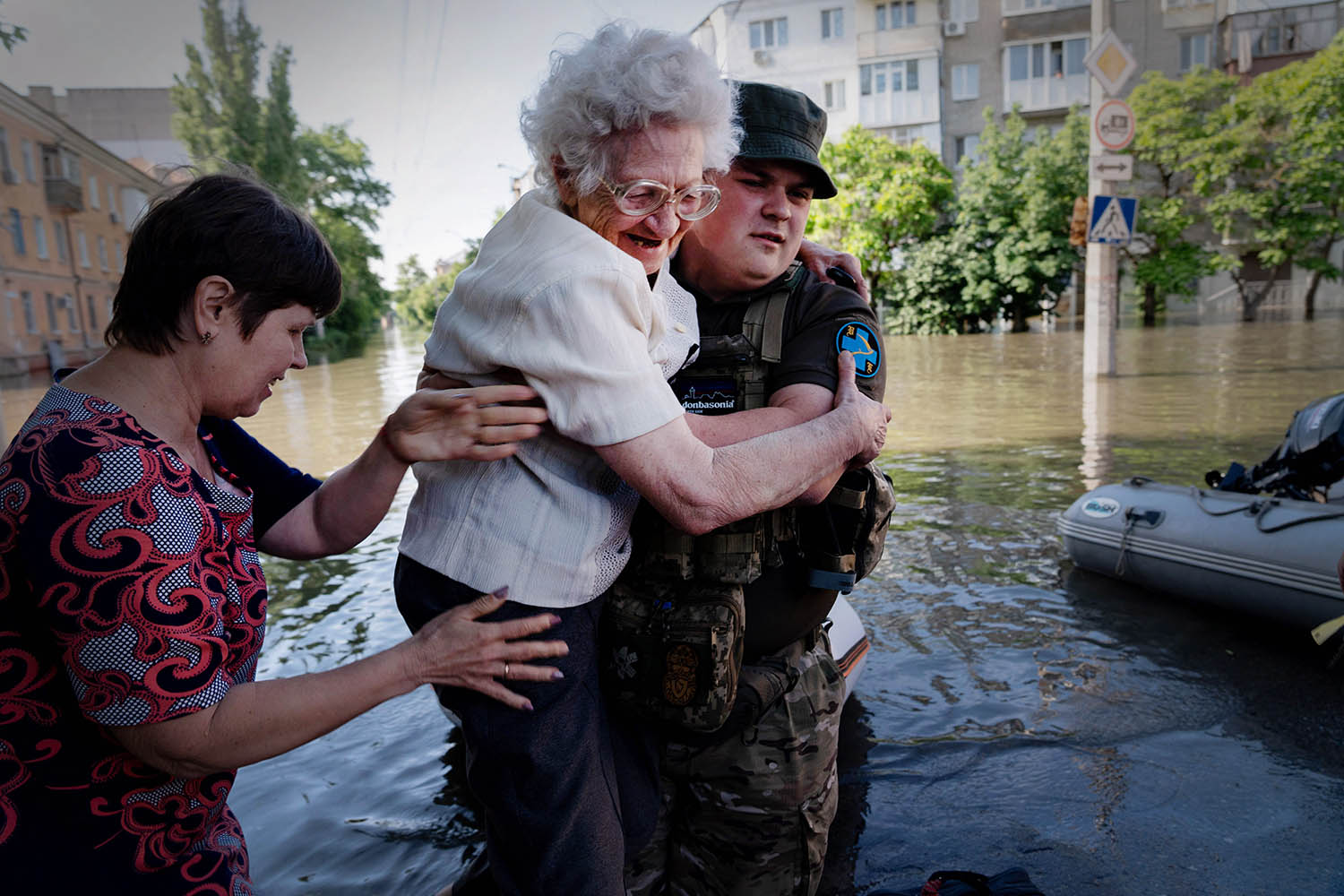
- Russia and Ukraine exchanged nearly 300 prisoners including two Americans, five British nationals and 200 Ukrainian defenders of Mariupol’s Azovstal steelworks.
- A new drug for motor neurone sufferers slowed progress of the disease in a clinical trial.
- Liz Truss’ government lifted a fracking ban in England.
One of the most popular Google searches in Russia after Putin’s mobilisation speech yesterday was “how to get out of Russia”. Another was “how to break your arm at home”. Russians don’t want to fight in Ukraine, partly out of fear of being killed or maimed in a conventional war and partly out of fear of incineration in a nuclear inferno.
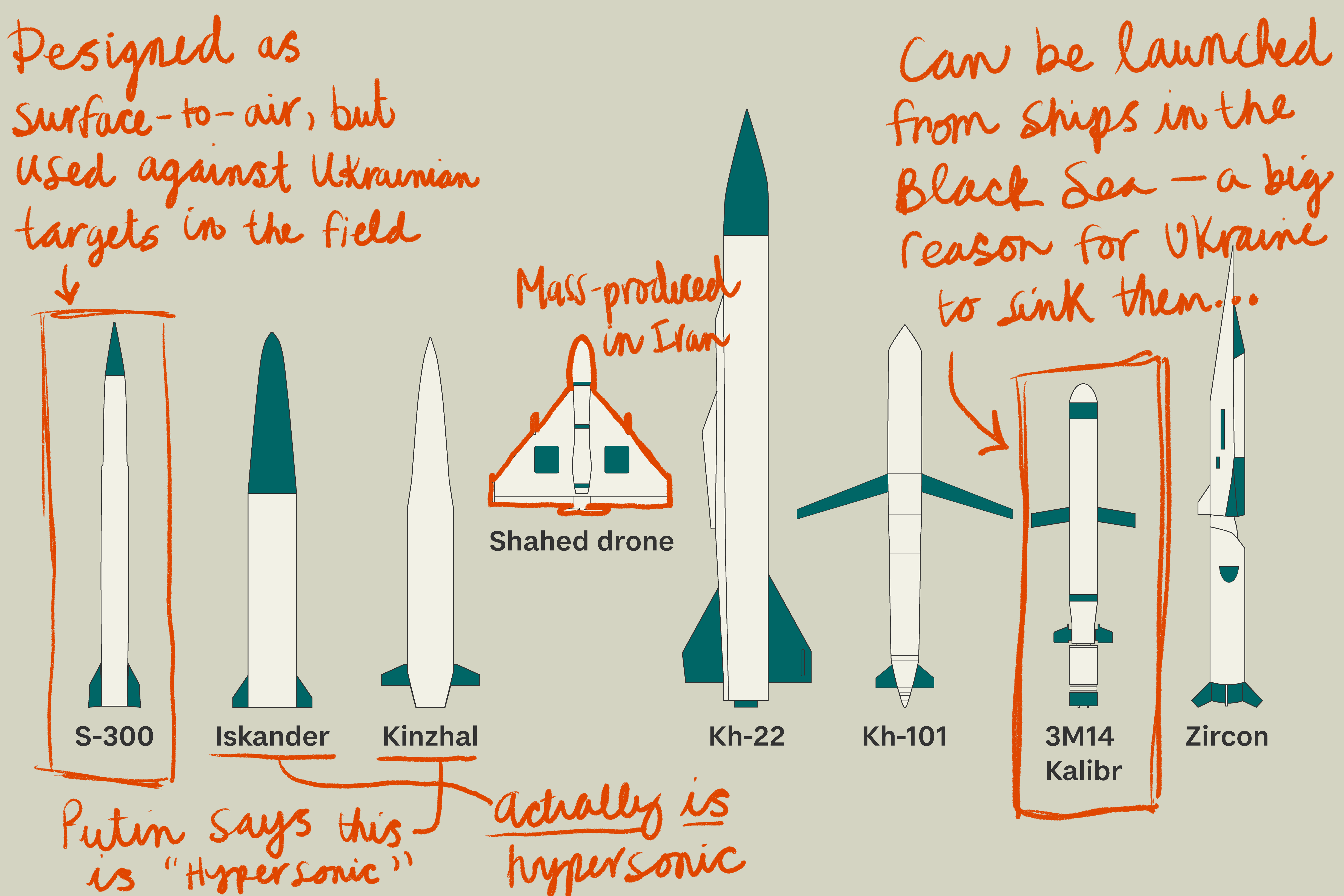
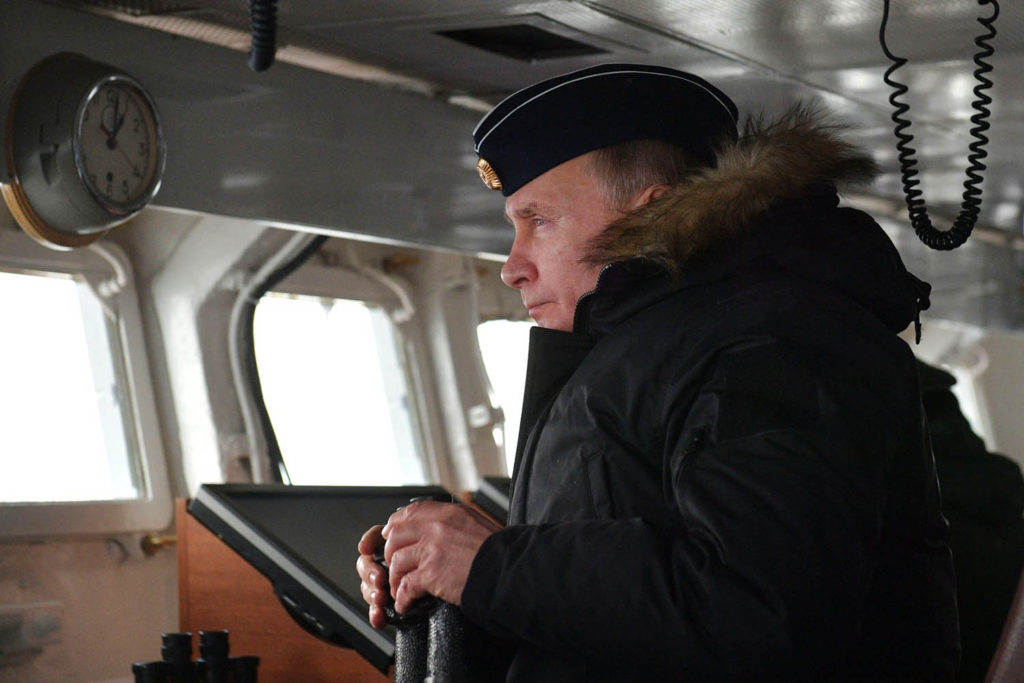
Putin has explicitly raised the spectre of nuclear escalation. What might that involve? Where could it lead? How should the West respond?
Russia’s options
- Pure bluff. It’s possible Putin has no intention of actually using nuclear weapons in any circumstances and is talking about them simply as a low-cost way of deterring the US and other Nato powers from continuing to arm Ukraine. When he says he’s not bluffing it probably means he is, says Ken Adelman, a former member of the Pentagon’s Defense Policy Board. Sylvie Bermann, a former French ambassador to Moscow, agrees. But no one knows.
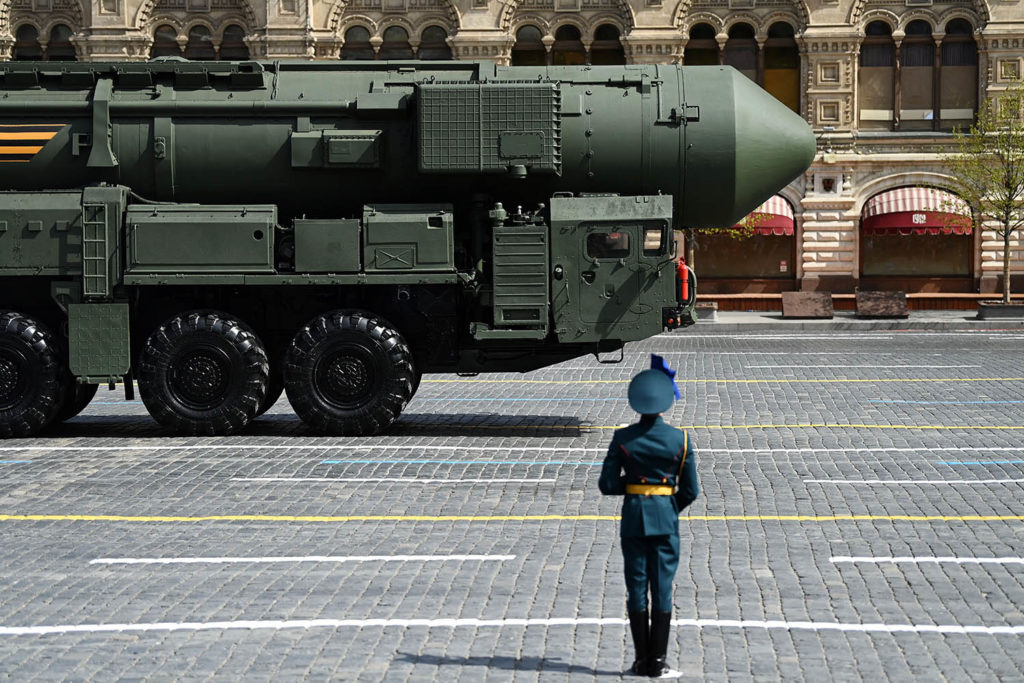
- Bluff, then escalate. This is the most plausible nightmare scenario. The Russian army’s battlefield nuclear forces have been on alert since February. Russian nuclear doctrine incorporates a premise that it’s possible to use nuclear weapons without escalating to thermonuclear war, and the Strangelovian idea that you can “escalate to de-escalate”. Translation: scare off all possible adversaries by letting off a bomb. Putin appeared yesterday to lower Russia’s nuclear threshold by reserving the right to use nuclear weapons not just if Russia’s existence was threatened, but its territorial integrity – including that of illegally annexed parts of Ukraine.
Rose Gottemoeller, the former Nato deputy secretary-general, believes Putin could detonate a low-yield nuclear weapon over the Black Sea as a show of force, or use one to destroy a Ukrainian military facility. Matthew Kroenig, the Atlantic Council’s hawkish deputy director, says Putin is “likely to use nuclear weapons first before being defeated”. Again though, no one knows.
- Go nuclear now. There’s little sign of this happening. US intelligence on Putin’s intentions has been uncannily accurate since well before the Russian invasion. The Biden administration’s strategy has been to publish what it knows, and there have been no hints, even veiled, of Russian nuclear weapons movements.
Nato’s options
- Call the bluff and proceed as if actual nuclear weapons use is inconceivable. Almost no one thinks this is tenable. The world has slid too far backwards in terms of nuclear security since Barack Obama called for a nuclear-free world in Prague in 2009. Putin hasn’t yet broken the nuclear weapons use taboo in place since Nagasaki, but he’s broken the taboo about talking about it. “I think one should take nuclear threats from a nuclear power seriously whatever the circumstances,” says Hassan Elbahtimhy of the Centre for Science and Security Studies. “It might be a bluff but the consequences are simply too huge to ignore.”
- Strategic ambiguity. What Biden has jettisoned for China and Taiwan he’s now using for Russia in Ukraine. Asked last week for his response to Putin’s nuclear threats, he said, “Don’t, don’t, don’t,” but refused to say how the US would respond to actual use. He will have been presented with a range of options, including…
- Double down. The least dramatic response to a Russian nuclear detonation would be to ramp up a) sanctions to ensure Russia’s complete international isolation and b) conventional weapons deliveries to Ukraine to hasten battlefield success and show that Moscow’s attempts to deter such deliveries were achieving the reverse. Those concerned this would not send a strong enough antinuclear message will have advised Biden to…
- Strike back, either with conventional weapons aimed at the Russian nuclear launch site, or with a US nuclear counter-strike.
Either counter-strike option would bring Nato unambiguously into the war, which few doubt would be a swift consequence of Russian nuclear weapons use in any case. This much is clear: Putin’s nuclear sabre-rattling is more about survival than victory. It can’t be seen to work, or every other tyrant on the planet will demand nuclear weapons. And as Professor Lawrence Freedman notes, there’s no such thing as a tactical nuclear weapon. They are all strategic.
Trump’s lawsuit
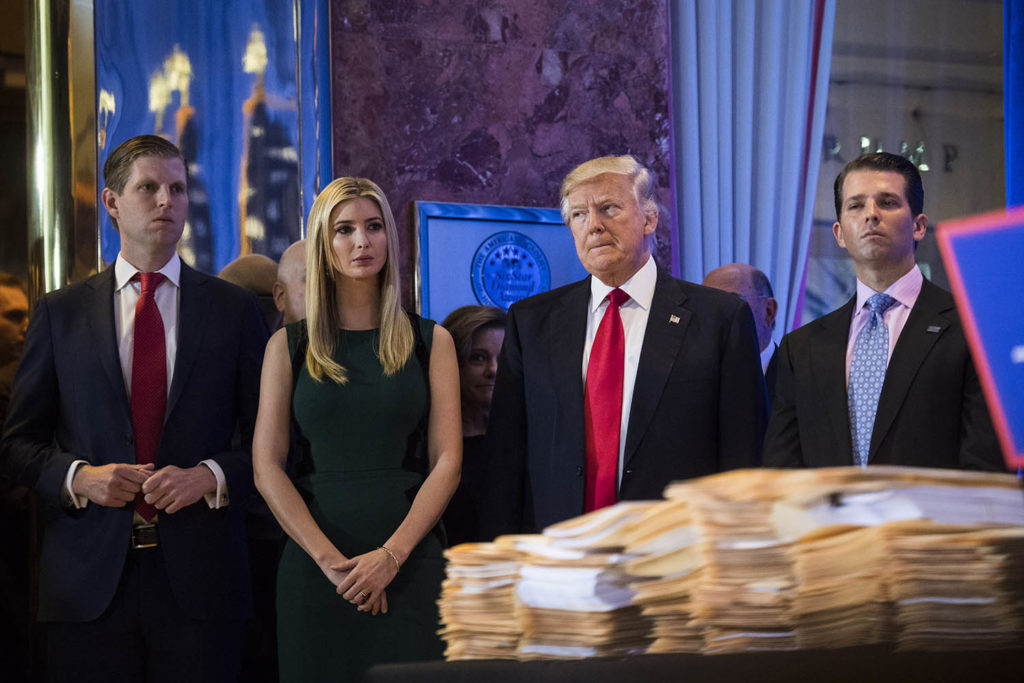
Donald Trump and three of his children are being sued for “astounding” fraud by New York’s attorney general in a lawsuit that seeks to block them from running a business in the state and could seriously threaten the former president’s property empire. In a 220-page complaint, Letitia James says the Trump Organisation vastly inflated the value of its signature properties in order to gain favourable bank loans and reduce its tax obligations. The civil suit is seeking $250 million in damages – James also wants to block the Trumps, including Donald Jr, Eric and Ivanka, from buying property in New York for five years and be permanently barred from serving as directors in any company in New York. Mr Trump called the investigation “another witch hunt”. More bad news for Trump this morning: an appeals court says a criminal investigation into classified documents seized from Mar-a-Lago can resume.
Air taxi grounded
Larry Page, the Google co-founder, was keen to get into electric air-taxis. Not any more. His Kittyhawk start-up has stopped. Its LinkedIn page says it’s “still working on the details of what’s next,” but the WSJ is confident that won’t be flying well-healed executives to and from high-rise office buildings in the cities of the future. This doesn’t mean the air taxi craze is over before it’s begun. Venture capitalists the world over still think there’s a market somewhere for human-scale drones. The question is where, and you can’t help thinking the answer depends critically on traffic jams. Where traffic is terrible, as in Sao Paolo, helicopters are must-haves for the very rich. But what if driverless cars and electric scooters sort congestion in the very cities where billionaires are dreaming of air taxis? Maybe Page is onto something.
NHS plans
In her first major statement as health secretary, Thérèse Coffey will set out today “Our Plan for Patients” – the Truss government solution to addressing the NHS crisis as we head into Winter. Overnight leaks to the media of recommendations focus on tackling plunging public ratings of GP care. For example, two-week appointment targets and freeing up pharmacists, physiotherapists and other health professionals to provide treatment for minor ailments on the high street. But what about the “Plan for Doctors”? The chair of the Royal College of GPs said the recommendations will have a “minimal impact” and would “lumber” the service with targets without a plan of how to deliver them. The Deputy Chair of the British Medical Association’s GP committee told Sky this morning that healthcare professionals hadn’t been consulted on the plans seen so far and that they “go nowhere near” sorting the major problems of workforce and patient backlog. The best laid plans often go awry.
Gfanz goes pfft
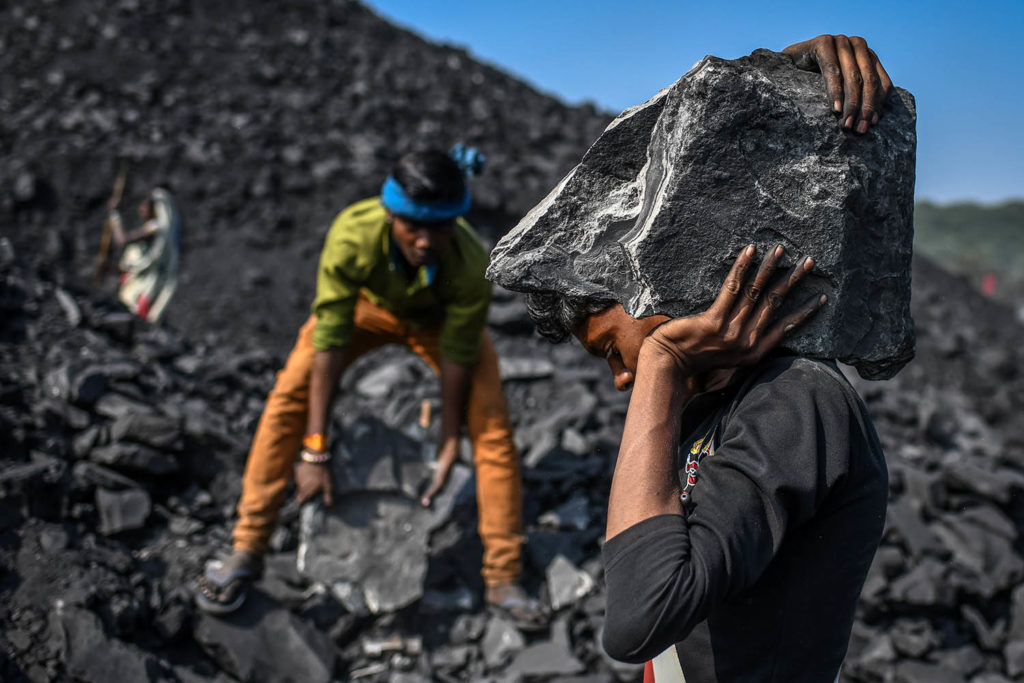
No new coal. Those three words were a challenge to some of the world’s biggest banks, who had signed up to Mark Carney’s Glasgow Financial Alliance for Net Zero. GFANZ members faced more explicit criteria in June. The language was softened on Friday, but this may not be enough to placate several US banks who fear the potential legal vulnerability of signing up to stricter commitments. If they quit the coalition, it will underline the difficulty of relying on voluntary action to tackle climate change. Four US banks – JP Morgan Chase, Citi, Wells Fargo and Bank of America – account for a quarter of all fossil fuel financing over the last six years, according to the NGO Banktrack. Shifting the flow of dollars away from fossil fuels and towards clean energy is essential to reaching net zero. GFANZ may not be the solution.

Lebanon bank heists
Last week Sali Hafiz stormed a Lebanese bank with a toy gun, walking out with $13,000 of her own money to pay for her sister’s cancer treatment. She has been hailed a hero in a country crippled by a financial crisis that has left bank deposits frozen for almost three years and monthly withdrawals capped at $400, with the majority of the country plunged into poverty. Banks shut last week after copycat hold-ups at seven branches; the country’s banking association said today that all banks in Lebanon will remain closed “indefinitely” over security concerns. Hafiz has gone into hiding but insists she is not a criminal. “We are in the country of mafias. If you are not a wolf, the wolves will eat you,” she said.
Giles Whittell
@GWhittell
Additional reporting by Jeevan Vasagar, Phoebe Davis and Jessica Winch.
Photographs Getty Images