
What just happened
- The pound fell to a record low against the dollar as the UK’s new chancellor hinted at more tax cuts to come (more below).
- Giorgia Meloni was poised to become Italy’s first woman prime minister and the country’s most right-wing leader since Mussolini (more tomorrow).
- The White House said it had warned Putin privately of “catastrophic” consequences and direct US intervention if he used nuclear weapons in Ukraine.
South Africa can’t keep the lights on. The causes aren’t the same as those of Europe’s energy crisis, but the effects should be a lesson. Rolling blackouts are shaking the foundations of the liberation movement founded by Nelson Mandela.
President Cyril Ramaphosa should have been schmoozing other leaders in New York last week but had to fly home to deal with the power cuts. Why?
- He faces elections next spring.
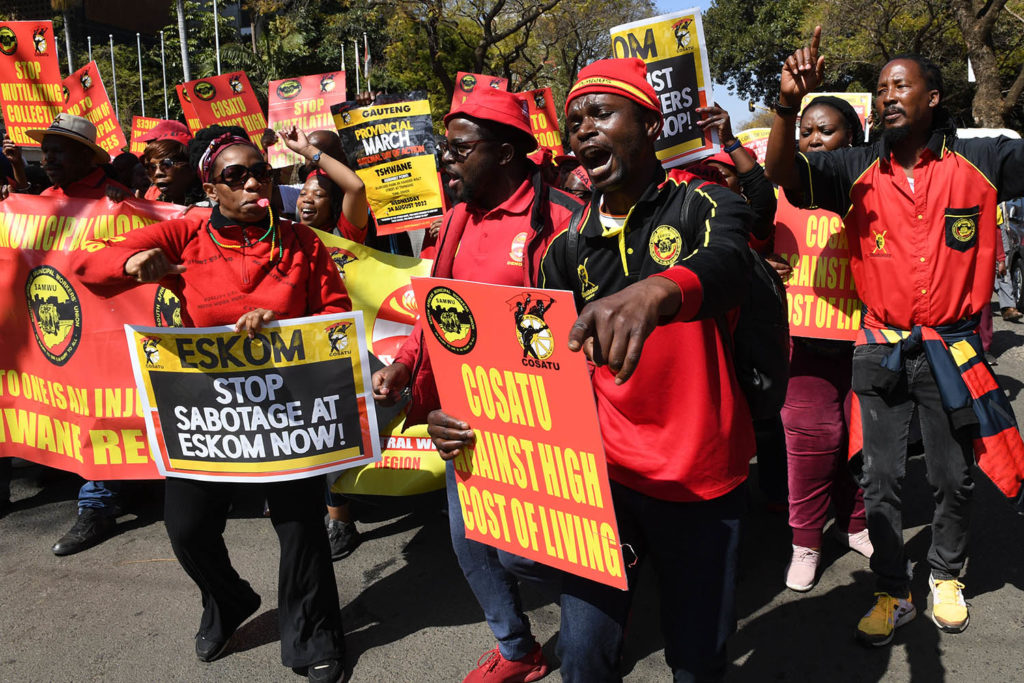
- “Load-shedding” – a euphemism for blackouts – has become a lightning rod for resentment against the African National Congress (ANC), which has ruled since the end of apartheid.
- Last week blackouts hit the sixth of eight escalating stages, for only the third time ever.
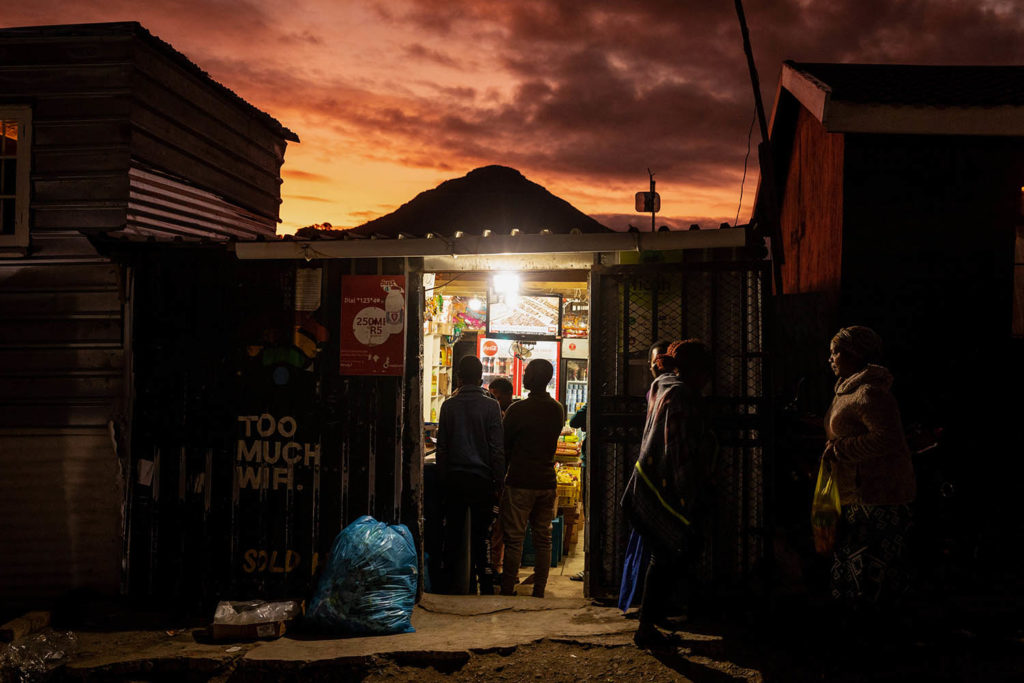
Homes, shops and businesses are in the dark for at least six hours each day. Shopkeepers cannot keep their tills running, phone companies warn services may fail and the country’s mining giants are scaling back operations. So far this year South Africa has had 108 days of outages.
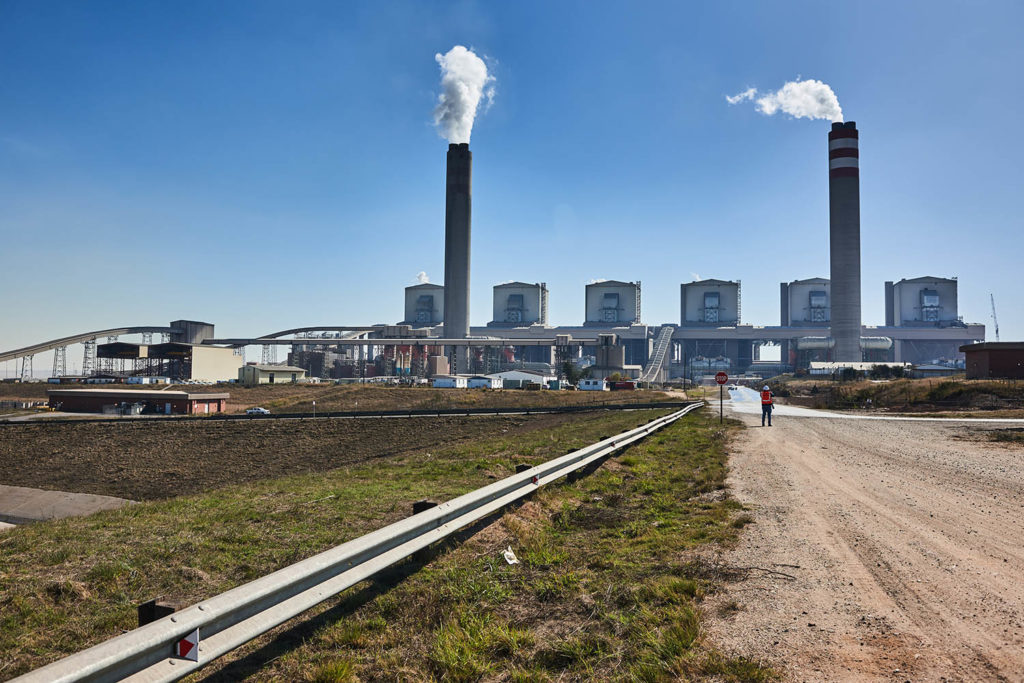
The problem isn’t energy supply. South Africa has enough coal to last 200 years and its national energy company, Eskom, isn’t afraid to use it regardless of net zero targets.
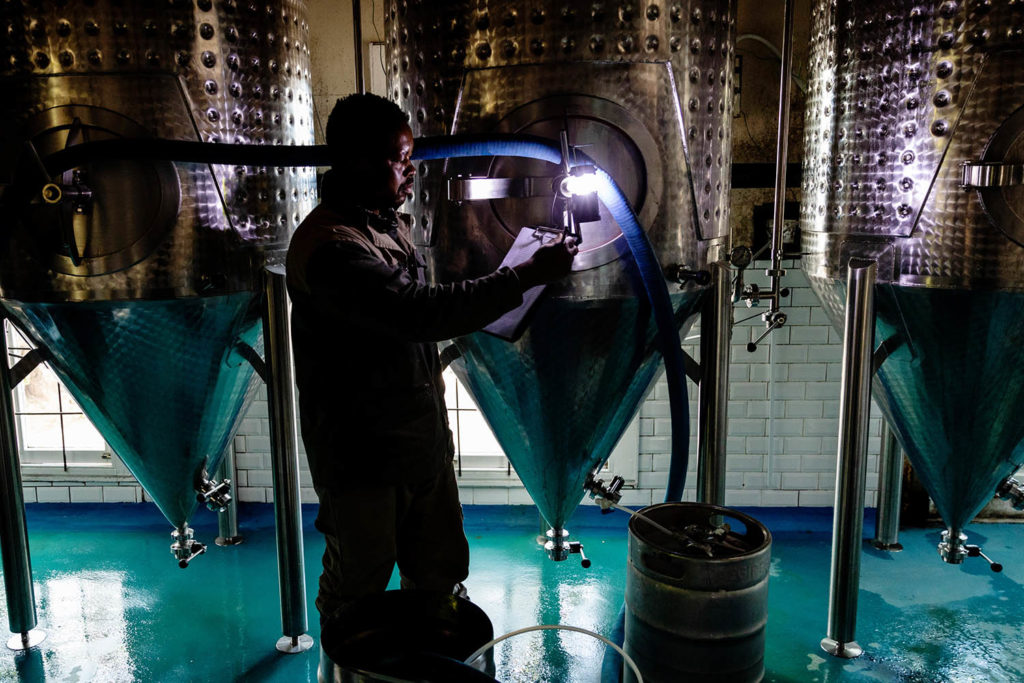
The problem is neglect, debt, corruption and mismanagement in the nation’s ageing 15-strong fleet of coal-fired power stations. Replacements and refurbishments have been delayed, forcing power plants to breaking point. Rolling blackouts are then imposed to protect the grid.
In 2001 Eskom was ranked the world’s best power company by the FT. Its decline since then, for many South Africans, is emblematic of the wider failed promises of the ANC. Other state enterprises and public services have also been looted and faltered. The economy is not in great shape and power cuts are making things worse:
- Not working: One-in-three are unemployed
- Shrinking: South Africa’s gross domestic product fell by 0.7 per cent in the second quarter
- Voting with their feet: A recent poll estimated half the country’s graduates and top earners were thinking of emigrating
How badly might this damage the ANC? The party of Mandela was once deemed unassailable, but a general disenchantment driven by stubbornly high poverty and unemployment levels and corruption under Ramaphosa’s predecessor, Jacob Zuma, has eroded the party’s vote share for a decade.
Sensing political peril, Ramaphosa has vowed to “remain seized with this [load-shedding] issue until the situation is resolved”. Two months ago he laid out a plan for more energy investment, faster repairs and the purchase of power from other suppliers. Such schemes have failed to deliver before though, and time is tight.
In December the ANC holds its elective conference, at which young guns and the old guard will jockey for top party positions and Ramaphosa will seek backing for a second term. He’ll face voters in next May’s general election, when if recent local elections are any guide the party could fail for the first time to achieve 50 per cent of the national vote. If the grid is still on the blink by then, it will make his task harder.
Load-shedding has dominated South Africa’s headlines for weeks. The opposition scents blood, yet is ideologically divided between the centrist Democratic Alliance and the Marxist Economic Freedom Fighters, stuck on around a fifth and a tenth of the vote share respectively in last year’s municipal elections.
Turning the lights out on the ANC era was never going to be straightforward.