
What just happened
- Ukraine’s forces advanced in the southern region of Kherson and consolidated gains in the east.
- North Korea fired a ballistic missile over Japan for the first time in five years.
- A Swedish scientist won the Nobel prize for decoding the DNA of Neanderthals.
Party conferences leave nowhere for struggling leaders to hide. While the spotlight is trained on the conference floor, it is the late-night plots hatched over cigars and champagne that really matter.
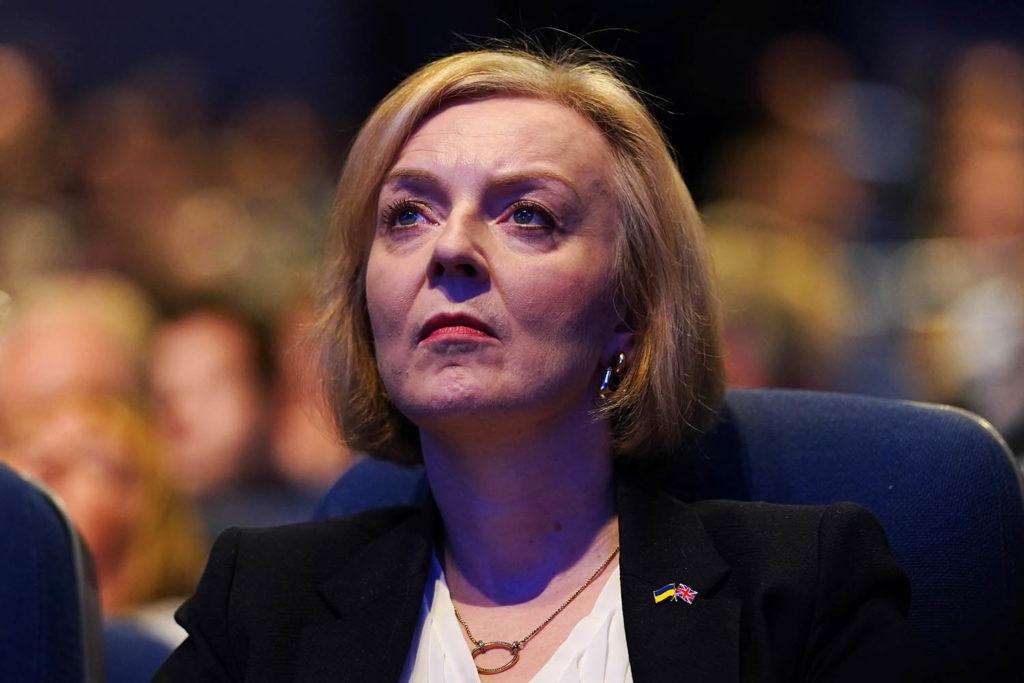
Liz Truss went into this year’s event defiant in the face of pressure from the likes of ex-ministers Michael Gove and Grant Shapps. But within hours of her first drinks reception, the prime minister was forced to scrap plans to abolish the 45p tax rate, which many MPs feared would consign them to political oblivion.
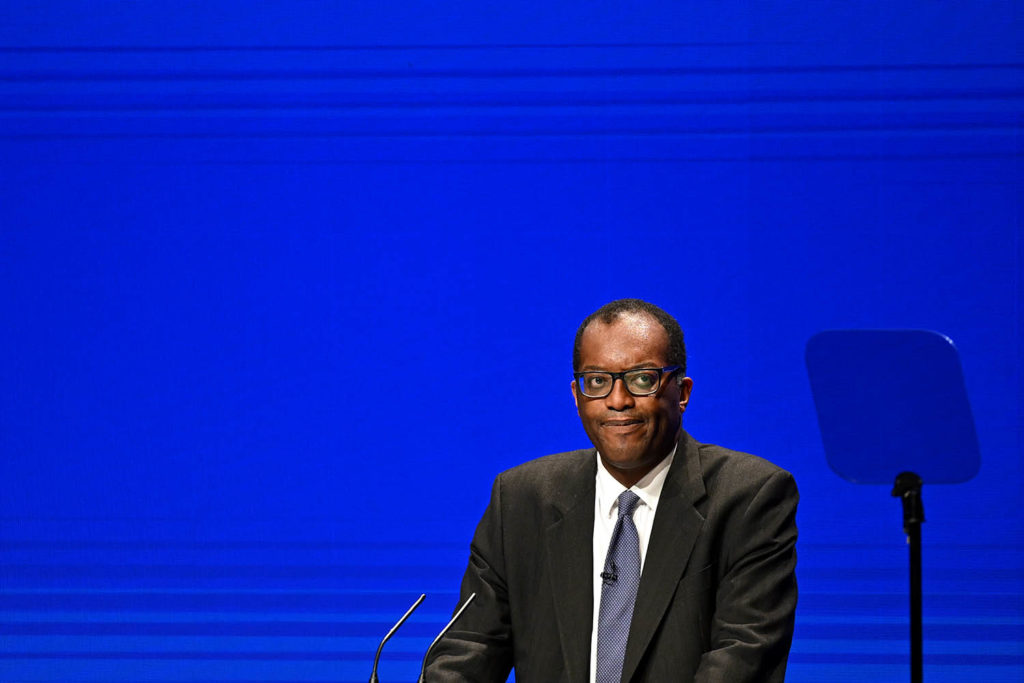
A master of understatement, her chancellor Kwasi Kwarteng downplayed the turmoil caused by his mini-Budget as “a little turbulence”. But with a second U-turn performed last night, perhaps that would be a better characterisation of Truss’ premiership. Kwarteng, who had insisted his OBR-costed medium-term Budget would still be delivered on 23 November, is now bringing it forward to appease MPs and the markets.
Will it be enough? No. Already less popular among backbenchers than her leadership rival Rishi Sunak, Truss has shown the ease with which she will bend to the party’s will and hostile colleagues have scented blood:
- The mood in Birmingham is that of gallows humour, say Tories.
- “A morgue with loads of booze,” one tells Tortoise. There is no need for plotting, because “it’s just No 10 imploding”.
There may be no need for it, but plots appear to be hatching both among attendees and those who stayed away. One former minister says “loads of teams are organising the letters [of no confidence] to go in”, suggesting the axe could fall on Truss within a fortnight if there is an obvious “unity figure”.
Some who ran before – including Sunak and Shapps – are already being talked about as possible successors. But it is Boris Johnson whose shadow looms largest.
This prospect, ironically, may be enough to save Truss and Kwarteng, says another former minister. “If she goes, we get Boris back… criticism will be subdued due to the Boris threat.”
What next? Even those who believe Truss has bought herself some time talk in terms of months – and don’t expect things to get any easier:
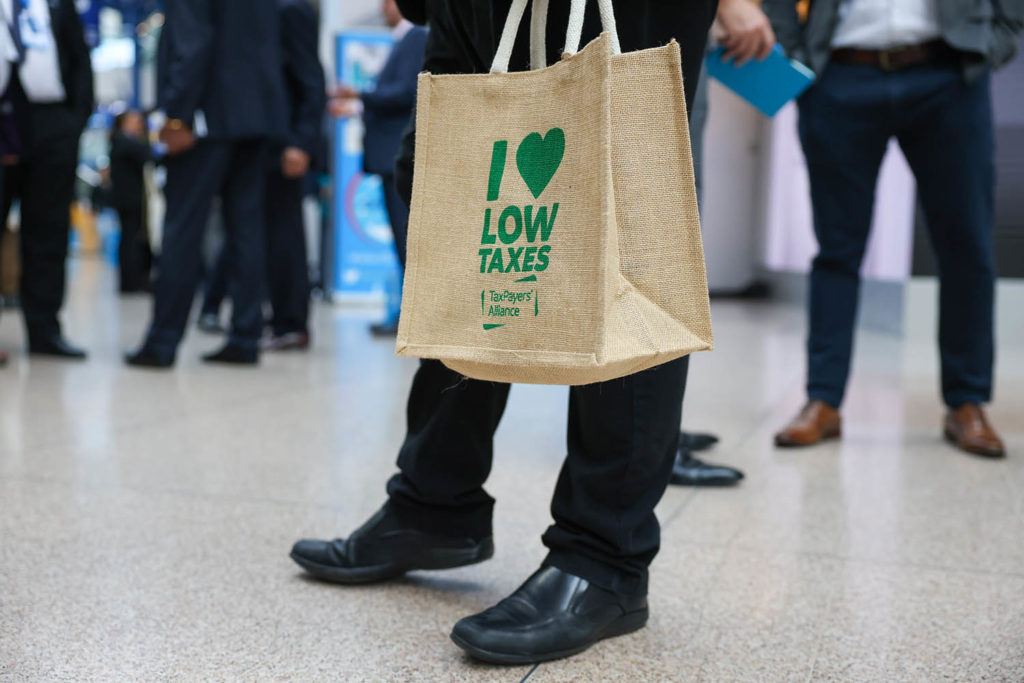
- While the abolition of the top rate of tax was politically damaging for the Trussites, what remains of the mini-Budget could be significantly more so for the country, not least the fact that capping energy prices without curbing demand leaves the UK vulnerable to blackouts.
- That is before we get to the supply-side reforms that Kwarteng is now expected to announce on 23 November. The chancellor has remained tight-lipped about how he plans to balance the books, but Westminster – and the City – are braced for Austerity 2.0.
- Truss and Kwarteng are said to favour raising benefits in line with earnings rather than the far higher rate of inflation, but already rebels – emboldened by two U-turns in quick succession – are flexing their muscles.
- Treasury committee chairman Mel Stride – no natural troublemaker – told the BBC this morning he would struggle to back the government on such a measure. Others will resist with relish.
- Alongside this, we are told to expect a shake-up of planning – likely to annoy the Nimby Blue Wall MPs – and immigration rules – which could put her in direct conflict with Brexiteer Red Wallers.
“She’s walking an ultra-thin tightrope,” says one backbencher. “Getting her immigration plans through the Cabinet will be hard enough, let alone the parliamentary party. The Red Wall was won on tough words on immigration so if Truss wants to now open up our borders, the party will totally implode.”
Here are the key dates coming up:
5 October: Liz Truss addresses the Conservative Party Conference
7 October: OBR to give Kwarteng “first iteration” of economic forecast
11 October: Parliamentary recess ends
14 October: Bank of England ends its emergency quantitative easing programme
31 October: Bank of England begins its delayed quantitative tightening programme
3 November: MPC meets to decide its next move on the UK’s base rate
To note: Pollsters Savanta Comres and Redfield & Wilton have the opposition Labour party ahead by 25 points and 28 points respectively.
Swiss please
There is consolation for Kwasi Kwarteng in his misery. He’s not the only one. Ulrich Koerner, CEO of Credit Suisse, is going cap in hand to investors and potential buyers of parts of the bank as he tries to shore up its core investment banking and wealth management businesses against rumours of a giant hole in his balance sheet. The rumours are unsubstantiated, Reuters says, but Credit Suisse’s share price has fallen by more than half this year. It lost $5.5 billion in last year’s collapse of Archegos, the family office of the disgraced American investor Bill Hwang. It lost $1.7 billion more through its exposure to Greensill, the supply chain finance firm that also did for David Cameron’s post prime-ministerial reputation. And some of its richest private clients are now said to be “moving funds”. Koerner says he’ll present a restructuring plan by 27 October but the markets keep on driving its stock price down and its price of credit up. Sound familiar?
Poseidon
Nato has reportedly sent an intelligence report to its members warning that Russia is planning to test a nuclear-powered torpedo. The Russian Belgorod submarine is on its way to the Kara Sea in the Arctic Ocean carrying Poseidon, known as “the weapon of the apocalypse”, according to Italy’s La Repubblica newspaper. Poseidon, a drone that can travel long distances underwater before exploding and causing “nuclear tsunamis” on coastal cities, is not scheduled for delivery until 2027: but the test adds to fears that Putin may use nuclear weapons in Ukraine. The Times reports claims that a train operated by a Russian nuclear division is headed towards the border. The US says it has so far not detected preparations for a nuclear strike. But no one is ruling it out.
Covid inquiry
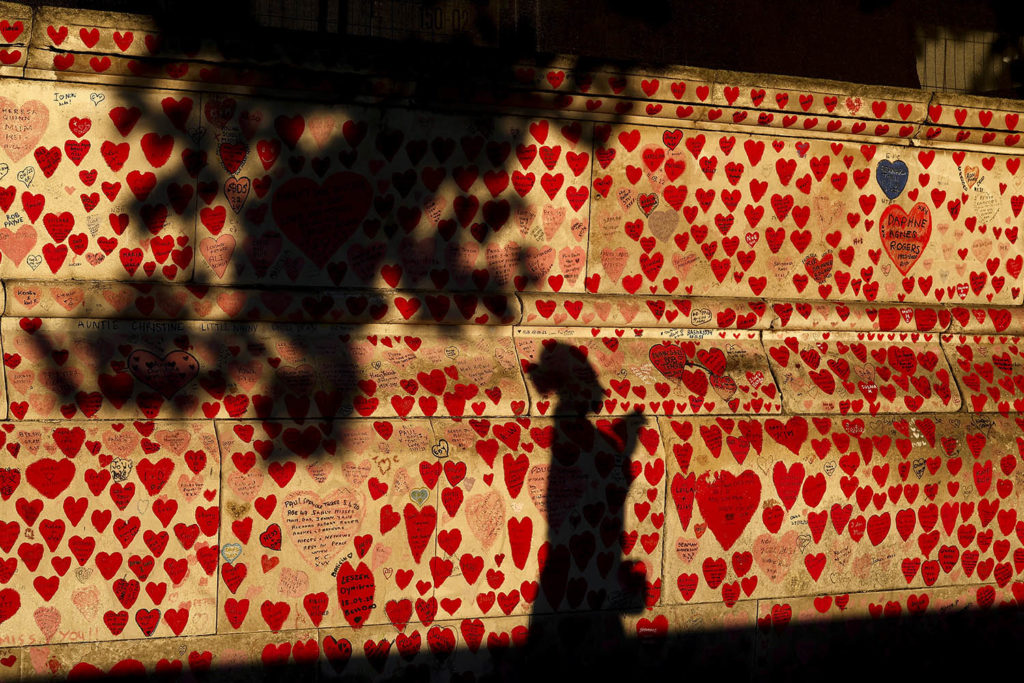
The UK’s Covid public inquiry starts today with a minute’s silence to remember the loss and hardship people experienced over the pandemic. As of 16 September, 204,776 people in the UK have Covid-19 on their death certificates. Public hearings won’t begin until next spring; this first meeting is largely procedural to kick start a phase examining the UK’s pandemic preparedness and response. But even when the inquiry invites public statements, the families of Covid victims have been told they won’t be able to submit individual testimonies. Instead the inquiry chair, Lady Hallett, has asked them to share “pen portraits” with a private company running a seperate “Listening Project”. Bereaved families deserve to be heard, not sidelined.
Bolsonarismo
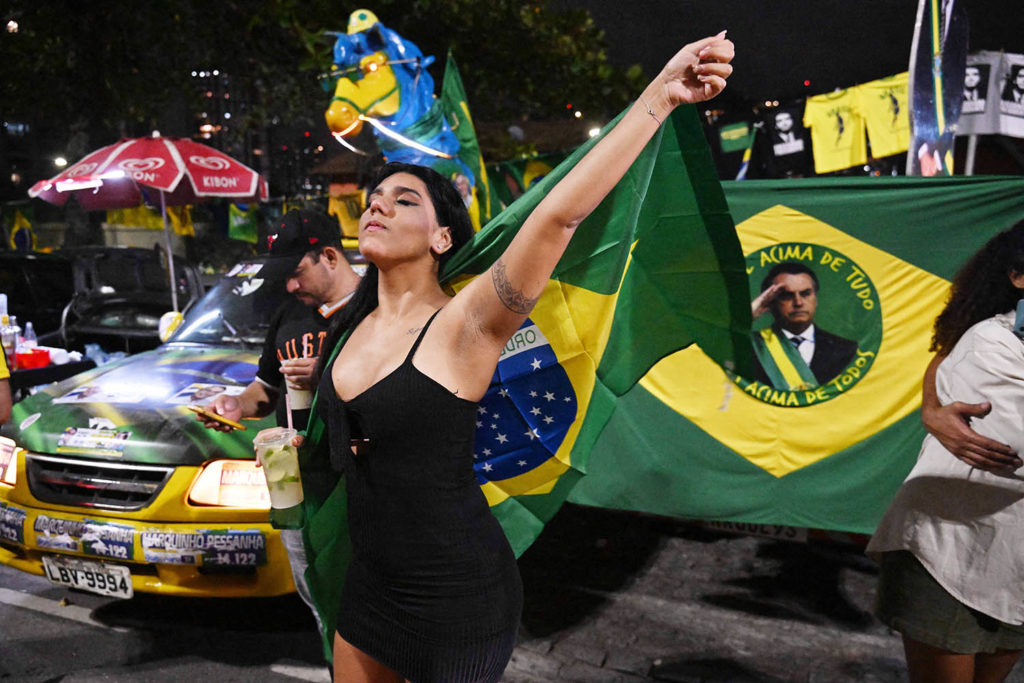
Brazil’s far-right leader Jair Bolsonaro goes into the second round of the presidential election with momentum on his side. Opinion polls were proved dramatically wrong (again): after putting Bolsonaro 10 points behind former president Luiz Inácio Lula da Silva, the race turned out to be much tighter than expected, with Bolsonaro winning 43.2 per cent of the vote to Lula’s 48.4. Bolsonaro’s allies were elected to congressional seats and state governorships, including Rio de Janeiro and Brasília. His party holds the most seats in both chambers of Congress. Even if Bolsonaro loses the second round on October 30, “the far-right in Brazil is alive and well-established,” said Monica de Bolle, senior fellow at the Peterson Institute for International Economics. Bolsonarismo is here to stay.
Burkina Faso’s coup
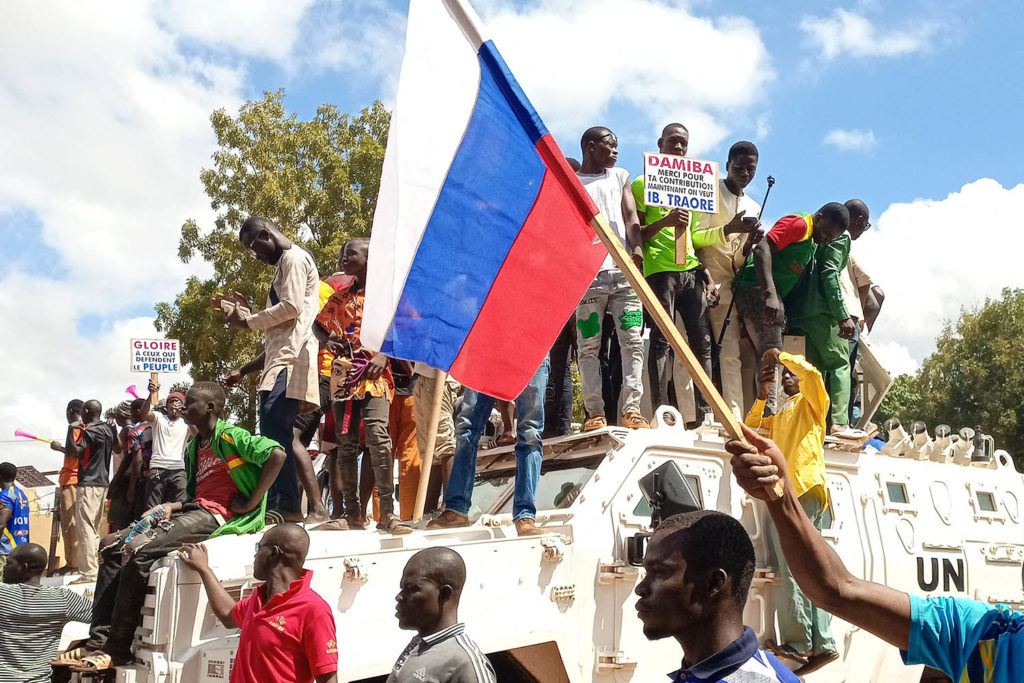
In January, Lt. Col. Paul-Henri Sandaogo Damiba seized power in a coup in Burkina Faso. On Sunday it was his turn to be ousted by the military, apparently due to his inability to contain the Islamic extremism that has plagued the country. While there’s no evidence Moscow was involved in the coup, troops who took part waved Russian flags and Yevgeny Prigozhin – a close Putin ally and founder of the Wagner mercenary group that’s present in several African countries – “warmly congratulate[d]” Captain Ibrahim Traoré, the designated president. Russia’s war on Ukraine does not appear to have reduced the Kremlin’s operations in Africa, and many believe Traoré is likely to ask Moscow for more help in his fight against Islamism.
Catherine Neilan is Tortoise’s Political Editor
Catherine Neilan
@CatNeilan
Additional reporting by Giles Whittell, James Wilson, Nina Kuryata, Jessica Winch and Phoebe Davis.
Photographs Getty Images


