
What just happened
- Russia resumed rocket attacks on Ukrainian cities after launching 84 missiles on Monday (more below).
- Lawyers said one of Harvey Weinstein’s accusers at his new sexual assault trial was Jennifer Siebel Newsom, a documentarian and wife of the potential Democratic presidential contender Gavin Newsom.
- Japan fully reopened to foreign tourists after more than two years of Covid isolation.
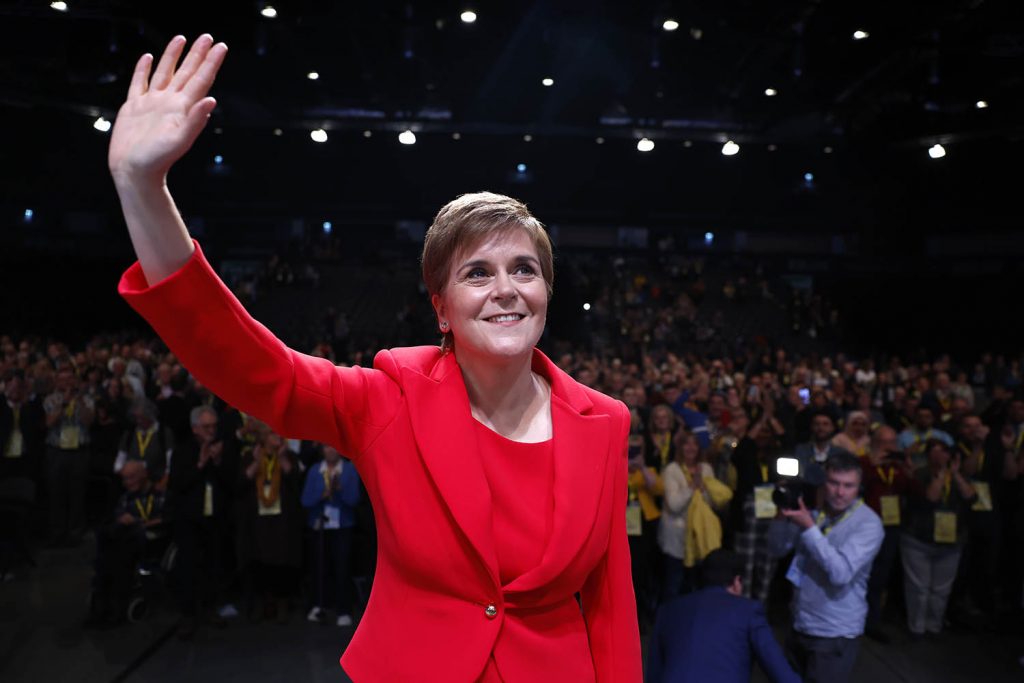
Nicola Sturgeon has the Scottish National Party behind her and a Conservative party in utter disarray. But her dream of Scottish independence is stuck in a holding pattern, dependent on three factors she can’t control:
The court. Yesterday Sturgeon took aim at the “chaos and catastrophe” of the Tories’ economic plan in her speech to the SNP conference. Today the UK Supreme Court starts hearing arguments for and against her bid to hold a second referendum without approval from Westminster. Experts say it’s unlikely to get the go ahead. If so the SNP has vowed to treat the next general election as a de facto referendum.
A rejection by the court might not be the worst outcome for the SNP. It gives them time: while polls for “Yes” continue to hover at around 49 per cent, fewer than a quarter of the Scottish public actually support holding a vote in the next year and just 30 per cent support one in the next two to five.
“If people don’t support this as a method, I’m not entirely surprised,” admits Màiri McAllan, the SNP’s environment minister, who’d prefer the “gold standard” style of referendum used in 2014 with a green light from London. But she says, “we are here because of the UK government which refuses to recognise the democratic will of the people of Scotland”
The economy. Independence can’t go ahead without a cogent plan for Scotland’s economy, and Sturgeon has seized on the unpopularity of Trussonomics to produce one. Next week the SNP will publish the third in a series of white papers setting out how to build an independent economy based largely on renewable energy (without new nuclear power or fracking, says Deputy First Minister John Swinney).
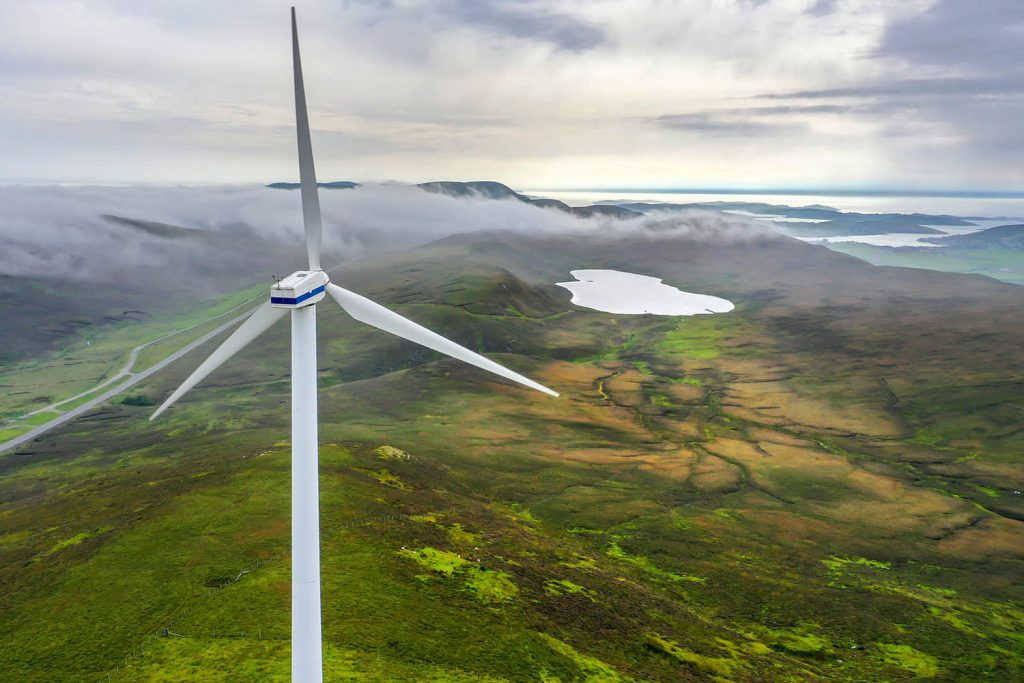
Investment for new projects, including one that uses waste from whisky to power car batteries, will come from a £20 billion fund built on oil revenues and an as yet unspecified amount of borrowing. In a nod to hosts of the conference, Sturgeon vowed that oil-rich Aberdeen will be refashioned as “net zero capital of the world”.
The paper will also address questions from unionists in the run up to indyref1 in 2014, including:
- What would be the currency of an independent Scotland?
- Who would be its lender of last resort?
Westminster ruled out a formal currency union with the rest of the UK in 2014, so the answer to the first of these is likely to be informal use of sterling for a number of years – but informal use of another country’s currency is unprecedented in an advanced economy of Scotland’s size.
Westminster. Here, paradoxically, there are reasons for Sturgeon to be cheerful. Neither of the two main UK parties wants to be the one that lost Scotland, but neither has a good plan to stop it happening.
- Labour is working on a blueprint for constitutional reform that it says would offer “proper economic devolution”. On policy, it sees mileage in attacking the SNP’s record on health and education. So far none of this is cutting through. The party is 12 points up on its Scottish vote share in 2019 but still 14 points behind the SNP. According to the psephologist Sir John Curtice it would have to cut that to ten points or less to dent the SNP’s dominance. Yesterday Sturgeon said Labour was “just as committed to Brexit — a hard Brexit — as the Tories” – which isn’t quite true but worked as an applause line.
- The Conservatives’ approach to what Truss calls Scotland’s “separatists” so far seems to be to ghost them. Their troubled Union Unit, set up under Boris Johnson, has been abandoned. If recent poll results were replicated at the next general election, the Tories would lose all seats north of the border. “A return to muscular unionism doesn’t seem to me to be an evidence-based policy,” says one senior Scottish Tory. “The reality is the UK government needs to work with Holyrood.”
It will take more than the winds of Aberdeen (or Westminster) to blow Sturgeon off course, but she’ll need all her considerable stamina to deliver what she’s promised.
A £60 billion question
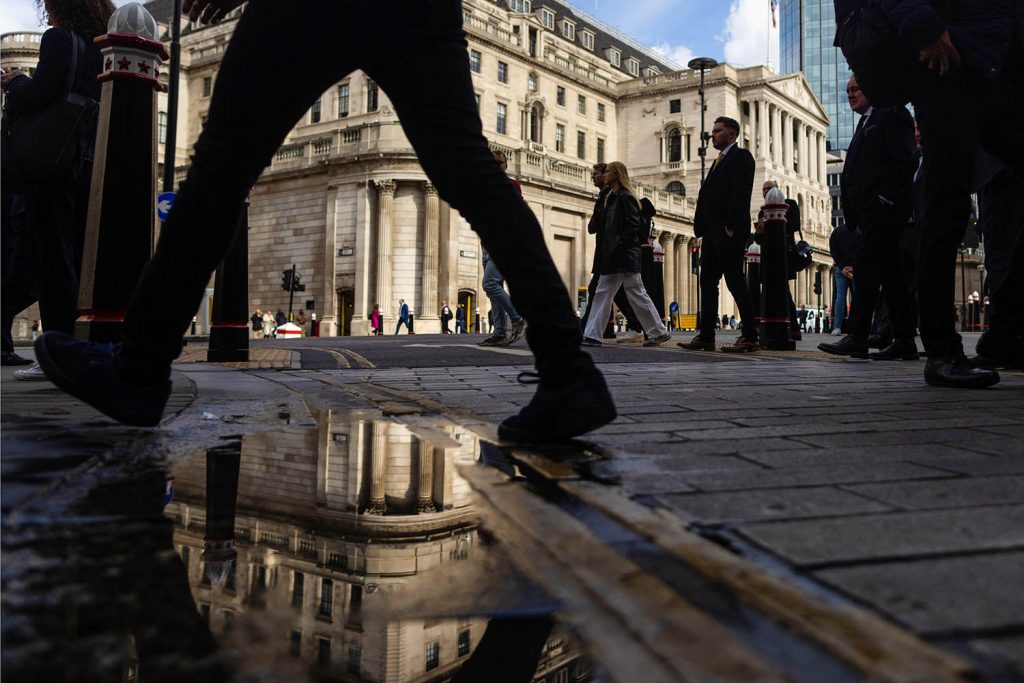
Kwasi Kwarteng’s mess gets messier. He hoped a promise to bring forward details of his spending plans, together with the Bank of England’s £65 billion support package for the UK bond market, would stabilise the stagnating north European economy for which he finds himself responsible. It hasn’t worked. Investors remain spooked, even though the Bank has so far spent much less shoring up long-dated gilts than the £5 billion a day it was prepared to. Yields soared again yesterday and the now-familiar challenge for pension funds of finding huge cash sums as collateral for hedges taken out years ago to match their long-term liabilities threatened to start another fire sale of assets at any price. So the Bank stepped in again, this time promising support for index-linked bonds. Meanwhile, absent the usual assurances of fiscal sanity from the Office for Budget Responsibility, the Institute for Fiscal Studies has warned Kwarteng he’ll need to find more than £60 billion in what the FT calls fiscal tightening to persuade the markets he knows what he’s doing. That means cuts. He could find most of them by linking in-work benefits to wages rather than inflation and cutting funds for all public services including health and education by 15 per cent. Ah, the joys of growth.
Nav wars
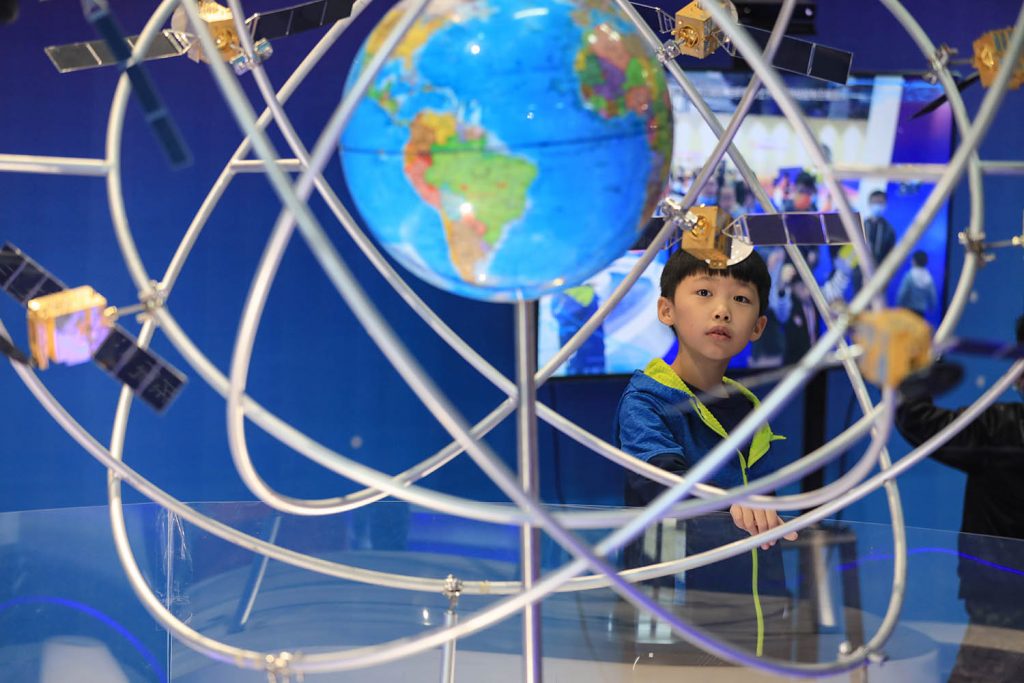
What the West thinks of as a handy alternative to winding down the window to ask for directions, China plans to turn into a planetary-scale data harvesting tool. That’s the kernel of a speech being delivered today by Sir Jeremy Fleming, head of the UK’s GCHQ intelligence agency, whose utterances are worth listening to because they are so rare. He will offer other examples of Chinese exploitation of digital technology for surveillance and security purposes, but the satnav one has cut-through. China is requiring adoption of its BeiDou navigation system at home but also exporting it energetically to developing countries. A free country’s digital road map is a tyranny’s tracking system, and imagine the chaos deliverable at the flick of a switch by turning the whole thing off. It could pay to stick with GPS.
Flood health
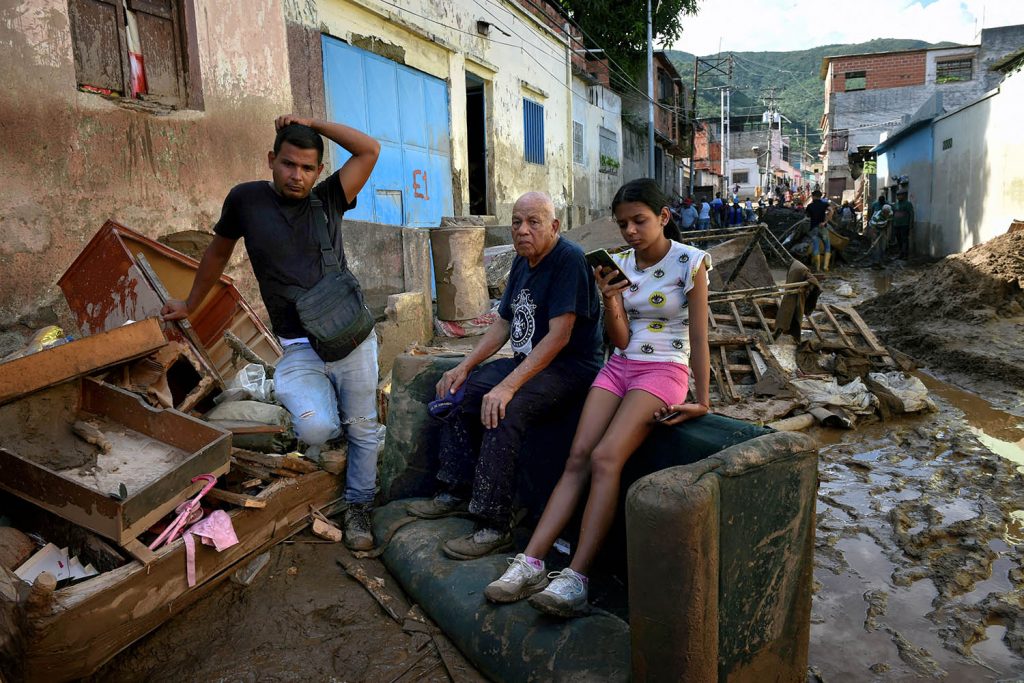
What do Pakistan, Venezuela and Nigeria have in common right now? They are struggling to deal with the aftermath of devastating floods. In Venezuela, at least 25 people died and 52 are missing as heavy rains led five rivers in the centre of the country to break their banks. President Maduro declared Tejereas, a town of 73,000 people, a “disaster zone” as its streets were left filled with mud and debris. In Nigeria, nearly 80 people died after a boat carrying mostly women and children to safety capsized in the Anambra region. More than 600,000 people have already been displaced according to the country’s National Emergency Management Agency, which warned of more flooding along the Niger and Benue rivers. The WHO says Pakistan, where flooding has affected 33 million and killed over 1700 people since June, is on the verge of a public health disaster. The water has stopped rising but the “danger has not”, he says, as malaria and diarrhoeal diseases are rife in affected areas. Between them, these countries contribute 1.27 per cent of global carbon emissions, compared with the United States’ 13.54 per cent. Expect disasters like these to be on the Cop27 table as the basis for climate finance appeals.
Europe’s got gas
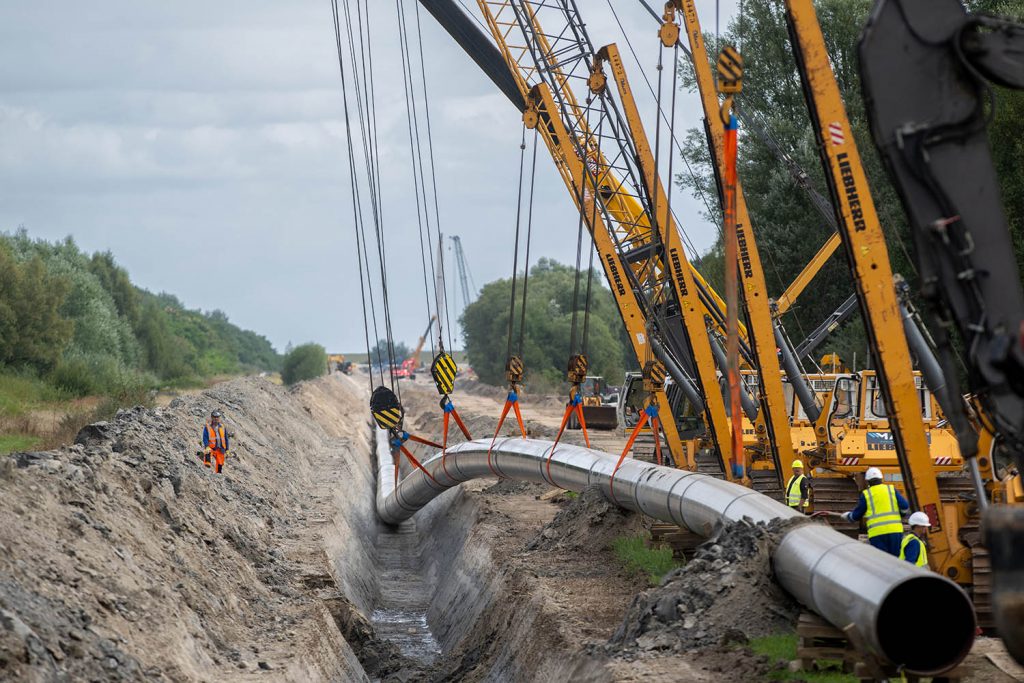
Europe is reaching a gas tank half empty vs gas tank half full moment. Depending on your point of view it has either performed the astonishing feat of sourcing almost all the gas it used to get from Russia elsewhere in less than a year, or it’s bumbling into a winter of power cuts and discontent, hoping for mild weather. Yale’s Jeffrey Sonnenfeld is upbeat: he says Europe has managed to cut Russia’s share of its gas supply from 46 to 9 per cent in eight months flat, making up the shortfall from Norway and Algeria and by buying up 40 per cent of global liquified natural gas (LNG) supply, which is itself surging. Reuters is gloomy, saying the continent still faces a 15 per cent gas shortfall and will probably have to shut down industrial plants for parts of the winter. What’s clear is that Russia will be earning a lot less from Europe for gas than last year.
Running on nearly empty
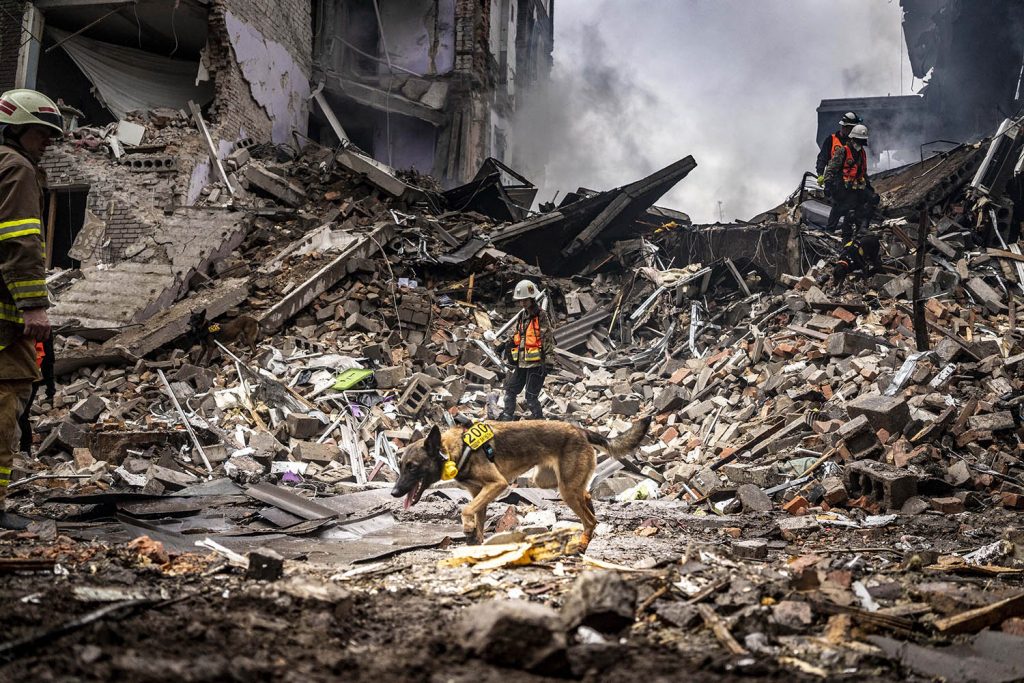
There are air raid sirens across the whole of Ukraine this morning as Putin doubles down with more revenge attacks for the bombing of the Kerch bridge. Yesterday’s took 14 lives, injured more than 100 and heavily damaged critical infrastructure: power plants, kindergartens, schools and hospitals, as well as libraries and museums. Russia’s tactic is “to fight against civilians rather than against soldiers”, Ihor Zhovkva of Zelensky’s presidential staff says. This is exactly what the new commander of Russian forces in Ukraine, Sergey Surovikin, is famous for from his tours in Chechnya and Syria: ruthless bombardment and multiple human rights violations. But Russian missile attacks are not changing the situation on the frontline, where the Ukrainian army is taking back occupied territory and Russia – according to the UK’s Sir Jeremy Fleming – is running out of munitions. Nor are they dampening Ukrainians’ support for their troops. Yesterday they donated more than $5 million – a challenge to the G7, meeting today by video, to be as generous.
And finally… yesterday, Tortoise submitted an application for Judicial Review of the Conservative party’s refusal to disclose information about the way it chose Britain’s new prime minister. Given the radical change in direction the new PM has brought to government, it’s our view that it is even more important the British public know who put her in power – and that the process was secure. Read the supporting documents here.
Thanks for reading. Please share this round, send us ideas and tell us what you think. Email sensemaker@tortoisemedia.com.
Barney Macintyre
@barneymac
Additional reporting by Phoebe Davis, Nina Kuryata and Giles Whittell.
Photographs Getty Images


