
What just happened
- Russian strikes on Ukraine destroyed 30 per cent of the country’s power stations and caused mass blackouts.
- UK inflation rose to 10.1 per cent, driven mainly by food prices (more below).
- A series of HSBC ads were banned for exaggerating the bank’s green credentials.
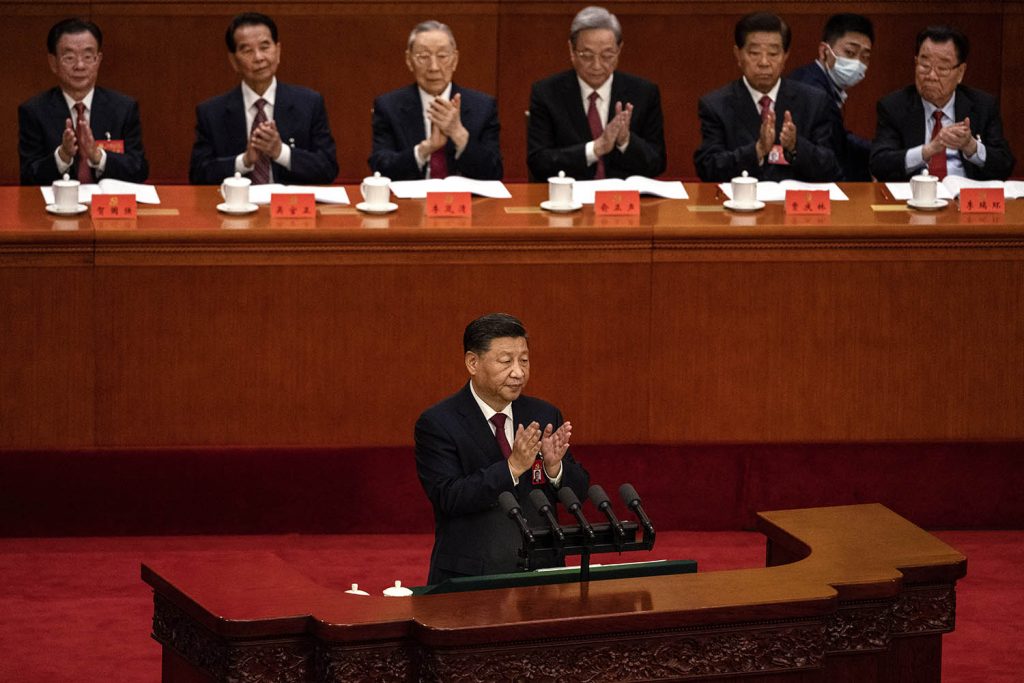
On Friday, almost certainly, the only person in the world with more than a billion subjects and no democratic obligations to any of them will be given five more years in power.
An AI-powered surveillance state is in place to detect every flicker of dissent. A 100-day security operation round Beijing has led to 1.4 million arrests, or one for every thousand people in the country.
The stage is set for China’s quinquennial National Congress to anoint Xi Jinping for a third term that’s likely to be followed by a fourth. What could possibly go wrong?
Plenty, as it turns out – not immediately, but as Xi’s carefully consolidated power is tested there’s growing evidence his control over China’s mega-institutions and its stuttering economy will prove less solid than it looks.
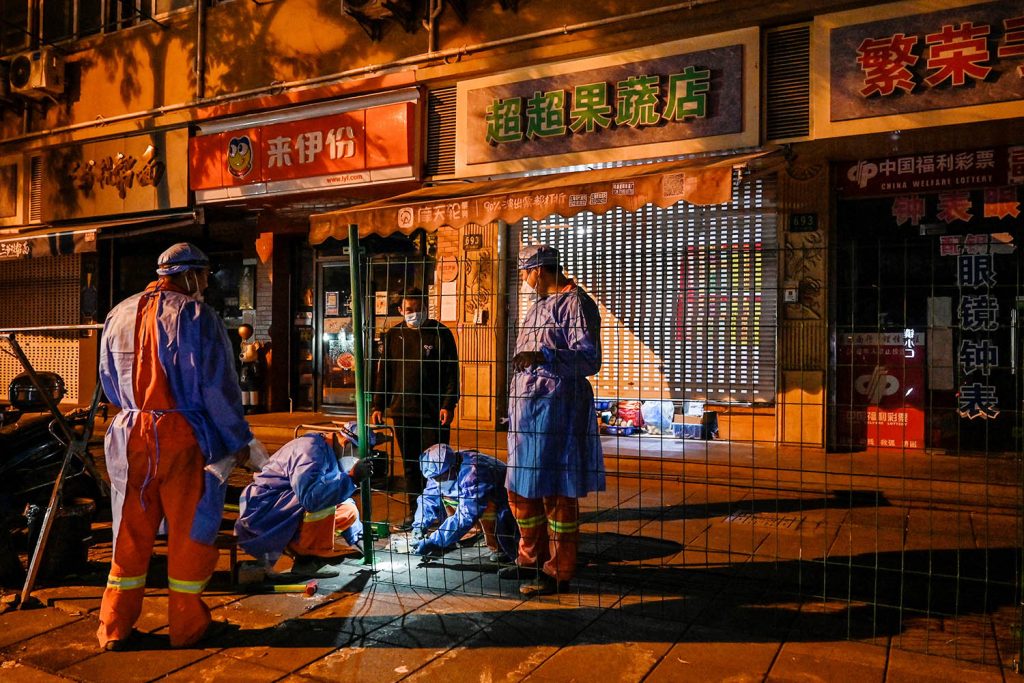
At home Xi faces “an intense popular backlash and a real risk of social unrest,” the dissident and former Central Party School professor Cai Xia writes in Foreign Affairs. Expect his authority to be challenged in three areas:
- The party. Xi has paid himself the compliment of naming a new category of thought – Xi Jinping thought – after himself, to be studied by party cadres like those of Mao and Deng before him. But he has less political capital than those giants and his authority is “wide but shallow”, another exiled Chinese analyst says. Xi will be backed by 200 loyalists in a newly-unveiled central party committee, plus 25 in the politburo and seven in the politburo standing committee that has been reduced by Xi to a rubber stamp. But he has purged the party of more than 630,000 members under the guise of a ten-year anti-corruption campaign, and among them he has enemies.
- The economy. Xi’s zero Covid strategy has more than halved the World Bank’s growth forecast for China this year to 2.8 per cent, and China’s own numbers are so bleak their release was postponed indefinitely yesterday. Xi’s attempt to harness the Chinese tech sector to the service of the state has backfired so badly that his meek second-in-command, Li Keqiang, has reversed it. High-yield dollar bonds issued to compensate for regional governments’ losses in an imploding property sector have lost 55 per cent of their value in a year, and domestic demand has failed to make up for slackening exports or prevent China’s slowest overall expansion in four decades.
- Online. “We want freedom, not lockdowns and controls. We want respect, not lies.” The banner hung from a Beijing bridge as the National Congress started was quickly removed and a man arrested – but his slogans and his call for Xi to go have spread online beyond censors’ control. “Bridge man” is to 2022 as Tiananmen Square’s tank man was to 1989.
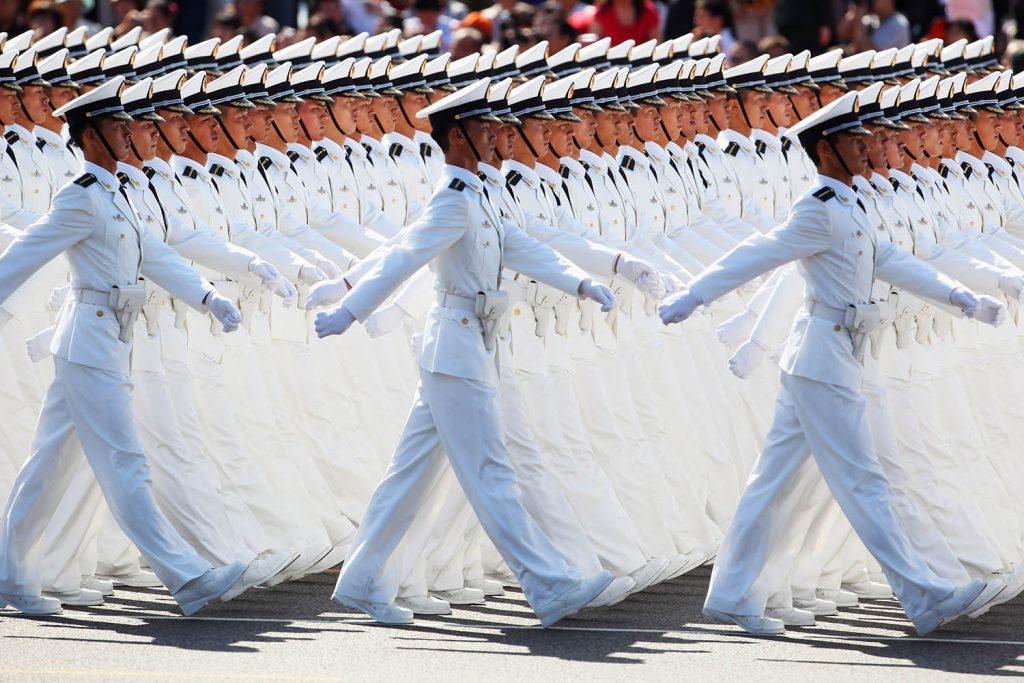
Abroad, Xi wants to project might in the form of the world’s largest standing army, technological prowess in the Chinese space programme and macroeconomic heft by bankrolling the infrastructure projects across the Global South. But his regime also projects paranoia and dependency, not least in its dealings with the UK:
- paranoia – in the person of China’s consul general in Manchester, looking on this week as a protester was dragged inside the grounds of the consulate and beaten up; and
- dependency – in its need for ex-RAF pilots to train its own, hired by Beijing for up to £240,000 a year.
That overseas dependency runs deep. Despite a reported $100 billion investment in ultrafast semiconductors for military and surveillance purposes, much of the money is thought to have been embezzled. China, like the rest of the world, remains critically reliant on Taiwan for its chips.
On Xi’s watch China has continued to lift hundreds of millions out of poverty, expand a 40,000-kilometre high-speed rail network unequalled anywhere in the world and build capabilities in supercomputing and quantum computing that could soon overtake America’s. Its social contract – obedience in return for prosperity – is holding. But it’s wobbling too. Bridge man could still spoil Xi’s long party.
Triple threat
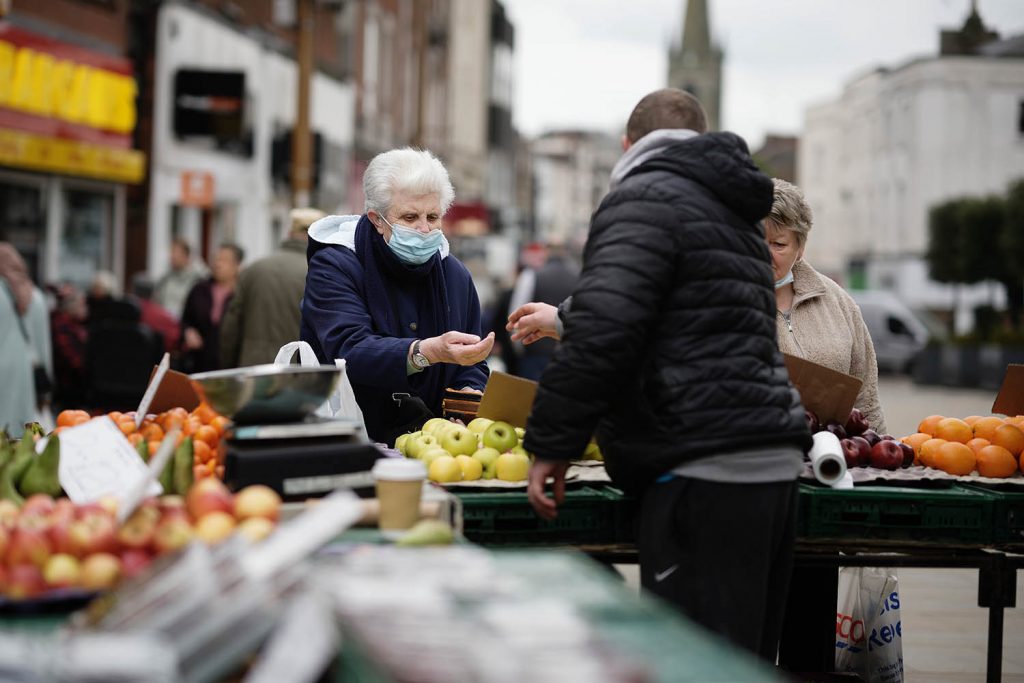
Soaring food prices have pushed the UK’s chief measure of inflation, the Consumer Price Index, to 10.1 per cent for September – matching July’s 40-year high. According to the Office for National Statistics, the largest upwards contribution came from food costs, while fuel provided the greatest downside pressure. The figure came in slightly above forecasts, and a day after Number 10 refused to rule out scrapping the triple lock, which states that pensions should rise by the highest of inflation, average earnings or 2.5 per cent. Since the wages element of the lock was temporarily suspended by Rishi Sunak last year, when the end of furlough artificially fuelled earnings growth, this has been (another) red line for many Tory MPs. A taste of their brewing backbench rebellion was given by a former pensions minister this morning. Pensioners “must not be abandoned just because we have a short-term problem,” Ros Altmann told the BBC. “Either we have a welfare state or we don’t.”
Netflix subs back up
“Thank God we’re done with shrinking quarters,” Netflix’s chief executive, Reed Hastings, said yesterday. After a bumpy start to the year in which the streamer announced its first ever fall in subscriber numbers, it picked up an extra 2.4 million new members in Q3 – more than twice as many new customers as it had forecast. Where did they come from? A boost in Asia-Pacific signups was one factor; popular shows like Stranger Things and Dahmer – Monster, the FT reports. Netflix’s overall subscriber count now stands at 223 million. Its share price jumped 15 per cent on the news.
Buffer zones
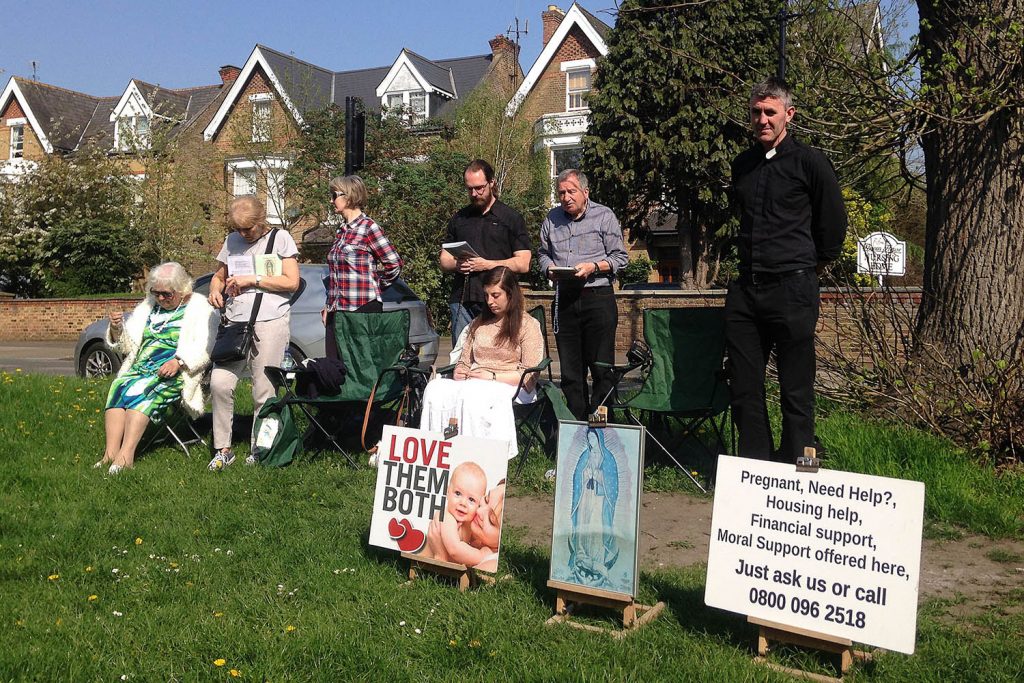
MPs voted yesterday in favour of buffer zones around clinics and hospitals providing abortions in England and Wales. Although councils have had powers to introduce restrictions at a local level since 2014, previous attempts to introduce blanket legislation stalled in the Commons. Stella Creasy MP, who led cross-party efforts to amend the government’s Public Order bill, said it was for the estimated 100,000 women who are targeted by anti-abortion protestors as they attempt to access abortion services, so they can do so “without having to run the gauntlet”. One the measure is in force, protestors breaching the 150-metre zones could face six months in jail. Similar legislation has been backed by the SNP in Scotland. Which the US-based anti-abortion group 40 Days for Life, which has likened Nicola Sturgeon to Kim Jong-un for supporting buffer zones, has pledged to fight the law in court. The ripple effect of Roe’s overturning isn’t just being felt in Georgia.
EU to pay Rwanda?
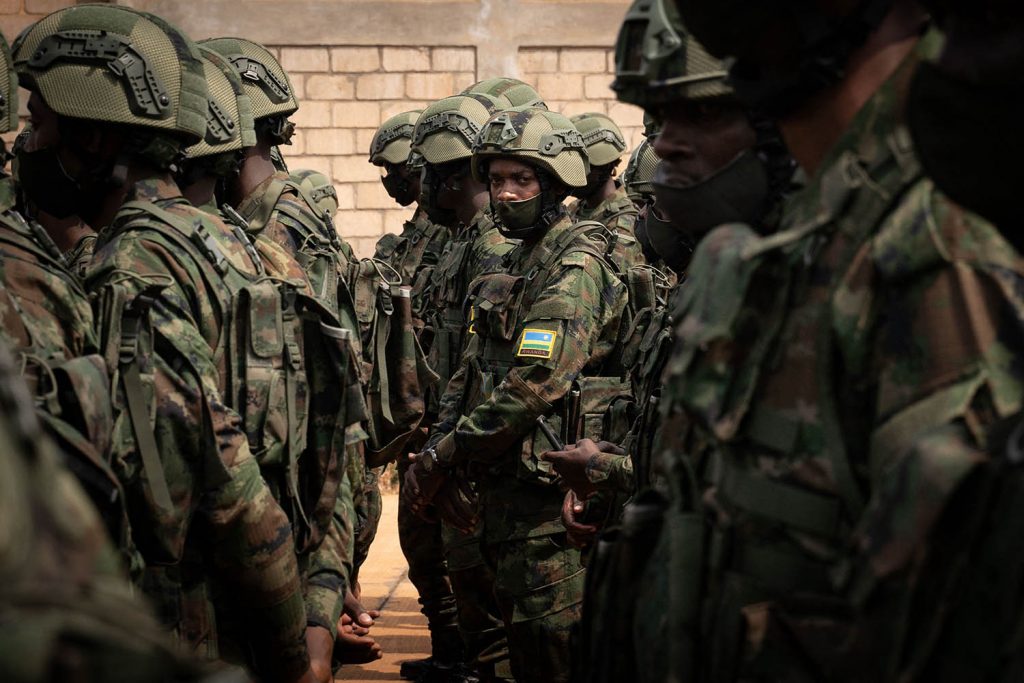
The EU is so desperate for gas that it’s considering paying Rwandan troops to fight an Islamist insurgency to enable TotalEnergies to resume production at a $20 billion gas project it operates in Mozambique. Production has been suspended since soon after the start of the insurgency in 2017, but a 2,000-strong force fielded by Rwanda and Mozambique has begun dislodging militants from their strongholds in Mozambique’s northeast, according to a Rwandan spokeswoman. EU finance would speed up progress and give the operation international validation, the thinking goes. France, Germany and Italy are in favour.
Tense in Kherson
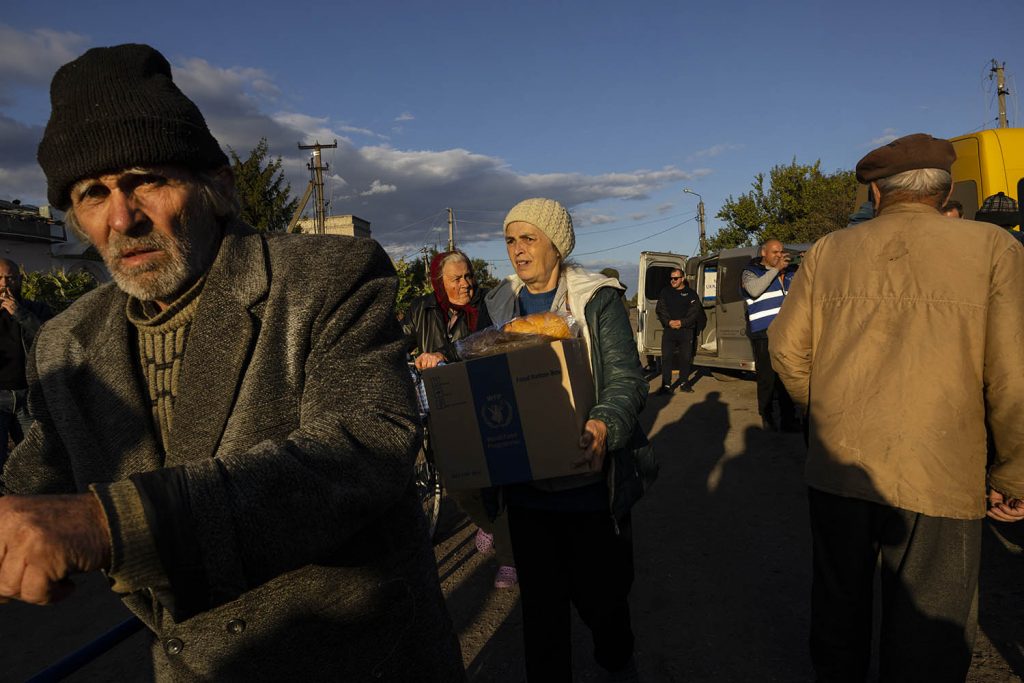
Russia’s new military commander in Ukraine admits the situation in the southern city of Kherson is “tense” as Ukrainian forces advance from several directions and threaten to trap occupying forces against the west bank of the Dnipro river. General Sergei Surovikin, a notorious veteran of Russian campaigns in Chechnya and Syria, made the admission on Russian state TV and said his forces would attempt to evacuate civilians before a looming battle for the city. By occupying Kherson at the start of the war, Russia has been able to pretend it is helping Ukrainian civilians now, but their only option is to be evacuated to neighbouring Russian-held territory rather than to free Ukraine. There has been little media access to the Kherson front line for several days, leading some observers to suspect the battle has begun already.
Thanks for reading. Please share this round, send us ideas and tell us what you think. Email sensemaker@tortoisemedia.com.
Giles Whittell
@GWhittell
Additional reporting by Phoebe Davis and Catherine Neilan.
Photographs Getty Images