
What just happened
- Boris Johnson dropped out of the Conservative leadership contest, leaving Rishi Sunak as the clear favourite (more below).
- Bob Woodward said he was releasing 20 interviews with Trump in audio form because “Trump pounded in my ears in a way the printed page cannot capture”.
- Two climate activists threw mashed potatoes onto a Monet painting in a German museum.
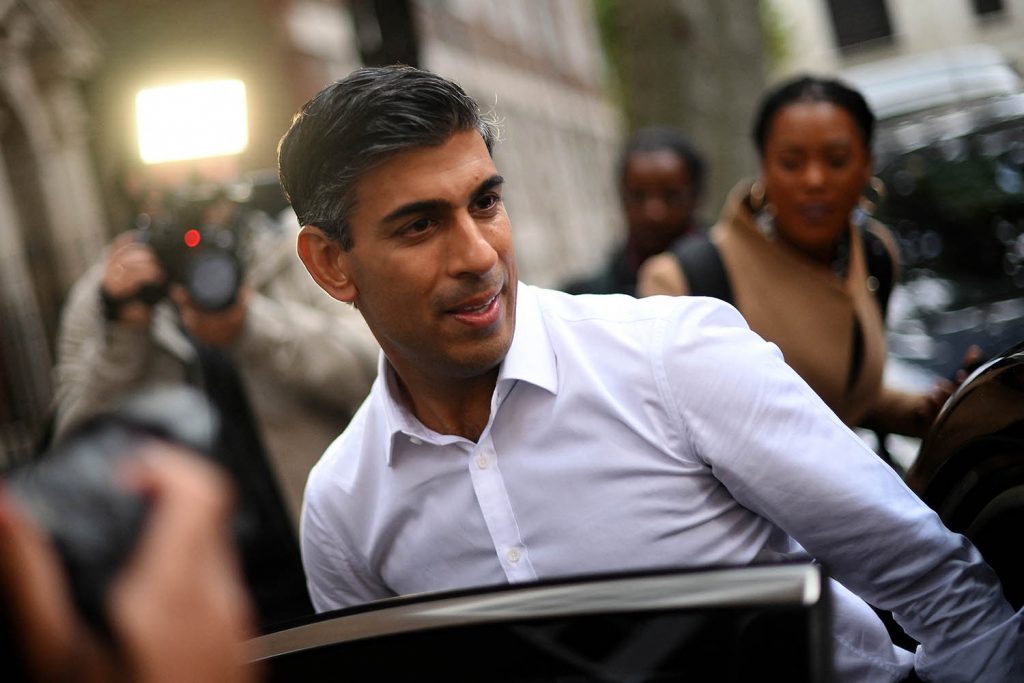
For six months – some would say six years – the UK has shown an admirable ability to shamble along with no functioning elected government and only an overstressed and under-appreciated civil service.
But a functioning government would be helpful right about now. There are at least two real-world crises outside the vortex of the Conservative Party’s solipsism that on any ordinary day would command the next prime minister’s full attention. They include:
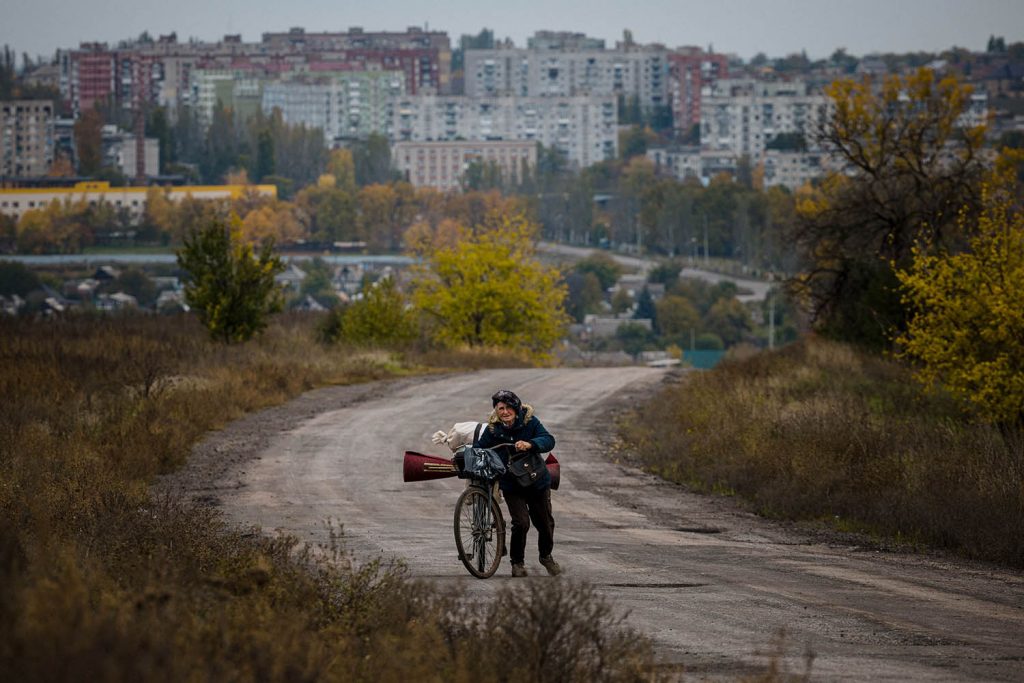
World War III. Yesterday Russia’s defence minister placed calls to several of his western counterparts including the UK’s Ben Wallace, claiming Ukraine might be about to detonate a “dirty” radioactive bomb.
- The claim is baseless, and as Wallace noted should instead be seen as another threat of nuclear escalation by Russia. A dirty bomb isn’t the same as a fission or fusion weapon but would be the next step on Putin’s escalatory ladder, intended to deter further arming of Ukraine by the West.
- The context is one of Russian military setbacks in Ukraine, narrowing Putin’s options…
- … and signs that the international alliance against him could be wavering in Italy (where tapes were released of Silvio Berlusconi, Georgia Meloni’s coalition partner, appearing to blame Ukraine for the war) and the US – where Republicans say there’ll be no more “blank checks” for military aid to Ukraine if they retake the lower House next month.
- For now that alliance is following Team Biden’s lead as it revives cold war-style deterrence with warnings of “catastrophic consequences” if Putin goes nuclear. What those consequences would be are being kept deliberately unclear but former US defence secretary William Perry has said they should include direct destruction of all Russian forces in Ukraine by the US if Russia went beyond a dirty bomb to detonate a low-yield nuclear weapon.
That would mark the formal opening of hostilities in World War III, but as Bob Seely, the Conservative MP and Russian history PhD, has noted, the UK is already effectively at war with Russia.
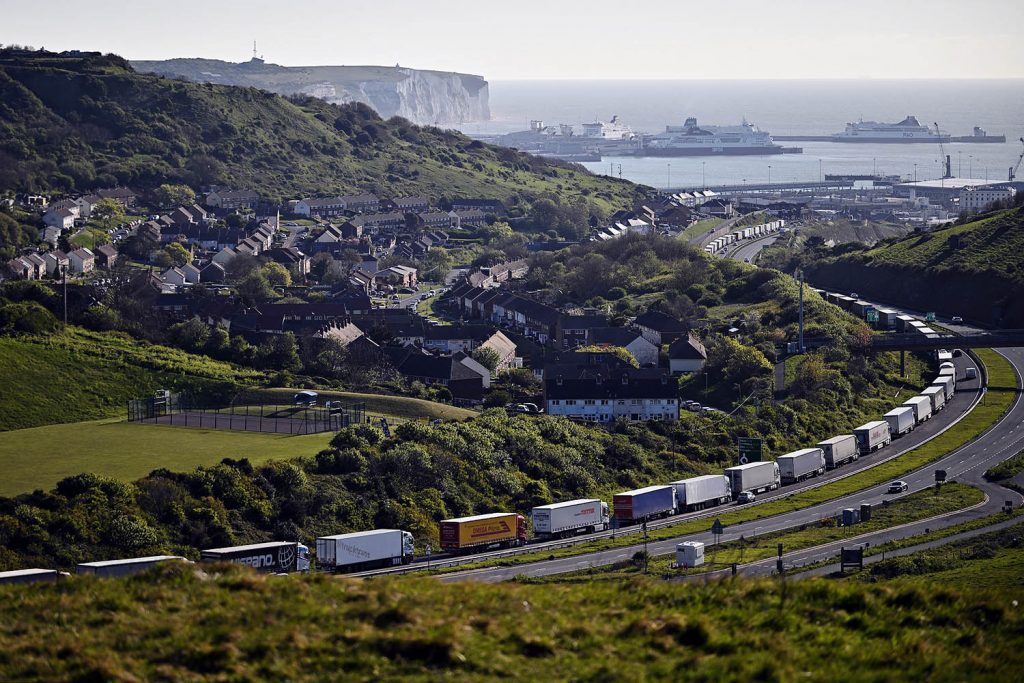
Subprime debt. Late last Friday Moody’s became the third US credit rating agency to downgrade the UK’s economic outlook from stable to negative since last month.
- That will raise the cost of debt service for the Treasury, which reported near-record borrowing of £20 billion last month – £3 billion more than forecast because of debt service costs already rising as a result of the mini-budget fiasco.
- Investors expect extra upward pressure on the cost of government borrowing because pension funds’ demand for long-dated bonds is falling: the defined benefit pension schemes that blew up the bond market last month are shrinking as a share of the overall pensions sector, and their liabilities fall as yields rise – so their appetite for long bonds is falling too.
- Despite the scrapping of most of the unfunded tax cuts in the mini-budget, there is still a £25 billion hole in the UK’s public finances, Bloomberg reports.
- And the pie is shrinking. Tom McTague, Matthew Goodwin and others note accurately that the UK’s economic heartburn can’t all be attributed to Brexit. But they don’t argue with the FT’s assessment, based on OBR numbers, that Brexit is on track to cut GDP by 4 per cent, output by £100 billion a year and government income by £40 billion a year.
Re-establishing a smooth trading relationship with Europe is a central task for the next UK PM if he or she genuinely wants growth. But Rishi Sunak has said he supports the Northern Ireland Protocol Bill, which would assert a right to tear up the protocol if deemed unhelpful for Britain. He’s also rumoured to have made assurances to Tory Brexit ultras about ditching the protocol in return for their backing.
If the price of power is a trade war with Europe, Moody’s downgrade could be the first of many.
Random thought: Brexit, in its grandest formulation, was about Britain’s place in the world. But since the referendum the world has changed. The scope for buccaneering free trade has shrunk as ambitions of Russian and Chinese ethno-nationalism have grown. Democracies are having to align themselves against tyrannies again much as they did in the Cold War. In these changed circumstances, does Britain really want to be flirting with irrelevance?


