What just happened
- Rishi Sunak said he would fix Liz Truss’s mistakes, and reappointed Suella Braverman as home secretary.
- Norway accused a Brazilian researcher in Tromso of spying for Russia.
- Researchers said fear of catching Covid had cost the US economy $250 billion in the first half of this year.
Last night Russia took its latest fiction to the UN. It made the same claim to a closed meeting of the Security Council that its defence minister made to his counterparts on Sunday – that Ukraine may be about to use a dirty bomb.
Translation: Russia may be about to use a dirty bomb and blame it on Ukraine.
Anything that spreads radioactive material with a non-nuclear explosion qualifies as a dirty bomb. Everyone involved in the tense signalling of military intentions between Russia and the West knows the idea Ukraine is planning to use one is baseless, but Moscow peddles it anyway. Why?
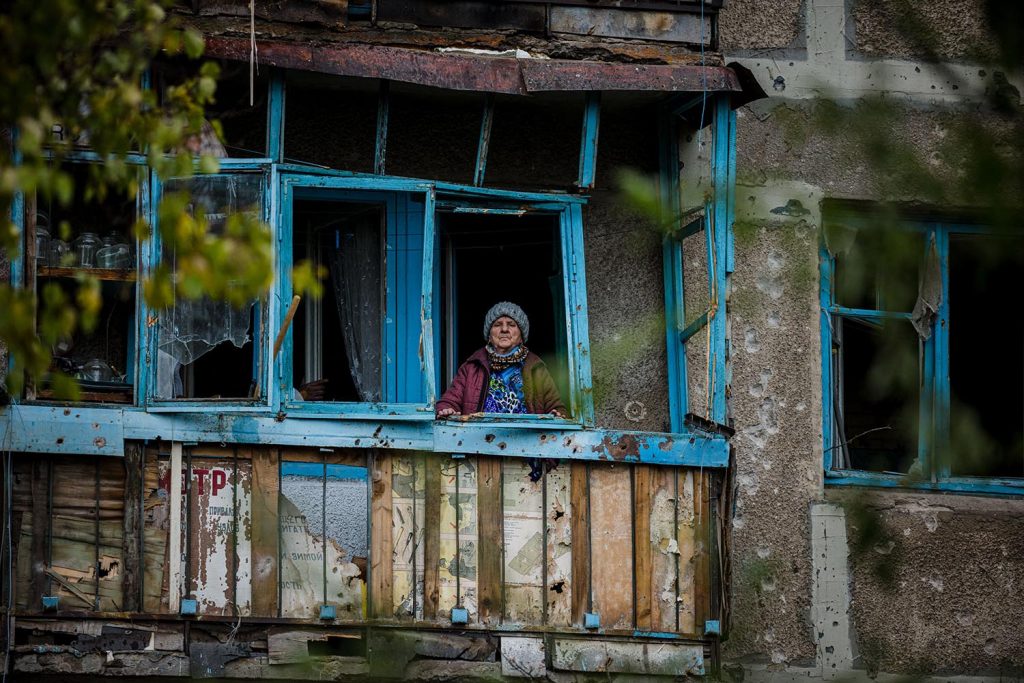
Kherson. The war is going badly for Russia in Bakhmut in the east but more significantly on the approaches to Kherson in the south.
- Ukrainian forces have retaken 90 villages in the Kherson region and Russia’s position in the north of the region is now untenable, according to the Institute for the Study of War.
- Russian troops were yesterday reported to be taking up defensive positions on the east bank of the Dnipro river, either as a feint or possibly as a prelude to retreat from Kherson city on the west bank.
- In the meantime the Russian army is preparing Kherson for urban combat, but the mobilisation of 300,000 extra troops Putin announced last month has so far failed to produce battle-ready reinforcements.
- Kherson was the only major city taken in the initial Russian offensive. It straddles an important northern access route to Crimea and controls the peninsula’s water supply. To lose it would be a strategic calamity and a personal humiliation for Putin, who is therefore considering his escalation options. A dirty bomb is one but he would need a pretext. Hence the lie.
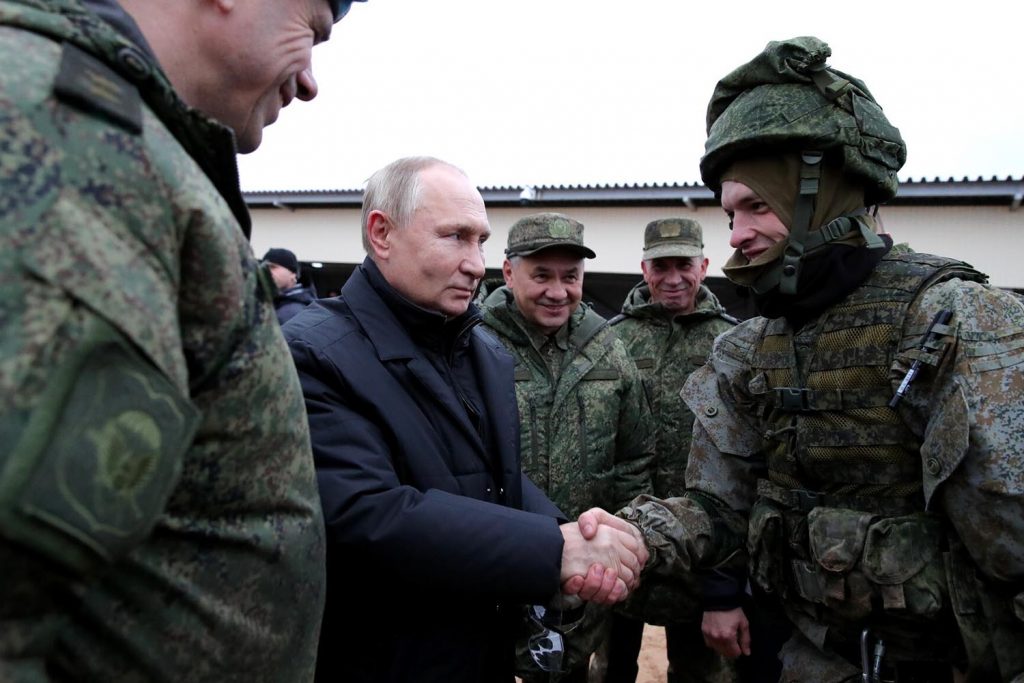
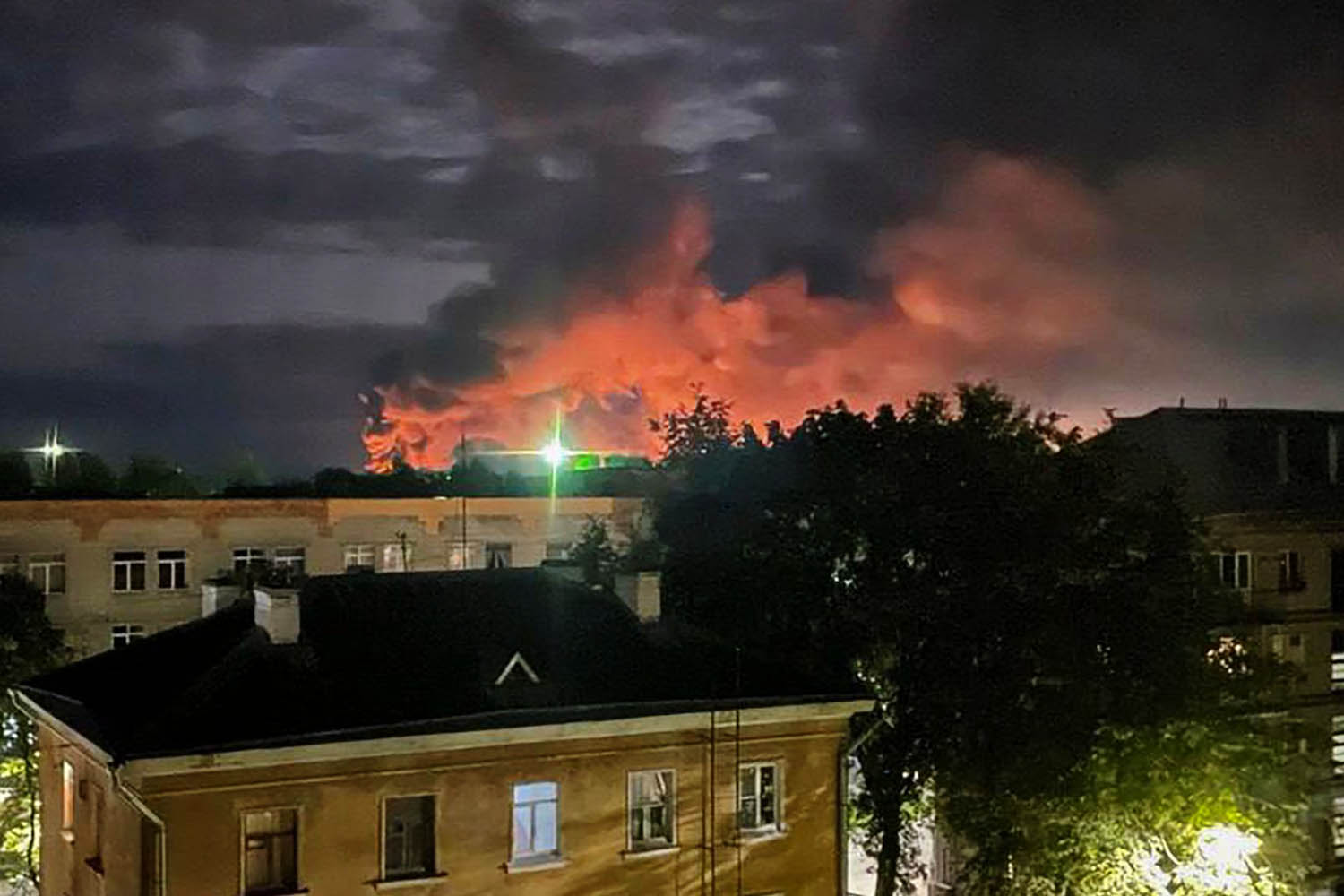
Putin’s domestic audience. With no military success to show to the Russian population, Putin’s top military officials have resorted to terrorising civilians and attacking Ukraine’s power grid instead, but:
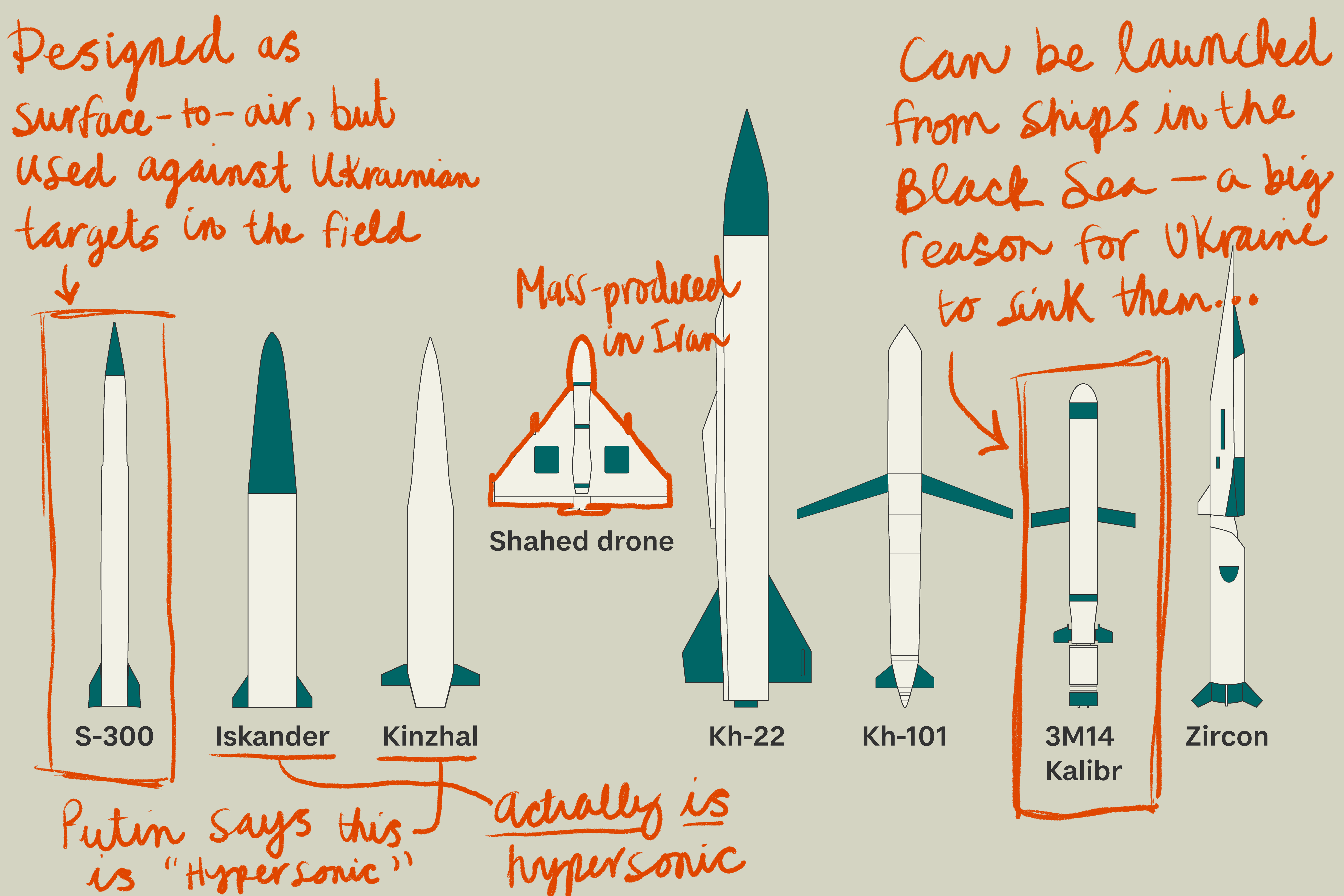
- They are running out of missiles. Experts say more than half of Russia’s pre-war stock of Iskander cruise missiles has been used and they are hard to replace.
- Criticism of the war effort from Russian military hawks, TV propagandists and normally pro-Kremlin military bloggers is growing, and Putin needs new ways to demonise the enemy.
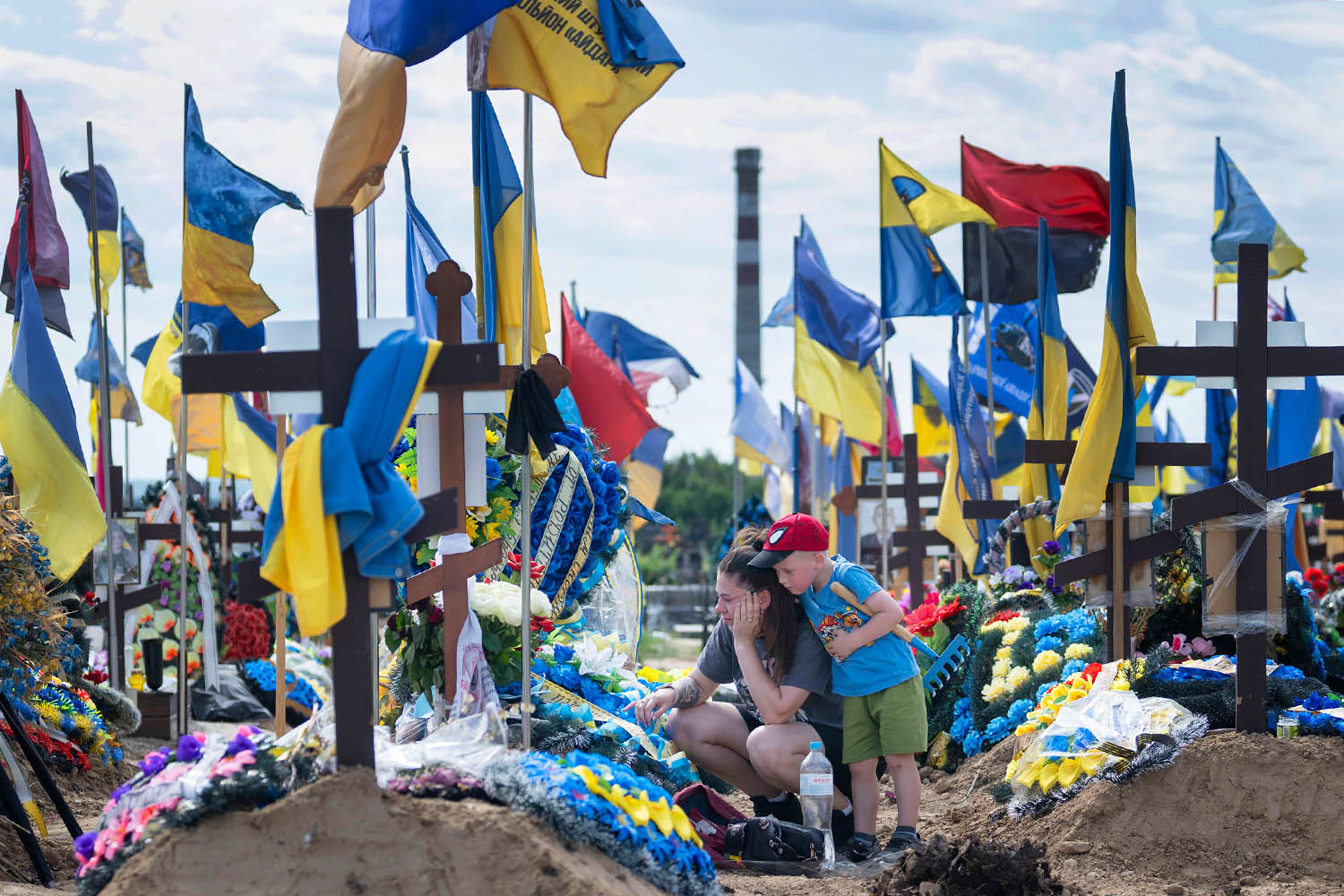
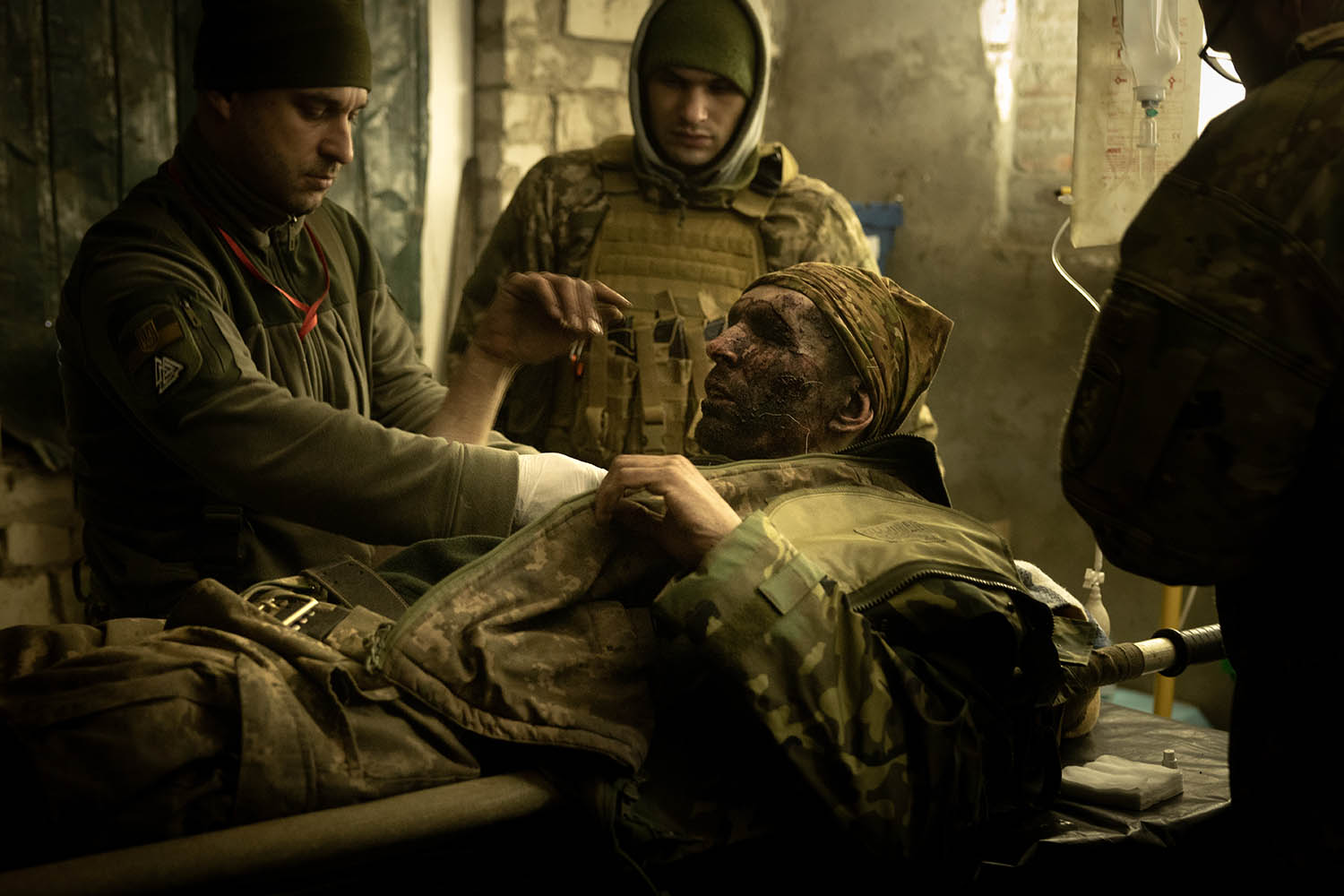
- He also needs to keep the army onside as its losses pass an estimated 60,000 killed in action. The option to “escalate to de-escalate” is a central plank of Russian nuclear doctrine, not least to limit Russian military casualties. The dirty bomb scare signals to his generals he is considering just that.
Putin’s overseas audience. The same signals are intended to make western governments think twice about sending more weapons to Ukraine, and to sow doubt at the UN. Russia’s deputy UN ambassador told reporters he was satisfied to have “raised awareness” of the fake threat at the Security Council yesterday. He said he didn’t mind if Russia was accused of crying wolf “because this is a terrible, terrible disaster that threatens potentially the whole of the Earth”.
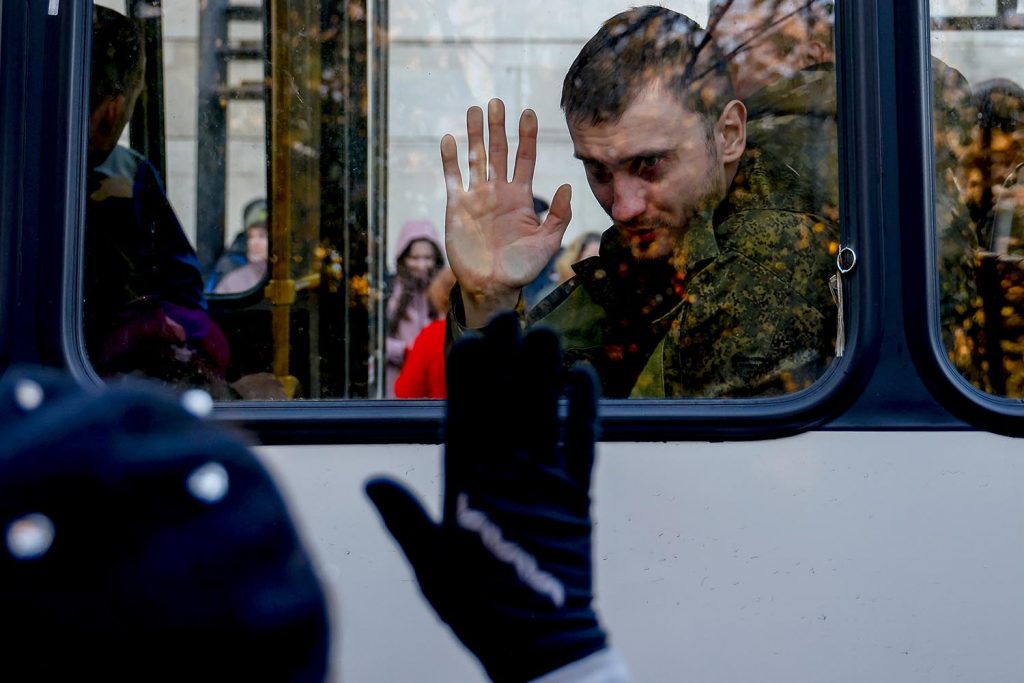
False flag form. This is a tried and tested strategy with roots in KGB false flag operations to establish pretexts for Soviet military action:
- The USSR shelled its own troops near Finland, blaming Finland and invading it in 1939.
- False flag attacks were used to justify the Soviet military intervention in Czechoslovakia in 1968.
- Explosions in residential buildings in Russia in 1999 were blamed without proof on Islamist Chechen rebels, leading to the second Chechen war.
- The deployment of Russian troops in Donbas in 2014 was supposedly in support of local people.
- Moscow issued multiple fake reports of “Polish mercenaries”, “British forces” and “Nato soldiers” going to attack Donbas before the February invasion.
The UN has heard false claims of imminent use of weapons of mass destruction from the US, too, in 2003. The context was different but one legacy of the Iraq war is a Russian narrative of western double standards that resonates in much of the developing world.
“If Russia says that Ukraine is allegedly preparing something, it means one thing,” says Ukraine’s President Zelensky. “Russia has already prepared all this.” A dirty bomb could contaminate air, soil and the Dnipro river, from which 25 million people get their water.
Isle of bad
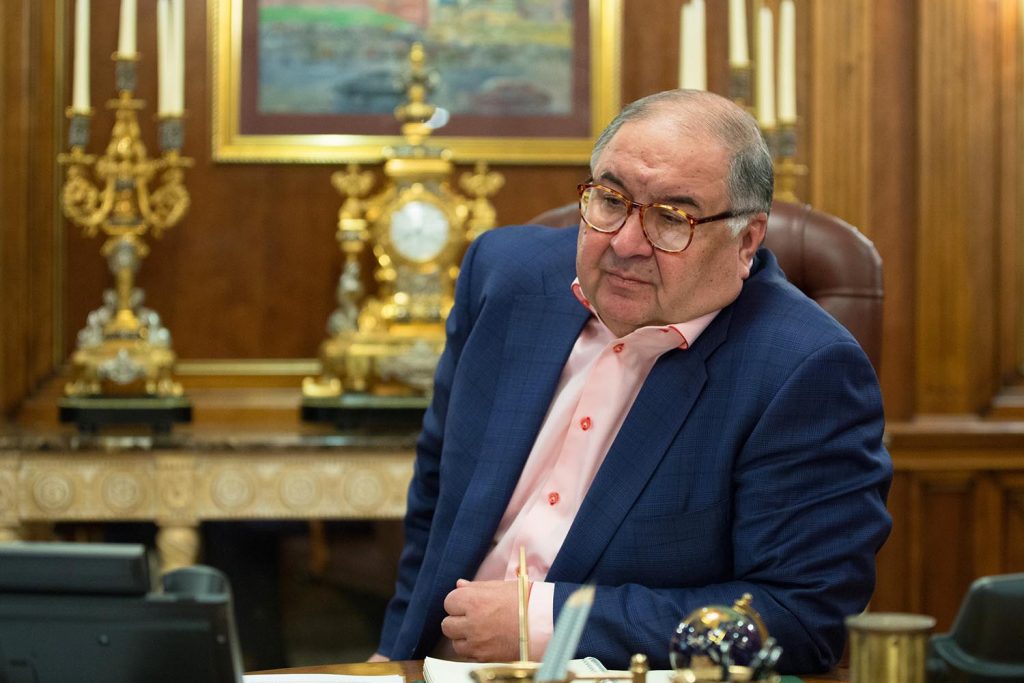
Alisher Usmanov, the former Arsenal owner, and Dmitry Peskov, Putin’s spokesman, are among the rich and ultra-rich Russians who’ve managed to stay airborne and invested in western companies despite being personally sanctioned as a result of the Russian invasion of Ukraine, a WSJ investigation has found. They’ve done so via a firm based in the Isle of Man called Bridgewaters, whose MD denies any involvement in sanctions evasion but which the Journal says is at the centre of an international web of shell companies helping people like Usmanov prevent their private jets being seized and keep potentially valuable stakes in western companies. Usmanov’s jet is a giant four-engined Airbus worth $350 million spirited from Munich to Uzbekistan before sanctions enforcers could get their hands on it.
Meta pressure
Meta has lost the confidence of its investors, says Brad Gerstner, who is one of them. Gerstner’s Altimeter Capital held 2 million Meta shares as of June and he’s now published an open letter telling Mark Zuckerberg his investors’ mounting scepticism has been vindicated by a “sizable miss in financial results and continued under-performance throughout 2022”. Meta stock is down over 61 per cent so far this year. Its ad revenue is falling as marketers cut spending in anticipation of a recession. It faces multiple court cases and a never-ending stream of bad press. Gerstner wants it to cut its headcount by 20 per cent and slash spending on virtual reality, which Zuckerberg calls the metaverse, to $5 billion a year at most. He’s currently planning to spend 20 times that.
Health of the nation
Up to 5 million people in the UK will be invited to have their health records, blood pressure, weight and DNA recorded and analysed for the Our Future Health project. Chaired by Sir John Bell and part-funded by government, the goal is to create a “sandbox” for researchers to test diagnosis and prevention strategies for illnesses like cancer and dementia across large swathes of the population. The study is initially being offered to select UK regions, including Manchester and London, but will eventually be rolled out country-wide and continued for decades. If the project isn’t sustained the UK’s healthcare system, Bell says, will “collapse under the weight” of late-stage disease.
Endangered penguins
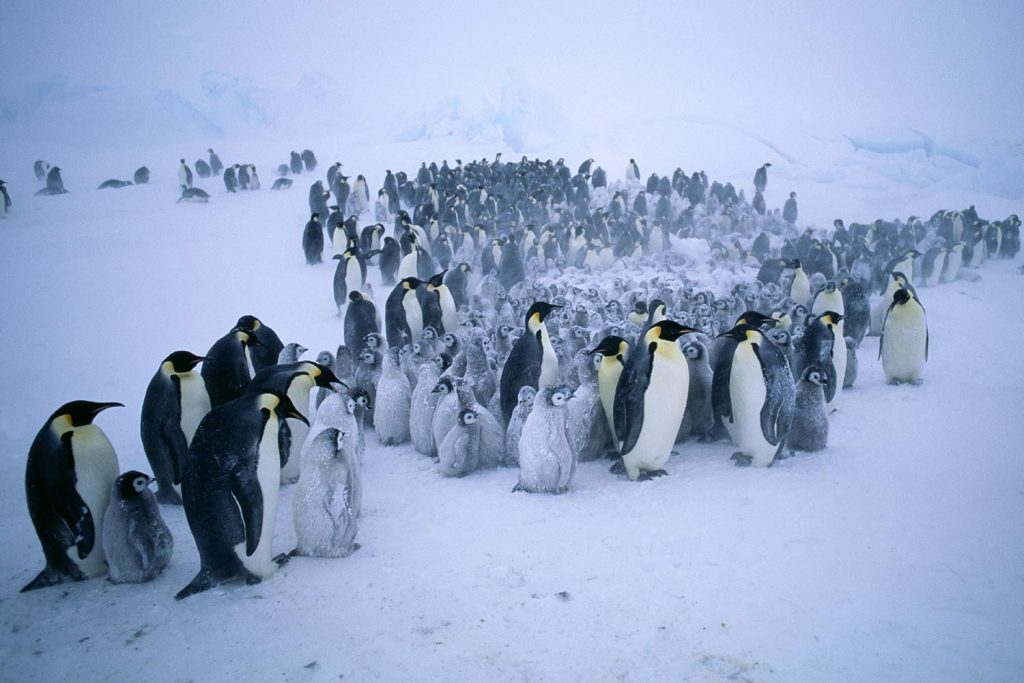
There are between 625,000 and 650,000 emperor Penguins in the wild but they could be virtually extinct by the end of the century because of global warming. They’ve therefore been classified as endangered under the US Endangered Species Act, but there’s little to be done to save them short of halting climate change because the world’s entire population of emperor penguins lives in Antarctica, for much of the year on melting ice. Emperors are the tallest penguins, growing to up to four feet. Males famously guard their eggs, one each at a time, while the females that lay them hunt for food. Antarctica’s second-largest emperor colony lost 10,000 chicks in 2016, drowned because of thin ice before their feathers could grow.
Kanye cut loose
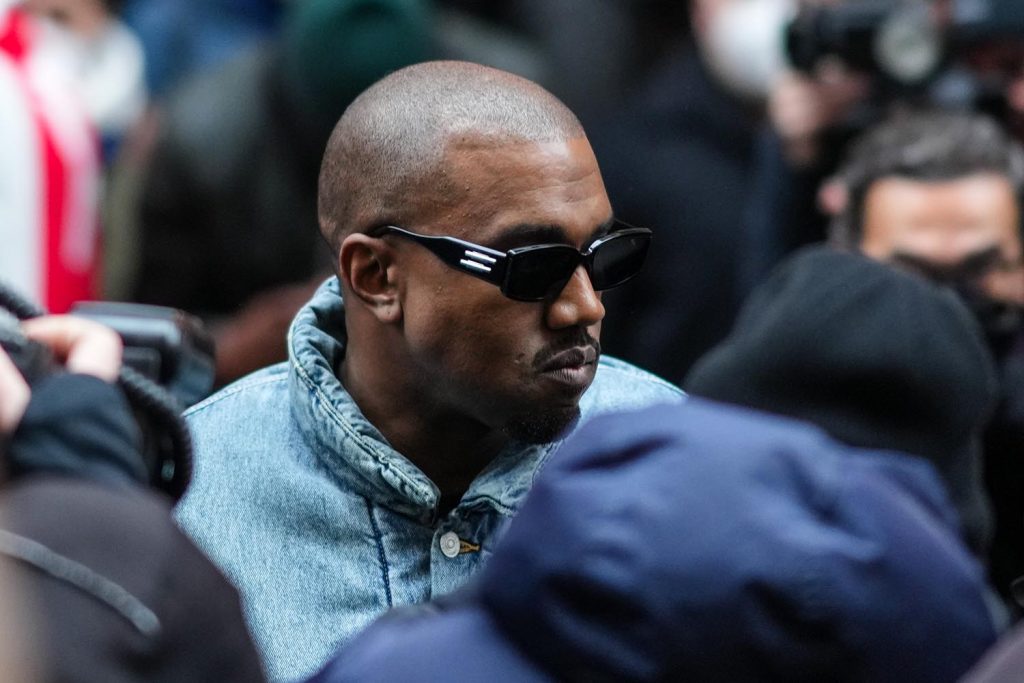
“I can say anti-Semitic things, and Adidas can’t drop me. Now what?” Now they drop you. Ye, the rapper formerly known as Kanye West, posted a series of antisemitic statements on his social media accounts last week, leading to Twitter locking his account and Instagram deleting his posts and restricting his profile. Following pressure online and Ye’s goading, Adidas has terminated its partnership with the rapper and will halt production of his Yeezy range. Financially, it will be painful for Adidas: the partnership delivered $1.7 billion in revenue in 2020.
Thanks for reading. Please share this round, send us ideas and tell us what you think. Email sensemaker@tortoisemedia.com.
Nina Kuryata
@NinaKuryata
Additional reporting by Phoebe Davis, Sebastian Hervas-Jones, Giles Whittell and James Wilson.
Photographs Getty Images