Sensemaker Daily


What just happened
- Russian soldiers blew up the Antonivsky bridge on the left bank of Dnipro during the retreat from Kherson.
- France suspended a migrant deal with Italy after Rome refused to let a NGO ship dock.
- Microsoft co-founder Paul Allen’s art collection fetched a record $1.5 billion at auction.
Across Britain, more than a million public sector workers are being balloted for strike action in a wave of industrial unrest not seen for decades.
A nurses’ strike is expected to start before Christmas, when demand for healthcare peaks and at a time when the National Health Service is already breaking records for poor performance:
- 7.1 million people in England are waiting to start hospital treatment, the highest figure since records began in 2007;
- A record 43,792 people waited longer than 12 hours in A&E in October;
- Burn and stroke victims are waiting more than an hour on average for an ambulance, against a target of 18 minutes.
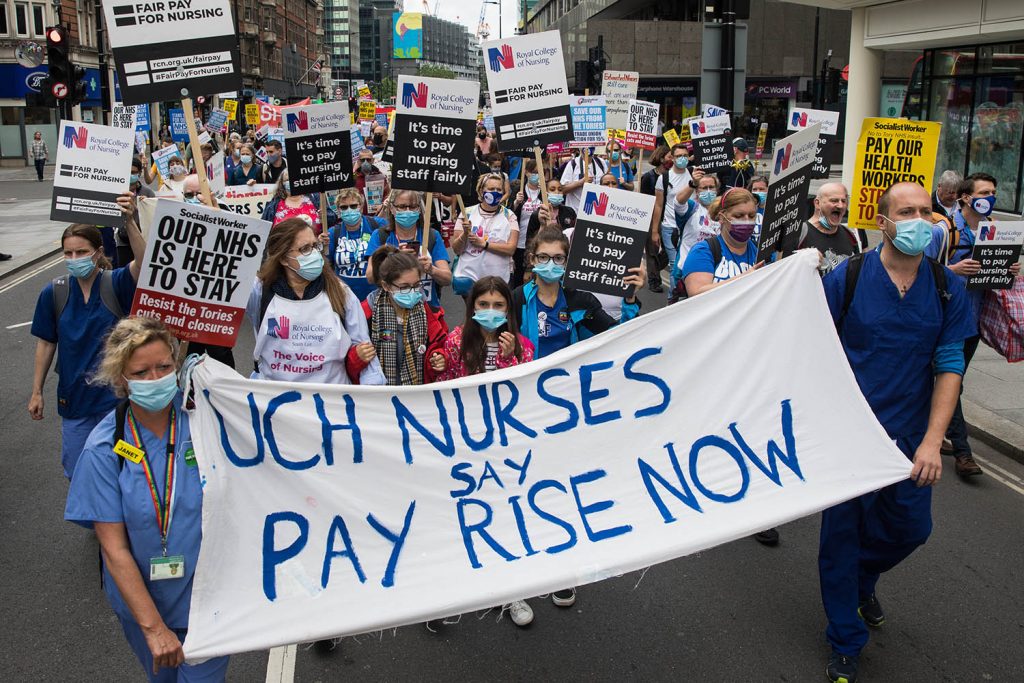
Victoria, who did not want to give her last name, works part-time as a nurse in a mental health hospital in London, topping up her hours with shift work to try and pay the bills while managing childcare. She’s had to visit food banks as prices rise. “It has become overwhelming,” she said.
The Royal College of Midwives opens its ballot today, while the GMB Union is balloting around 15,000 ambulance drivers.
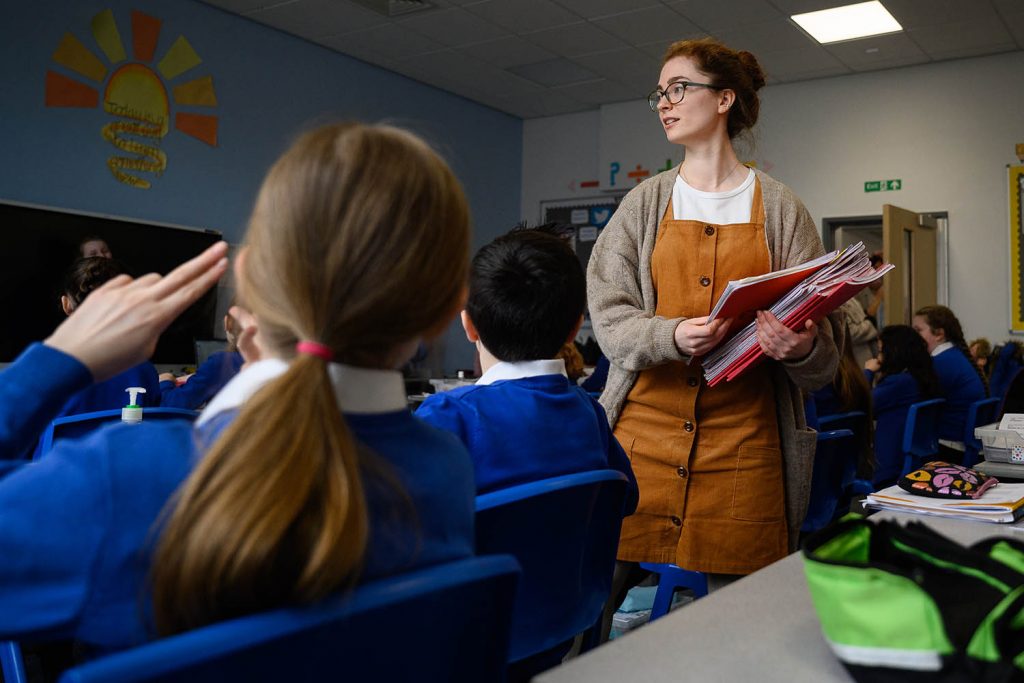
Winter of discontent 2.0. It’s not just the NHS. Around 100,000 civil servants have voted to strike across 126 public sector workplaces, from Whitehall to the coastguard to job centres. Teachers in England and Wales could strike in the New Year; the biggest teaching union in Scotland said nearly 50,000 members would walk out on 24 November.
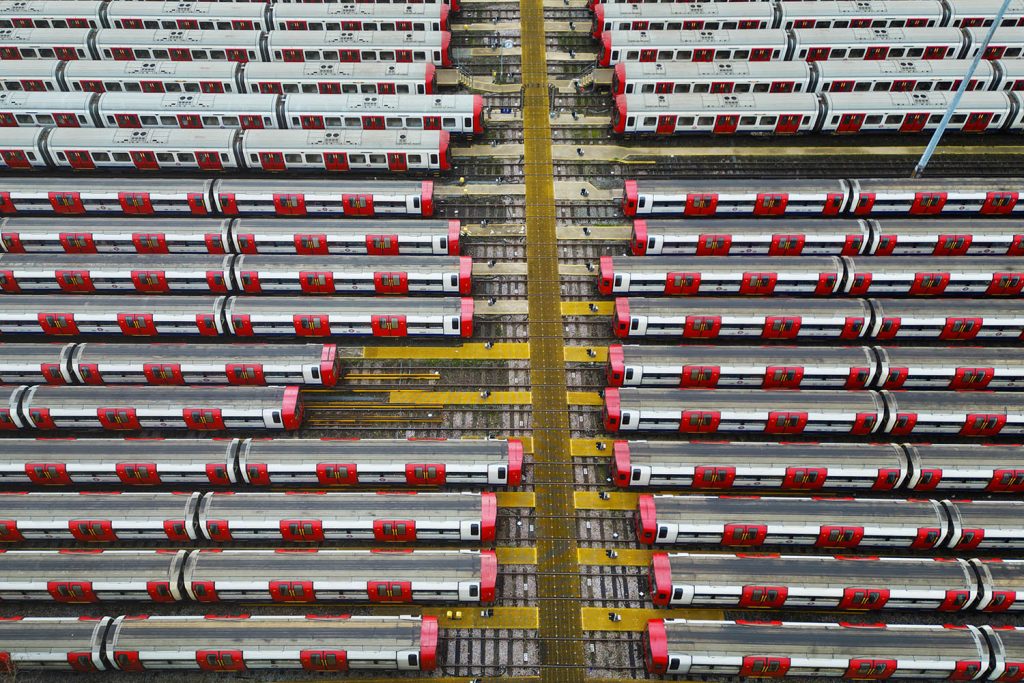
There are also strikes planned across the private sector: 70,000 university staff from 150 institutions will strike later this month. Royal Mail workers plan to strike (again) on 25 November (Black Friday) and 28 November (Cyber Monday) to disrupt Christmas shopping sales. Nearly 10,000 train drivers will strike on 26 November, Aslef union’s fifth strike of the year.
What do they want? More money. Unions want pay rises to at least match inflation, which hit a 40-year high of 10.1 per cent in September. The government capped civil service pay rises at 3 per cent and offered nurses and teachers a pay rise of around 5 per cent. There have been calls for better job security; university staff want pension cuts to be scrapped. In hospitals, Covid “took away a lot of goodwill”, one doctor said. A pay rise, says the Royal College of Nursing, would help stem a flood of departing staff – there are currently 47,000 unfilled nursing posts in England.
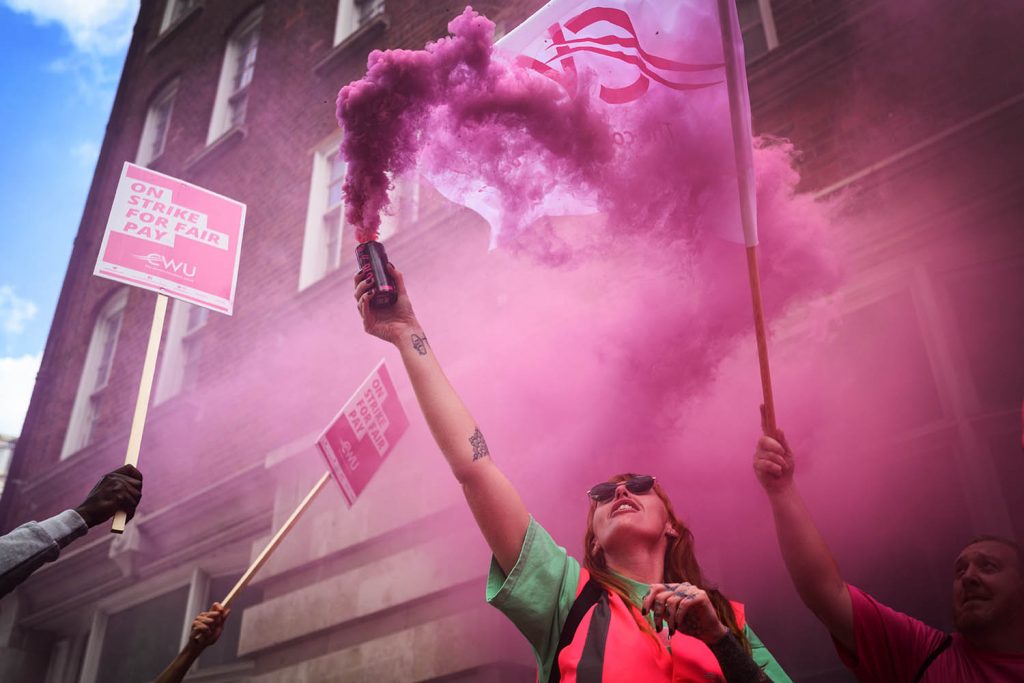
Synchronised strikes There were around 6.6 million union members in 2020, down from a peak of 13.2 million in 1979 when the last “winter of discontent” crystallised the UK’s bleak sense of itself. But there have been calls for coordinated strike action to supercharge the disruption. This will test public support – polls suggest nurses have the strongest backing.
People shouldn’t be surprised, said Francis Green, a professor of work and education economics at University College London. While wages rose by nearly 12 per cent in the decade to 1985, today’s inflation, unmatched by pay rises, means the “largest fall in real wages in living memory”.
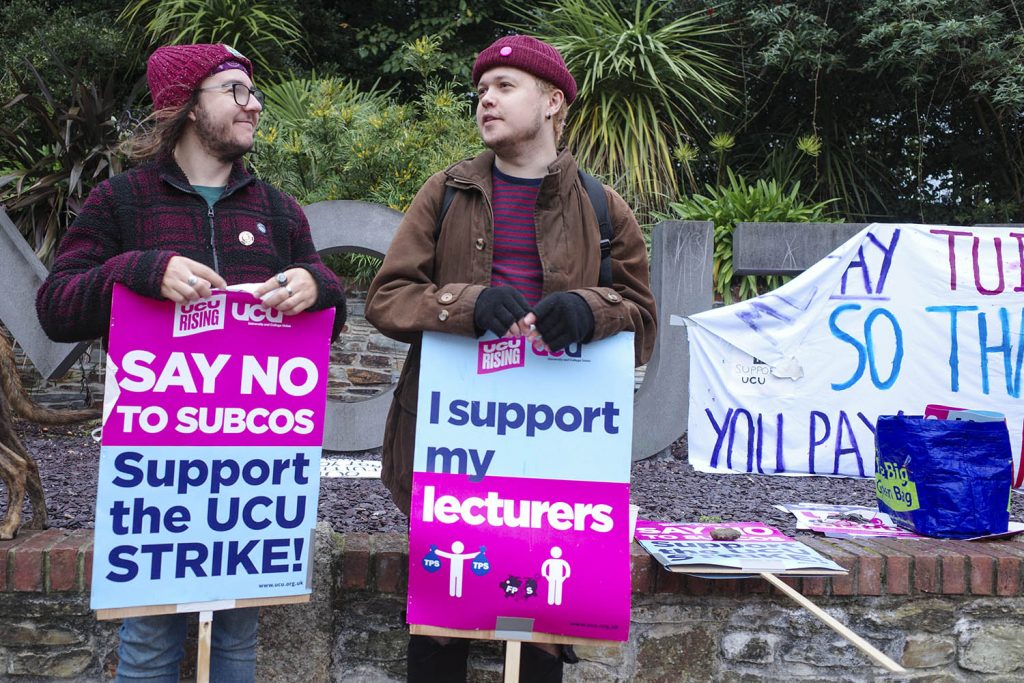
Picket lines The prospect of strikes puts both the Conservatives and Labour on an awkward footing. Downing Street said that nurses’ 17.9 per cent pay rise demand – costing an estimated £9 billion – was “not deliverable”. Jeremy Hunt is likely to announce a further squeeze on public sector spending in next week’s Autumn Budget.
But the looming strikes also pose a problem for Labour. Shadow health secretary Wes Streeting did not say he would have met the pay demand. Party leader Sir Keir Starmer later said he didn’t want to make promises he couldn’t keep. It’s unclear whether the man trying to present himself as prime minister-in-waiting will let shadow frontbenchers join the picket lines.
The Tories do not have the monopoly on in-fighting. Diane Abbott tweeted that Starmer’s comments were a “disgrace”. A winter of strikes – and possible wider unrest – will unsettle both parties, never mind the public.
The Readout
Plastic: can Africa avoid making the West’s mistakes?
Can African consumers benefit from plastics while shielding themselves and the environment from the damaging side-effects? Read a summary of the discussion at Wednesday’s ThinkIn.
China relaxes Covid rules
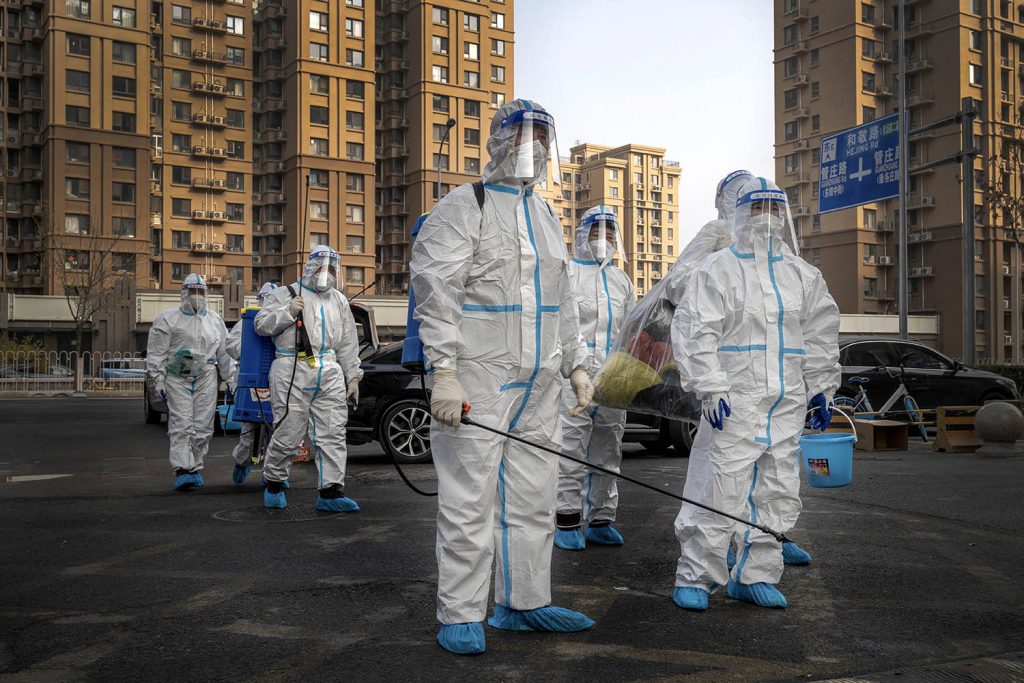
Beijing reduced Covid quarantine requirements for close contacts and international visitors on Friday, in the first slight easing of Xi Jinping’s zero-Covid policy that has pummelled the country’s economy. China’s cabinet reduced the mandatory quarantine period for close contacts of positive Covid cases and overseas arrivals from seven days to five, with three further days of home isolation. It also removed a penalty for airlines that bring in infected passengers. Even the slight relaxations sparked a giddy market response: the yuan hit a seven-week high and the blue chip CSI 300 Index rose 2.8 per cent, while Hong Kong’s Hang Seng Index jumped more than 7 per cent, its biggest daily gain since March.
Desk-bound bird
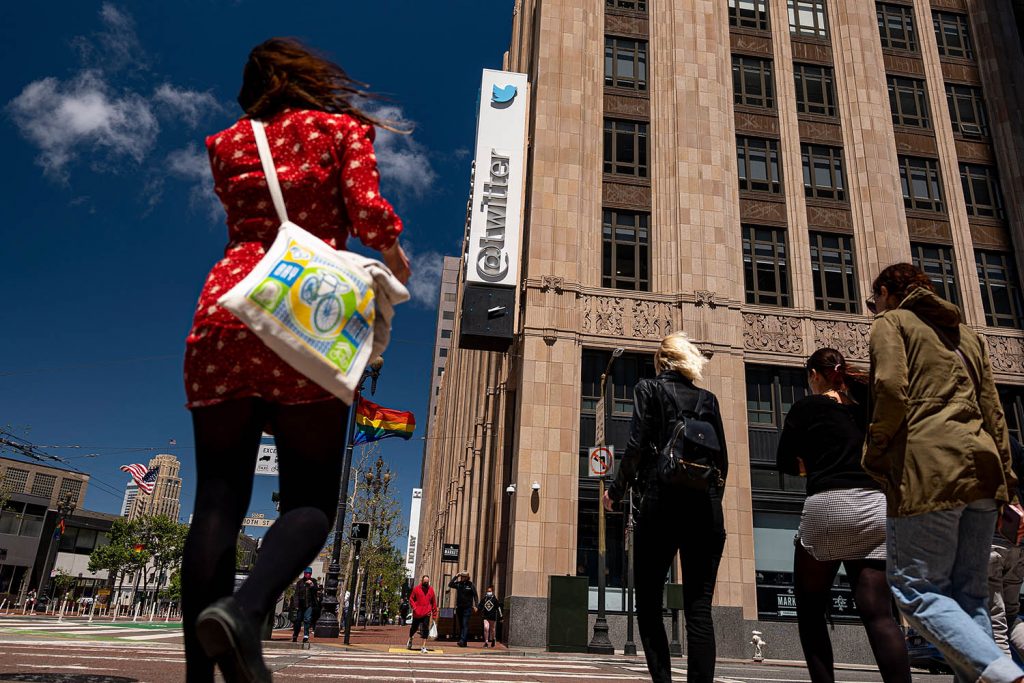
“Wherever you feel most productive and creative is where you will work and that includes WFH full-time forever,” Parag Agrawal told staff in March, when he was the CEO of Twitter. Yesterday employees received an email from new boss Elon Musk, informing them that “remote work is no longer allowed, unless you have a specific exception.” Like the policy at Tesla, another of Musk’s companies, staff must be in the office for a weekly minimum of 40 hours, as part of an attempt to turn the platform around to counter the “massive” drop in revenue that followed the purchase. Exceptions, such as being “physically unable to travel”, will have to be approved by Musk himself. After the email, a lawyer for Twitter’s privacy team said he did not believe that Twitter employees had an obligation to return to office – posting phone numbers for the Federal Trade Commission and Twitter’s ethics hotline. The bird may not be so free after all.
Final countdown
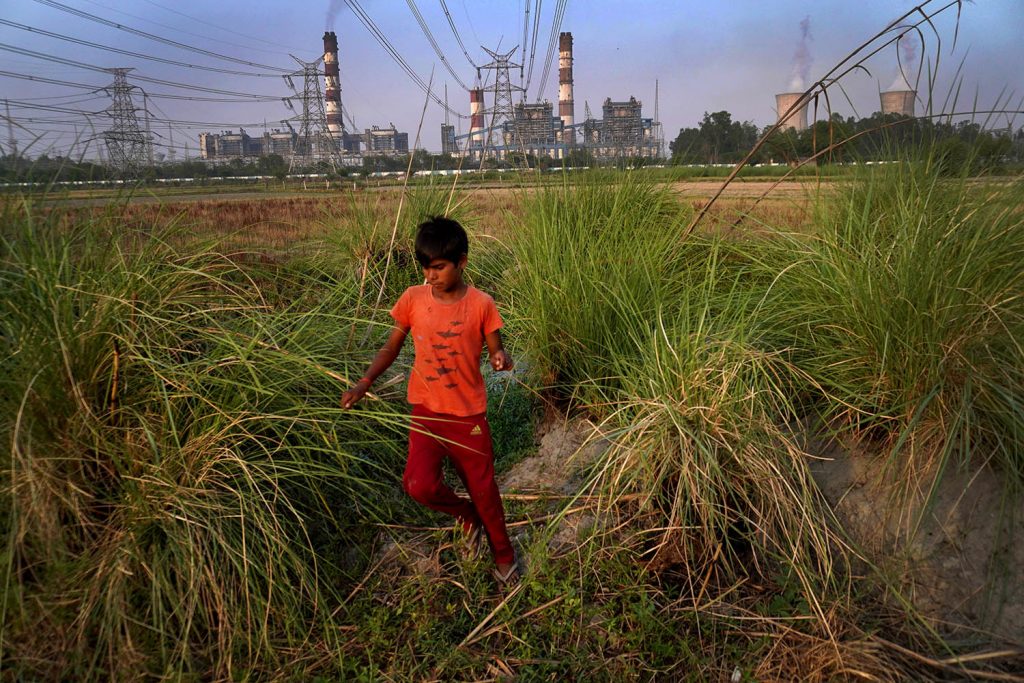
The goal of keeping global heating to 1.5C above pre-industrial levels is slipping away. Scientists presented findings at the Cop27 summit in Egypt that showed the world is on course to breach the 1.5C limit set in Paris in just nine years. The report, published by the Global Carbon Project, estimates that global carbon emissions from energy will increase by 1 per cent this year, taking them above pre-pandemic levels. Emissions in the US and India have increased, although China’s emissions fell, likely due to the country’s strict Covid restrictions. Dr Robin Lamboll, a climate science research associate at Imperial College London, said the report “should remind negotiators at Cop27 that their actions so far have been inadequate”.
Plastic: can Africa avoid making the West’s mistakes?
Can African consumers benefit from plastics while shielding themselves and the environment from the damaging side-effects? Read a summary of the discussion at Wednesday’s ThinkIn.
Targeting cancer
Sixteen cancer patients had their immune cells redesigned to attack their tumours, in a “leap forward” for developing personalised treatments for cancer. Researchers used CRISPR gene editing to alter immune cells so they would recognise mutated proteins specific to each patient’s tumour. It was tested in people with solid tumours, including in the breast and colon. The treatment is hugely complicated and in some cases the process took more than a year. The disease stabilised in five patients; researchers said it would take a larger study to work out the correct dose and fully gauge the treatment’s effectiveness. The results were published in Nature.
The end of the affair
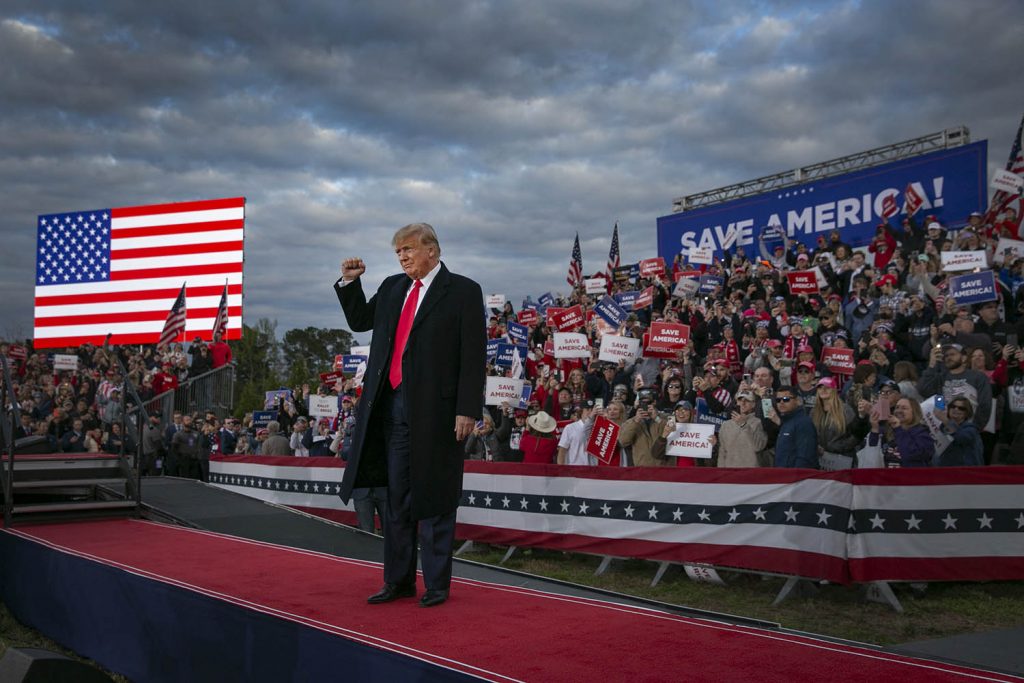
Rupert Murdoch decided to dump Donald Trump after the 2020 election, according to Maggie Haberman, a reporter for the New York Times. “We should throw this guy over,” she reported Murdoch as saying, frustrated at Trump’s refusal to concede. Now the affair is definitely finished, after the Republican party’s disappointing performance in the midterm elections. Murdoch’s New York Post released a front page calling the former president “Trumpty Dumpty” who “had a great fall”. The Wall Street Journal, also owned by Murdoch’s News Corp, published an editorial calling Trump “the Republican Party’s biggest loser”. Even Fox News quoted conservatives saying it’s time to “move on”. Trump responded with a furious statement on Thursday criticising the “no longer great New York Post” for falling behind Ron deSantis.
Thanks for reading. Please share this round, send us ideas and tell us what you think. Email sensemaker@tortoisemedia.com.
Jess Winch
@jswinch
Cat Neilan
@CatNeilan
Additional reporting by James Wilson
Photographs Getty Images