
What just happened
- The G20 condemned Russia’s war in Ukraine in a draft communique from Bali.
- Australia said Novak Djokovic would be given a visa for the 2023 Australian Open even though he has still not been vaccinated against Covid.
- The UN said the earth’s human population reached eight billion today.
Here are three items for Donald Trump’s ex-presidential daily brief on the day he’s expected to announce a third run for the White House:
- Kari Lake lost her bid for governor of Arizona. Lake was hotly tipped for success in her state but also as a future presidential contender, and endorsed by Trump.
- Chris Christie, the former New Jersey governor, said he’s “tired of losing” after Republican defeats and disappointments in 2018, 2020, 2021 and 2022. Christie blamed them all on Trump.
- Mo Brooks, an Alabama congressman once fiercely pro-Trump, called him “dishonest, disloyal, incompetent, crude and a lot of other things,” and said another Trump presidential nomination would be a “bad mistake”.
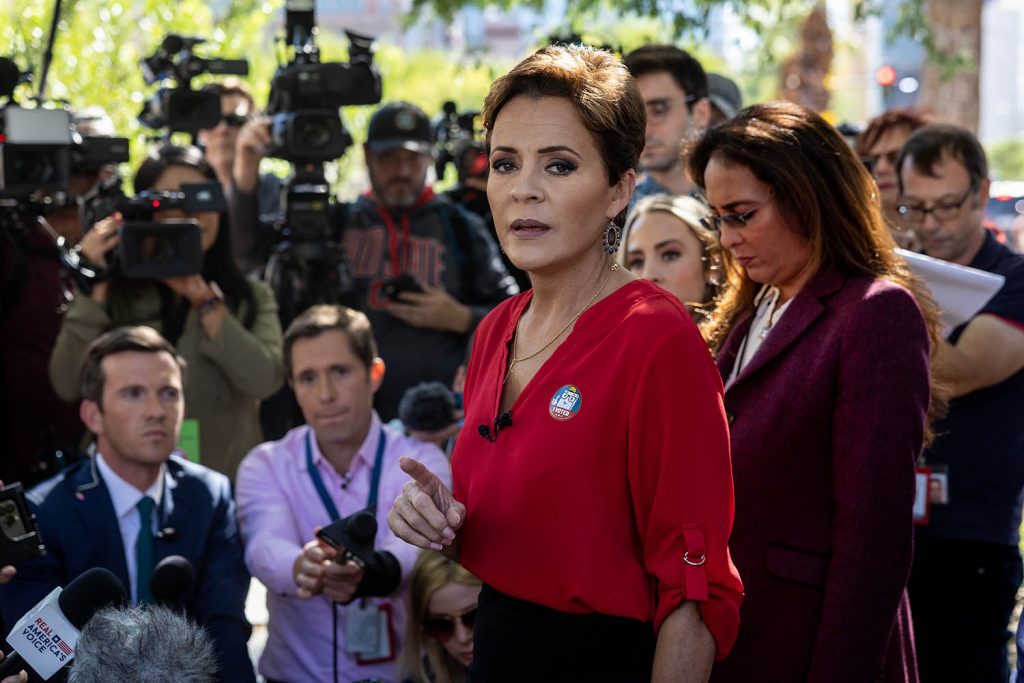
The theme of Trump as loser has hardened into received wisdom in Republican circles outside Mar-a-Lago this past week.
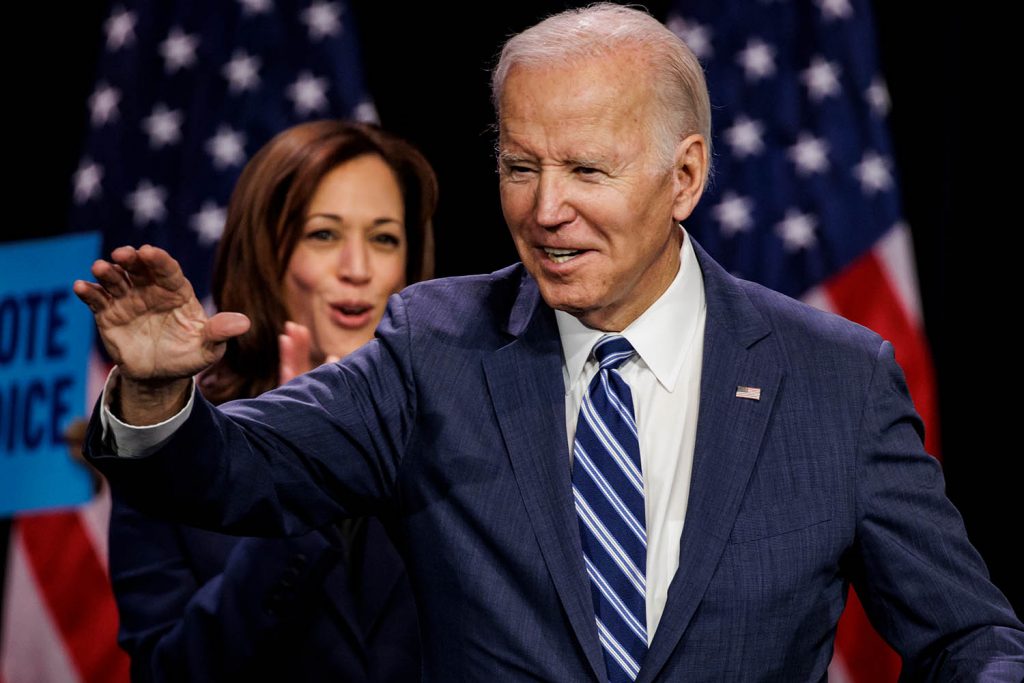
The theme of Biden as winner? Not so much – in either party – possibly because of cognitive dissonance brought on by his bumbling style. But there’s plenty of supporting evidence:
Biden has beaten Trump not once but, effectively, twice. Last week’s midterm results were the best for an incumbent president in 20 years and his party was running against hundreds of candidates hand-picked by Trump. In addition Biden has
- campaigned for and passed America’s first substantial climate action bill;
- secured bipartisan support for the only significant US gun control legislation in 30 years;
- presided over the strongest post-Covid economic recovery in the G7;
- done more (far more) than any other western leader to help Ukraine beat back the Russian army; and
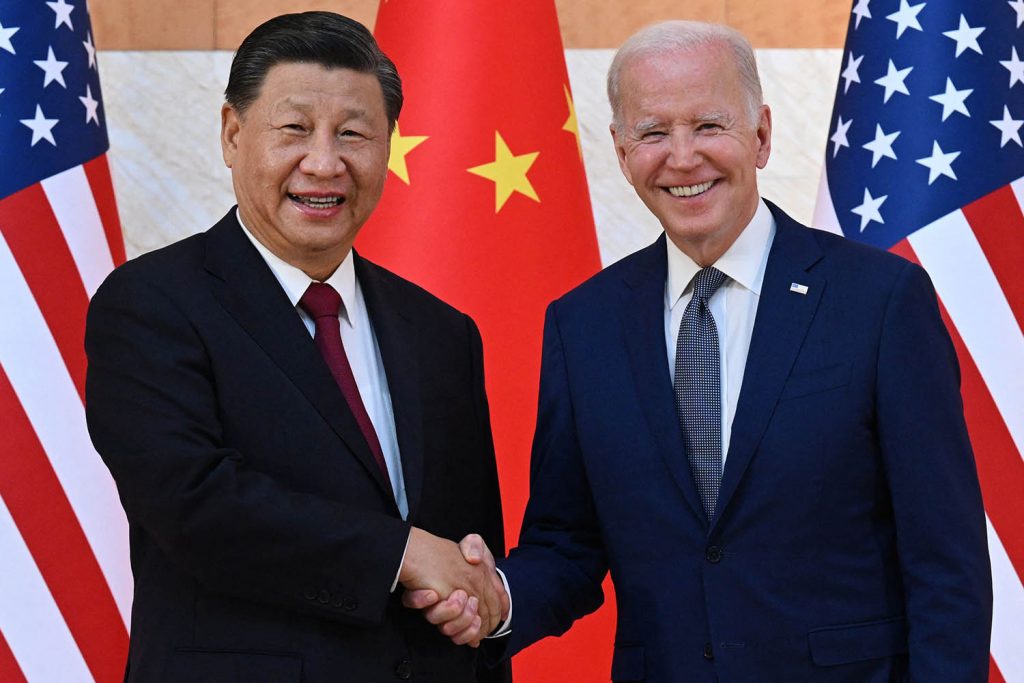
- ended a three-year freeze in US-Chinese relations with a meeting with Xi Jinping in Bali yesterday at which Xi appeared to step back from threatening imminent war over Taiwan.
What a difference a year makes. Last autumn Biden was still hobbled domestically by Covid, eclipsed politically by the backwash from the January 6th insurrection and reeling internationally from the fiasco of America’s abrupt withdrawal from Afghanistan, for which he was personally responsible as commander-in-chief as well as president.
Who knew that a year on American democracy would get its mojo back under the same president, who’s now 79 and in all candour not looking a day younger?
Most voters aren’t yet willing to give him much credit – his 41 per cent approval rating is at Trump and Truman levels for this stage in a first term – but they may yet cut him some slack.
- He has hired well. William Burns at the CIA, Lloyd Austin at the Pentagon and Jake Sullivan, his national security advisor, have risen to the Russian challenge. His press secretaries, Jen Psaki and Karine Jean-Pierre, have been exemplary after the parody press secretaries of the Trump term. His cabinet has been scandal-free.
- He has worked with Congress. Unlike Obama, Biden has been able to reach across the aisle on guns and climate.
- He has stayed on message for the midterms – jobs, healthcare and abortion rights (on which more later) – and ignored the goading of the far-right. No Democrats campaigned to defund the police.
He has been lucky with Zelensky and the Ukrainian people, with the madness of Putin, the dysfunction of the Russian military, the arrogance of the US Supreme Court and the absurd vanity of Trump.
But presidents make their own luck, and Biden is becoming a surprisingly successful president. This complicates the question of whether he should run for a second term but simplifies the one about where American elections are won – from the centre. Which is why Mo Brooks is right about Trump.
Buffett bets on chips
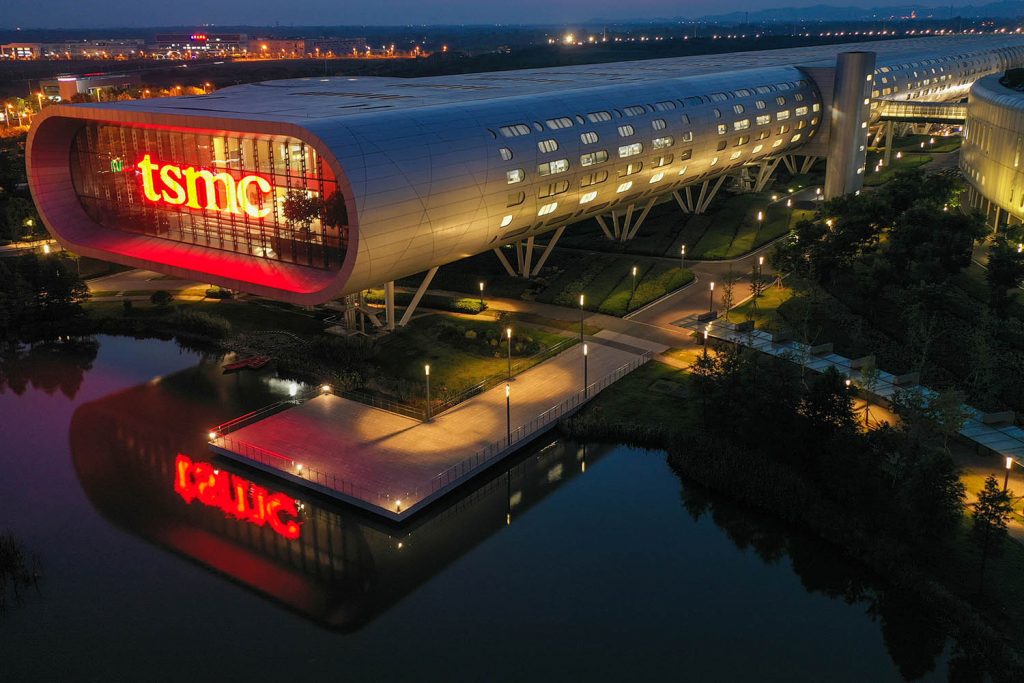
Warren Buffett spent years avoiding the tech sector, saying he didn’t want to invest in businesses he didn’t fully understand. That stance has shifted: Buffett’s investment firm, Berkshire Hathaway, has its largest holding these days in Apple. Now Berkshire Hathaway has bought a $4 billion stake in the Taiwan Semiconductor Manufacturing Co. (TSMC), the world’s leading chipmaker – and a company at the centre of a tech supremacy battle between the US and China. TSMC’s shares rose by 9 per cent on the news, after hitting a two-year low last month due to falling chip demand.

The human blip
“Where are they?” demanded Nobel physicist Enrico Fermi in 1960, wondering why the human race had not yet found alien life in such a vast universe full of potentially habitable planets. Scientists have suggested a reason: that intelligent life tends to wipe itself out before finding other forms of intelligent life – and humans could be next. Nuclear war, pandemics and artificial intelligence are among the potential dangers listed by Dr Jonathan Jiang, an astrophysicist at California Institute of Technology, and four colleagues in a discussion paper that has not yet been peer-reviewed. It draws on the Great Filter theory, first proposed in 1996 by the economist Robin Hanson.
Rainforest alliance
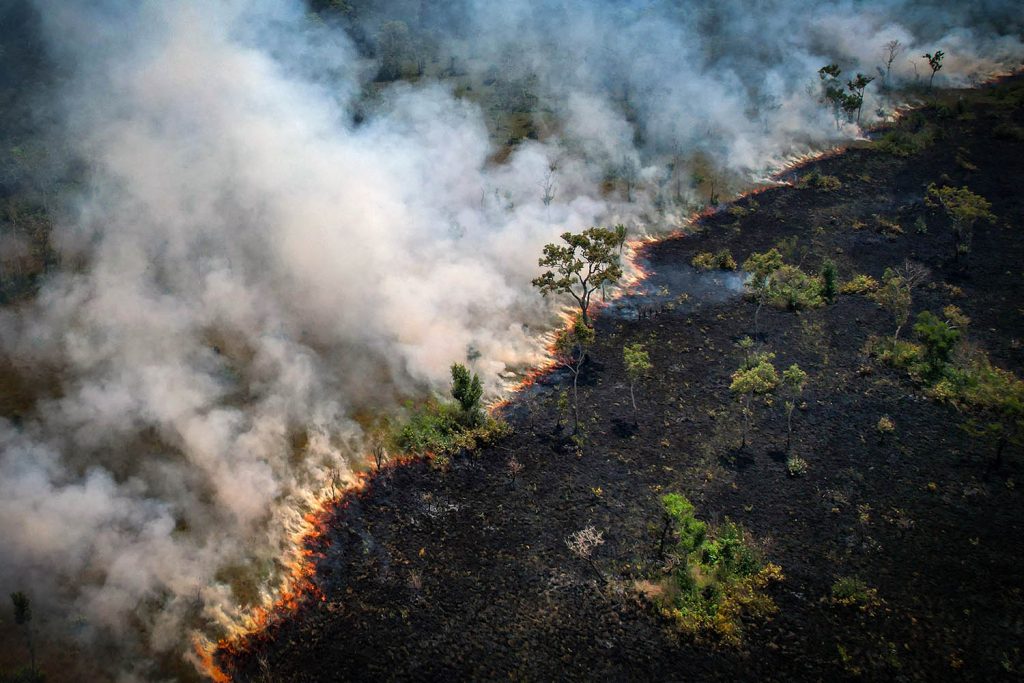
Brazil, the Democratic Republic of Congo and Indonesia host over half the world’s rainforests. They’ve now pledged to work together to create a “funding mechanism” to save them. Translation: they will join forces to increase pressure on rich countries to pay them not to cut down trees. Brazil’s president-elect, Luiz Inácio Lula da Silva, is speaking at Cop27 tomorrow after pledging to end deforestation in the Amazon, which hit a 15-year high under president Jair Bolsonaro. This is easier said than done – Brazil recently elected the most conservative Congress for decades, with Bolsonaro’s party dominant in both houses. The same can be said of the new alliance’s agreement, which has no firm funding behind it. But, following Bolsonaro’s defeat in last month’s presidential election, large sums offered and then withdrawn by Norway are back on the table.
Sex education
The High Court in Cardiff will hear a legal challenge from campaigners in Wales today over mandatory relationships and sexuality education (RSE) in schools. Claimants from the Public Child Protection Group representing more than 5,000 parents and grandparents say that the new RSE code, in place across the curriculum since September, means children from age 3 will be taught about gender ideology and exposed to material that would overly sexualise children. They also complain that parents are unable to remove children from RSE, as was previously possible. Wales’s education minister said this summer that the group’s claims could risk “real damage” to younger children’s education and that they would “absolutely not be taught about romantic or sexual relationships”. To do otherwise, he said, would be prohibited by the code. A previous attempt by campaigners to stop mandatory RSE in Wales was blocked in August.
G19
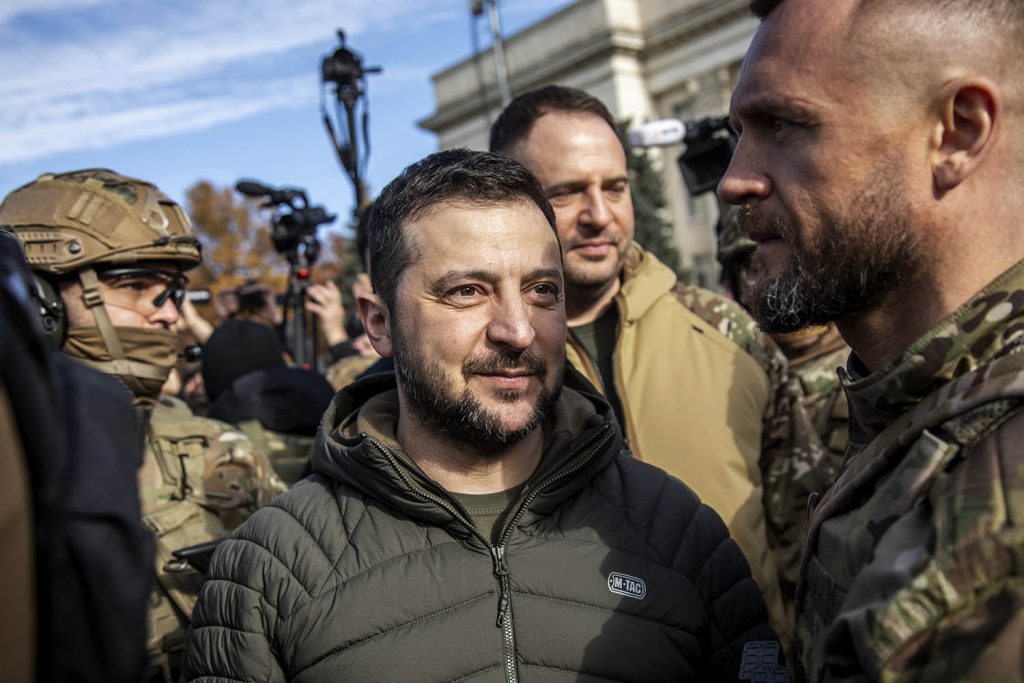
Ukraine’s president offered a concise rebuke to the G20 for inviting Vladimir Putin to its Bali summit, by calling it the G19. Zelensky’s three-bit argument is unassailable. Russia has no more right to a seat at the G20 now than it did after invading Georgia at the G8 – which shrank promptly back to the G7. Joko Widodo, Indonesia’s president, should never have invited Putin. It was an extraordinary and probably ill-judged courtesy on the part of the G19 to sit and listen to Putin’s foreign minister, Sergei Lavrov, repeat the Kremlin’s delusional rationale for the war yesterday, but at least he sat and listened to other countries’ condemnations, including the UK’s. On which, a side note: Rishi Sunak wrote a bizarre mini-oped for yesterday’s Telegraph chiding Putin for not showing up in Bali. He was never welcome there.
Thanks for reading. Please share this round, send us ideas and tell us what you think. Email sensemaker@tortoisemedia.com.
Giles Whittell
@GWhittell
Additional reporting by Phoebe Davis and Jessica Winch.
Photographs Getty Images, NASA, ESA, CSA, STScI, Webb ERO Production Team


