What just happened
- The death toll from an earthquake that struck Indonesia yesterday passed 250.
- Shamima Begum’s lawyers said she was a victim of trafficking when she joined Islamic State, in a new appeal against the removal of her British citizenship.
- Richard Fierro, a US army veteran, said he wasn’t a hero for tackling a gunman who killed five people at the LGBTQ+ Club Q in Colorado Springs on Saturday.
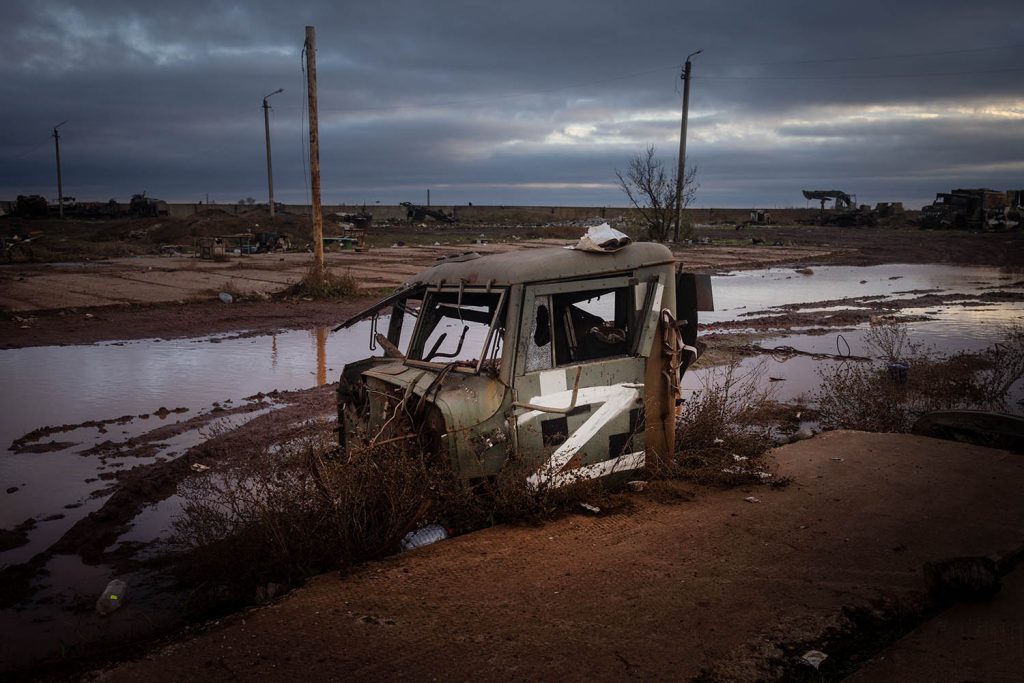
As Russia regroups after the Kherson defeat, the US talks about a “negotiations window”. But peace talks aren’t going to happen anytime soon (see below).
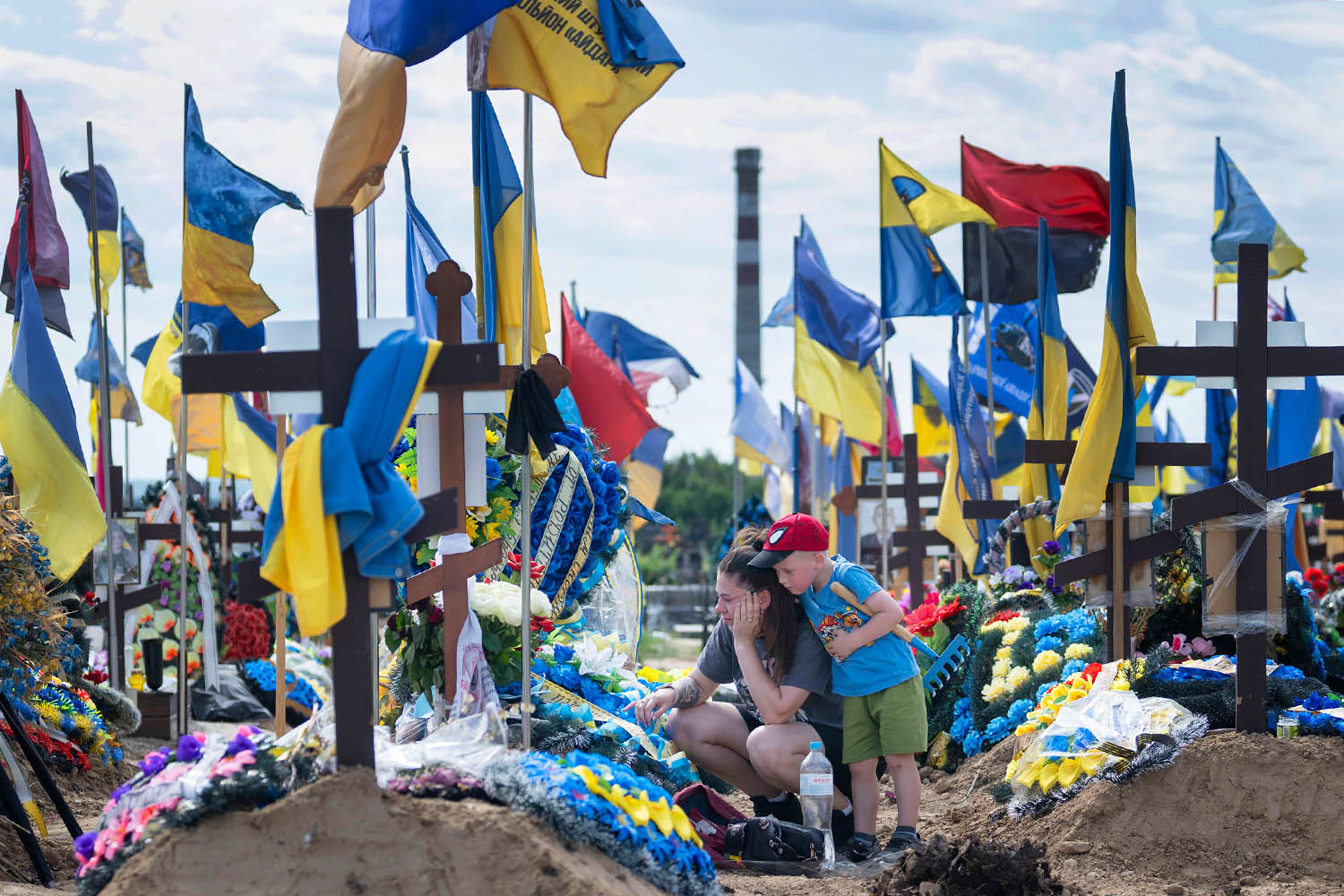
That means a desperate winter as the fight goes on to liberate Ukraine. The good news is that unlike Europe and despite the midterms, America appears willing to go on funding it adequately.
Talk talk. Last week General Mark Milley, Chairman of the US Joint Chiefs, said Ukraine’s success in driving Russia out of Kherson put it in a strong position to negotiate – and to avoid a World War I-style stalemate. But what is there to talk about?
For the record:
Ukraine wants
- to restore its territorial integrity within its 1991 borders (Crimea included);
- prosecution of war criminals;
- security guarantees against another Russia’s invasion; and
- reparations from Russia for damages caused by the war.
Russia wants
- to keep illegally annexed territories in Ukraine (Crimea included);
- Ukraine’s neutrality (including a pledge not to join Nato);
- the “demilitarisation” of Ukraine; and
- an end to western sanctions.
Crimea, Nato and reparations/sanctions are red lines for both sides. Given these mutually exclusive lists of demands, it’s hard to envisage a peace deal that could hold. It would either be unacceptable for Ukraine, or not agreeable for Russia, or would violate international law:
Unacceptable. Talks could lead to a Korean scenario in which both sides dig in “wherever the current lines are, just stop shooting and then negotiate a settlement later,” Mark Cancian of the Center of Strategic and International Studies says. The front lines between North and South Korea are still where they were seventy years ago.
Untenable, because no one trusts Putin. “Who is against negotiations to end Putin’s invasion of Ukraine? No one,” the former US ambassador to Russia Michael McFaul says. “Who believes Putin would negotiate in good faith? No one who knows Putin.”
Unlawful, because Moscow won’t accept reality. “The only deal that would meet the standards of international law is routinely rejected by Moscow because it does not accept that it is the aggressor and is obliged to withdraw from occupied territory”, King’s College London’s Professor Lawrence Freedman warns.
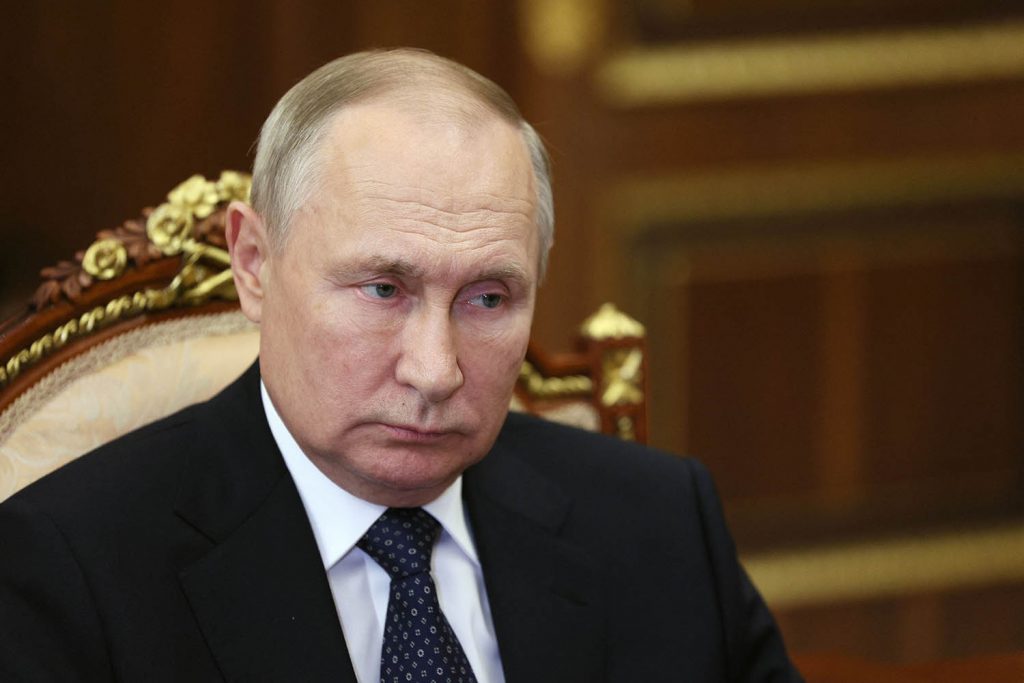
Ukraine’s position is that no negotiations are possible until Russia’s army leaves, and there are two more reasons why in current circumstances a negotiated settlement wouldn’t hold:
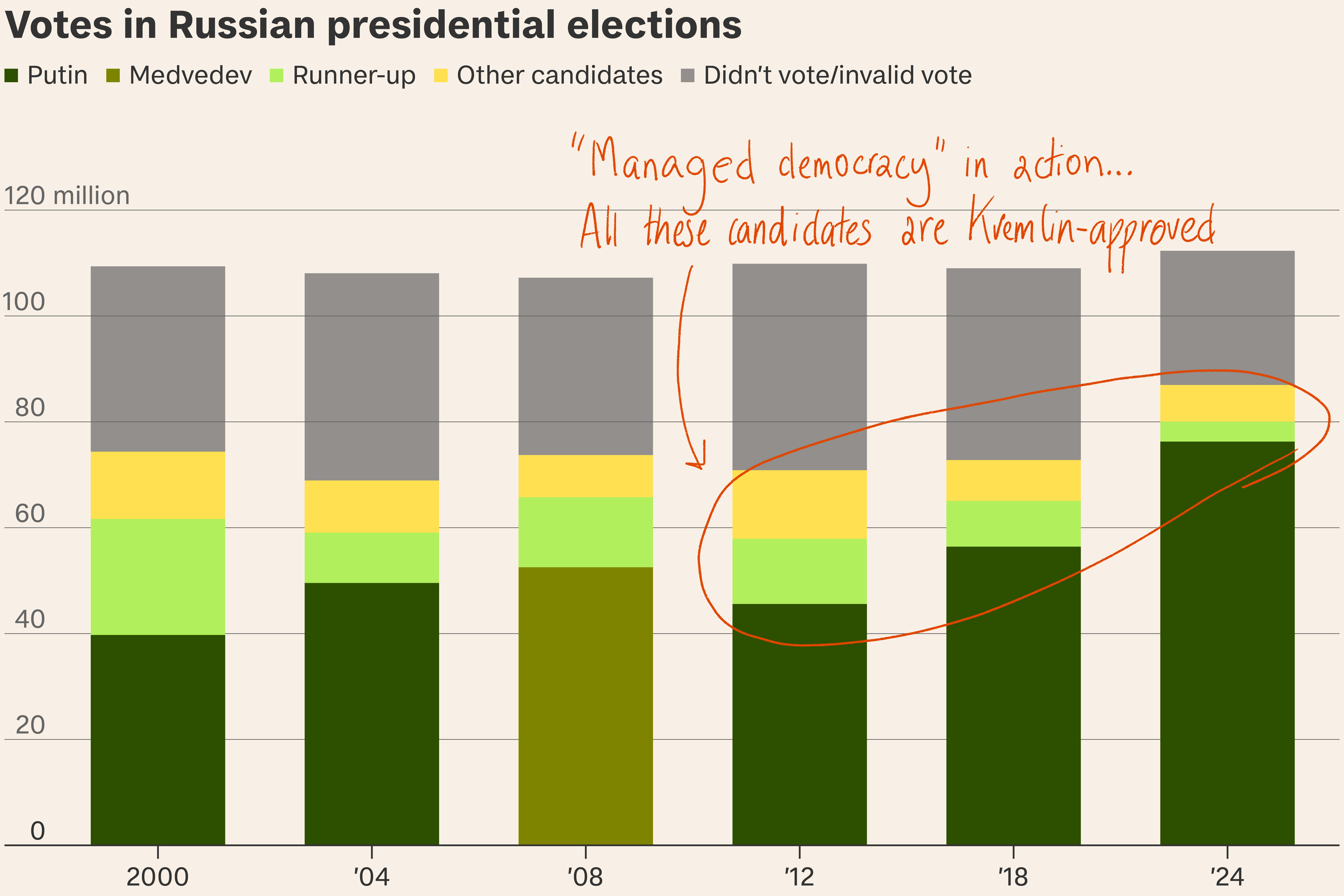
- 75 per cent of Russians support the war, making it hard for Putin to sell a withdrawal even if he wanted to. Instead his new commander on the front, Sergey Surovikin, AKA General Armageddon, is under pressure to attack.
- 90 per cent of Ukrainians believe they’ll win in the end and are ready for a long war if necessary. Any concession to Russia would be considered a defeat.
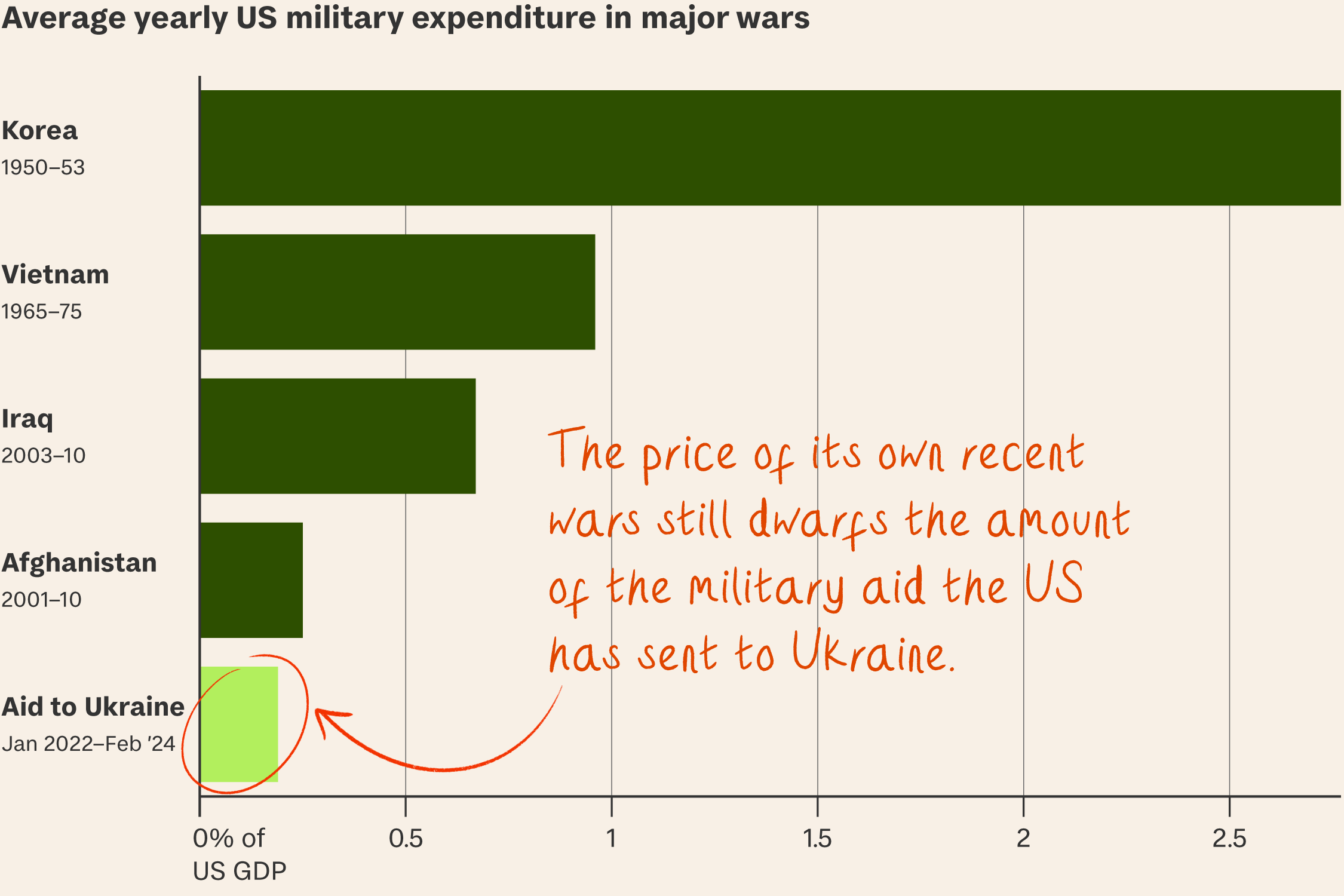
So the war grinds on, and it depends heavily on the US. Including the latest $38 billion appropriations request submitted to Congress, the US is on course to earmark more than $100 billion for Ukraine in less than a year, compared with around $30 billion from EU institutions, the UK, Germany and Canada combined.
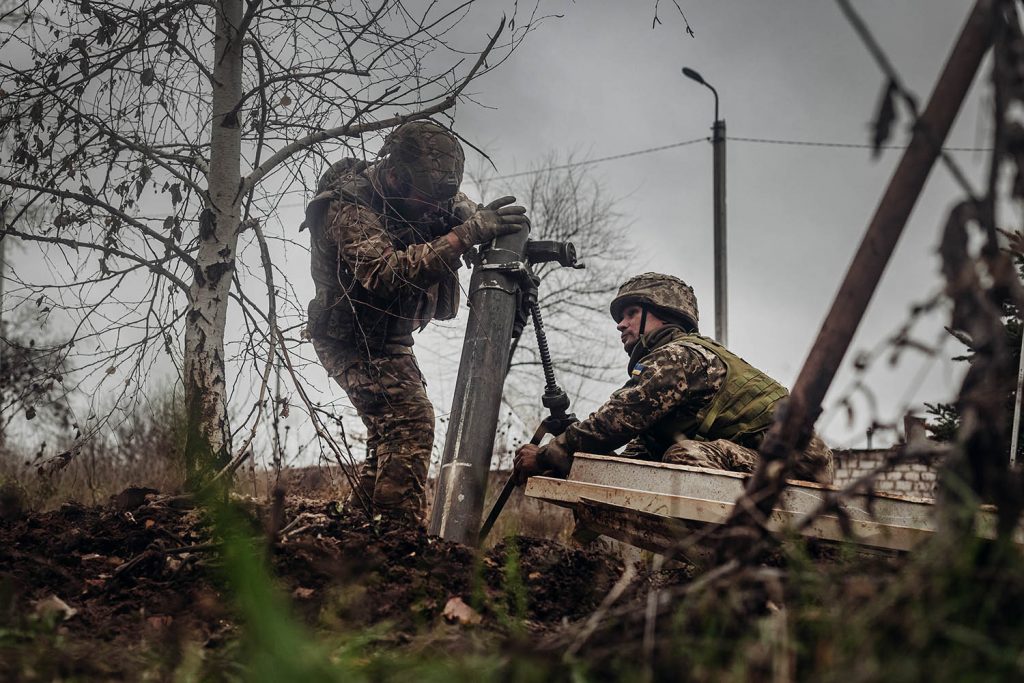
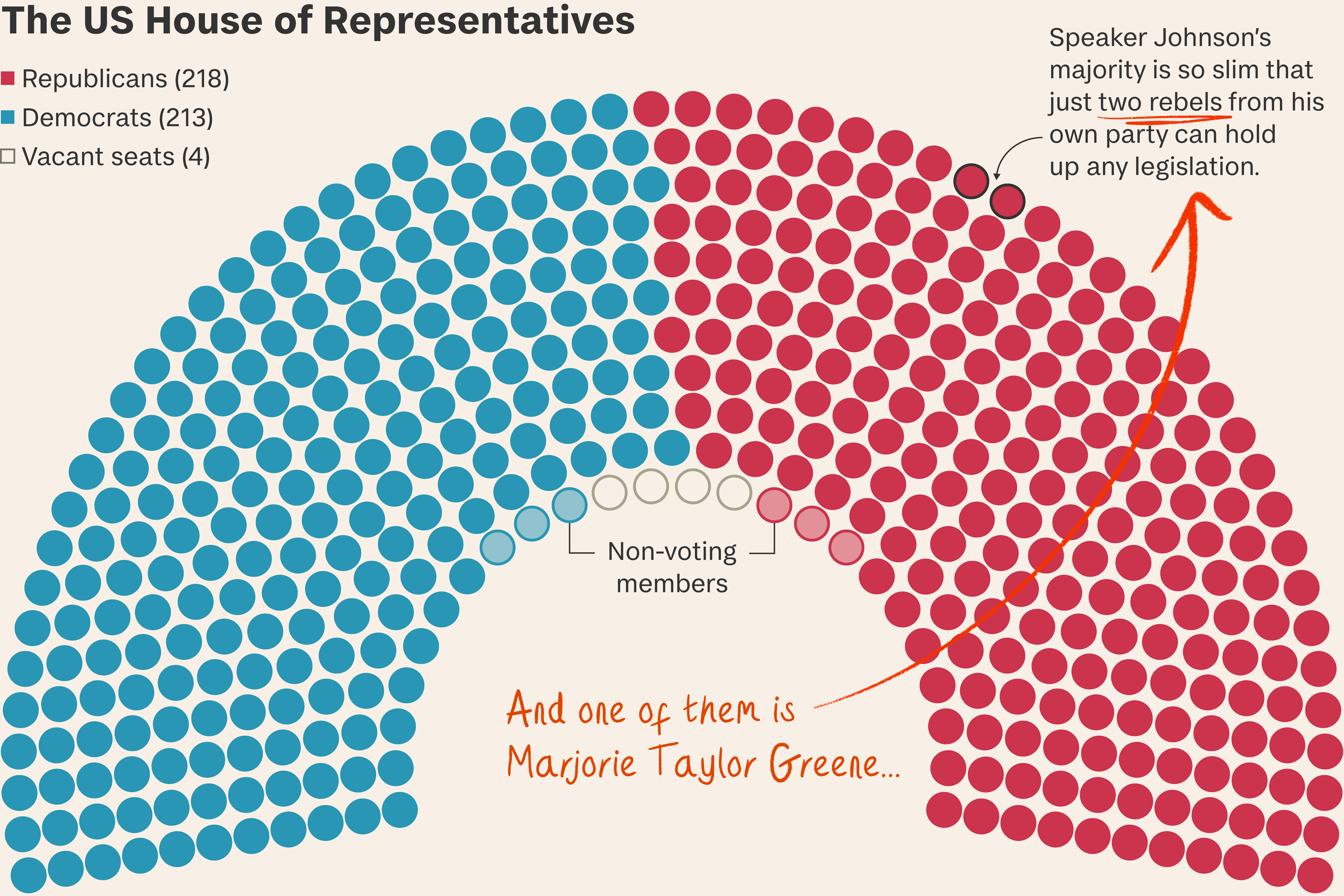
There were fears before the midterms that left liberals and the far right would demand a slowdown in spending for Ukraine. But Cancian says there’s still a “strong bipartisan consensus to help”.
The Democrats’ Senator Chris Coons grasps what’s at stake. This is “the most important fight for freedom in the world today,” he says. So do the Republicans’ Richard Shelby, vice-chair of the Senate appropriations committee; and Tom Cotton of Arkansas, where a cluster of arms manufacturers in East Camden builds most of the smart munitions being used in Ukraine.
There’s a risk the US will run out of air defence systems and man-portable anti-tank missiles before they can be replaced, Cancian says, but there are solutions, including using heavier anti-tank missiles and buying up weapons on the international market.
All Ukraine has to do is fight.