What just happened
- Jiang Zemin, the former Chinese leader, died aged 96.
- The one-eyed founder of the Oath Keepers was convicted of seditious conspiracy in relation to the January 6th insurrection.
- Fifa said an all-women trio would referee tomorrow’s Costa Rica-Germany game in a first for the men’s World Cup.
Yesterday Nato’s secretary general said Putin was weaponising winter and that Europe had to be ready for a new wave of refugees.
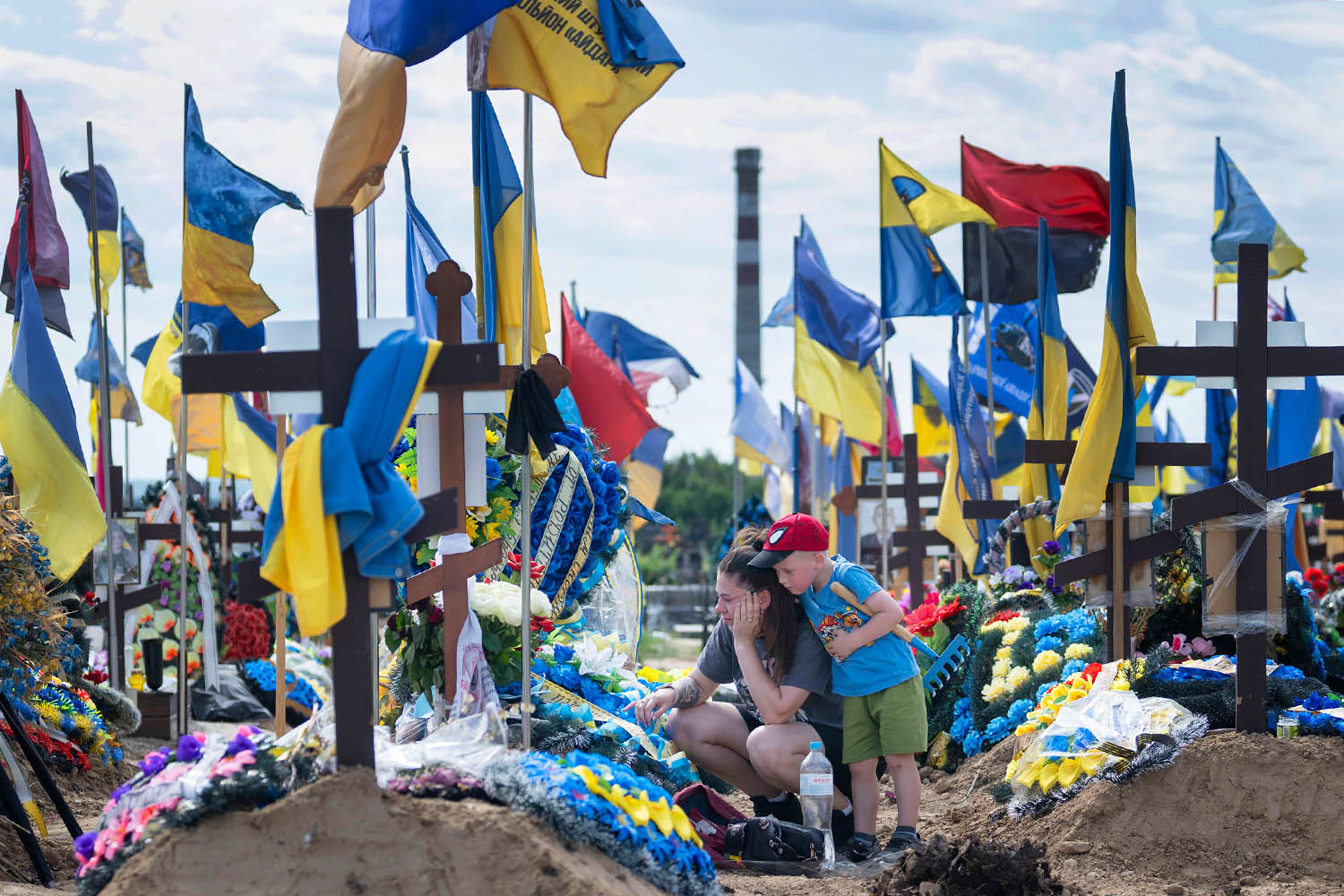
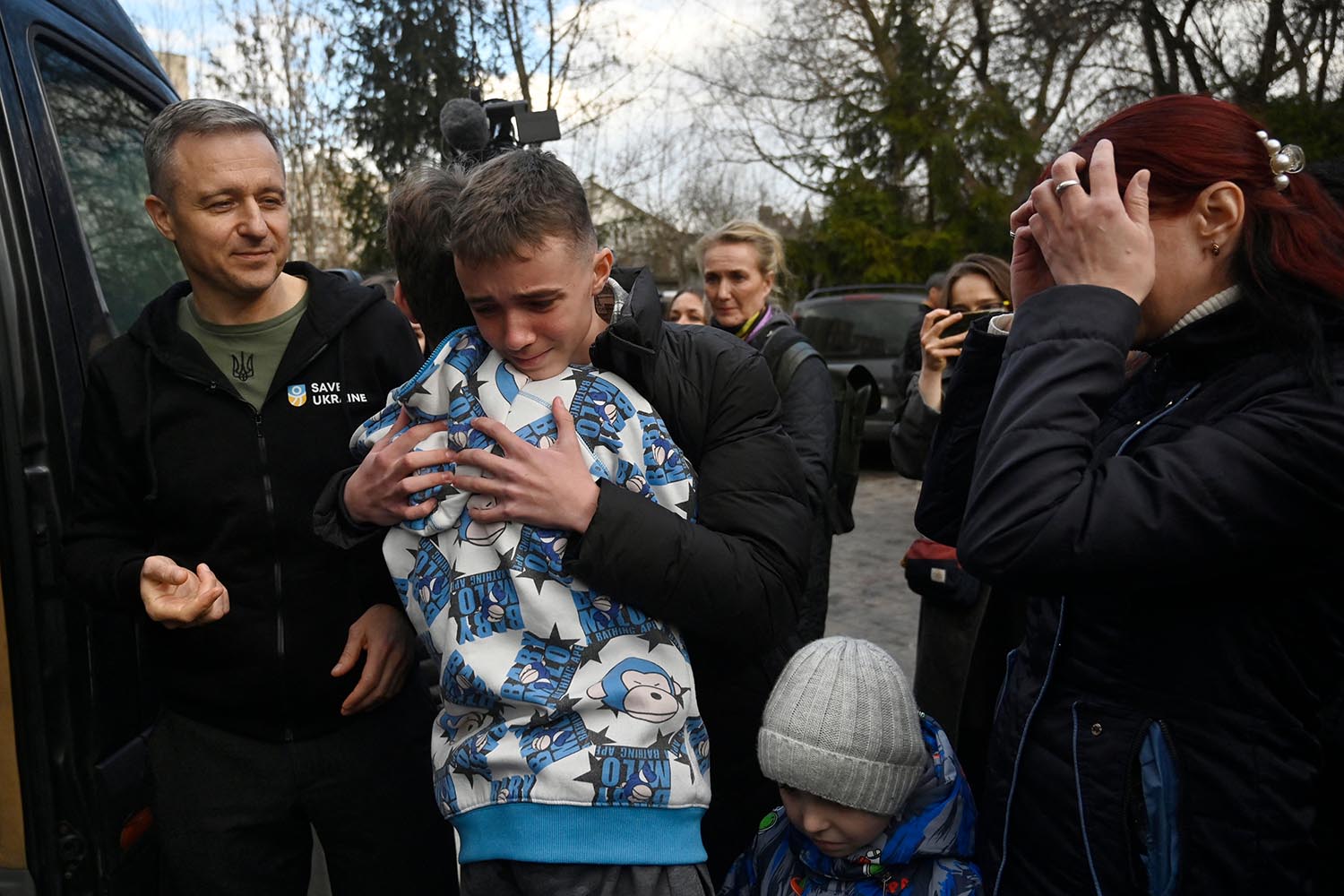
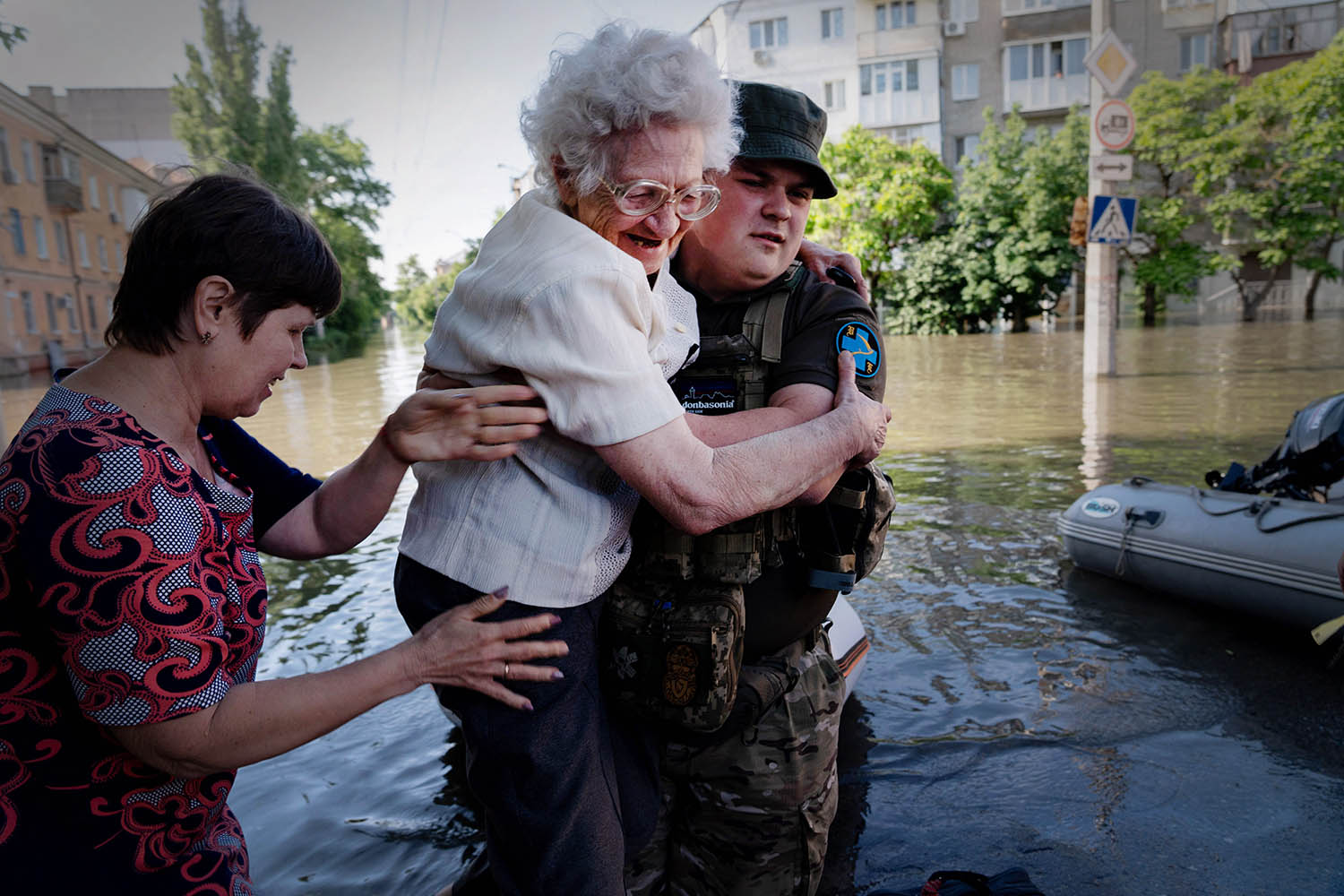
He was right. On Monday the Russian bombardment of Ukraine’s critical infrastructure paused, and thousands of civilians seized the chance to leave cities starved of heat and light. Many were leaving for the second or third time.
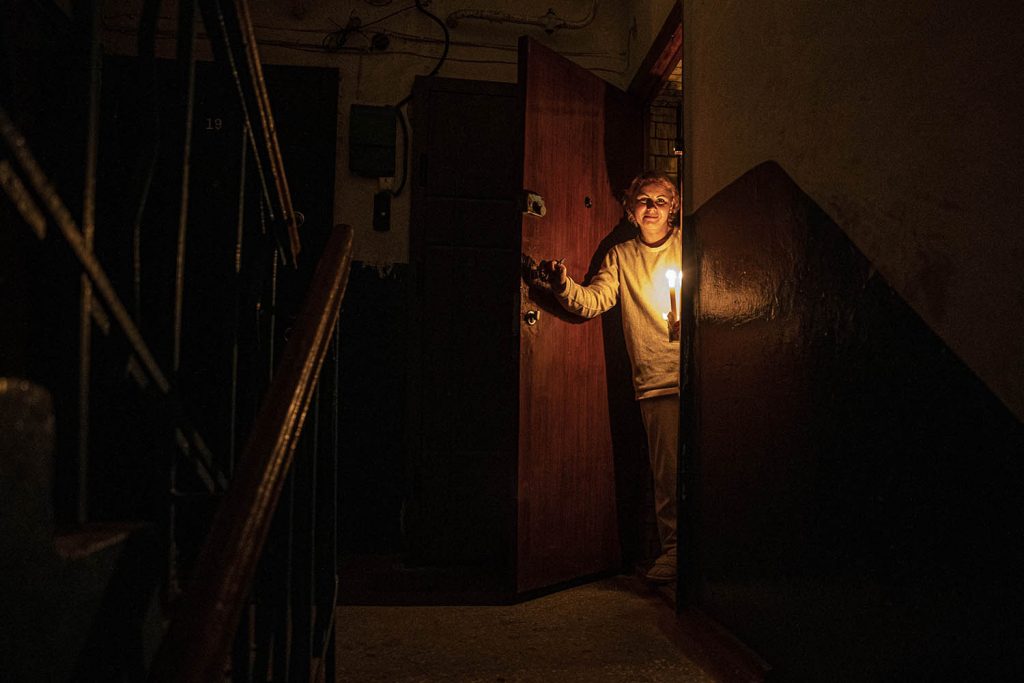
So what? Having failed to break Ukraine militarily, Putin is aiming “to inflict as much suffering as possible on Ukrainian civilians to try to break their commitment, their unity,” Jens Stoltenberg said at a Nato meeting in Bucharest.
If the past nine months are any guide, Putin will fail again, so the war goes on. That means
- Russia’s destruction of Ukraine’s energy infrastructure will continue.
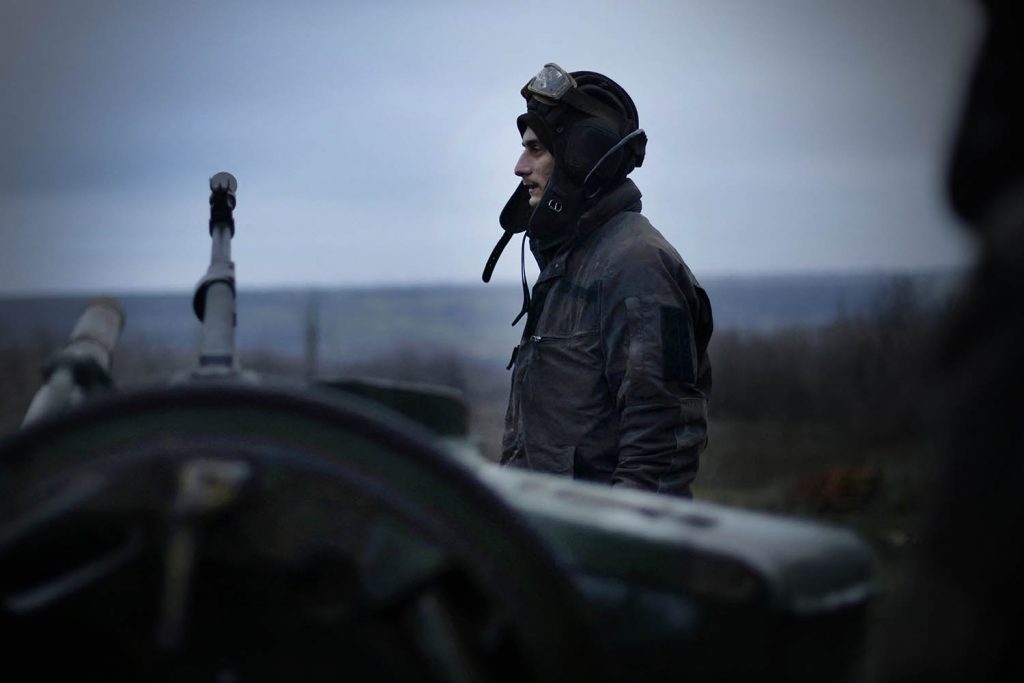
- Ukraine’s army will continue fighting, using autonomous energy sources, but its supply lines will suffer from missile attacks.
- More civilians are likely to flee cities as temperatures fall and municipal heating systems break down, creating new demands for refugee services across Europe including in the UK, where the welcome mat is shrinking even though refugee numbers are low.
Ukraine needs more weapons (especially air defence); more generators; and more homes for refugees if more choose to leave. 7.6 million have fled to Europe so far.
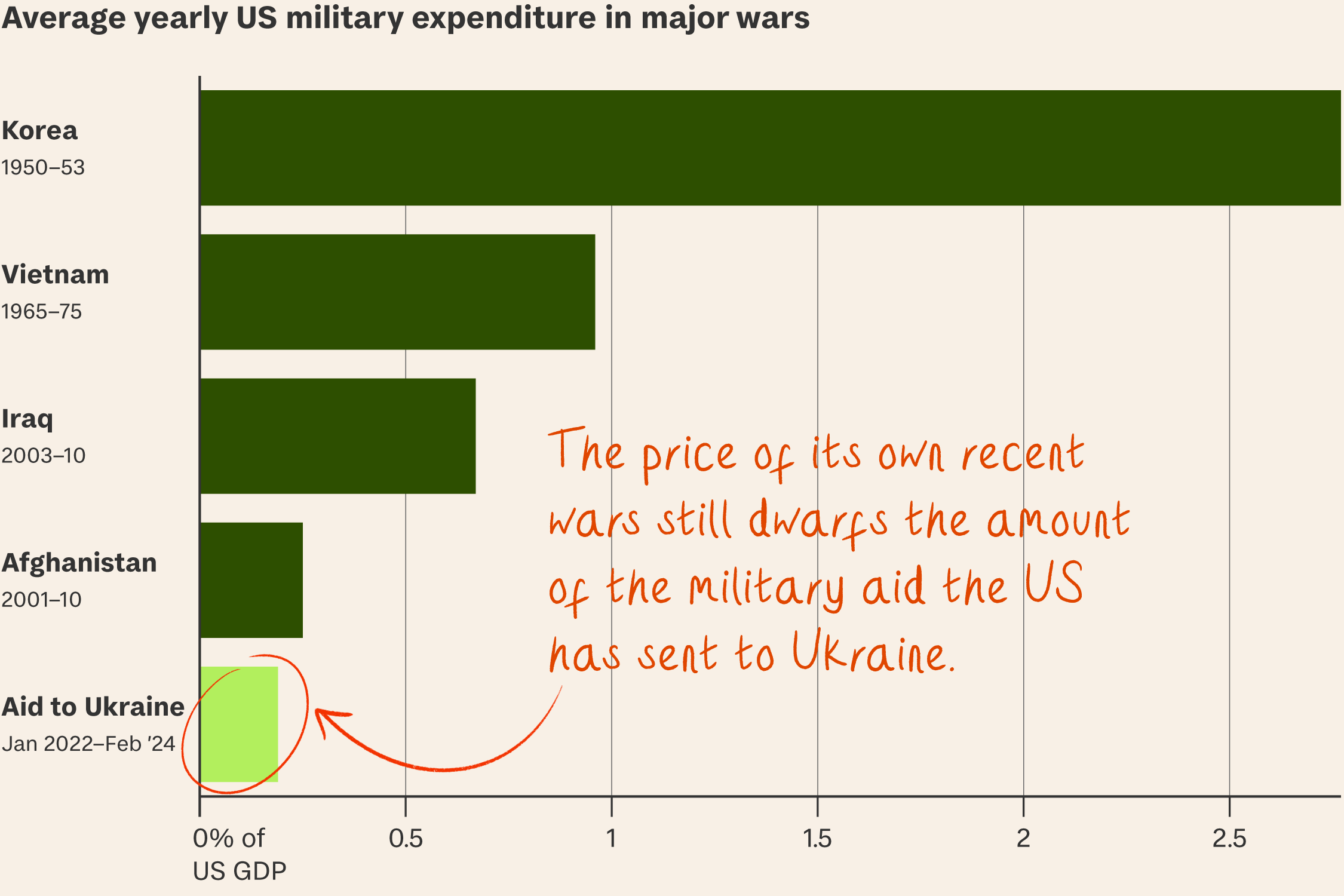
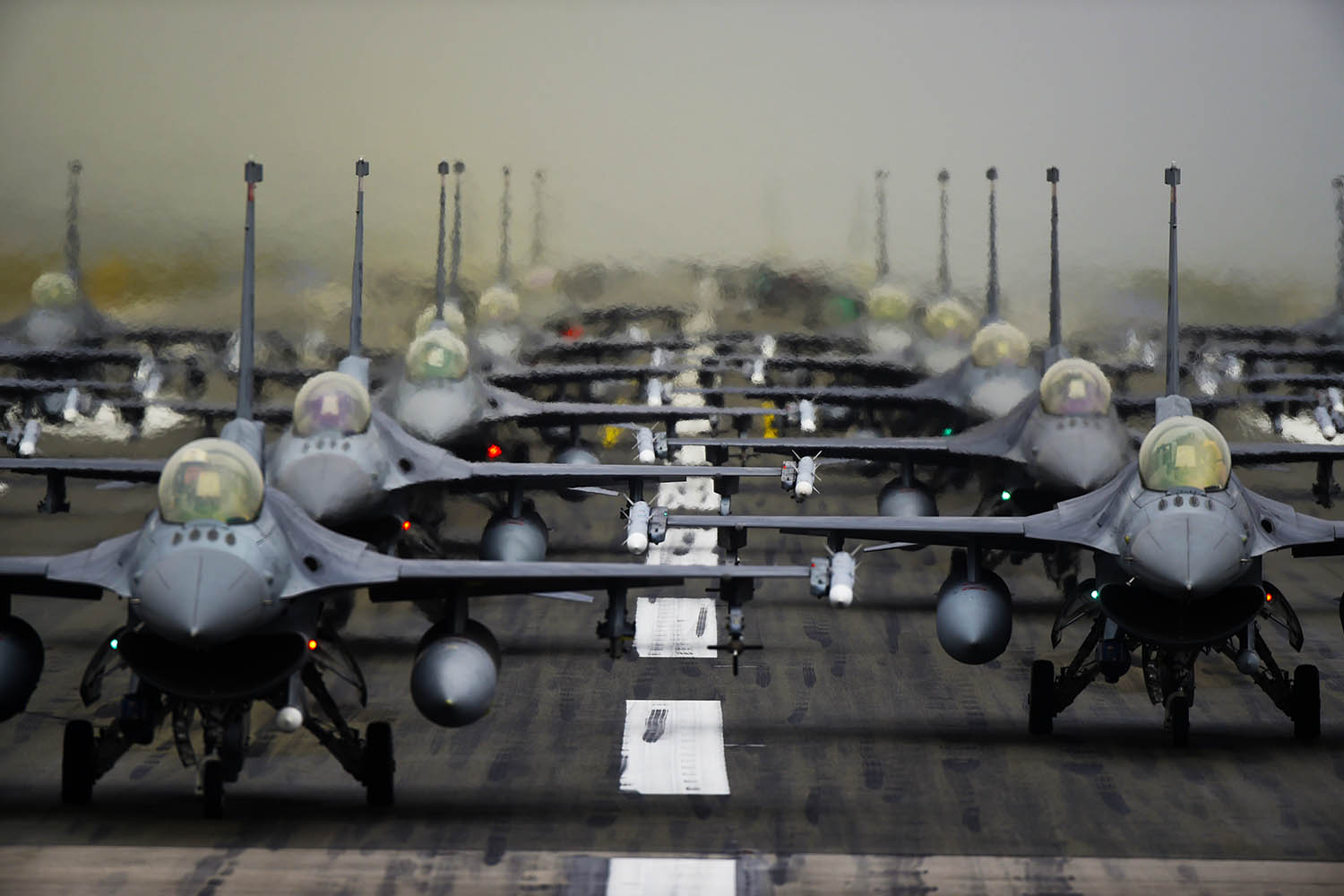
British contributions. The UK is the second biggest provider of military aid to Ukraine, after the US and ahead of Poland, Germany and Canada.
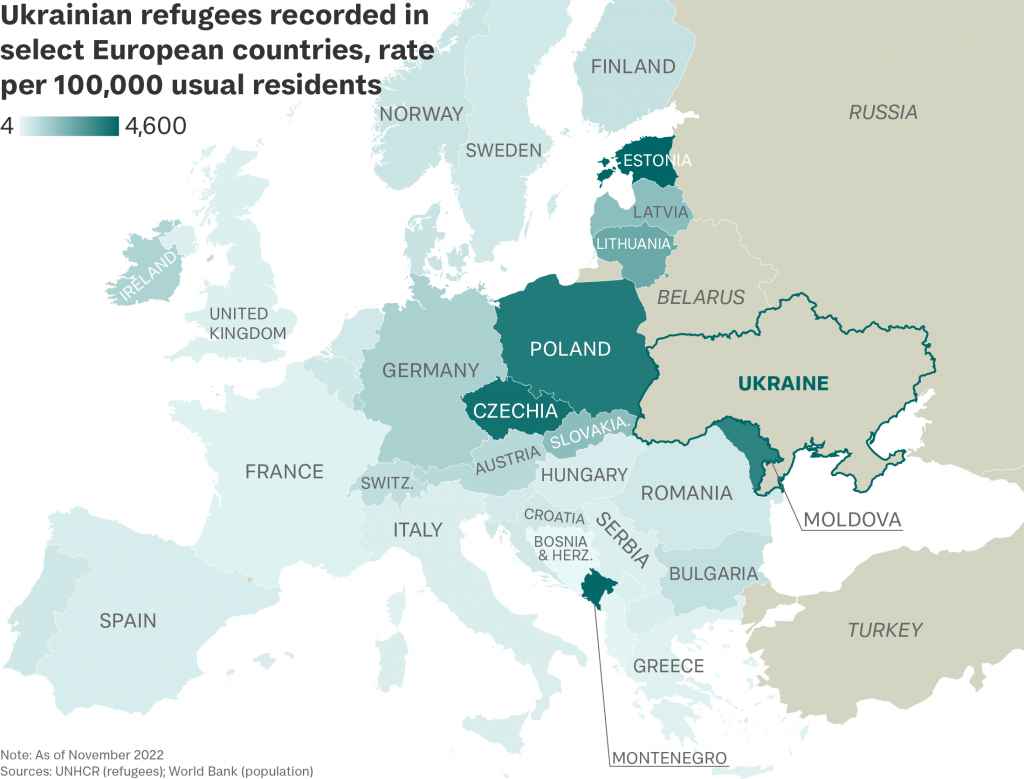
But in terms of refugees, the UK has accepted the 7th largest number in Europe in absolute terms (140,000, compared with 1.5 million in Poland) and the 35th largest per capita.
Ukrainian contributions. In Poland, Ukrainian refugees have paid three times as much in taxes as has been spent on benefits on their behalf (€2 billion vs €750 million), Polish researchers say.
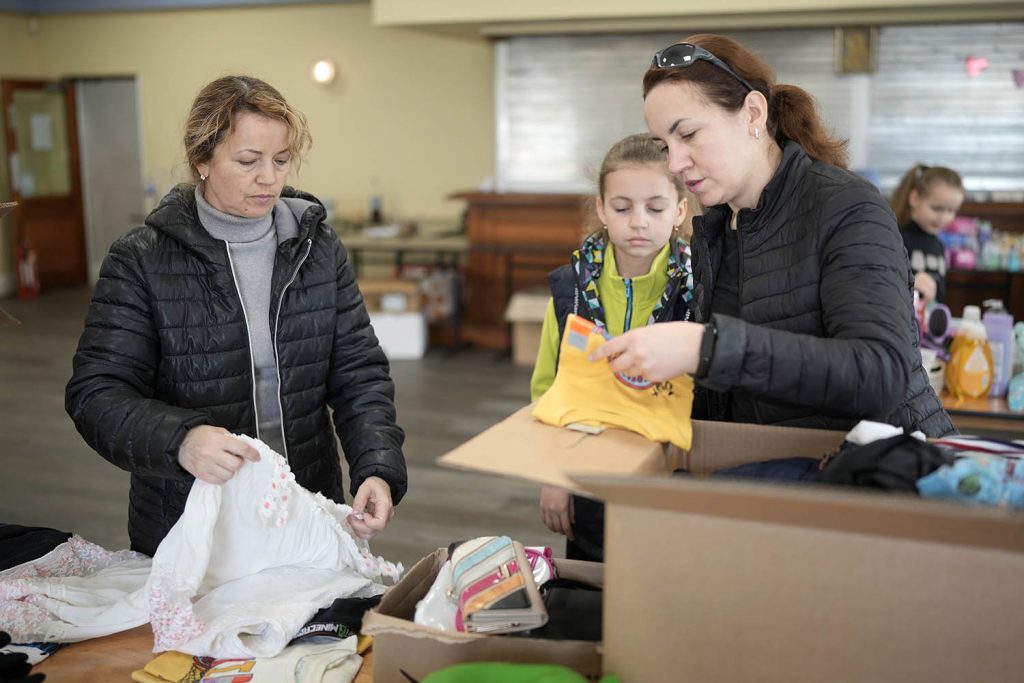
Who are they? A typical Ukrainian refugee is a woman (81 per cent), often with children. In the first six months of the war almost half of them (42 per cent) found a job, while struggling with
- non-recognition of their qualifications (60 per cent)
- language barriers (47 per cent)
- trouble accessing rental accommodation (40 per cent)
- generalised anxiety disorder (21 per cent)
- symptoms of depression (21 per cent)
- trouble getting a child into school (20 per cent).
(Data from ONS and the Migration Observatory).
Rights in the UK. Ukrainians are eligible for work, study, healthcare and social benefits for three years. But the accommodation provided by the UK-based sponsors, guaranteed for six months, is coming to the end, and about 40 per cent of sponsors have said they won’t extend it.
Seven in ten sponsors say doubling the £350 monthly “thank you payment” offered under the Homes for Ukraine scheme would encourage them to extend accommodation offers, but the government has shelved that plan.
Limited options. Ukrainian refugees can seek other sponsors, move to council housing or rent privately. But:
- Not many new sponsors have come forward.
- Non-refugee demand for social housing could double next year to 2.1 million households, Barnardo’s reports.
- Landlords tend to favour tenants with UK credit histories over refugees on benefits.
Near the start of the war almost 50,000 UK residents signed an open letter calling on the government to provide a “robust welcome programme” to help Ukrainians settle in the UK. Over the course of the next year, Barnardo’s says 50,000 Ukrainians could become homeless.
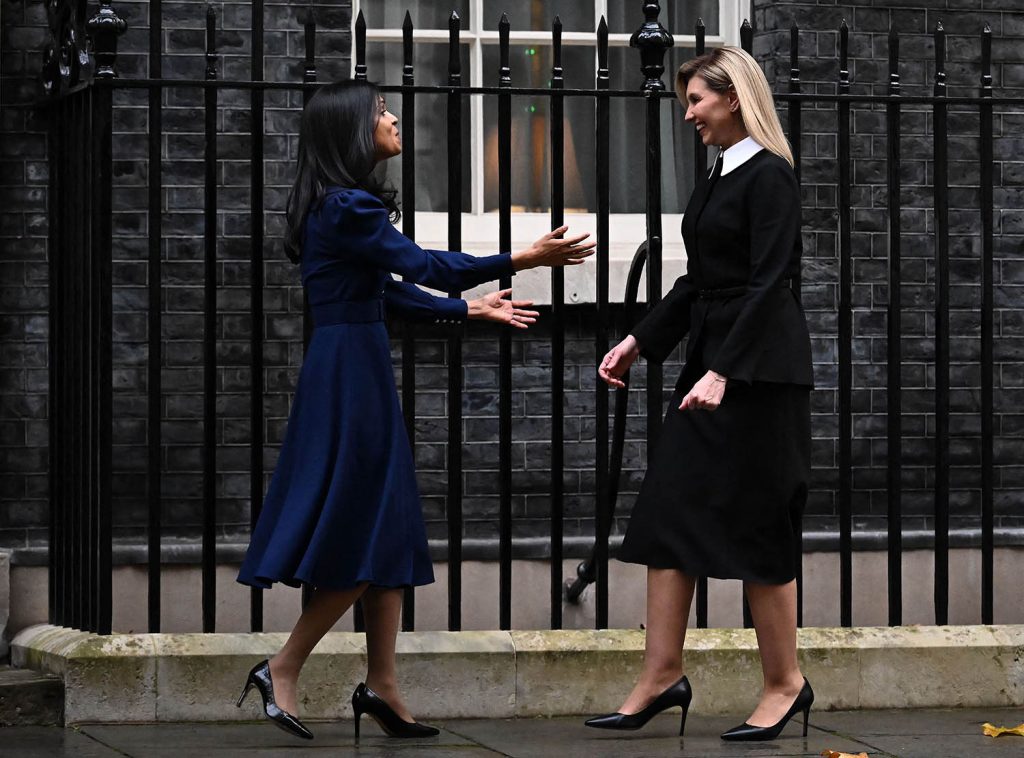
Sunak’s stance. Since arriving in Number 10 Sunak has said he’ll stick to promises made as chancellor to support Ukraine “as long as needed”. What this means for refugees remains to be seen, but his promise of more military aid is unambiguous and welcome.
Wars aren’t won by evacuations, as Churchill noted, and most Ukrainians don’t want to leave, or can’t. As General Frost hardens the battlefield they will be applauding Lithuania’s foreign minister, Gabrielius Landsbergis, who tweeted yesterday from Bucharest: “Keep calm and give tanks”.