
What just happened
- South Africa’s Ramaphosa denied wrongdoing as he faces possible impeachment.
- FTX’s Sam Bankman-Fried said he “never tried to commit fraud”.
- Unesco put French baguettes on its cultural heritage list.
Like so many of his predecessors, the UK’s new prime minister is finding party management the hardest part of the job. Rishi Sunak is expected to perform a planning U-turn, reversing an onshore wind ban to head off a backbench rebellion. Having originally ruled it out, he’s considering making onshore wind farms easier to build with local consent.
So what? The politics of wind has snowballed in a few short weeks. Not one but two former prime ministers – Boris Johnson and Liz Truss – have joined a push for liberalisation. A third ex-PM, Theresa May, is likely to back the other side. Sunak’s challenge is partly the one that all Conservative leaders face – to choose between growth and the status quo. The division on planning reform is in many ways as deep as that on Europe.
The rebels are operating on three levels:
- A pro-growth coalition, genuine in its desire to break down barriers to growth, end the UK’s energy dependency on other countries and use sweeping planning reform to resolve a debilitating housing crisis;
- Green Tories, many of whom overlap with those trying to solve the productivity puzzle, but with an eco-friendly nod;
- Agitators who want to put the boot in. The Anyone-But-Rishi camp is still active and eager to find a way to inflict pain, if not actually eject him.
One backbencher told Tortoise the wind rebellion had “nothing to do with planning, and everything to do with showing him how weak he is”. That the country is treading water while these parlour games are played barely registers, particularly among the many backbenchers who have resigned themselves to losing come 2024.
But Sunak also faces considerable pain from those who hope to stymie relaxation of rules. These nimbys are just as hard to shepherd, drawn as they are from across the party:
- Emboldened One Nation Tories, finding their voices again after the post-Brexit period in the wilderness;
- Brexiteer refuseniks such as Theresa Villiers and Iain Duncan Smith;
- Red Wallers who are deeply sceptical of the green agenda, which they see as costly, in favour of projects such as a new coal mine in Cumbria, which will provide local jobs.
Sir John Hayes – veteran backbencher and sounding post for home secretary Suella Braverman as she seeks to colonise the right wing of the party – is organising an effective opposition to onshore wind. He told the Times he’d signed up 19 colleagues in less than 24 hours. The actual number will be much higher.
The political pressure against wind farms means that even when they are built, they are not necessarily in the best places. Their location is less about practicality than political will.
One argument used by northern red wall Tories against a push towards wind is that it doesn’t generate enough energy. Wind actually generates 23 per cent of the UK’s power, and the way to generate more is to build more. But the argument still resonates.
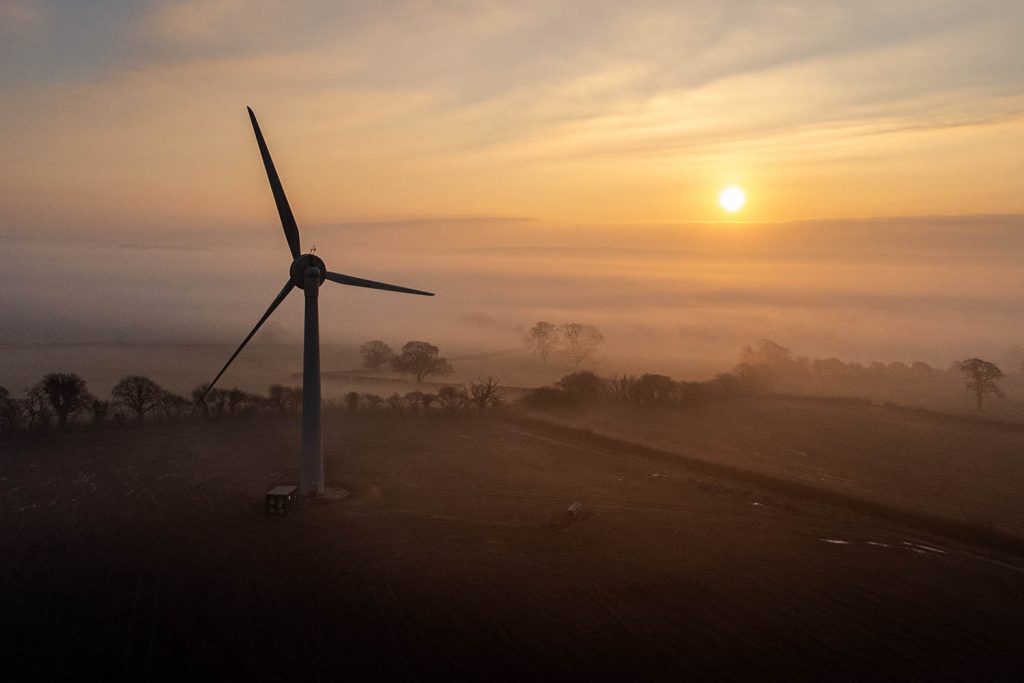
Another is that wind turbines are relatively costly to install. But practitioners argue this is a cause, not effect, of the 2015 ban. Without long-term certainty on funding projects, developers have simply given up.
Options being considered again because of the energy crisis include
- using wind farms to generate revenues for local councils; and
- feed-in tariffs for individuals and businesses.
But it is not as simple as flicking a switch. As one practitioner points out, after years of back-and-forth the industry will only commit to backing new developments “if people feel it is a permanent change”. That means longer than one parliamentary term, and certainly longer than Sunak appears to have left.
Long grass, short horizon. Pragmatic Tory MPs, with one eye on the next election, will ultimately defer to their constituents and local party associations. Members were already underwhelmed by Sunak’s pitch, rejecting him in favour of Truss this summer. Since his chancellor’s tax-raising budget, Sunak has slipped down Conservative Home’s ministerial league table. If local elections go badly next May, he could be another Tory memory soon after.


