What just happened
- George Osborne held secret talks with the Greek PM about returning the Elgin Marbles from the British Museum, according to a Greek newspaper.
- England’s Raheem Sterling flew home from Qatar after an armed intruder broke into his home.
- South Africa’s President Ramaphosa faced calls to stand down over the theft of cash from his farm two years ago.
Russia says it won’t sell oil to anyone participating in the $60-a-barrel EU / G7 oil price cap scheme that comes into force today. But it will go on selling to countries that pay market prices, “even if we have to cut production a little” (emphasis added).
So what? Fair question. You wouldn’t expect Russia to welcome a complex global effort to starve it of the oil revenues funding its efforts to destroy Ukraine. But the Kremlin’s irritation and the two words “a little” suggest the price cap might just work.
The point of the cap. Since the start of the war Russian oil and gas revenues have totalled nearly €200 billion at an average of €839 million a day. That is
- nearly double their level last year;
- roughly twice Russia’s estimated €100 billion in military spending in the first seven months of the war;
- a net gain in federal tax revenues compared with 2021 in the first three quarters of 2022 alone, despite a 24 per cent reduction in EU reliance on Russian gas since February.
Russia’s war is more than paying for itself by driving up the price of fossil fuels, despite sanctions and the steep discounts it’s offering customers like China and India to get round them.
Oil accounts for roughly three times as much of Russia’s export earnings as gas. Hence the urgent need to cut its oil revenues without achieving the opposite by cutting global supply and driving prices even higher. Hence the cap.
How it’s meant to work. The scheme announced simultaneously by the EU and the US Treasury on Friday has two main components:
i) an EU embargo on ship-borne Russian oil with an exception for Hungary, which can continue to buy Russian oil arriving via the Druzhba pipeline; and
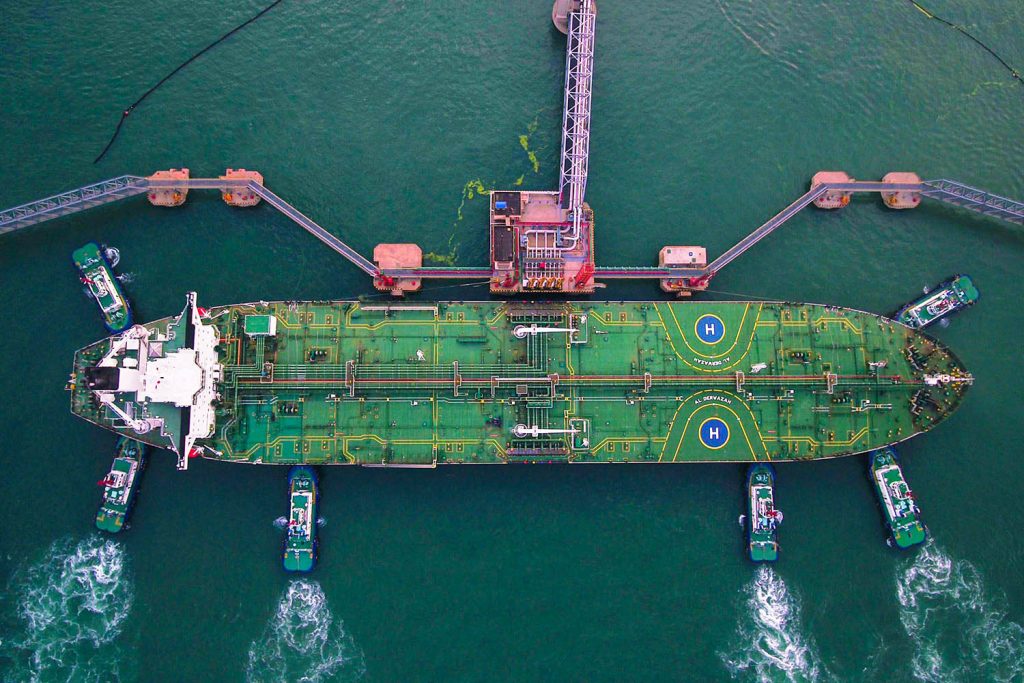
ii) a $60-per-barrel cap on the price paid for ship-borne Russian oil by anyone else wanting to use shipping insurance or trade finance provided by the EU and G7 – which between them account for 90 per cent of these services.
Anyone paying more won’t get blue-chip insurance. This is the scheme’s main enforcement mechanism.
The architects of the scheme knew China and India (the world’s biggest and third-biggest oil importers) wouldn’t be signing up. But they hope Beijing and Delhi will use the cap to drive down what they pay for Russian oil.
Why it might not work. Where to start?
- Ghost fleets. Russia has spent billions acquiring an estimated 100 tankers and crews willing to operate without insurance underwritten by the London-based International Group of Protection and Indemnity Clubs, which covers 95 per cent of the global oil shipping fleet.
- Russian insurance. The state-controlled Russian National Reinsurance Company has become the main insurer for Russia’s own tankers, Reuters reported earlier this year, and is offering cover to non-Russian vessels too.
- Fickle markets. If Russia cut its oil output more than “a little” (see above), and/or OPEC+, which counts Russia as a member, agreed an overall output cut in response to the cap, world prices would rise and Moscow could continue funding its war even while selling fewer barrels.
The EU and G7 hope the $60-a-barrel cap agreed on Friday will be high enough to persuade Russia to continue selling to countries that comply with it, Moscow’s initial bluster notwithstanding, and low enough to limit Russia’s earnings should prices rise again.
It won’t limit them much now because $60 is only $1 less than the current market price of Urals crude. Only the EU embargo can be relied on to dent Russian earnings, but how much depends entirely on keeping world prices low by keeping overall output stable.
Which is why Venezuela’s Nicolás Maduro and Saudi Arabia’s Mohammed bin Salman are the G7’s new best friends.