What just happened
- 100,000 nurses went on strike in England, Wales and Northern Ireland.
- 1984 was named Russia’s bestselling novel of the year.
- Prince Harry said his brother screamed and shouted at him at a 2020 meeting to discuss his and Meghan’s royal roles.
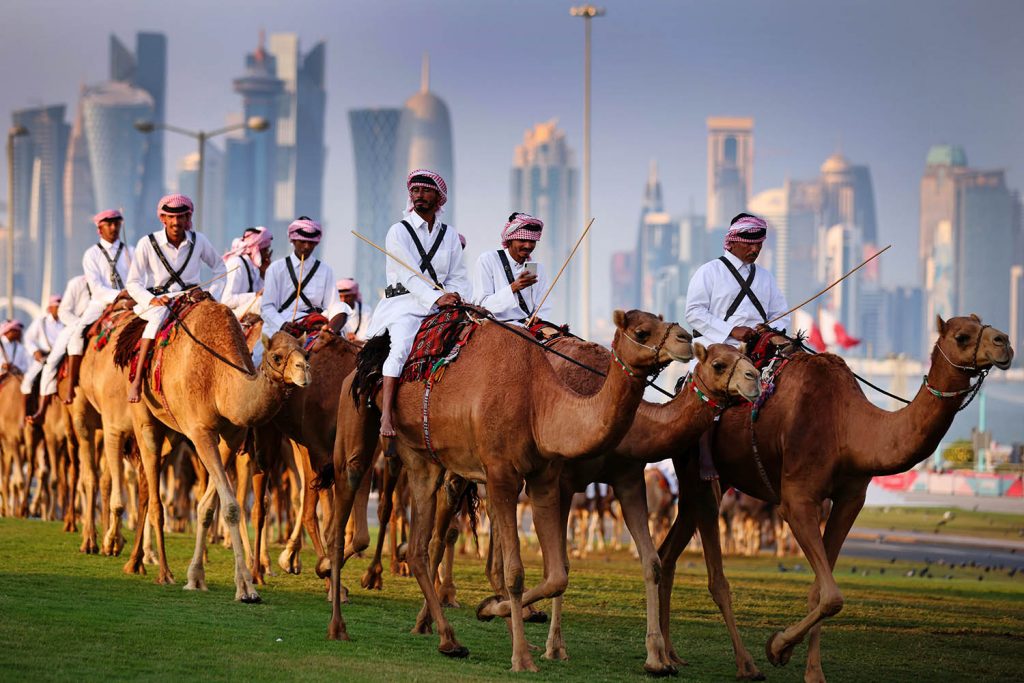
Qatar is finding that once outsiders get in the habit of accusing you of bribery it’s hard to catch a break.
First it was the World Cup and reports of cash for Fifa votes. Now it’s the European Parliament Vice President caught with €600,000 in neat bundles. Each time the money’s said to come from Qatar. Each time Qatar denies wrongdoing.
So what? The case of the €600,000 (and other alleged bribes totalling €1.5 million) is about far more than the humiliation of Eva Kaili, the parliamentary VP and Greek MEP, who also denies wrongdoing. It is
- the worst corruption scandal in the European Parliament’s history;
- catnip for the EU hard right, delighted by what it sees as the hypocrisy of the liberal left; and
- a small alleged part of a much bigger drive by Qatar to buy influence and support in Europe as insurance against bullying by Riyadh and the rest of the Gulf.
The context is framed by geopolitics and energy. Qatar has spent most of the past decade wrestling with Saudi Arabia and the UAE for regional dominance having sided with the Muslim Brotherhood against the region’s old monarchies in the Arab Spring. And it has spent most of the past year supplying the West with desperately needed energy in a time of war. Qatar’s oil and gas earnings surged by 67 per cent in the first half of 2022. Its budget surplus more than trebled in the third quarter alone.
The questions being asked now focus on why Qatar would jeopardise the reputation it is trying to burnish with the World Cup by allegedly handing bags of cash to European politicians. Here are the theories:
- Buying positive coverage. Kaili had previously given an eyebrow-raising speech praising Qatar as a “frontrunner in labour rights”, despite its bleak record of migrant worker deaths.
- Fast-tracking legislation for visa-free access for Qataris coming to the EU. This was on the cards – but has been shelved because of the Kaili case.
- Influencing an EU-Qatar aviation agreement, signed last year, that would have given Qatar unlimited access to the EU market. MEPs are now slamming the brakes on that deal too, according to Politico.
- A rogue agent. One explanation for the alleged bribes is that they could have been distributed by a “renegade” Qatari businessman or politician looking to smooth the path to a piece of as-yet-unidentified legislation.
Kaili has been stripped of her vice presidency. She and the other suspects appeared at a pre-trial hearing in Brussels on Wednesday. The scandal overshadows a World Cup climax envisaged as a triumph for Qatar.
Perennial pariah. Qatar is urgently seeking to build strategic relationships with Western powers following a nearly four-year Saudi-led blockade, which only ended in January 2021. Donald Trump’s support for a crackdown on the Muslim Brotherhood and “terrorists” in the region appears to have lit the fuse. In 2017 Saudi Arabia, Bahrain, UAE and Egypt broke off relations with Qatar, denying it access to their airspace and closing Doha’s only land border.
Despite a recent thaw, one Westminster source says Qatar is still considered a “pariah” by its neighbours. Another says senior figures in Doha are “trying to use their money to buy security by getting the British government to take a far closer interest in Qatar”. That money has been spent on junkets to Doha and high-profile assets such as Claridges.
But cash? Last year Prince – now King – Charles was reported to have received millions of pounds in cash in Fortnum & Mason bags during meetings with Sheikh Hamad bin Jassim bin Jaber al-Thani, the former prime minister of Qatar. Even so, there’s been surprise in Westminster at the “crudeness” of the bags of cash in the European case.
One expert said that while “fancy dinners, wining and dining” were still acceptable, Qatar’s younger Qatari politicians were increasingly conscious that cash payments were not. “I bet whoever authorised this was above the age of 60,” this person said.
That would narrow the field.
Luxury’s good
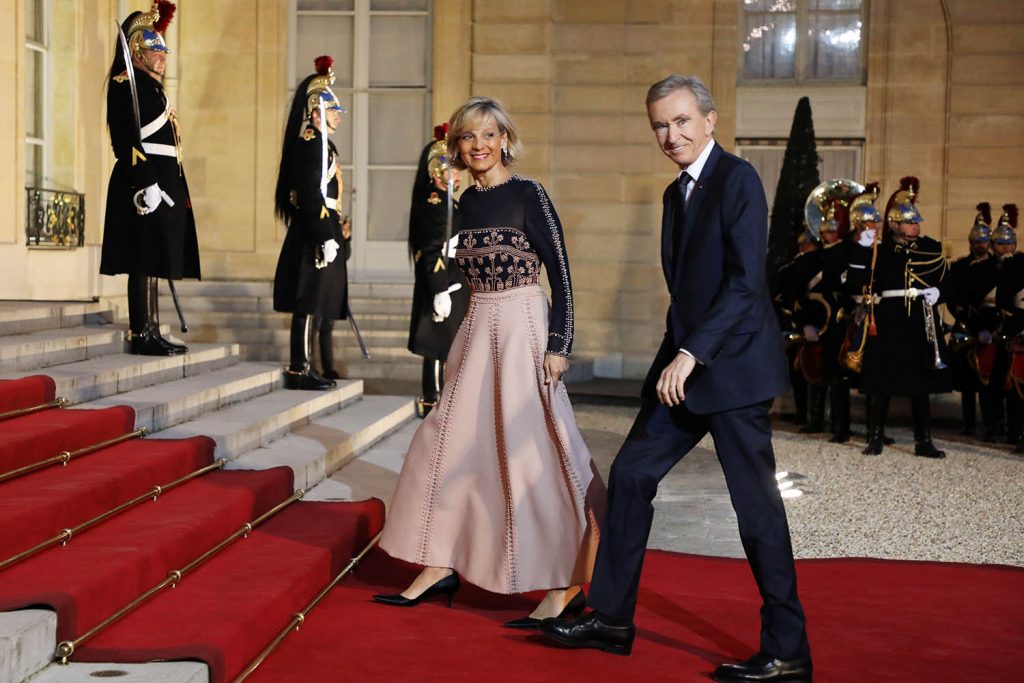
What does it mean that the world’s richest person is now not a tech bro but a suave French fashion tycoon? Two things – perhaps three: 1) The markets are no longer thinking of Tesla as a tech company transforming the world, but as an electric car company at the mercy of the same supply chain headaches as its rivals. Hence the decline of more than $100 billion this year in the net worth of its biggest shareholder, Elon Musk. 2) The inflation spike caused by war and the end of lockdowns has not affected the spending habits of the rich and people hoping to look rich as much as it has of the rest of us. So the stock price of LVMH, the luxury goods group, has held up well, and with it the net worth of its CEO Bernard Arnault, now worth about $188 billion. The third thing worth noting is how much LVMH depends on fatuous advertising. As a species, we are easily led.
Megadrugs
Hemgenix is the world’s most expensive drug at $3.5 million a dose, but it’s more than that. It’s an example of how near-miraculous medical science can sometimes only pay for itself by charging eye-watering sums for drugs, because they’re so effective. Hemgenix is a gene therapy for haemophilia B which can transform the lives of patients who previously had to take regular doses of blood-clotting agents to prevent uncontrolled bleeding. Hemgenix has to be taken only once, so its makers, CSL Behring and UniQure, have only one chance per patient to recoup their R & D investments and make a margin. The USDA has approved it and other comparable gene therapies. How many insurance companies will cover them – never mind the NHS – is another matter.
China’s Covid crisis
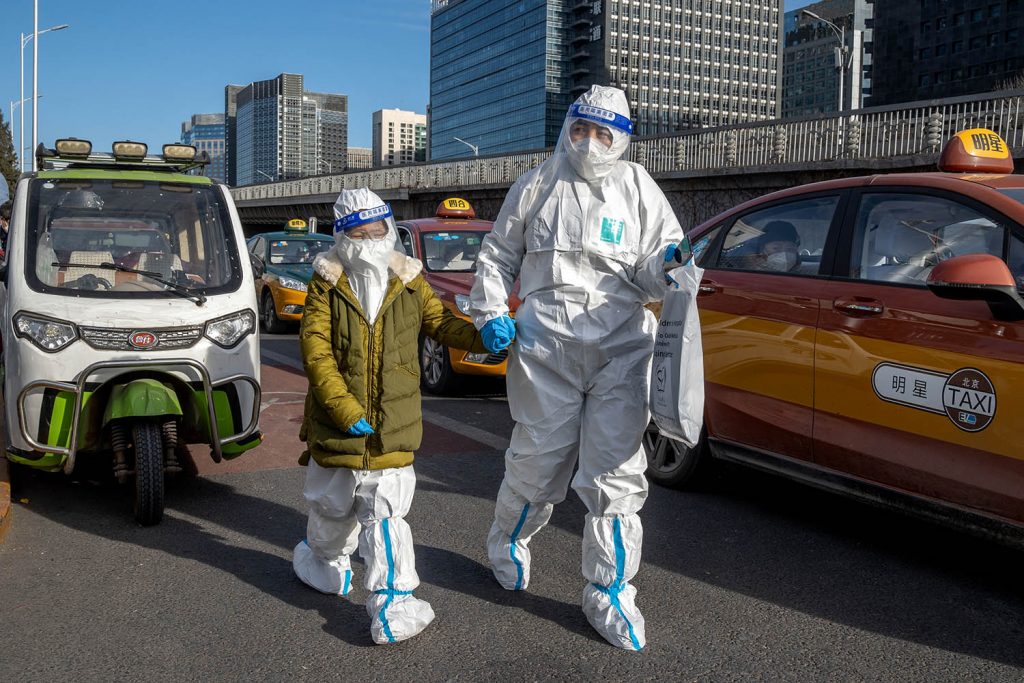
One week after China effectively ended its zero Covid policies and the virus is spreading rapidly. Beijing seems to be particularly affected: Reuters reports a local emergency hotline in the capital is getting 30,000 calls a day, while some hospitals report an 80 per cent infection rate among staff, with doctors and nurses told to keep working even if infected. So far, China’s official death toll still stands at 5,235, unchanged since Covid curbs were lifted, while official tallies show a fall in the number of new cases as mass testing winds down. Real numbers are anyone’s guess. The official messaging from state media is to keep calm and take care of yourself. The new slogan: Be the first person responsible for the epidemic.
Total v Congolese farmers
Last year, oil giant TotalEnergies trumpeted a new carbon offsetting project in the Republic of the Congo: planting a 40,000-hectare forest on the Batéké Plateaux that Total claimed would capture more than 10 million tonnes of CO2 over 20 years. But farmers now say they are being chased off their fields. An investigation by Greenpeace UK Unearthed and the SourceMaterial investigative group found that the land for the project was requisitioned by the Congolese government more than a year before local consultations concluded, with some families offered a nominal payment of $1 per hectare. Others say they were not consulted and received nothing. “Since this project arrived here, we no longer work. With grandchildren and children, how are we going to live?” asks one. Total and project partner FRM, a French forestry consultancy, said they had started work to get a “complete picture” of the project’s impact.
Hero judge
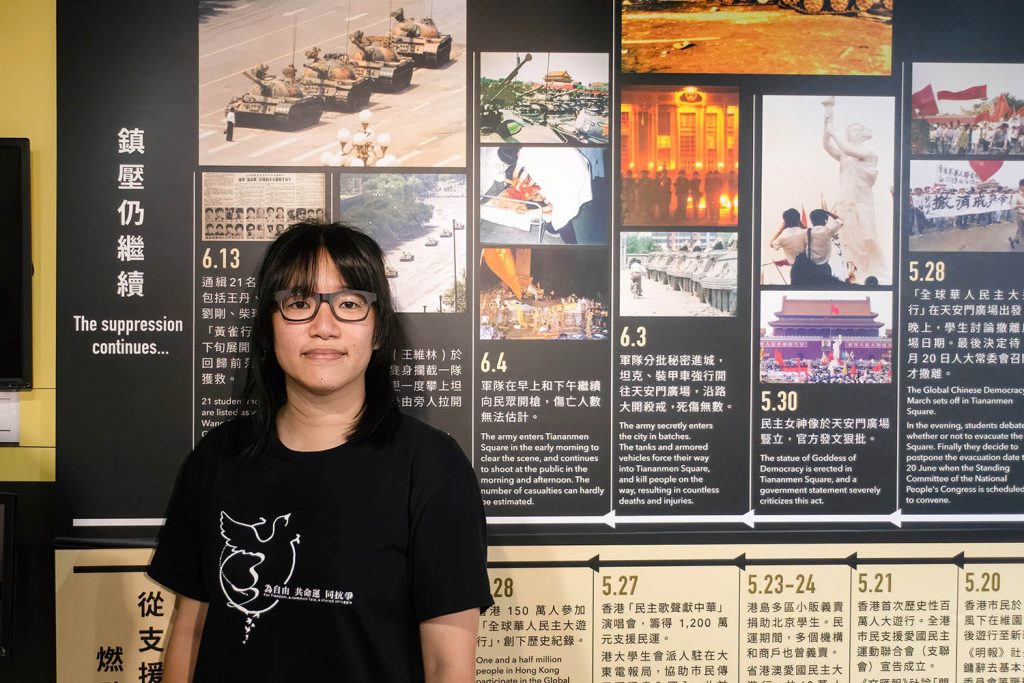
Hong Kong democracy activist Chow Hang-tung won her appeal against a 15-month jail term for trying to stage a Tiananmen candlelight vigil last year. Chow, a 37 year-old lawyer, will remain in custody as she faces two other charges under the city’s national security law. But crucially, the high court judge ruled that the police acted unlawfully in banning the vigil over Covid fears. Judianna Barnes said police “did not seriously consider” if the vigil could go ahead, as required by law. It’s a rare and brave rebuke of city authorities, and a ruling that could impact others jailed for taking part in Tiananmen vigils, including media publisher Jimmy Lai.
Thanks for reading. Please tell your friends to sign up, send us ideas and tell us what you think. Email sensemaker@tortoisemedia.com.
Catherine Neilan
@CatNeilan
Additional reporting by Giles Whittell and Jessica Winch.
Photographs Getty Images


