What just happened
- India tested a long-range nuclear-capable missile amid fresh tensions along its border with China.
- Twitter suspended the accounts of at least nine journalists who cover its new owner, Elon Musk.
- Virgin Atlantic won UK government funding to attempt a trans-Atlantic net zero flight next year.
Vladimir Putin’s intention in February was to seize Ukraine within three days. Western officials estimated that it would take 48 hours for the Russian military to capture Kyiv.
Ten months later, Ukraine has proved that it is a subject, not an object, of international politics. It has pushed back the second most powerful army in the world; Ukrainians joke that it is the second most powerful army in their country.
So what? Ukraine, with its bravery and desperation to win, took the Western world by surprise this year. We learnt the significance of its wheat and sunflowers, the strategic importance of its ports, the strength of its leader – and the scale of its capacity for resistance.
The war in numbers:
- 50 per cent of territory captured since February is now liberated.
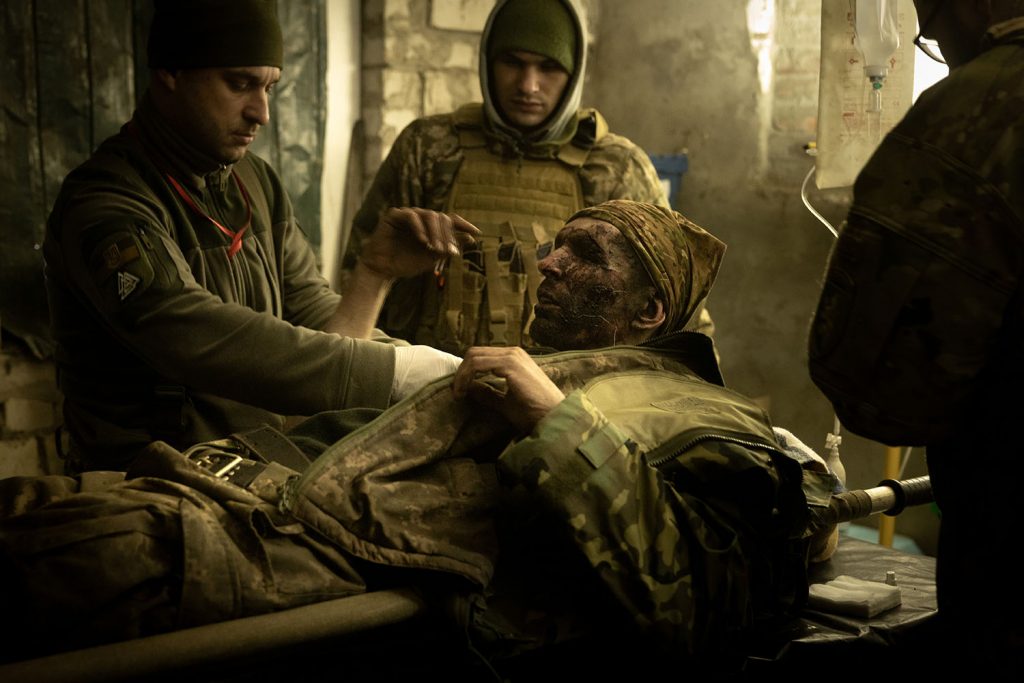
- Up to 100,000 Russian army personnel have been killed or wounded.
- About 300 Russian fighter jets and 3,000 tanks have been destroyed.
- Russia has launched 5,000 missiles into Ukrainian territory.
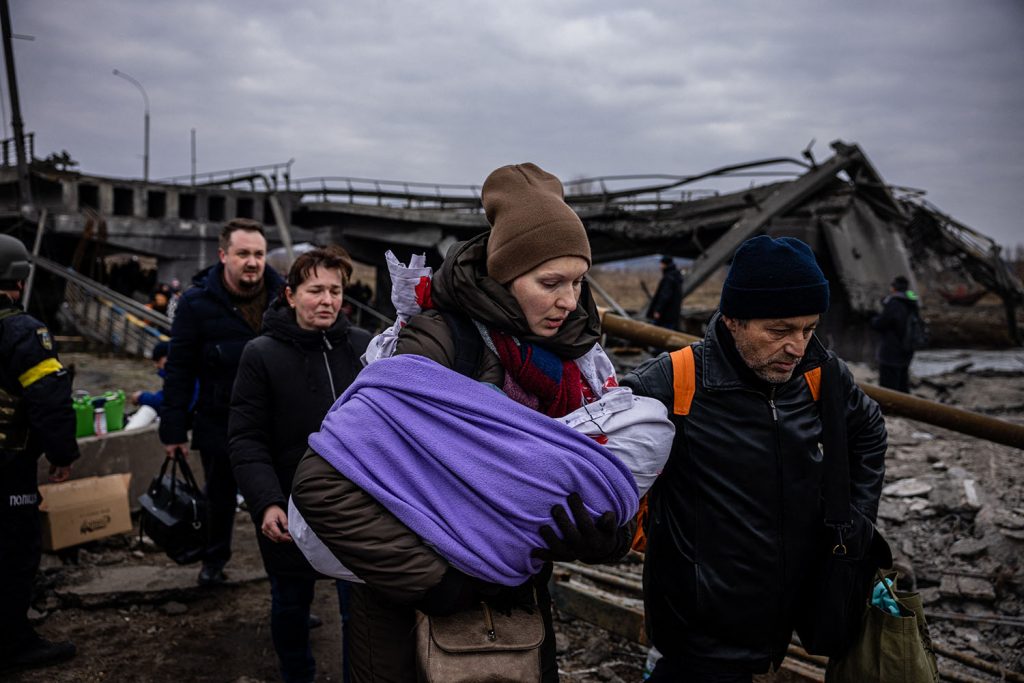
- Four million Ukrainian refugees have fled to the European Union.
- The US, EU and other countries committed over €110,000 billion in aid.
The price of ignorance. Russia’s invasion became possible because of step-by-step losses incurred by Ukraine over the past three decades, including:
- The loss of its nuclear arsenal (the third largest in the world at the time) in 1994 with security guarantees from the US, the UK and Russia.
- The refusal to offer Ukraine Nato membership in 2008 in the face of French and German resistance (Angela Merkel says she “stands by” the decision).
- The 2014 Revolution of Dignity and subsequent Russian annexation of Crimea and Russian-backed separatists occupying the Donbas region.
But while the world may have considered the years-long battle in Donbas a localised threat, the full-scale invasion proved otherwise. The past ten months have upended global supply chains, sparked soaring global prices for food, oil and gas and reconfigured international alliances:
- To prevent global hunger due to Russia’s blockade of Odesa, a key port, a grain deal was reached with the help of the UN and Turkey.
- The US, EU and UK imposed multiple sanctions on Russia and Russian individuals.
- Germany halted the Nord Stream 2 gas pipeline project.
- The European Council granted Ukraine candidate status for accession to the EU.
- The G7 set a price cap for Russian oil.
- EU countries and institutions committed €51.8 billion in support, overcoming Hungary’s initial veto to confirm an €18 billion support package for 2023.
- The US committed €47.8 billion in non-military aid and more than $100 billion in all, with officials confirming strong bipartisan consensus on support.
- Nato’s Jens Stoltenberg promised to help Ukraine defend itself against Russia for “as long as it takes” as allies help Ukraine with heavy weaponry. Finland and Sweden signed up for Nato membership although Ukraine’s is still “not a priority” for the alliance.
- The Pentagon assessed Ukraine’s armed forces’ effectiveness as a 12 out of 10 and is preparing to send Patriot air defence systems to Ukraine.
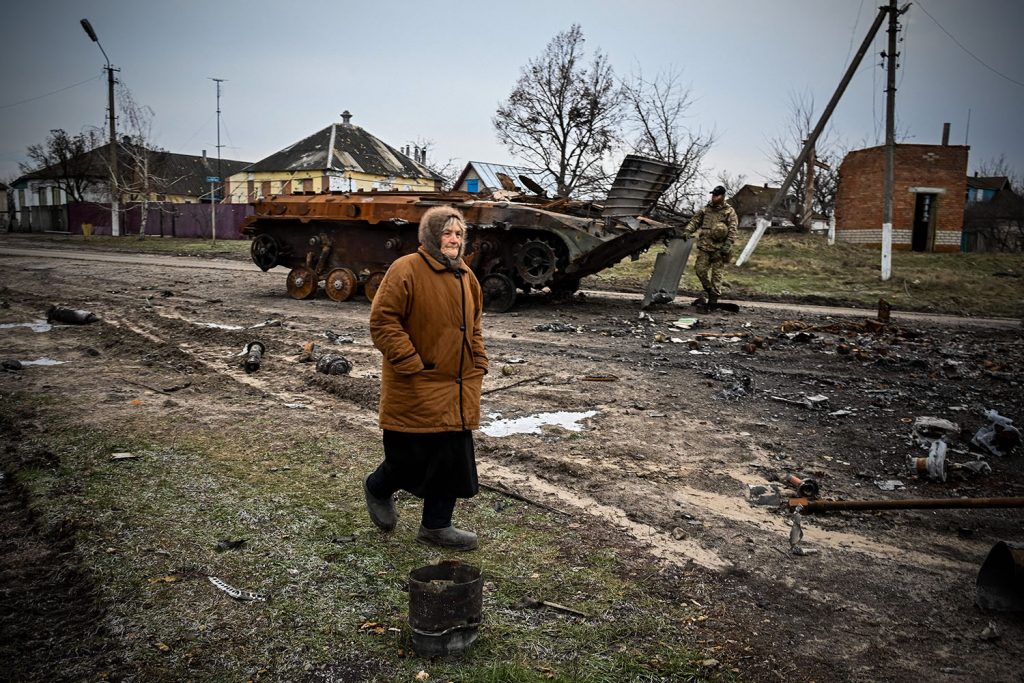
Christmas wishlist While much of the Western world celebrates Christmas, Ukraine will continue fighting. Civilians will try to survive without electricity and heating because of Russian shelling; volunteers will continue to gather funds for generators and ammunition, and the army will be preparing for new counter-offensives. The head of Ukraine’s armed forces says there’s “no doubt” the Russian military will try again to take Kyiv, as Moscow gathers men and arms for a new offensive as soon as January.
To keep the initiative on the battlefield, Ukraine needs three things: finance, sanctions and weapons. German Leopard tanks would be especially welcomed – as well as more air defence weapons like Patriot and Iris, and multiple launch rocket systems, like Himars. The longer their range, the better.
Saving Putin
One of the most astonishing numbers left in the debris of ten months of war is 5.5 – the upper estimate, in percentage terms, of the hit to Russia’s GDP this year. The lower estimate is 3.5 per cent – one-tenth the shrinkage forecast by Putin’s own favourite economist at a presentation to Putin a month before the invasion. The presentation is one of two remarkable scenes in an FT big read on how Putin’s technocrats have saved the Russian economy. In the other, a Russian-born economist at the University of Chicago tells an old friend now working as a senior official at Russia’s central bank that her position is akin to that of Hitler’s central banker, Hjalmar Schacht. How has the Russian economy survived? Ruble payments for oil and gas at inflated prices caused by the war, and the kind of self-sufficiency you get from being the biggest country in the world.
Disinformation in Africa
The son of an Ethiopian professor murdered in the Tigrayan conflict says Meta failed to prevent the spread of content that the son says led to his father’s death. A lawsuit filed in Kenya in the case of Meareg Amare Abrha, rests on two claims: that Facebook’s algorithms promote hateful and violent content because it boosts user engagement; and that the company under-invests in content moderation in Africa. A spokesperson told the WaPo Facebook is “continuing to develop our capabilities”. Separate but related: the WSJ has a depressing piece on Russian propaganda in Uganda. Ugandan state TV now broadcasts regular updates on Russia’s “liberation” efforts and on western sanctions’ role in causing hunger in Africa.
Nurses’ strikes
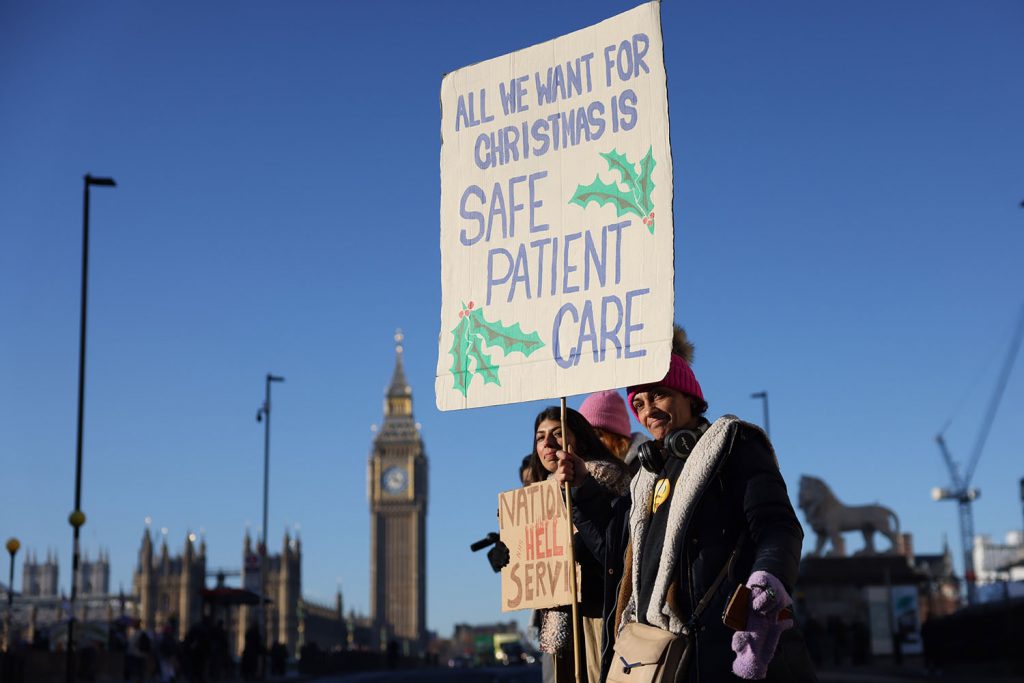
More than 100,000 nurses across England, Wales and Northern Ireland walked out yesterday in the largest nursing strike in NHS history. Life-preserving and urgent care were maintained, but routine services were disrupted and an estimated 70,000 appointments were cancelled. Polling by YouGov and Ipsos suggests public support is still with the nurses – though that could change if the Royal College of Nursing (RCN) goes ahead with more strikes in the new year. Health secretary Steve Barclay is holding firm, insisting that the RCN’s plea for a five per cent plus inflation pay rise is “unaffordable”. But round two is coming fast. The next nurses’ strike is planned for 20 December and over 10,000 ambulance workers plan to strike the following day. It’s this coordinated action that has NHS leaders particularly concerned.
HSBC’s oil shift
After sustained criticism of its climate policies from shareholders and activists, HSBC says it will stop financing new oil and gas fields. HSBC is one of the biggest financiers of fossil fuel companies, providing $111 billion of debt since 2015 when the Paris agreement was signed, according to Bloomberg. Put the word “new” in bold: the bank will continue to offer finance and advisory services to energy sector clients (although it says these clients will need to show transition plans in line with HSBC’s emissions targets). But the move was still welcomed by campaigners as setting a “new minimum level of ambition” for banks committed to net zero. Lloyds is another UK bank that has stopped financing new oil and gas projects. Who’s next?
Secret sources
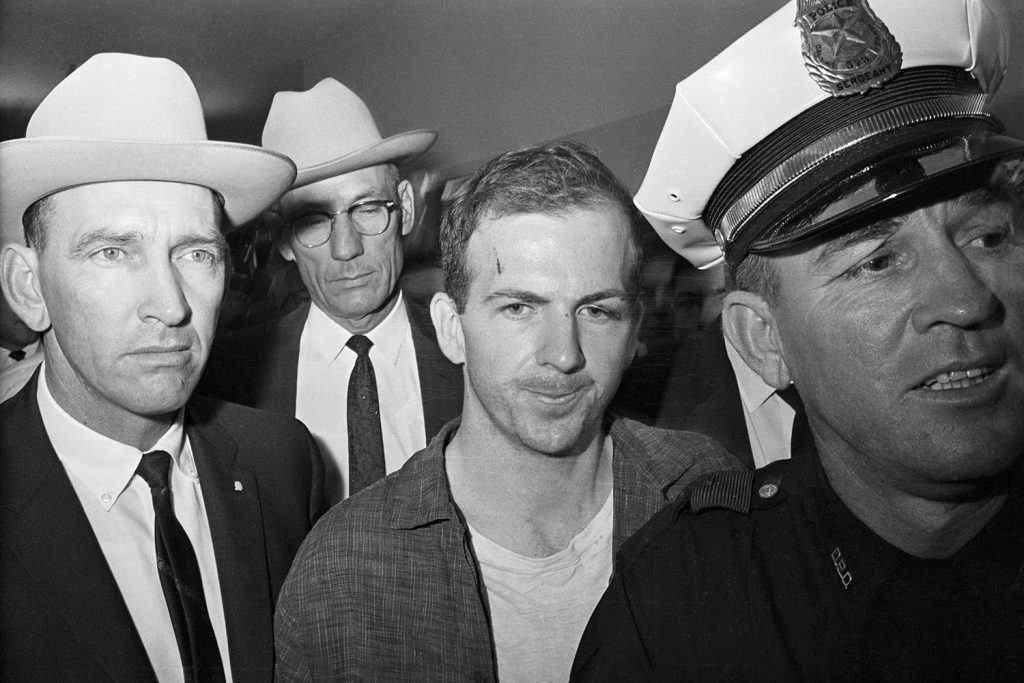
Did the CIA know Lee Harvey Oswald posed a threat to the president? Despite the release yesterday of more than 13,000 previously classified Kennedy assassination documents, that question will remain unanswered – and not only for the conspiracy theorists for whom no disclosure will suffice. 97 per cent of papers held by the US National Archives on the Kennedy murder and investigation have now been made public. But 515 still haven’t, 2,545 remain partially redacted and – researchers say – there’s a whole separate category of documents the CIA never relinquished to the archives. They might reveal what Oswald said in a call to the Soviet embassy in Mexico the month before the assassination, and whether the agency knew.
And finally…


