What just happened
- At least 28 people were killed and 150 injured in an explosion in a mosque in Peshawar, Pakistan.
- Novak Djokovic equalled Rafael Nadal’s record of 22 Grand Slam titles after winning his tenth Australian Open.
- Mining giant Rio Tinto apologised after losing a highly radioactive capsule in Western Australia.
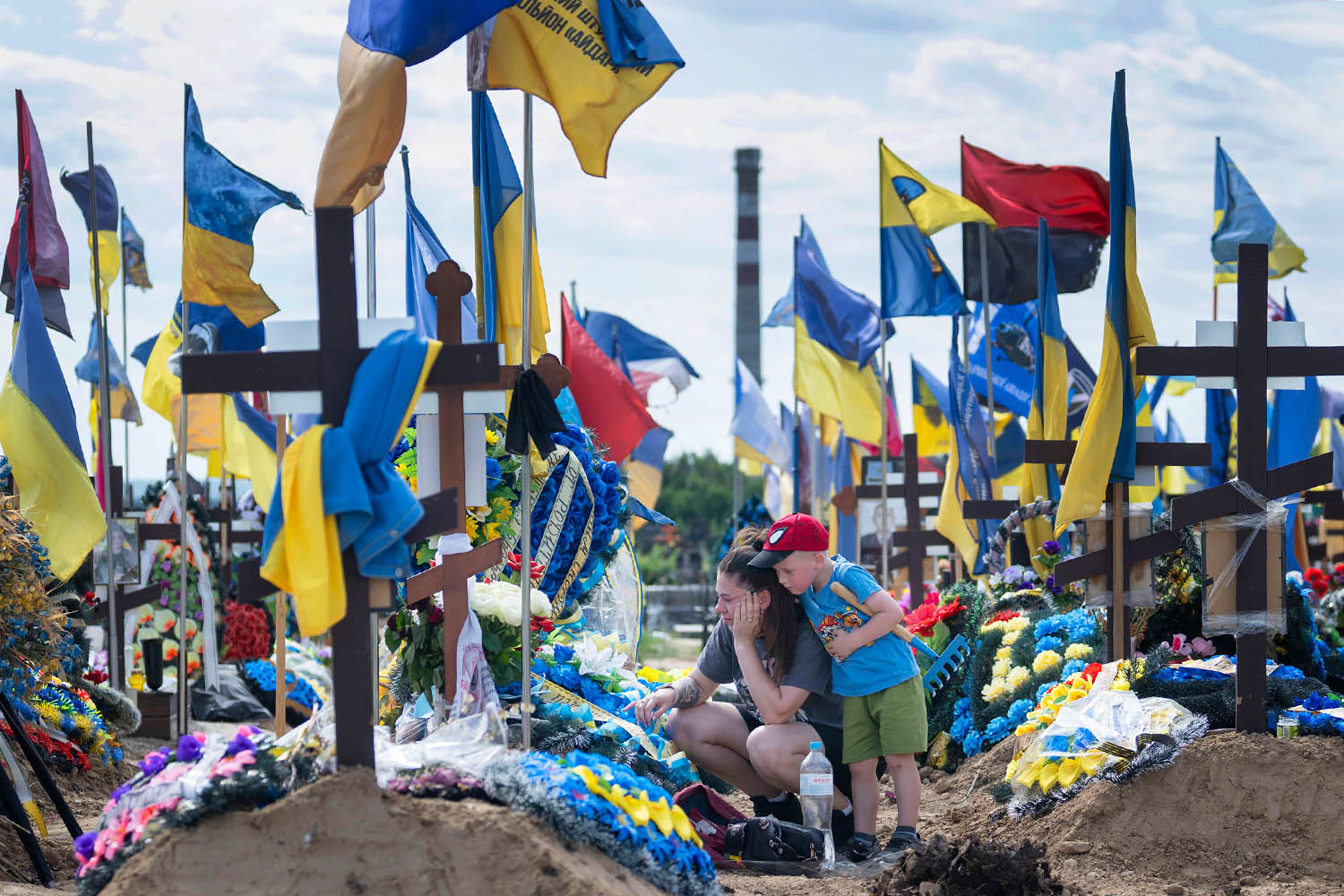
Last week Ukraine was promised the tank coalition it had been begging for for months. This week it’s asking for fighter jets, only to be told by Germany’s Chancellor Scholz that such requests are “frivolous”.
So what? They’re not frivolous. Something may have been lost in translation but a big and potentially existential battle looms for Ukraine. Its chances of a decisive victory may hinge on tanks but control of its skies and air support for its ground forces will be crucial too.
Neither side has used the winter for a major offensive. Both have used it to regroup. Their strategists are grappling with at least three sets of known unknowns:
- Timescale. Months or years? That depends who’s talking. Ben Hodges, former commanding general of the US Army Europe, is sure Ukraine can liberate Crimea by the end of this summer if only it gets long-range systems. Others including the current US Chairman of the Joint Chiefs, Mark Milley, see full liberation as a much longer, tougher project and Crimea as an especially heavy lift.
- Those tanks. Ukraine now expects two battalions of Leopard 2 tanks, followed by 31 US-made Abrams, 14 UK-made Challenger 2s and 60 more Polish tanks other than Leopard 2s. But when is unclear. The first could get to Ukraine by late March. Germany says its Leopards will arrive by early April. They will come slower and be fewer than Ukraine hoped and that could mean its forces start the spring on the defensive when they want to attack.
- Attack where? A Ukrainian counter-offensive in the south would be logical: liberating Melitopol would cut the land bridge to Crimea for which Putin split so much blood last year, and Melitopol is a focus of anti-Russian partisan fighting. But Donbas and the eastern part of the Kherson region are no less important, and the threat from Belarus to the north remains.
A fourth unknown is the depth of western resolve, but there are signs this is stiffening rather than softening because of fears that time is on Russia’s side. A frozen conflict would hobble Ukraine while giving Putin indefinite time to mobilise, increasing the urgency of a decisive Ukrainian offensive before a stalemate sets in.
Calm before the storm. The indications since Davos are that Western governments and especially the US are not interested in a protracted war even if Russia is.
What happened next:
- Western officials urged Ukraine to redirect its focus from the East to the South, and the Ukrainian army left Soledar.
- The Biden administration softened its line against targeting Crimea, whose liberation until now it hasn’t regarded as a realistic military target for Ukraine.
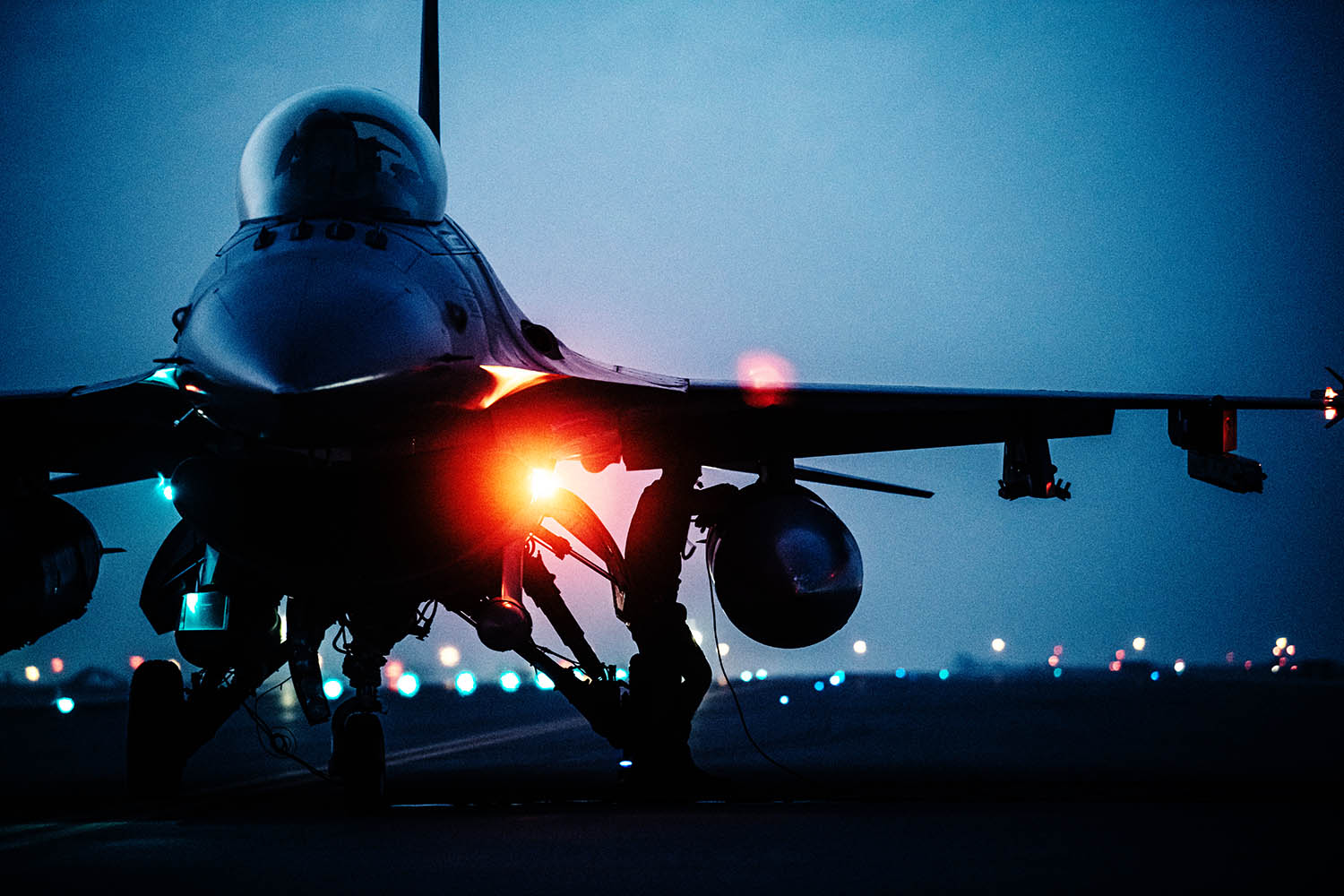
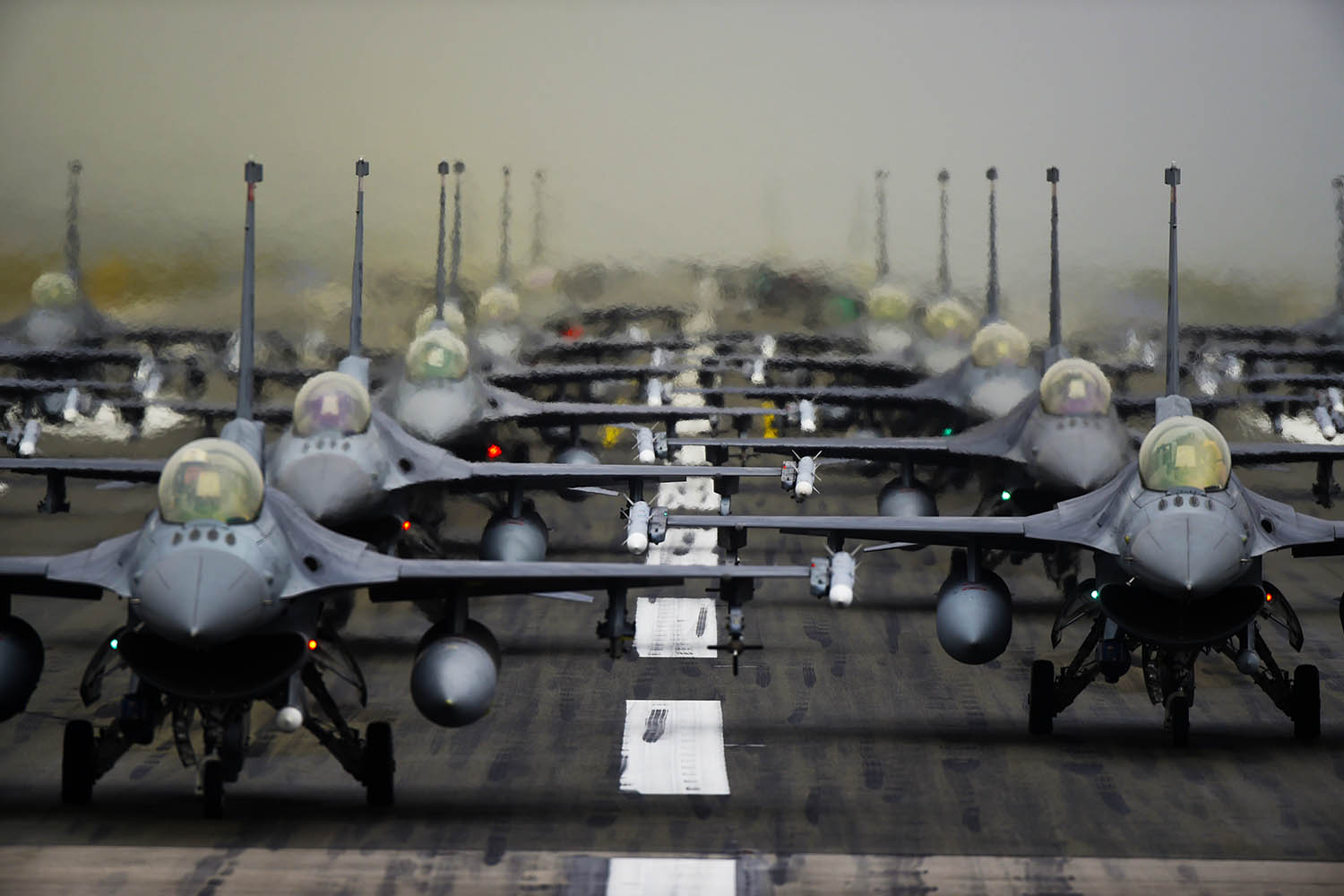
- Pentagon sources have said they wouldn’t be against sending F-16 fighters to Ukraine, while the Dutch, who have 40 F-16s, say they have an “open mind” on the subject.
Meanwhile in Russia. Putin is going to mobilise 500,000 more conscripts, Ukrainian intelligence says. His propaganda machine is preparing the Russian people for a new wave of mobilisation and a long war:
- Reuters reports that soldiers’ widows – traditionally a source of anti-war protest – are asking Putin for a large-scale mobilisation, although this could be pure fabrication.
- Rather than threatening escalation, Russian officials are saying Western tanks sent to Ukraine will be destroyed.
What red lines? Sources say Biden is as cautious privately as Scholz is publicly, but bolder voices are cutting through. After almost a year of worrying about Putin’s supposed red lines, many western leaders have come to the conclusion that there is a negligible risk of escalation from helping Ukraine to defend itself within internationally acknowledged borders.
The evidence. The list of Western military aid includes Himars and Mars rocket systems, Patriot and Iris air defence systems, armoured vehicles, howitzers and now main battle tanks, specially built to destroy Soviet tanks during the Cold War – and none of the above led to a nuclear scenario.
The real escalation was Russia’s invasion of Ukraine.